.jpg)
.jpg)





.jpg)
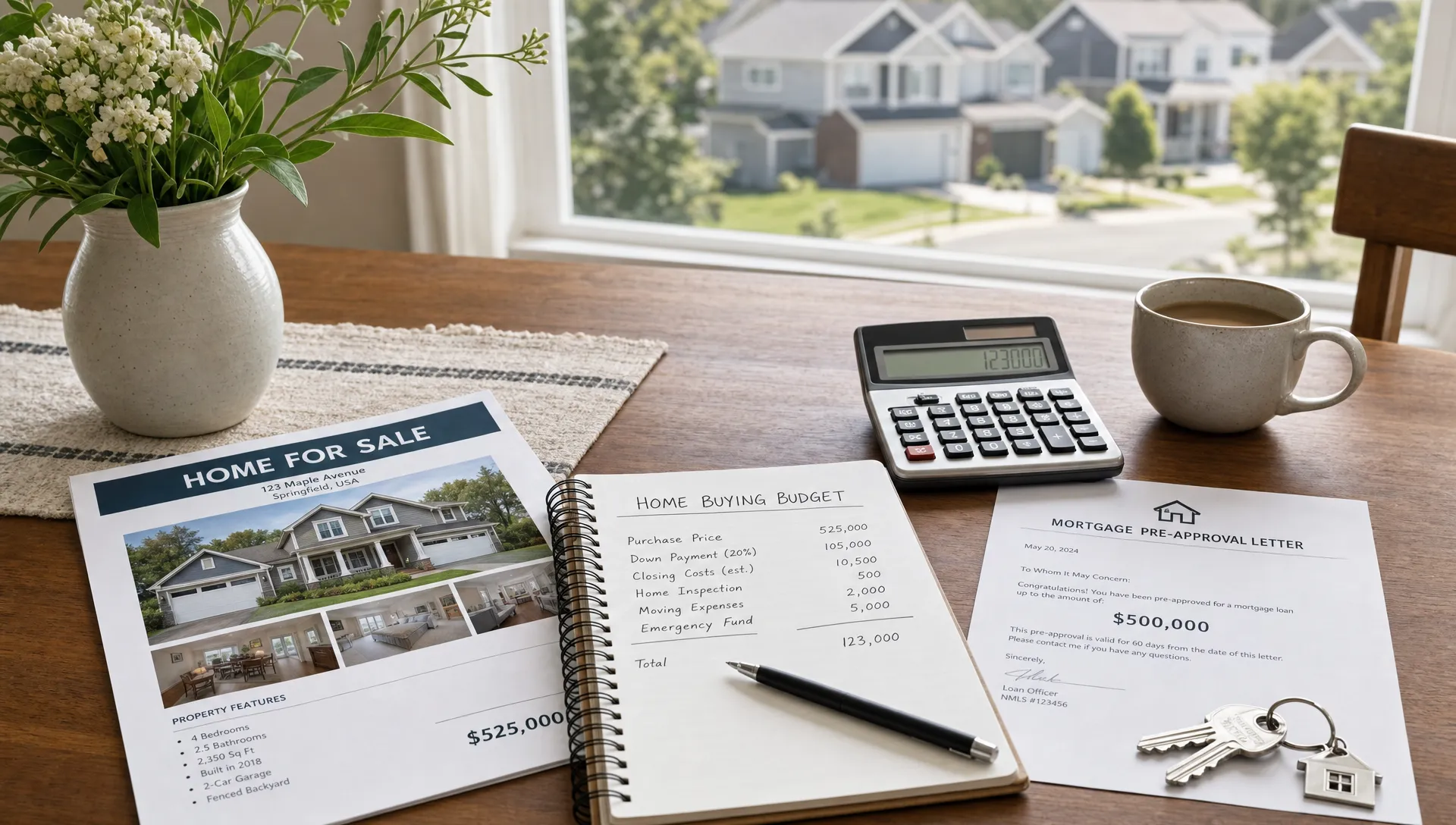

What to Expect From an As-Is Mortgage Loan
Buying a home listed as-is can be a smart way to find value, especially if you are comfortable with repairs or competing in a tight market. It can also create surprises during financing. The phrase as-is tells you something about the seller’s position, but it does not automatically tell you whether the property can qualify for a mortgage.
People often use the phrase as is mortgage loans when they mean financing for a home the seller will not repair before closing. In practice, there is usually no separate, universal mortgage product with that name. Most buyers are using a conventional, FHA, VA, USDA, jumbo or renovation loan to buy a property sold in its current condition.
The key question is simple: will the home meet the lender’s and loan program’s property standards in its current state, or can required repairs be handled before closing?
What an as-is mortgage loan really means
An as-is sale means the seller is saying, in effect, you can inspect the property, but I am not promising to fix defects. The buyer accepts the home in its current condition at closing, unless the contract says otherwise.
That does not mean the buyer has no rights. Depending on your contract, you may still be able to inspect the home, renegotiate, request credits, cancel during an inspection period or walk away if financing cannot be approved. Real estate contract rules vary by state, so your agent or attorney should explain the exact language before you sign.
From a mortgage perspective, the lender is not only looking at your credit, income and assets. The lender also reviews the property because the home secures the loan. If the property has serious safety, structural or habitability issues, the lender may require repairs, reduce the acceptable value, ask for more documentation or decline to lend on that property.
If you are still getting comfortable with the fundamentals, New Era Lending’s guide to what a mortgage loan is and how it works is a helpful companion to this topic.
As-is does not mean the lender accepts every condition
A common misunderstanding is that an as-is contract overrides lender requirements. It does not. The seller may refuse to make repairs, but the lender can still decide the home does not meet program standards.
This matters most when the property has visible health, safety or structural problems. Lenders care about whether the collateral is marketable and whether the home is reasonably safe and livable. Government-backed loan programs can be especially specific. For example, FHA loans follow HUD property standards outlined in the FHA Single Family Housing Policy Handbook, and VA loans use minimum property requirements described in the VA Lenders Handbook.
The appraisal is usually where this issue becomes real. An appraiser is not a full home inspector, but they can flag obvious problems. The Consumer Financial Protection Bureau explains that a home inspection is different from an appraisal because it is designed to help the buyer understand the property’s condition more thoroughly.
In an as-is purchase, you should expect both tracks to matter. The inspection helps you decide whether the home is worth the risk. The appraisal helps the lender decide whether the home supports the loan.
Loan options for an as-is property
The right loan path depends on the condition of the home, your financial profile and whether the repairs are minor or major. A dated kitchen is very different from a failed roof, active water intrusion or missing heating system.
| Loan path | When it may work | What to watch for |
|---|---|---|
| Conventional purchase loan | The home has cosmetic issues or limited deferred maintenance | Major safety or structural defects can still create approval problems |
| FHA loan | The buyer needs FHA financing and the home meets FHA standards | Peeling paint, unsafe systems or habitability issues may need correction before closing |
| VA loan | Eligible veterans, service members or surviving spouses are buying a home that meets VA requirements | VA minimum property requirements can trigger repairs before closing |
| USDA loan | Eligible rural or suburban properties and eligible borrowers | Property condition and location requirements both matter |
| Renovation loan | The home needs repairs that can be financed into the mortgage | More paperwork, contractor bids and renovation oversight are usually required |
| Cash or private financing | The property is too distressed for standard mortgage financing | Costs, rates, timelines and risk can differ significantly from traditional mortgages |
A renovation mortgage can be useful when the home will not pass standard requirements but has strong potential after repairs. Common renovation loan options may include FHA 203(k), Fannie Mae HomeStyle Renovation and Freddie Mac CHOICERenovation, depending on borrower eligibility, property type and lender availability.
A renovation loan is not just a regular mortgage with extra cash added. You should expect contractor estimates, repair scopes, draw schedules and more detailed review. The benefit is that it may let you finance both the purchase and approved repairs through one loan structure.
For a broader view of property financing options, you can also review New Era Lending’s article on what a mortgage property loan is.
What the process usually looks like
An as-is purchase follows the same broad mortgage path as many other home purchases, but condition issues can add steps and delays. The smoother your communication is upfront, the less likely you are to lose time later.
A typical path may look like this:
- Get pre-approved before shopping: Your lender reviews income, credit, assets and target budget so you know what type of financing may fit.
- Tell your lender the home is being sold as-is: Share the listing, disclosures and any known repair concerns as early as possible.
- Write the offer with the right protections: Inspection, appraisal and financing contingencies can be especially important on an as-is home.
- Order inspections quickly: A general home inspection may reveal whether you need roof, foundation, pest, septic, well, electrical or plumbing specialists.
- Complete the appraisal: The lender reviews value and property condition based on the appraiser’s report.
- Resolve lender conditions: This may involve repairs, a reinspection, more documentation, a loan program change or contract renegotiation.
- Close only if the numbers and risks still make sense: Your final decision should include the purchase price, closing costs, repair budget and emergency reserves.
This is where a clear lending process matters. If you want a step-by-step view of what good communication should look like, New Era Lending explains what a simple mortgage process should look like from early approval through closing.
Property conditions that commonly create mortgage problems
Not every defect stops a mortgage. Many as-is homes have worn flooring, old appliances, outdated finishes or minor maintenance issues that do not prevent financing. Problems become more serious when they affect safety, structure, utilities, insurability or the basic ability to live in the home.
| Condition found in an as-is home | Why lenders may care | Possible outcome |
|---|---|---|
| Damaged or leaking roof | Water intrusion can affect value, safety and insurability | Repair requirement, insurance issue or loan denial |
| Foundation movement or structural damage | Structural defects can threaten collateral and habitability | Engineer report, repairs or ineligible property |
| Nonworking heat, plumbing or electrical systems | Basic utilities are often tied to livability standards | Repairs before closing may be required |
| Peeling paint in older homes | Certain programs treat this as a potential safety issue | Scraping, repainting and reinspection may be needed |
| Broken windows, unsafe stairs or missing railings | Visible safety hazards can trigger appraisal conditions | Repair and reinspection before closing |
| Mold, pest damage or active leaks | Health and property damage concerns can affect approval | Specialist inspection, treatment or repair requirement |
| Unpermitted additions | Value, safety and legal use may be unclear | Additional documentation, value adjustment or denial |
| Major insurance concerns | Lenders usually require acceptable homeowners insurance | Closing may be delayed or blocked |
Insurance is easy to overlook. Even if the lender is open to the property, a homeowners insurance company may reject the home or exclude certain risks because of roof age, electrical concerns or prior damage. Since mortgage lenders typically require proof of acceptable insurance before closing, this can become a last-minute obstacle.

How to protect your budget before you make an offer
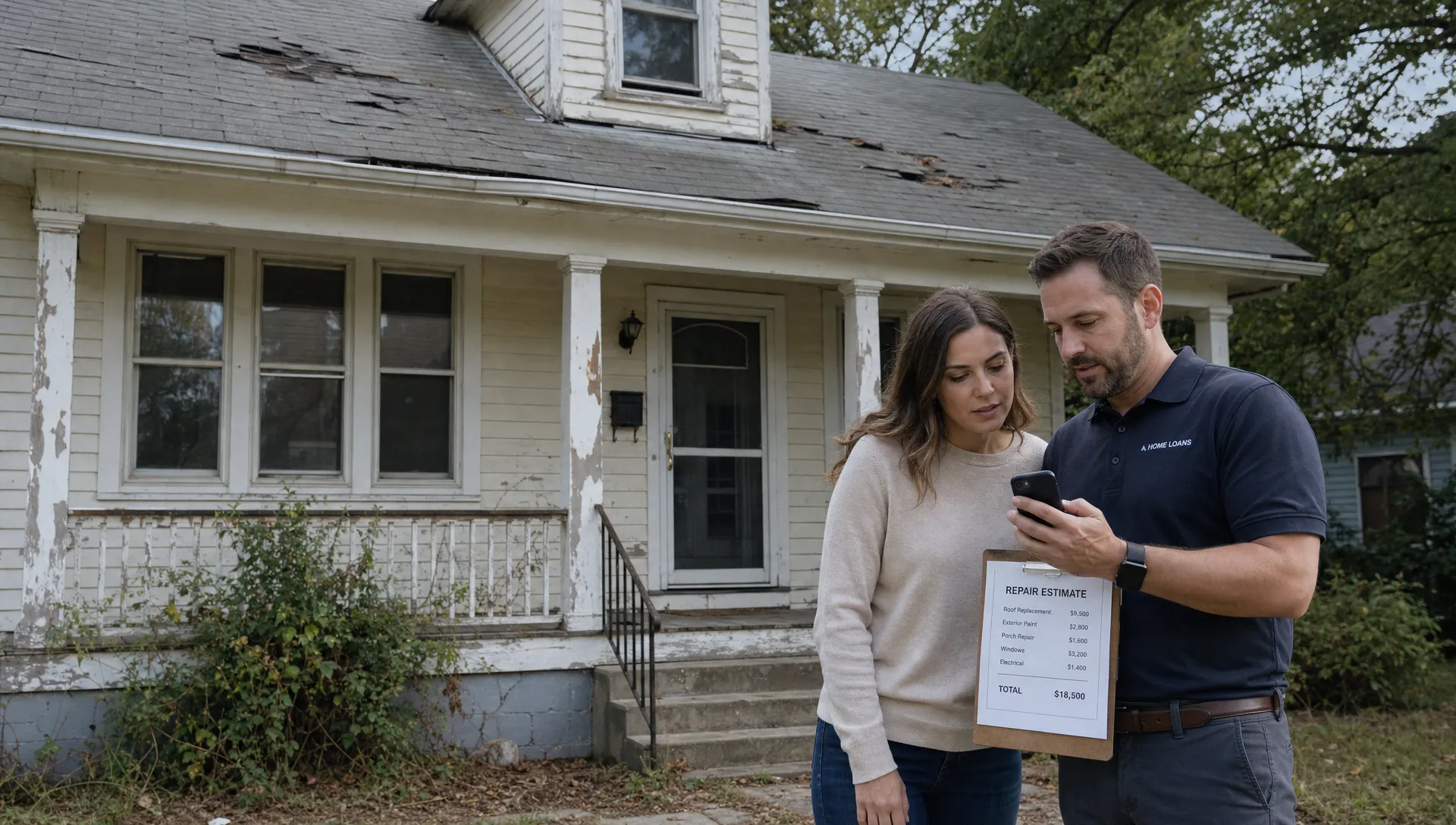
The biggest risk with an as-is home is not simply that repairs exist. It is that the full cost becomes clear after you are emotionally and financially committed.
Start with a realistic repair budget before you write the offer. A home inspector can identify concerns, but contractor estimates give you better cost context. If the inspection report mentions foundation movement, roof failure, old wiring or moisture intrusion, get a specialist involved quickly.
You should also leave room for expenses outside the house itself. Moving, temporary housing, utility setup, insurance, furniture, childcare and healthcare can all compete with your repair budget. If your move affects where your family receives care, choosing providers with clear services and scheduling, such as a Gold Coast dentist for readers in that region, is part of the same practical budget discipline: know your costs before they collide with your housing plans.
For the home purchase itself, avoid relying on optimistic assumptions. A seller credit may help with closing costs, but it may not solve a repair that the lender requires before closing. A price reduction may improve the deal, but it does not put cash in your hand for repairs after closing. A low purchase price can still be expensive if the home needs immediate work.
How required repairs can be handled
When an appraiser or underwriter identifies required repairs, the deal is not always dead. The available options depend on the loan program, lender policies, seller cooperation, timing and severity of the problem.
Common repair solutions include:
- Seller completes repairs before closing: This is the cleanest path for the lender, but it conflicts with the seller’s as-is position.
- Buyer and seller renegotiate: The seller may agree to limited repairs, a price change or a credit, depending on the contract and market conditions.
- Repair escrow or holdback: Some lenders may allow funds to be set aside for certain repairs after closing, but this is not available for every issue or every loan.
- Switch to a renovation loan: If the home needs substantial work, a renovation mortgage may be more realistic than forcing a standard loan to fit.
- Cancel the contract if protected by contingencies: If the financing, appraisal or inspection results do not work, your contract may allow you to exit.
Repair escrows deserve special caution. Buyers often assume they can close now and fix everything later. Lenders are much more selective. Escrows are more likely to be considered for limited, well-defined repairs than for major health, safety or structural problems.
What to ask your lender before pursuing an as-is home
The best time to discuss an as-is property is before you submit the offer, not after the appraisal comes back with conditions. Your lender cannot predict every issue, but they can help you understand which loan programs are more likely to fit.
Ask questions such as:
- Can my loan type finance a property in this condition? Share photos, disclosures and inspection notes if available.
- Which property issues commonly stop approval for this program? FHA, VA, conventional and renovation loans can treat issues differently.
- Would a renovation loan be worth considering upfront? If repairs are likely, starting with the right product may save time.
- How do appraisal repair conditions affect my closing timeline? Reinspections and contractor scheduling can delay closing.
- Are repair escrows allowed for this loan type? If yes, ask what limits and conditions apply.
- How will seller credits affect my cash to close and repair budget? Credits may be useful, but they must comply with program rules.
- What documents should I gather early? Contractor bids, inspection reports, insurance quotes and permits may all matter.
A good mortgage conversation should connect the financing decision to the property’s real condition. If a lender only discusses payment and rate without asking about the home, you may not get the guidance you need for an as-is purchase.
When an as-is mortgage loan can make sense
Buying as-is can be reasonable when the defects are understood, the numbers are clear and the financing path matches the property. It may work well for buyers who are patient, have cash reserves, know local contractors or are using a renovation product designed for repairs.
It can be riskier when the buyer has limited savings after closing, the home has unknown structural issues or the seller will not allow enough inspection time. It can also be risky in a competitive situation where buyers feel pressured to waive protections. A cheaper home is not automatically a better deal if it creates repair costs you cannot comfortably absorb.
The strongest as-is buyers are not necessarily the ones willing to accept the most risk. They are the ones who measure the risk before closing.
Frequently Asked Questions
Can you get a mortgage on a house sold as-is? Yes, you can often get a mortgage on a house sold as-is if the property meets the lender’s and loan program’s condition standards. If the home has serious safety, structural or habitability issues, repairs or a different loan type may be required.
Is an as-is mortgage loan a specific loan program? Usually, no. The phrase often refers to using a mortgage to buy a home sold in as-is condition. The actual loan may be conventional, FHA, VA, USDA, jumbo or a renovation mortgage.
Will the lender require repairs on an as-is home? The lender may require repairs if the appraisal identifies issues that affect safety, soundness, security, livability or program eligibility. The seller’s as-is language does not override lender requirements.
Should I skip the inspection if the home is sold as-is? Skipping the inspection is risky. Even if the seller will not make repairs, an inspection helps you understand repair costs, negotiate when possible and decide whether the purchase still makes sense.
Can repair costs be included in the mortgage? Sometimes. Standard purchase loans usually do not let you simply add post-closing repairs, but renovation loans may allow approved repair costs to be financed as part of the mortgage structure.
What happens if the appraisal comes back subject to repairs? The lender may require those repairs to be completed and reinspected before closing. If repairs cannot be completed, you may need to renegotiate, switch loan programs or cancel if your contract allows it.
Talk through an as-is purchase with New Era Lending
An as-is home can be a real opportunity, but the loan strategy needs to match the property. New Era Lending combines smart mortgage technology with personalized human guidance to help buyers compare loan options, understand documentation and move through financing with more clarity.
If you are considering an as-is purchase, refinancing a property with deferred maintenance or exploring equity access for repairs, start with a conversation. New Era Lending can help you review your goals, your timeline and the loan options that may fit your situation across the states where it lends.