.jpg)
.jpg)





.jpg)

How to Get a Mortgage With No Private Mortgage Insurance
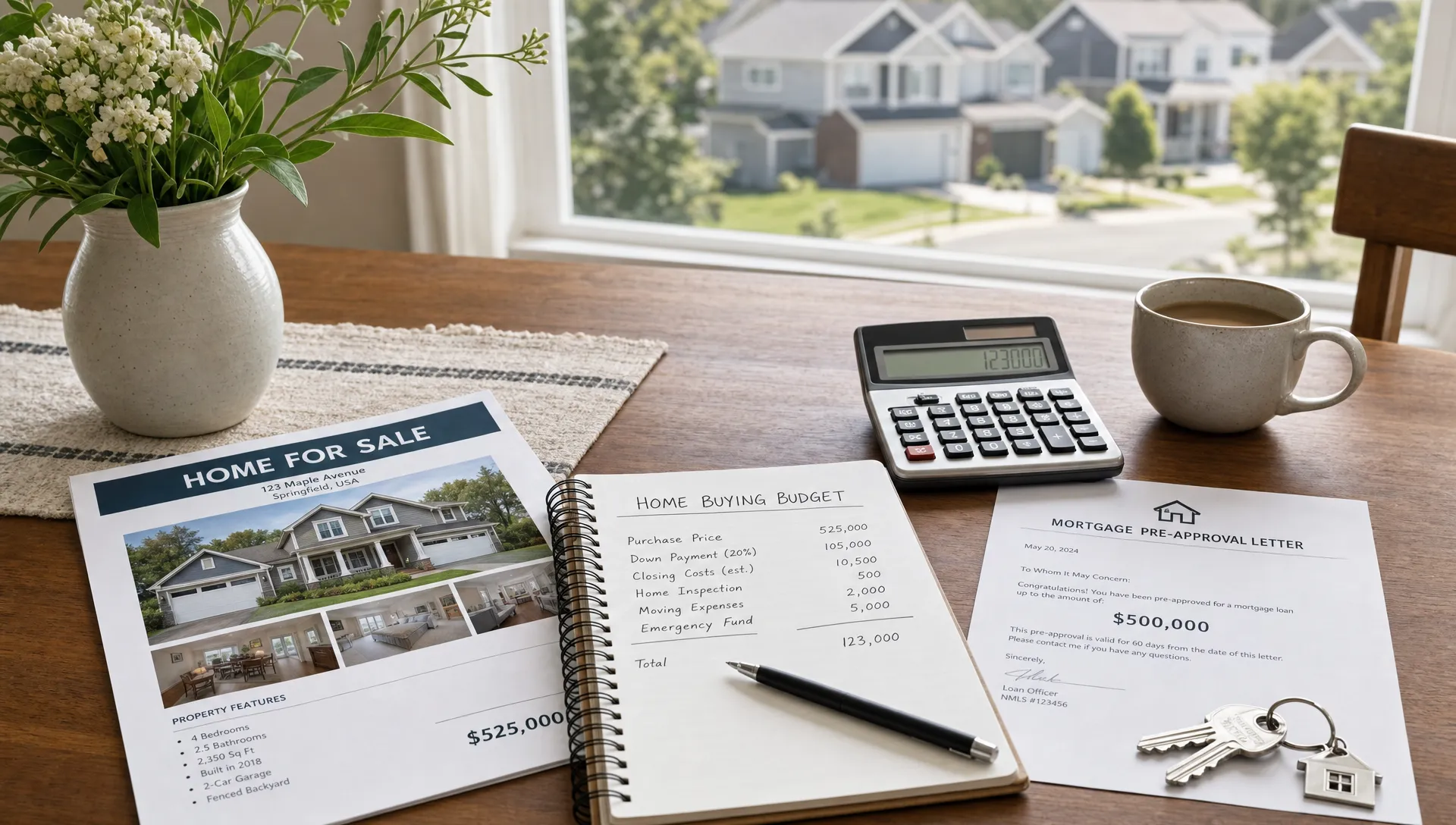
Private mortgage insurance can make homeownership feel more expensive than expected. PMI is typically required on a conventional mortgage when your down payment is less than 20%, and it protects the lender, not the borrower, if the loan goes into default. The good news: there are several legitimate ways to get a mortgage with no private mortgage insurance, even if putting 20% down is not the only path you are considering.
The right strategy depends on your credit profile, savings, loan type, military service history, property location, and how long you expect to keep the loan. The goal is not simply to avoid PMI at all costs. It is to choose the mortgage structure that gives you the best overall balance of monthly payment, upfront cash, interest rate, flexibility, and long-term savings.
What PMI Is and When It Applies
Private mortgage insurance applies to many conventional home loans when the loan-to-value ratio is above 80%. In plain English, that usually means you are borrowing more than 80% of the home’s value or purchase price.
For example, if you buy a $400,000 home with 10% down, your loan amount would be $360,000. That is a 90% loan-to-value mortgage, so a conventional lender will usually require PMI.
PMI is different from homeowners insurance. Homeowners insurance protects you from covered losses such as fire, theft, or storm damage. PMI protects the lender if you stop making payments. If you want a deeper breakdown of insurance types and cost drivers, New Era Lending’s guide to property mortgage insurance costs, rules, and ways to avoid it is a helpful companion resource.
According to the Consumer Financial Protection Bureau, PMI may be paid monthly, upfront at closing, or through a combination of both, depending on the loan. That payment can meaningfully affect affordability, especially when buyers are also budgeting for taxes, homeowners insurance, HOA dues, repairs, and moving costs.
The Main Ways to Get a Mortgage With No Private Mortgage Insurance
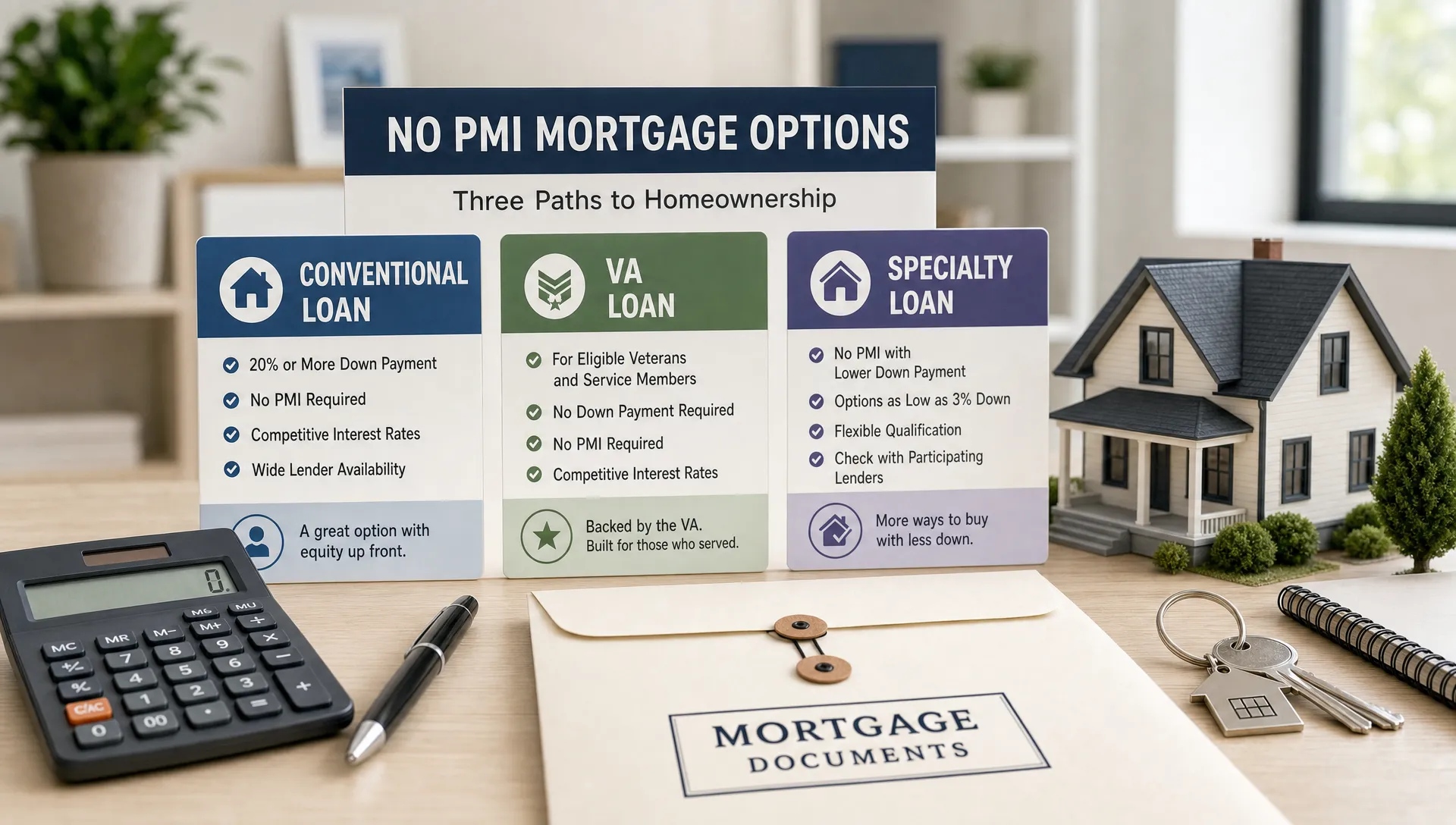
There is no single “no PMI loan” that fits every borrower. Instead, PMI can be avoided through several different mortgage structures.
Strategy                              | Best fit                                                        | Main tradeoff
Put 20% down on a conventional loan   | Buyers with strong savings                                      | Requires more cash upfront
Use a VA loan if eligible             | Qualified veterans, service members, and some surviving spouses | VA funding fee may apply
Choose lender-paid mortgage insurance | Buyers who prefer no separate PMI line item                     | Often comes with a higher interest rate
Use a piggyback loan                  | Buyers with 10% down and strong credit                          | Requires managing two loans
Refinance after building equity       | Current homeowners above 80% LTV                                | Closing costs and rate changes matter
Explore specialty no-PMI programs | Certain professionals or lender-specific borrowers | Availability and requirements vary Option 1: Put 20% Down on a Conventional Mortgage
The most straightforward way to get a mortgage with no private mortgage insurance is to make a down payment of at least 20% on a conventional loan. If your loan-to-value ratio is 80% or lower at closing, PMI is generally not required.
This path is simple and predictable. It can also improve your offer strength because sellers often view larger down payments as a sign of financial readiness. A larger down payment may also lower your monthly payment because you are borrowing less.
However, putting 20% down is not always the smartest move. If it drains your emergency savings, leaves no room for repairs, or delays your purchase for years, another no-PMI approach may be more practical. A mortgage should support your financial stability, not consume every dollar you have saved.
A good rule of thumb is to compare these two scenarios before deciding:
- Buying now with a lower down payment and some form of mortgage insurance or alternative structure
- Waiting until you have 20% down while home prices, interest rates, and rent costs may change
Sometimes waiting saves money. Sometimes it costs more. The answer depends on your local market and your personal finances.
Option 2: Use a VA Loan if You Are Eligible
VA loans are one of the strongest no-PMI mortgage options available. Eligible veterans, active-duty service members, certain National Guard and Reserve members, and some surviving spouses may qualify for a VA-backed mortgage with no private mortgage insurance and, in many cases, no down payment.
VA loans do not charge PMI because the Department of Veterans Affairs provides a guaranty to the lender. However, most VA borrowers pay a VA funding fee, which can often be financed into the loan. The exact funding fee depends on factors such as down payment amount, first-time or subsequent use, and service category. Some borrowers, including certain veterans with service-connected disabilities, may be exempt.
The U.S. Department of Veterans Affairs provides current funding fee information and exemption details. For eligible buyers, the absence of monthly PMI can be a major advantage, especially when compared with conventional low-down-payment loans.
If you are trying to decide whether a VA loan fits your buying strategy, New Era Lending’s overview of the benefits of a VA mortgage loan for eligible buyers explains the major advantages and cost considerations.
Option 3: Consider Lender-Paid Mortgage Insurance
Lender-paid mortgage insurance, often called LPMI, is another way to avoid a separate monthly PMI payment. With this structure, the lender pays for the mortgage insurance and typically charges you a higher interest rate in exchange.
This can be attractive if your priority is a cleaner monthly payment with no separate PMI line item. It may also help borrowers who expect to keep the loan for a shorter period, such as buyers who plan to refinance, relocate, or make significant principal payments within a few years.
The tradeoff is important: lender-paid mortgage insurance usually does not disappear automatically once you reach 20% equity. Since the cost is built into the interest rate, you generally need to refinance to remove it. That means LPMI can become more expensive over time if you keep the loan for many years.
Before choosing LPMI, compare:
- The standard conventional loan payment with monthly PMI
- The lender-paid PMI option with a higher rate
- The estimated break-even point over 3, 5, 7, and 10 years
- Whether you are likely to refinance or sell before the higher rate becomes costly
This is where personalized mortgage guidance matters. A no-PMI structure can look cheaper at first glance, but the long-term math may tell a different story.
Option 4: Use a Piggyback Loan Structure
A piggyback mortgage is a structure that combines a first mortgage with a second loan so the first mortgage stays at or below 80% loan-to-value. A common version is the 80-10-10 loan.
In an 80-10-10 structure, you typically use:
- An 80% first mortgage
- A 10% second mortgage or home equity line of credit
- A 10% down payment
Because the first mortgage is at 80% loan-to-value, private mortgage insurance is typically not required on that first loan. This can help buyers avoid PMI without putting 20% down.
The tradeoff is that you now have two loans. The second mortgage may have a higher rate, variable-rate terms, a shorter repayment period, or different closing costs. In some cases, a piggyback structure can save money. In others, monthly PMI on one loan may be cheaper and simpler.
Piggyback loans tend to work best for borrowers with strong credit, stable income, and enough savings to handle both payments comfortably.
Option 5: Refinance Once You Have Enough Equity
If you already own a home and are paying PMI, refinancing into a new conventional loan may remove PMI if your new loan-to-value ratio is 80% or lower. This can happen because you paid down your loan balance, your home increased in value, or both.
Refinancing is not automatically the best choice. You need to compare the savings from removing PMI against closing costs and the new interest rate. If today’s rates are much higher than your current rate, refinancing solely to remove PMI may not make sense.
You may also be able to request PMI cancellation without refinancing once you meet certain equity requirements. Under the federal Homeowners Protection Act, borrowers can generally request cancellation of PMI on many conventional loans when the mortgage balance reaches 80% of the original home value, if other requirements are met. Automatic termination generally occurs later, often at 78% of the original value, again subject to rules and payment history.
Refinancing can still be useful when it achieves more than one goal, such as removing PMI, lowering the rate, changing the loan term, or accessing home equity. If you want to understand how no-PMI refinancing fits into the broader loan landscape, New Era Lending’s article on how a no PMI mortgage really works covers the mechanics in more detail.
Option 6: Look Into Specialty No-PMI Mortgage Programs
Some lenders, banks, credit unions, and housing programs offer specialty mortgages with no borrower-paid PMI, even with less than 20% down. These may be designed for first-time buyers, moderate-income borrowers, medical professionals, attorneys, public employees, or buyers in specific communities.
These programs can be valuable, but details vary widely. Some may use lender-paid insurance. Others may price risk into the interest rate. Some may require income limits, location restrictions, homebuyer education, minimum credit scores, or automatic payments from a related bank account.
When comparing specialty no-PMI programs, ask the lender to explain what replaces PMI economically. No-PMI does not always mean no cost. It may mean the cost is built into the rate, fees, second lien, or eligibility requirements.
No PMI vs. FHA MIP: Know the Difference
Many buyers use “PMI” as a general term for mortgage insurance, but technically PMI applies to conventional loans. FHA loans use mortgage insurance premiums, usually called MIP.
This difference matters because FHA MIP follows different rules. FHA loans can be helpful for buyers with lower credit scores or smaller down payments, but MIP may last for a long time, and in some cases for the life of the loan, depending on the down payment and loan term.
For borrowers focused specifically on no private mortgage insurance, a conventional no-PMI structure, VA loan, or certain specialty program may be more aligned with that goal. But FHA could still be the better overall choice if it offers easier qualification or a more affordable payment based on your credit and debt profile.
The smartest comparison is not “PMI versus no PMI.” It is total monthly payment, total cash to close, qualification strength, interest rate, flexibility, and expected time in the home.
How to Strengthen Your Application for a No-PMI Mortgage
No-PMI options often require a stronger borrower profile because the lender has less insurance protection. Improving your application can expand your options and may help you secure better pricing.
Focus on these areas before applying:
- Credit score: A higher score can improve your rate and make piggyback or specialty programs more accessible.
- Debt-to-income ratio: Lower monthly debt obligations can make your application stronger.
- Cash reserves: Lenders may feel more confident if you have savings left after closing.
- Stable income: Clear documentation of employment, self-employment income, bonuses, or commissions matters.
- Property fit: Some programs have property type, occupancy, or location requirements.
Do not open new credit accounts, finance a car, or make large unexplained deposits while preparing for a mortgage unless your loan advisor confirms it will not hurt your approval.
Questions to Ask Before Choosing a No-PMI Loan
A mortgage with no private mortgage insurance can be a smart financial move, but only if the full structure works in your favor. Before committing, ask your lender direct questions about the cost and flexibility of each option.
Use these questions as a starting point:
- What is the interest rate with PMI versus without PMI?
- Is the cost of avoiding PMI built into the rate or fees?
- If I choose lender-paid mortgage insurance, can it ever be removed without refinancing?
- Would a piggyback loan be cheaper than monthly PMI?
- How much cash will I have left after closing?
- How long would I need to keep this loan for the no-PMI option to pay off?
- Are there VA, USDA, credit union, or specialty programs I may qualify for?
A lender should be able to show side-by-side loan estimates so you can compare real numbers instead of relying on assumptions.
When Avoiding PMI May Not Be Worth It
PMI has a bad reputation, but it is not always the worst option. In some cases, paying PMI for a period of time may be better than taking a higher interest rate, using a risky second mortgage, or delaying your purchase for years.
For example, if a standard conventional loan with PMI lets you buy sooner while keeping a healthy emergency fund, that may be safer than putting every available dollar into the down payment. If home values rise, you may also be able to remove PMI later through cancellation or refinancing.
Avoiding PMI may not be worth it when:
- The no-PMI loan has a much higher interest rate
- The second mortgage payment makes your budget too tight
- You would deplete emergency savings to reach 20% down
- You plan to refinance soon and the upfront cost is too high
- The program has restrictions that do not match your plans
The best mortgage is not always the one with the fewest line items. It is the one that helps you buy or refinance with confidence and stay financially resilient.
A Practical Step-by-Step Plan
If you want a mortgage with no private mortgage insurance, take a structured approach before you fall in love with a property or commit to a lender.
First, estimate your current down payment and cash reserves. Separate your closing-cost funds, emergency savings, and moving budget from the amount you can comfortably put down. This prevents you from becoming “house rich and cash poor.”
Next, confirm whether you qualify for VA or other specialized programs. If you have military service, do not skip this step. A VA loan may be one of the most powerful no-PMI options available.
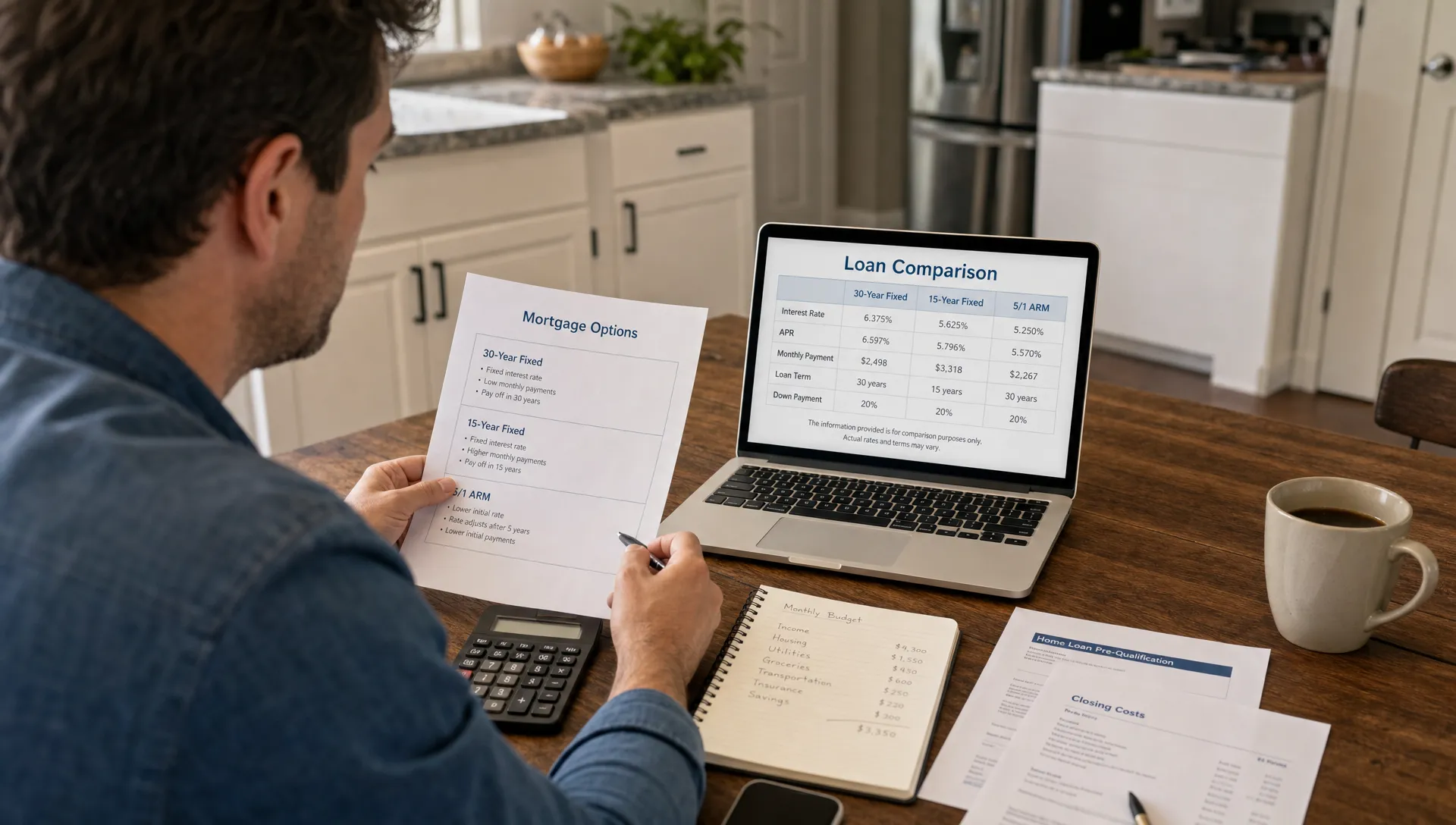
Then compare at least three scenarios: a conventional loan with PMI, a conventional no-PMI option, and any specialty or government-backed option that fits your profile. Ask for estimates using the same purchase price, down payment, taxes, insurance, and loan term so the comparison is fair.
Finally, think beyond closing day. Consider how long you expect to own the home, whether you may refinance, and how much payment flexibility you need. A no-PMI mortgage should support your long-term plan, not just reduce one monthly charge.
If your mortgage research is connected to financial pressure, a forced move, or the need to sell a property quickly, it may also be worth seeking situation-specific help. U.S. homeowners can contact a HUD-approved housing counselor, while UK homeowners facing repossession can explore specialized property problem-solving support designed for urgent sale and repossession situations.
How New Era Lending Can Help You Compare No-PMI Options
Getting a mortgage with no private mortgage insurance is easier when you can compare your options clearly. New Era Lending combines modern mortgage technology with human guidance to help borrowers evaluate purchase, refinance, and equity-access solutions across a wide range of loan needs.
Because no-PMI strategies involve tradeoffs, transparent guidance matters. A loan option that looks attractive online may change once your credit, income, location, down payment, and goals are reviewed. New Era Lending’s process is designed to make that comparison simpler, with secure document uploads, e-signature support, educational resources, and personalized mortgage guidance.

Frequently Asked Questions
Can I get a conventional mortgage with no private mortgage insurance and less than 20% down? Sometimes. Options may include lender-paid mortgage insurance, piggyback loans, and certain specialty lender programs. However, the cost may be built into the interest rate, fees, or second mortgage payment.
Is a no-PMI mortgage always cheaper? Not always. A no-PMI mortgage can cost more if it comes with a higher interest rate or expensive second loan. Always compare the total monthly payment, cash to close, and long-term interest costs.
Do VA loans have private mortgage insurance? No. VA loans do not require PMI, although most borrowers pay a VA funding fee unless they qualify for an exemption.
Can I remove PMI after I buy a home? Yes, many conventional borrowers can request PMI cancellation once they reach required equity levels and meet lender rules. Some borrowers refinance to remove PMI, but refinancing only makes sense if the overall savings outweigh the costs.
What credit score do I need for a no-PMI mortgage? Requirements vary by loan type and lender. Stronger credit generally improves your chances of qualifying for no-PMI structures and better pricing, especially with conventional, piggyback, or specialty programs.
Ready to Explore a Mortgage With No PMI?
A mortgage with no private mortgage insurance can be a smart way to lower your monthly payment, but the right path depends on your full financial picture. Whether you are buying, refinancing, or comparing loan options, take time to review the numbers side by side.
New Era Lending can help you understand which no-PMI strategies may fit your goals and which tradeoffs to watch for. Start by reviewing your options with a mortgage professional so you can move forward with clarity, confidence, and a loan structure built around your needs.