








How to Choose a Smart Mortgage for a Manufactured Home
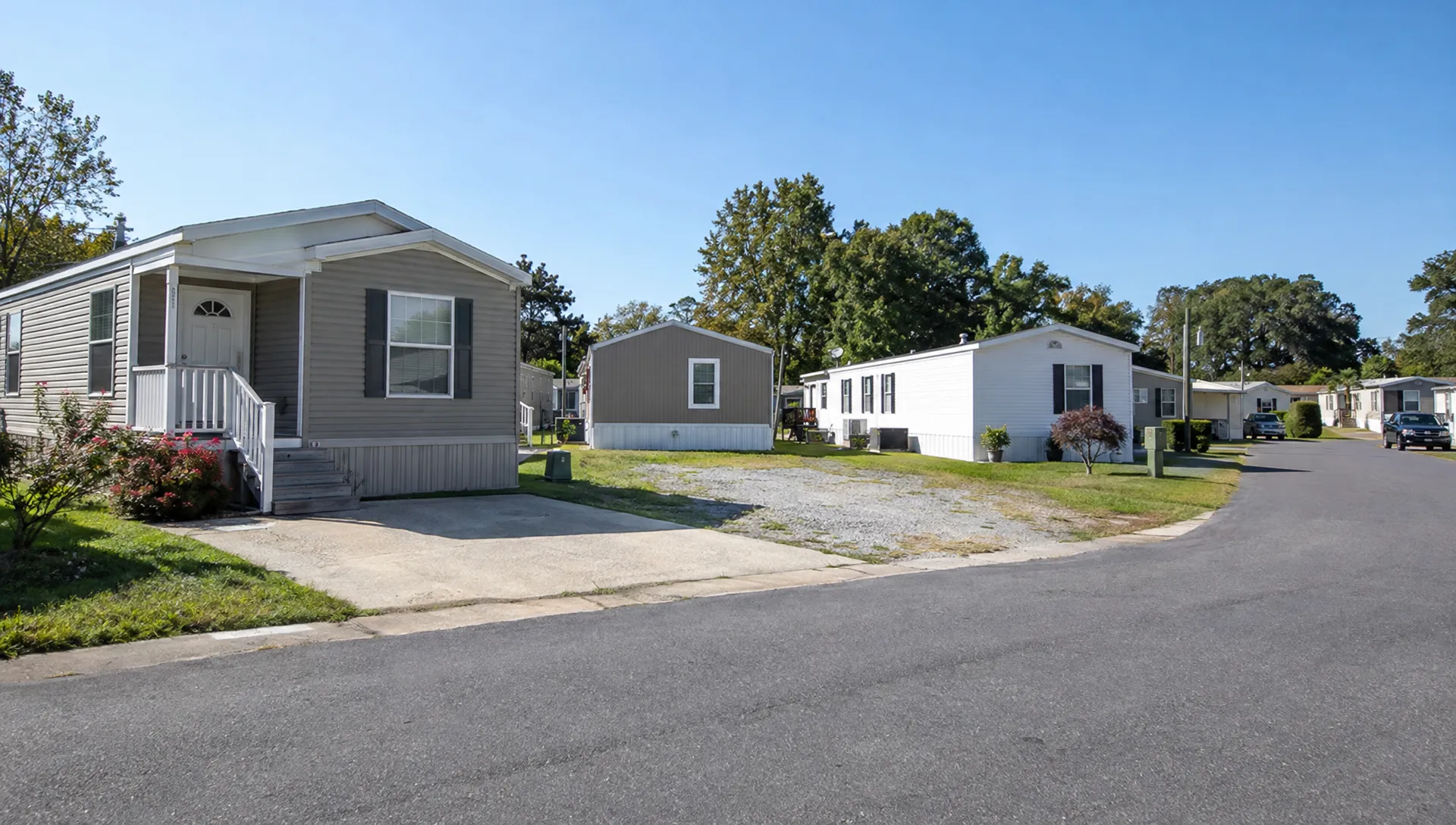
A smart mortgage for a manufactured home starts with the property, not the advertised interest rate. Whether the home comes with land, how it is titled and whether its foundation meets program requirements can determine which financing options are available. Two homes with similar prices may need very different loans.
Before paying a deposit or accepting a retailer’s financing offer, establish what you are buying and which lenders can finance it. Then compare the full payment, upfront costs and restrictions that could affect a future sale or refinance.
Establish what kind of home you are buying
Manufactured, modular and mobile homes are not interchangeable terms in mortgage underwriting. A listing may use them loosely, so verify the construction records rather than relying on the description.
| Home type | Key distinction | Financing implication |
|---|---|---|
| Manufactured home | Built to the federal HUD Code, generally on or after June 15, 1976 | May qualify for manufactured-home mortgage programs if other requirements are met |
| Modular home | Built in a factory to applicable state or local building codes | Generally evaluated more like a site-built home |
| Pre-HUD mobile home | Built before the federal manufactured-home standards took effect | Financing options are typically more limited |
A manufactured home can be attractive and well maintained without qualifying for a particular mortgage. Eligibility also depends on the land, installation, ownership documents and lender’s rules.
Verify the foundation, labels and title
A smart mortgage comparison needs accurate property information before lenders quote competing programs. Gather the home’s manufacturer, model year, serial numbers, section count and address, along with available installation records.
Manufactured homes typically have exterior HUD certification labels and an interior data plate. Missing labels or records do not always end the application, but the lender may require an accepted verification process. Ask before paying for inspections or replacement documentation.
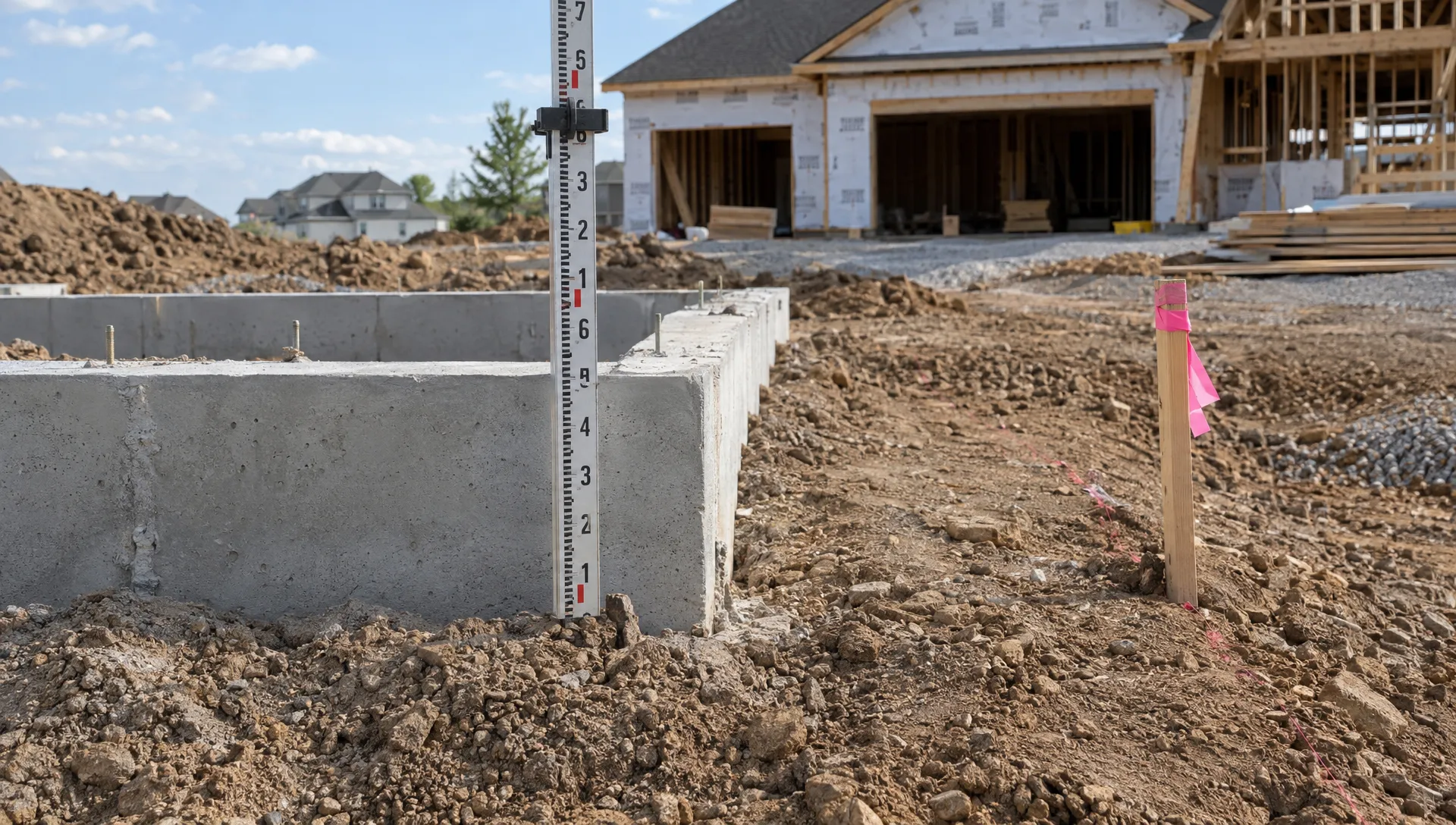
For many real-estate mortgage programs, the home must meet permanent-foundation requirements and be legally classified as real property. That can involve retiring a separate manufactured-home title under state procedures. A foundation inspection and legal title conversion are separate matters; completing one does not automatically satisfy the other.
Fannie Mae’s manufactured housing guidance illustrates why property eligibility deserves attention alongside borrower qualifications. Individual lenders may apply additional restrictions, including rules about single-section homes or homes moved after their original installation.
Choose a smart mortgage based on who owns the land
Buying the home and land together usually creates a different financing path from buying a home in a community where you rent the lot.
If you will own the land: A mortgage secured by both the home and land may be available when the property meets the program’s title, foundation and other eligibility requirements. If you already own the parcel, ask whether documented land equity can count toward your required contribution.
If you will lease the lot: Home-only financing may be the more accessible route. Some mortgage programs permit qualifying leasehold arrangements, but an ordinary community rental agreement does not automatically qualify.
Review the lease before committing. Check rent increases, renewal terms, transfer approval, community fees and what happens if the landowner changes the property’s use. Also verify that the lender accepts the community and lease terms.
A low home price can be misleading when lot rent is substantial or unpredictable. The financing decision and the land agreement need to work together for as long as you expect to live there.
Compare programs that actually accept the property
The right smart mortgage is not necessarily the program with the smallest advertised down payment. First eliminate options that cannot finance your specific home, land arrangement or intended use.
| Financing route | Where it may fit | What to confirm early |
|---|---|---|
| Conventional manufactured-home mortgage | Eligible homes meeting agency or lender requirements | Foundation, real-property status, home configuration and land requirements |
| FHA Title II mortgage | Eligible manufactured housing financed as real estate | Property eligibility, required investment, mortgage insurance and any qualifying leasehold rules |
| VA-backed loan | Eligible borrowers purchasing a qualifying manufactured property | Lender participation, property restrictions and any applicable funding fee |
| USDA-backed financing | Eligible borrowers and properties in qualifying rural areas | Income limits, location eligibility and current rules for new or existing manufactured homes |
These are possible financing routes, not a statement that every lender offers them. Ask specifically about manufactured housing rather than accepting a general answer that the lender provides FHA, VA or USDA loans.
For background on how these programs differ, New Era Lending’s guide to mortgage loan options explains the broader categories. Your next step is confirming which categories remain available for the actual property.
Understand when a home-only loan makes sense
A home-only loan, often called a chattel or personal-property loan, generally uses the manufactured home as collateral without including the land. FHA Title I also provides a separate manufactured-housing financing route through participating lenders, subject to program requirements and lender availability.
A smart mortgage search should include home-only financing when the property arrangement requires it, but the products are not interchangeable. Home-only loans can carry higher rates or shorter repayment periods than real-estate mortgages, although the actual terms depend on the borrower, home and lender.
Compare total interest, fees, prepayment terms and borrower protections. Do not assume that a disclosure used for a real-estate mortgage will also be provided for a personal-property loan.
Ask about future refinancing, too. Purchasing land later or converting the home to real property may create additional options, but neither guarantees that a future lender will approve a refinance. Avoid accepting an uncomfortable payment based on an assumed refinance.
Calculate the costs missing from the advertised payment
A retailer’s advertised payment may describe only part of the transaction. A smart mortgage budget accounts for getting the home installed, making it legally occupiable and covering ongoing ownership costs.
For a new home, request an itemized written price showing whether delivery, site preparation, foundation work, permits, utility connections and installation are included. Confirm responsibility for expenses such as a well, septic system, driveway or removal of an existing structure when relevant.
For an existing home, investigate repair needs, insurance availability, taxes, community charges and any required foundation documentation. In a leased-land community, keep lot rent separate from the loan payment so future increases remain visible.
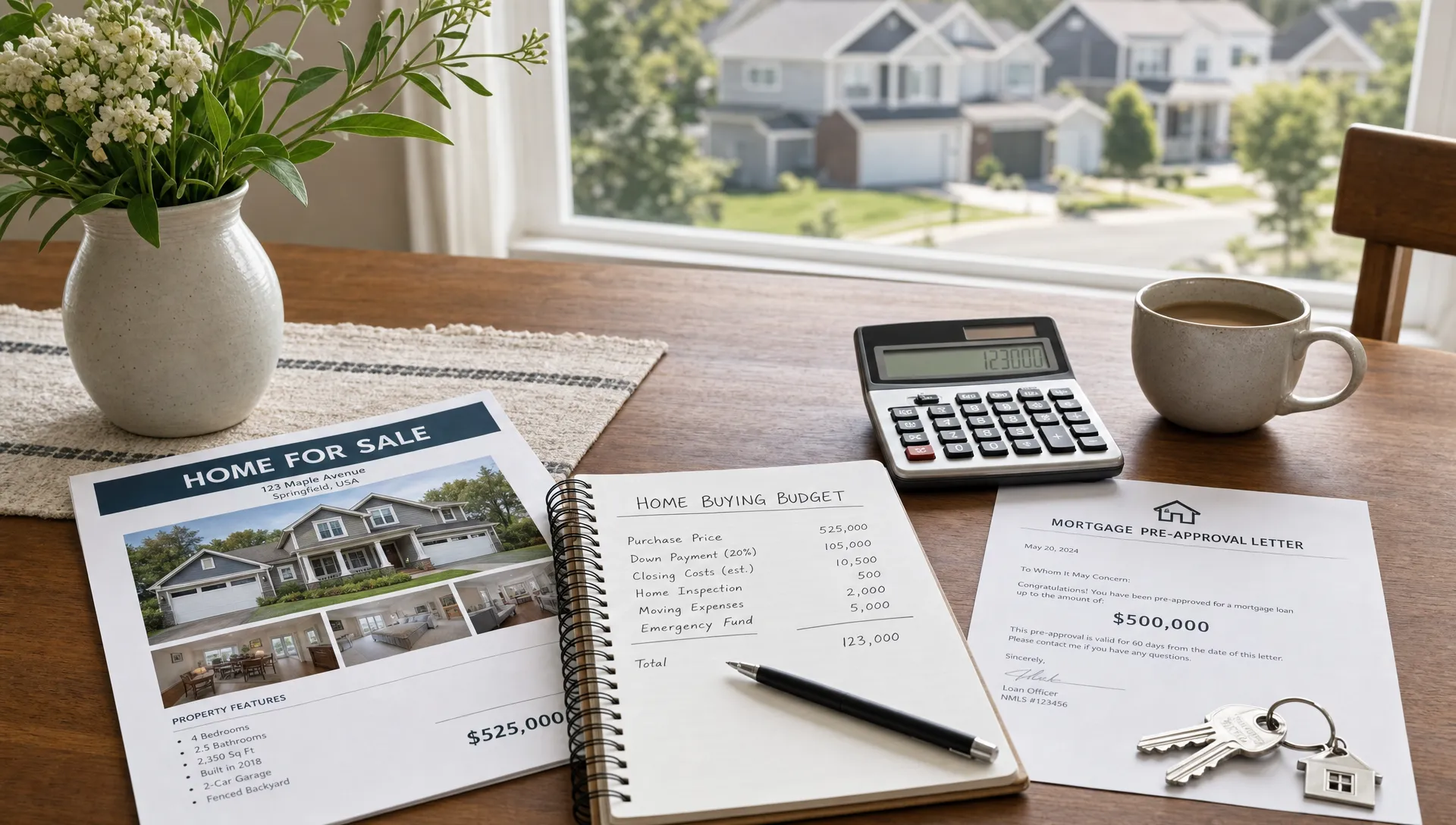
Your recurring housing budget should include principal and interest, applicable mortgage insurance, property taxes, homeowners insurance, required flood insurance and association or community charges. Include a maintenance allowance rather than treating the maximum approved payment as your spending target.
New Era Lending’s explanation of home loans that match your budget provides a broader framework for weighing payment comfort against cash needed at closing. For manufactured housing, the additional step is reconciling the home contract, land costs and installation expenses into one complete budget.
Compare written quotes using the same assumptions
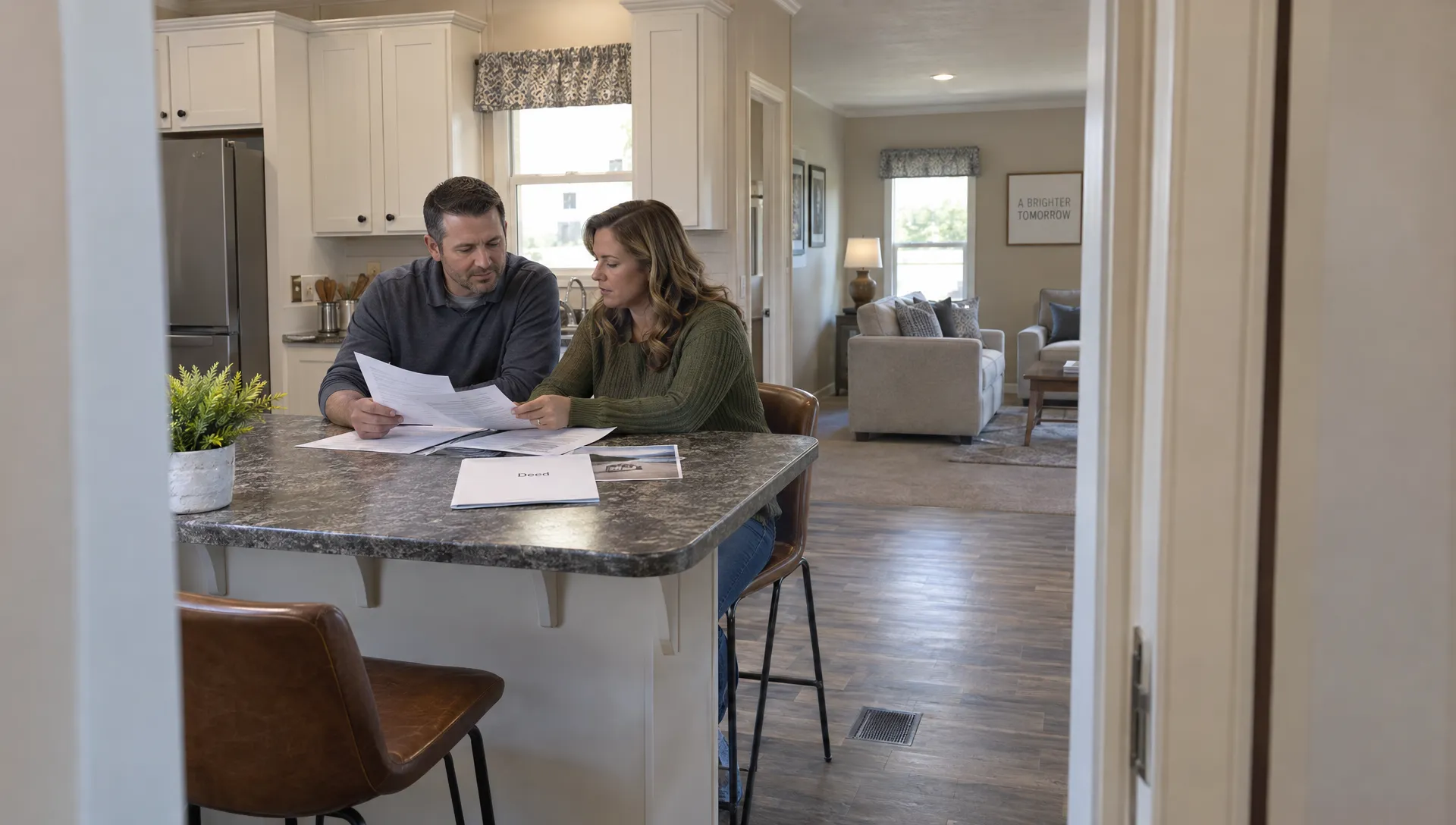
Request competing quotes for the same loan amount, down payment, repayment term and property. Obtain them close together in time, since market rates change. Ask whether each rate is locked, how long the lock lasts and whether installation or title work could outlast it.
For covered mortgages, the lender generally must provide a Loan Estimate within three business days after receiving an application. The CFPB’s Loan Estimate explainer shows where to find the interest rate, projected payment, closing costs and comparison figures.
Use those disclosures to evaluate a smart mortgage rather than comparing rates alone. Review discount points, origination charges, lender credits, mortgage insurance and cash to close. APR incorporates interest and certain financing costs, but it does not represent the complete cost of owning the home.
For example, paying an extra $1,800 upfront to reduce the payment by $30 produces a simple break-even point of 60 months. That calculation ignores the time value of money and other differences, but it helps test whether buying down the rate fits your expected ownership period.
Verify the lender and prepare usable documentation
Check the company and loan officer through NMLS Consumer Access, including whether their licensing or registration is appropriate for your state. Then ask about direct experience with your property type, especially leased lots, single-section homes or title conversions.
A smart mortgage process should uncover property restrictions before you spend heavily on appraisals and inspections. Ask which conditions remain unresolved, who orders specialized reports and whether any paid fees become nonrefundable if the property proves ineligible.
Prepare income records, asset statements, identification and documentation for large deposits or gift funds. Self-employed borrowers should ask which tax returns and business records the lender needs before submitting an incomplete application.
For a buyer with a UAE-based business, UAE corporate tax and accounting support may help organize the underlying business records. The U.S. lender must still determine whether the income and documents meet its requirements, and overseas accounting assistance does not replace U.S. tax advice.
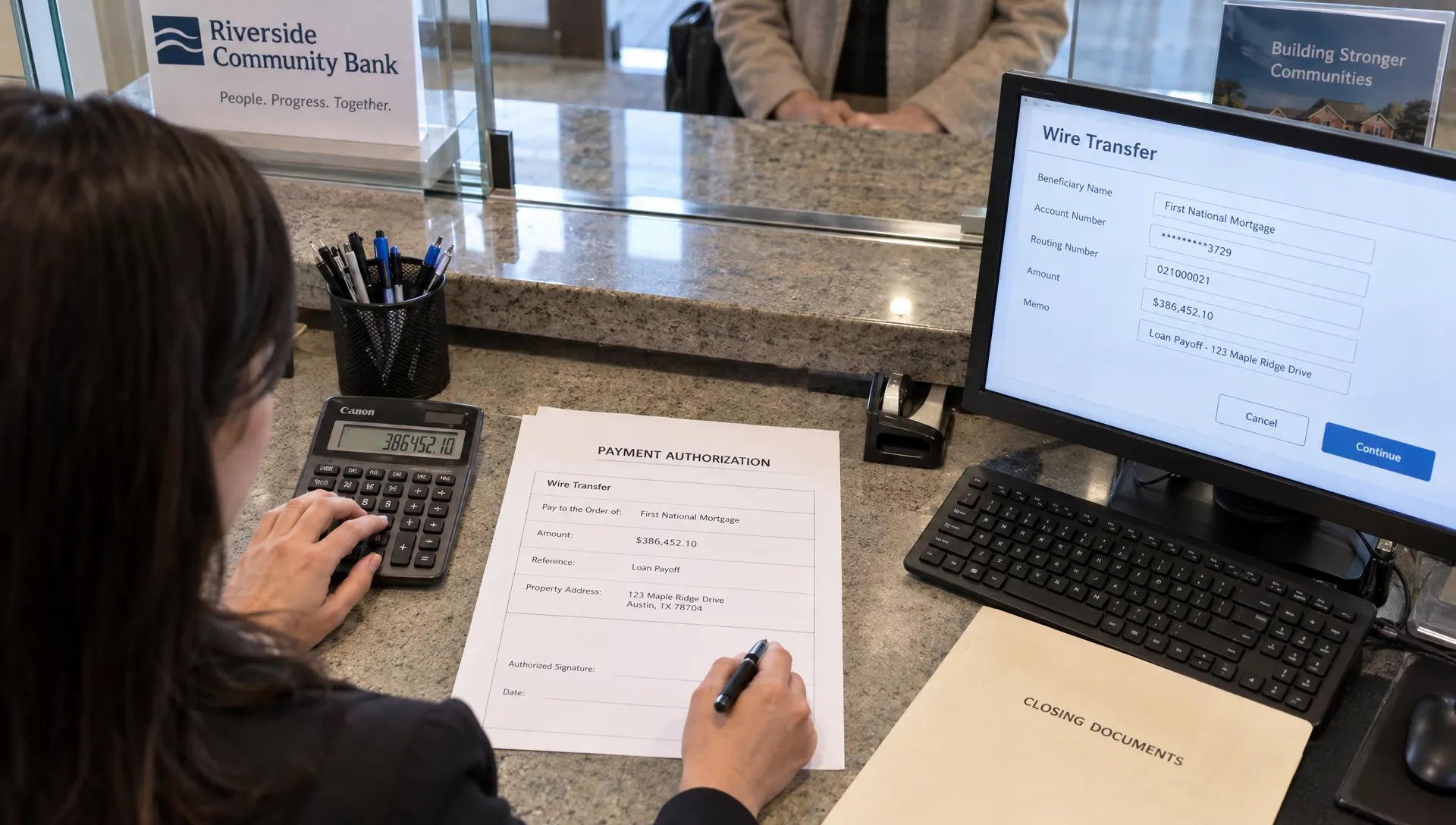
Use the lender’s secure upload process for sensitive documents. Confirm unexpected requests using a verified phone number, especially if someone asks you to change payment instructions or send funds to a new account.
Protect your deposit and closing timeline
Borrower preapproval is not final approval of a manufactured home. The lender may still need an acceptable appraisal, title review, foundation documentation, installation evidence and insurance.
Before signing a nonrefundable purchase or installation agreement, ask a local real-estate professional or attorney about appropriate financing and property-approval contingencies. Identify deadlines for inspections, permit completion, loan approval and the return of any refundable deposit.
A smart mortgage choice also accounts for coordination risk. Ask who is responsible when the retailer, installer, land seller and lender have different schedules. If construction or installation is unfinished, confirm how draws, inspections and final approval will work under the proposed financing.
Avoid opening new credit or financing furniture before closing without consulting the lender. New obligations can change qualification even when the property is otherwise acceptable.
The most useful final check is straightforward: obtain a written list of remaining conditions, the person responsible for each item and the expected completion date. A fast preliminary approval is less useful if essential property questions remain unanswered.
Frequently asked questions
Can I get a mortgage on a manufactured home without owning the land? Sometimes. Certain programs accept qualifying leasehold interests, while other purchases require home-only financing. The lender must review the actual lease and property arrangement before confirming eligibility.
Do manufactured homes always require a large down payment? No. Some eligible properties and borrowers qualify for low-down-payment programs. Available financing depends on the loan program, lender, credit profile and property. Ask separately about closing costs and required reserves.
Does a smart mortgage mean a special government loan? No. It is not a standardized federal loan category. Here, it means financing selected around the home’s eligibility, your budget and the full cost of borrowing, rather than a marketing label.
Can down payment assistance cover a manufactured home? Some assistance programs permit manufactured housing, but restrictions vary. Check home and land eligibility, participating lenders, income limits and whether assistance creates a repayable second lien or becomes due when you sell or refinance.
Is retailer financing necessarily the best option? No. It can be convenient, but compare it with independent offers. Ask whether incentives depend on using a particular lender and compare the combined home price, financing charges and recurring costs.
Start with a property-specific financing review
Before shopping rates, assemble the home’s age, section count, location, land arrangement, title status and available foundation records. Use those details to ask each lender which programs it can actually provide.
Contact New Era Lending to discuss your purchase and confirm whether financing is available for your manufactured-home scenario and state. Its technology-supported process and personalized guidance can help you explore the next steps. Choose a smart mortgage only after the property requirements, complete payment and closing conditions are clear.