







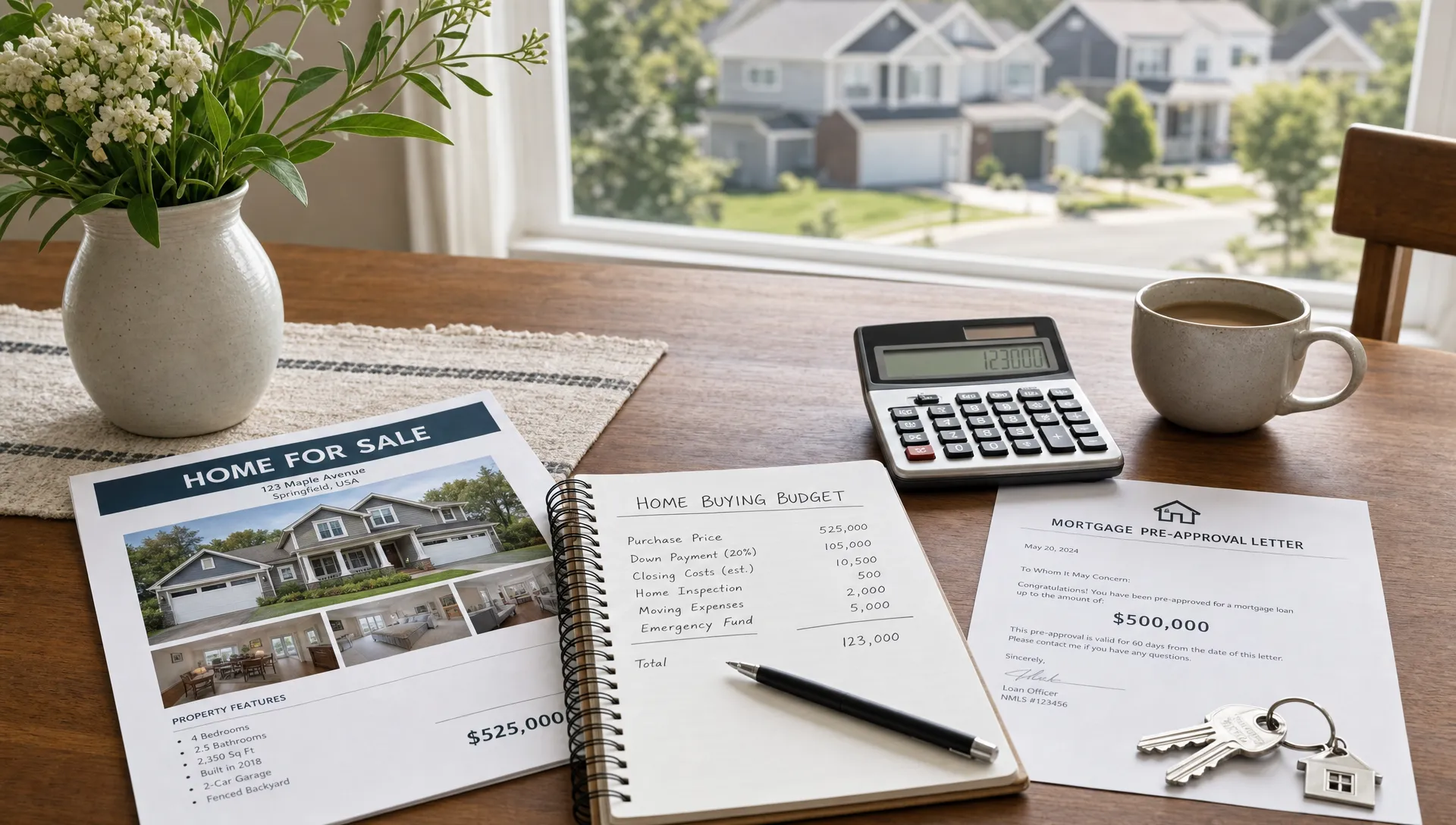

Can Land Equity Cover the Down Payment Required for a Mortgage?
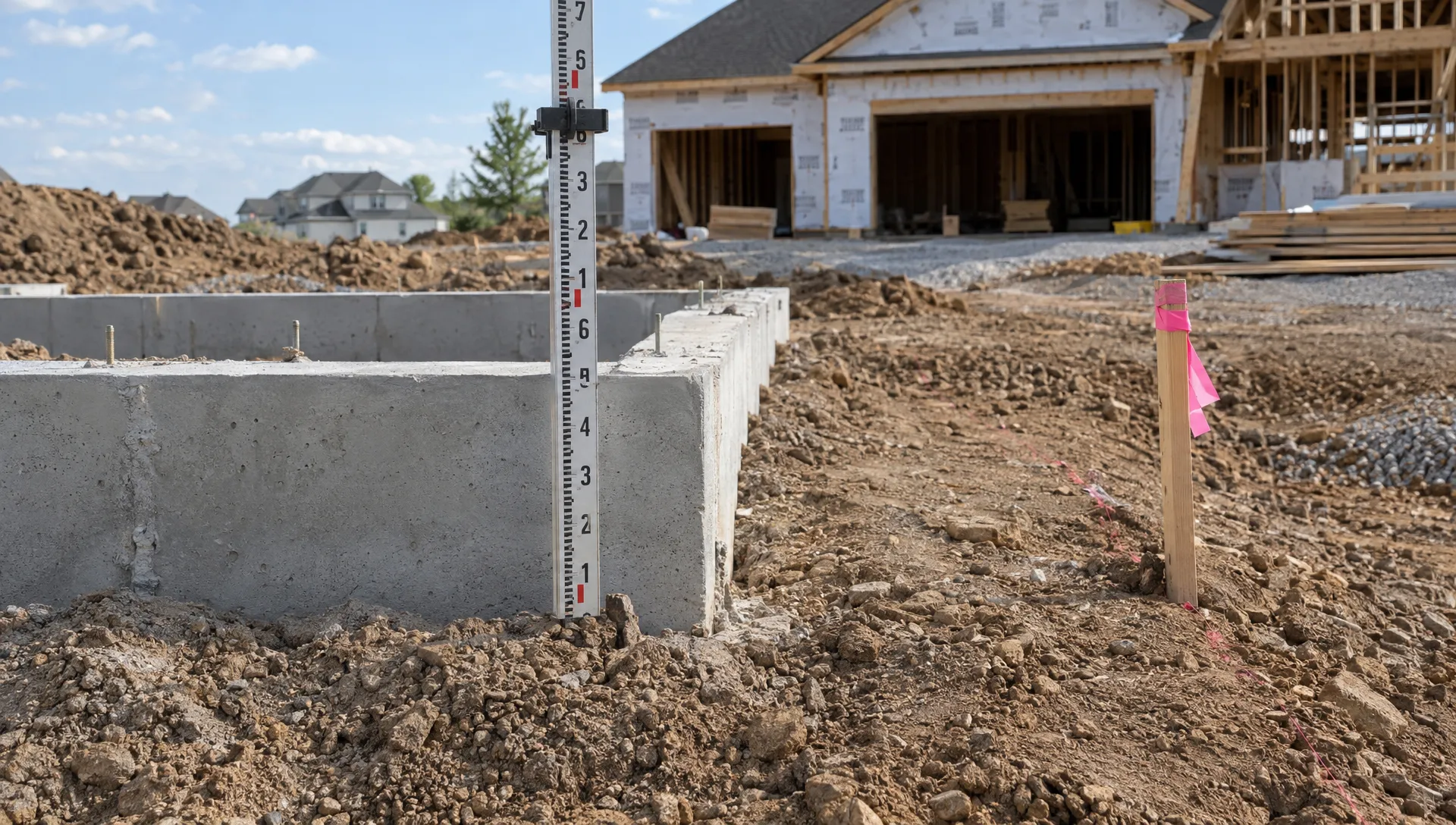
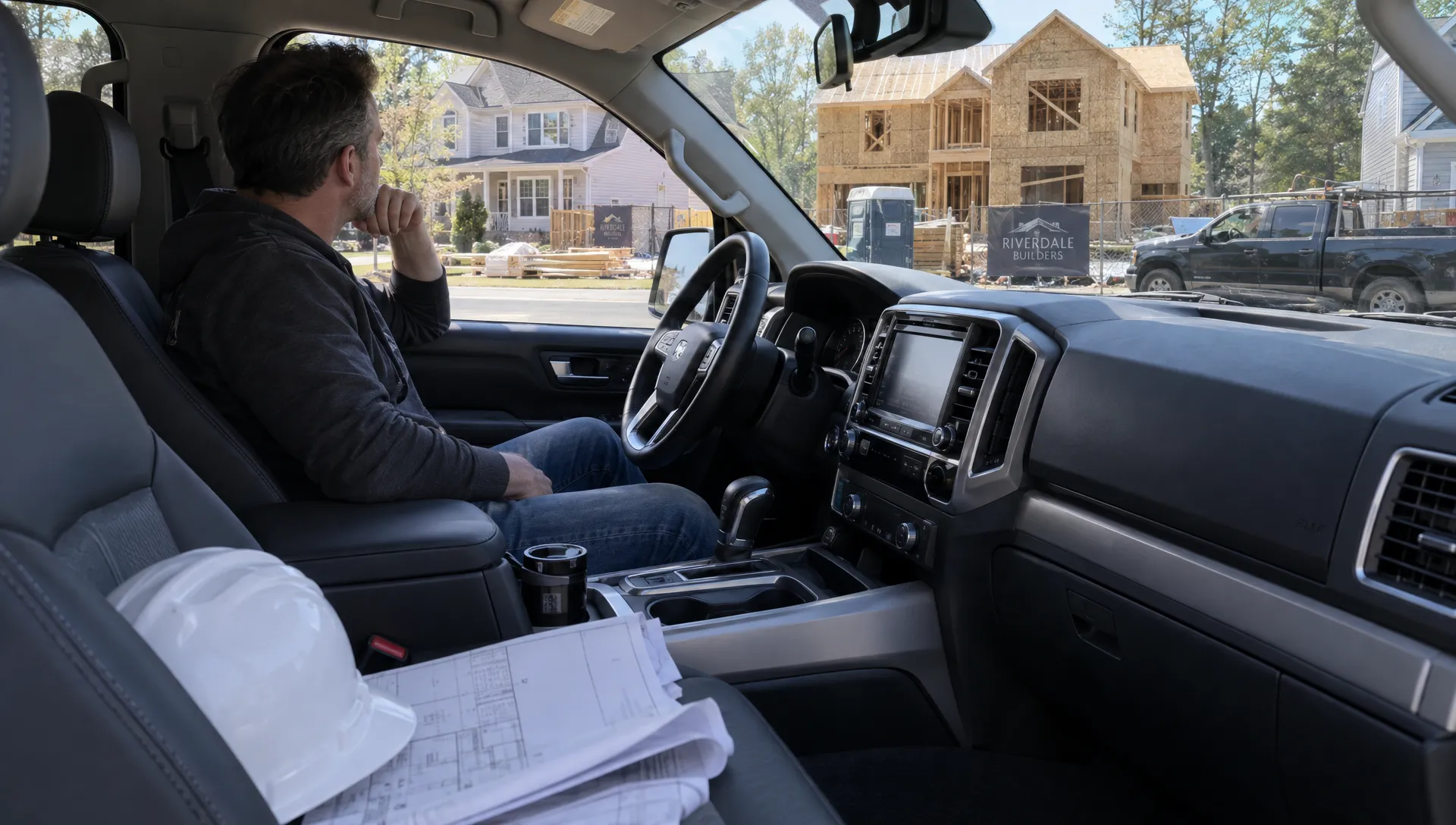
Land equity can sometimes cover the down payment required for mortgage financing, especially when you are building a home on a lot you already own. The lender may recognize your ownership stake in the land as part or all of your required contribution, reducing the cash you need to bring.
But owning land does not automatically eliminate a down payment. The property must fit the loan structure, the lender must accept its value and any existing land debt must be included in the calculation. Here is how to tell whether your lot can help finance your next home.
When land can count as your contribution
Land equity is the value the lender recognizes in your land minus outstanding debt secured by it. A lot valued at $100,000 with a $40,000 land loan has $60,000 in equity, assuming the lender accepts that valuation.
The most common situation is a construction-to-permanent mortgage. This financing covers construction and then becomes the long-term mortgage, either through a single closing or a separate permanent-loan closing. When the land and completed home secure the mortgage together, eligible land equity may substitute for cash investment.
The distinction is whether the land is part of the property being financed:
| Your situation | Can land equity potentially help? |
|---|---|
| Building a primary residence on land you own | Yes, if the construction program accepts the equity |
| Paying off a land loan while financing construction | Yes, but the payoff reduces available equity and loan proceeds |
| Buying an existing house on an unrelated property | Generally not as a direct down payment contribution |
| Selling a separate lot before buying a home | Sale proceeds may provide eligible cash after documentation |
Whether land satisfies the down payment required for mortgage approval depends on the transaction structure, not simply on owning valuable acreage.
How loan-program minimums fit into the picture
Standard purchase-loan minimums provide context, but they do not establish the requirements for a construction loan. A lender may offer a purchase program without offering its construction equivalent.
| Loan type | Common purchase-loan minimum | Important qualification |
|---|---|---|
| Conventional | As low as 3% for eligible programs | Construction financing may require a larger equity contribution |
| FHA | 3.5% with a credit score of at least 580; 10% with scores from 500 to 579 | Lenders may set higher credit standards and construction availability varies |
| VA | No down payment for many eligible borrowers | Entitlement, appraisal and lender requirements still apply |
| USDA guaranteed | No down payment for eligible borrowers | Income, location, property and participating-lender requirements apply |
These are program baselines, not promises of approval. Lender overlays are additional requirements a lender applies beyond a program's minimum rules. They may address credit scores, reserves, construction experience or maximum loan-to-value ratios.
For the broader purchase-loan comparison, see New Era Lending's explanation of how mortgage down payment requirements vary by program.
Land ownership alone does not determine the down payment required for mortgage approval under any of these programs. Ask specifically whether the lender accepts lot equity for your proposed construction transaction. Eligible veterans should also distinguish general VA purchase-loan benefits from a particular lender's willingness to finance new construction.
A land-equity example with and without an existing loan
Suppose a lender accepts a completed property value of $400,000 and allows financing up to 80% of that value. The maximum mortgage would be $320,000.
Assume the lender recognizes the lot at $100,000 and the remaining construction expense is $300,000. These are illustrative figures, not a loan offer, and exclude closing costs, financing charges and contingency requirements.
| Calculation | Land owned free and clear | Land with a $40,000 loan |
|---|---|---|
| Recognized land value | $100,000 | $100,000 |
| Existing land debt | $0 | $40,000 |
| Net land equity | $100,000 | $60,000 |
| Construction expense | $300,000 | $300,000 |
| Financing needed for construction plus land payoff | $300,000 | $340,000 |
| Maximum mortgage in this example | $320,000 | $320,000 |
| Funding gap before other costs | $0 | $20,000 |
With debt-free land, the $300,000 needed for construction represents 75% of the completed value. With the land loan, the combined funding need rises to 85%, exceeding this hypothetical lender's limit.
This shows why the down payment required for mortgage financing cannot be evaluated from the lot's gross value alone. The existing lien must be paid or otherwise handled under an approved structure.
Also, construction expense plus land value does not automatically equal appraised value. If the completed-home appraisal comes in lower than expected, the financing gap could grow.
What the lender must verify before accepting land equity
Appraised value and ownership history
The lender generally needs an appraisal that evaluates the proposed completed home, along with the plans, specifications and relevant land information. A county tax assessment, an online estimate or a nearby listing is not a substitute.
The amount recognized for your lot may depend on its acquisition cost, current appraised value, ownership period and program rules. A recent purchase or transfer may receive different treatment from land you have owned for years. Do not assume that buying a discounted lot immediately creates an equally large usable equity contribution.
For conventional financing, Fannie Mae's single-closing construction-to-permanent guidance illustrates why transaction classification and property valuation matter. Other programs and lenders have their own requirements.
Ask which land value the lender will recognize before calculating the down payment required for mortgage financing. A preliminary estimate based on the wrong valuation can leave you short at closing.
Title, buildability and liens
The lender and title company must confirm ownership and identify mortgages, tax liens or other claims. Shared ownership, inherited property or land held in a trust or business entity may require additional review or changes before closing.
The lot must also support the proposed home. Legal access, zoning, utilities, septic approval, flood exposure and deed restrictions can affect eligibility, construction expense or appraised value.
For example, a lot may have substantial market value but require expensive utility connections. That expense can increase your funding need without increasing the appraised value by the same amount.
Borrower and project approval
Land equity does not replace qualifying income or acceptable credit. The lender still reviews your debt-to-income ratio, employment, assets and ability to repay.
Construction financing also involves the builder, contract, budget, permits and draw schedule. Funds are usually released as work progresses under the loan's inspection and disbursement requirements.
Even when land covers the down payment required for mortgage approval, unresolved title issues or an unacceptable construction budget can prevent the project from moving forward.
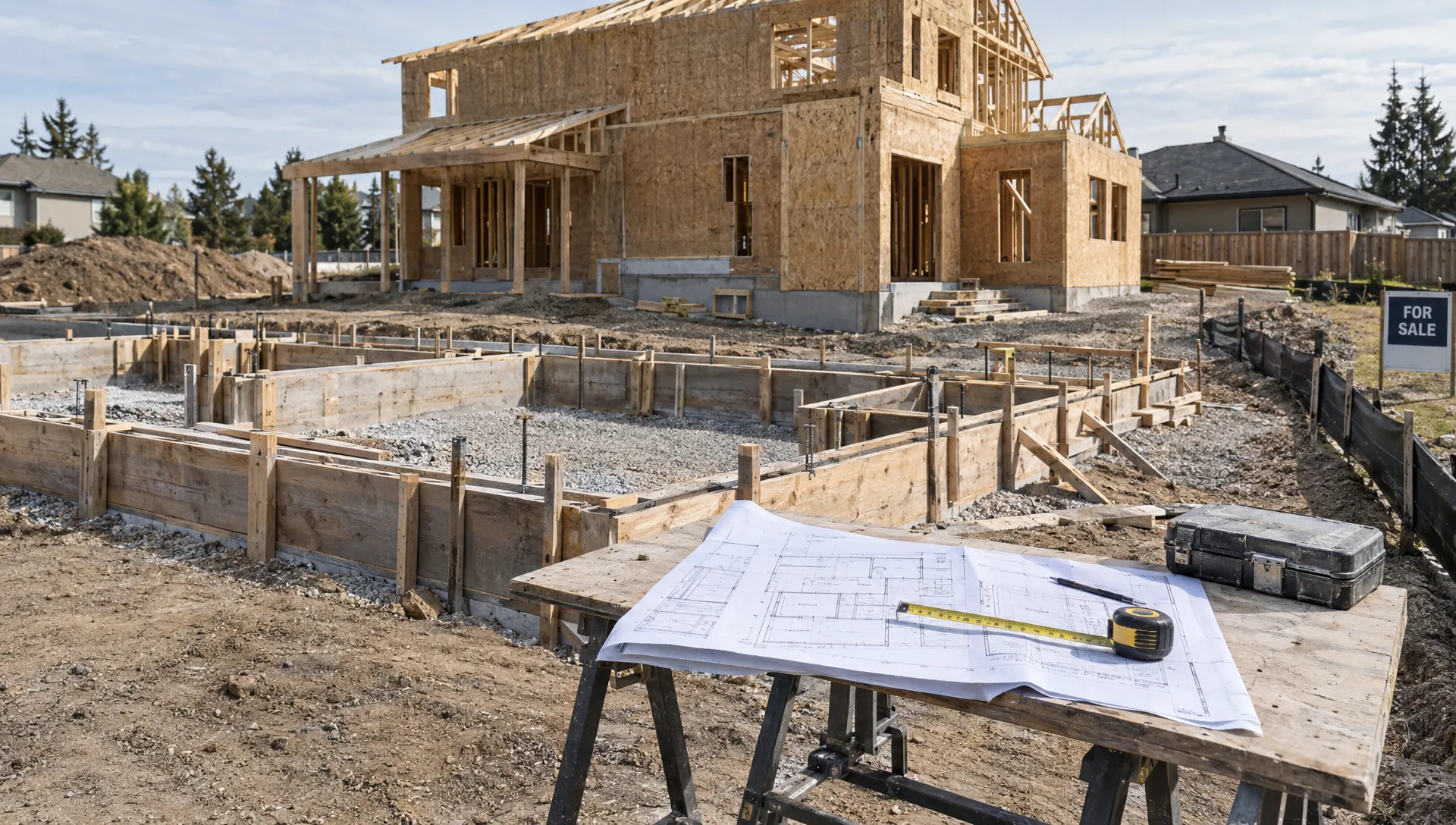
How using land equity affects your mortgage costs
A larger recognized equity contribution can reduce the amount you need to borrow. For conventional financing, it may also help avoid private mortgage insurance when the final loan-to-value ratio and program rules permit it.
That does not mean every loan with substantial land equity avoids insurance or program fees. FHA mortgage insurance, USDA guarantee fees and the VA funding fee follow their respective rules. Some VA borrowers qualify for funding-fee exemptions.
The main financial benefit is often liquidity: using an asset you already own may preserve cash for moving, repairs and unexpected construction expenses. But preserving cash through a larger loan can increase interest expense and monthly payments.
When comparing ways to satisfy the down payment required for mortgage financing, request scenarios showing the loan amount, payment, insurance or guarantee charges and cash needed at closing. New Era Lending's guide to choosing a down payment that protects your savings can help frame that decision.
Budget for closing costs, reserves and construction surprises
Meeting the equity requirement is not the same as having enough money to close and finish the project. Land equity is not cash in a bank account.
Depending on the transaction, you may still need funds for appraisal and inspection fees, title services, lender charges, prepaid insurance, property taxes or interest reserves. Some expenses may be financeable, but only within the program's rules and available loan amount.
The lender may also require liquid reserves after closing or a construction contingency. A project with enough equity can still be financially stretched if every available dollar goes into site preparation.
Gift funds and eligible assistance may reduce the cash needed, subject to documentation and program restrictions. Seller credits can sometimes offset eligible closing costs, but generally cannot replace the borrower's required down payment. Their usefulness is also limited when there is no seller involved in an already-owned-lot transaction.
If cash remains necessary for the down payment required for mortgage financing, ask which funding sources are acceptable before transferring money or taking on debt. A new personal loan or land-secured loan can change your debt-to-income ratio and undermine approval.
Any earnest-money deposit already paid is generally credited in the transaction rather than charged again. Keep its payment trail so the lender can verify the source and application of those funds.
What to prepare before applying
Start with your deed, land purchase closing statement, current loan payoff information and any survey or title documents you have. Add your proposed building plans, builder contract and itemized construction budget when available.
Then work through four decisions with the lender:
- Confirm the loan structure: Determine whether the project fits a single-close or two-close construction-to-permanent loan and how owning the lot affects its classification.
- Establish usable equity: Ask which land value applies, how ownership history affects it and what existing liens must be paid.
- Calculate the complete funding need: Include construction, site work, land payoff, financing expenses and required contingencies without counting any equity twice.
- Compare the cash and payment outcomes: Review the estimated cash to close, post-closing reserves and permanent mortgage payment before committing.
Request a written explanation of any remaining contribution. A statement that you have “enough equity” is less useful than a calculation showing exactly how the lender determined the down payment required for mortgage financing.
For a covered mortgage application, the CFPB's Loan Estimate guide explains how to review estimated closing costs and cash to close. Construction disclosures can involve additional details, so ask how interest during construction and later payment changes are shown.
Frequently asked questions
Can I use land I own outright instead of a cash down payment? Potentially, if you are financing an eligible home on that land and the lender accepts its equity contribution. The recognized value must meet the applicable requirement, and you may still need cash for closing costs, reserves or project expenses.
Can land equity cover the entire down payment required for mortgage financing? Yes, in an eligible transaction with sufficient recognized equity. There is no universal rule that every lender must accept it, and the calculation depends on the appraisal, existing liens and construction-loan requirements.
Can I use vacant land to buy a house somewhere else? Usually not by directly counting the unrelated lot as your down payment. Selling it may produce eligible cash. Borrowing against it requires lender approval and can affect qualification. Specialized additional-collateral arrangements are not standard purchase-mortgage features.
Does gifted or inherited land qualify? It may, but the lender must review ownership, title, transfer documentation and applicable valuation rules. Gifted land can require gift documentation, while inherited land may require estate or probate records. Recent transfers can receive different treatment from long-held property.
Will a paid-off lot guarantee mortgage approval? No. You still need to satisfy borrower underwriting, property standards and construction-program requirements. A valuable lot cannot compensate for every income, credit, title or project issue.
Find out how much of your land equity is usable
Before committing to a builder, get a transaction-specific estimate that separates recognized land value, existing debt, construction expenses and remaining cash needs.
New Era Lending combines technology-driven mortgage tools with personalized human guidance. Share your land ownership details and proposed project to discuss available financing options and whether a suitable program can recognize your equity contribution.