








How to Choose a North Carolina Loan for a Condo Purchase
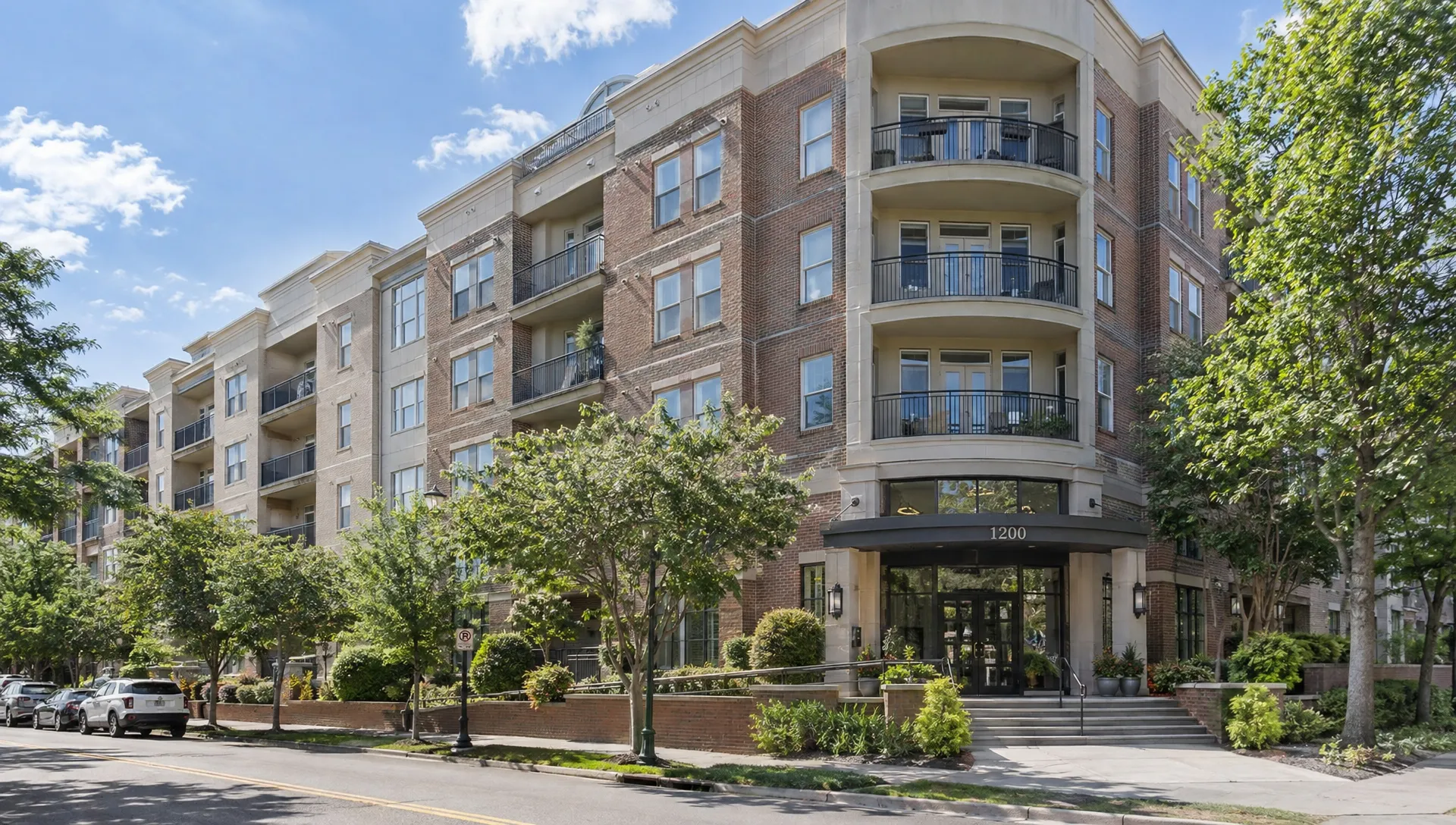
Choosing a North Carolina loan for a condo purchase involves two decisions: finding a mortgage you can afford and confirming that the condominium qualifies for that financing. Strong credit and a comfortable down payment do not automatically make a particular building eligible.
This guide focuses on purchase mortgages, not personal or student loans. The most useful starting point is your intended use of the unit, your available cash and the condo association’s financial condition. From there, you can compare programs and lenders without committing money before you understand the property’s financing risks.
Check the condo before you shop the rate
A condo lender reviews both the borrower and the condominium project. That second review can affect your loan options, required down payment and closing schedule.
Before paying significant nonrefundable costs, give the lender the property address and explain whether you will use it as a primary residence, second home or rental. Ask what project review is required and who will obtain the association’s documents.
The review may address insurance coverage, association finances, deferred maintenance, litigation and other project characteristics. Not every loan requires the same review, but a larger down payment does not automatically resolve a serious building or insurance problem.
Also confirm the legal property type. A home marketed as a townhome might legally be a condominium, which changes the financing review. If the lender identifies restrictions, understanding condo financing limitations and possible loan options can help you decide whether to continue with that property.
Compare North Carolina loan options for your borrower profile
Start with the programs that fit your eligibility and intended occupancy. Then ask whether the specific condo can qualify under each one.
| Loan option | When it may fit | Condo-specific question to ask |
|---|---|---|
| Conventional | Buyers seeking a primary residence, eligible second home or investment property | What project review applies, and does the building meet it? |
| FHA | Eligible buyers seeking a primary residence with a relatively small down payment | Is the project approved, or could the unit qualify through an eligible single-unit approval process? |
| VA | Eligible service members, veterans and certain surviving spouses buying a primary residence | Does the condominium project meet VA approval requirements? |
| Portfolio or other specialized financing | Buyers whose circumstances or properties fall outside standard program rules | Which project issues will the lender accept, and at what cost? |
Some conventional programs allow down payments as low as 3% for eligible borrowers. FHA financing can permit 3.5% down for qualifying borrowers, while eligible VA borrowers with sufficient entitlement may not need a down payment. These are program possibilities, not approvals for every buyer or building.
Compare mortgage insurance, any applicable VA funding fee and lender charges alongside the down payment. Specialized financing is not necessarily a solution for unresolved structural, legal or insurance problems.
Test the full monthly cost, including the HOA
The right North Carolina loan should leave room for the condo’s actual ownership costs, not just the mortgage payment shown in an advertisement.
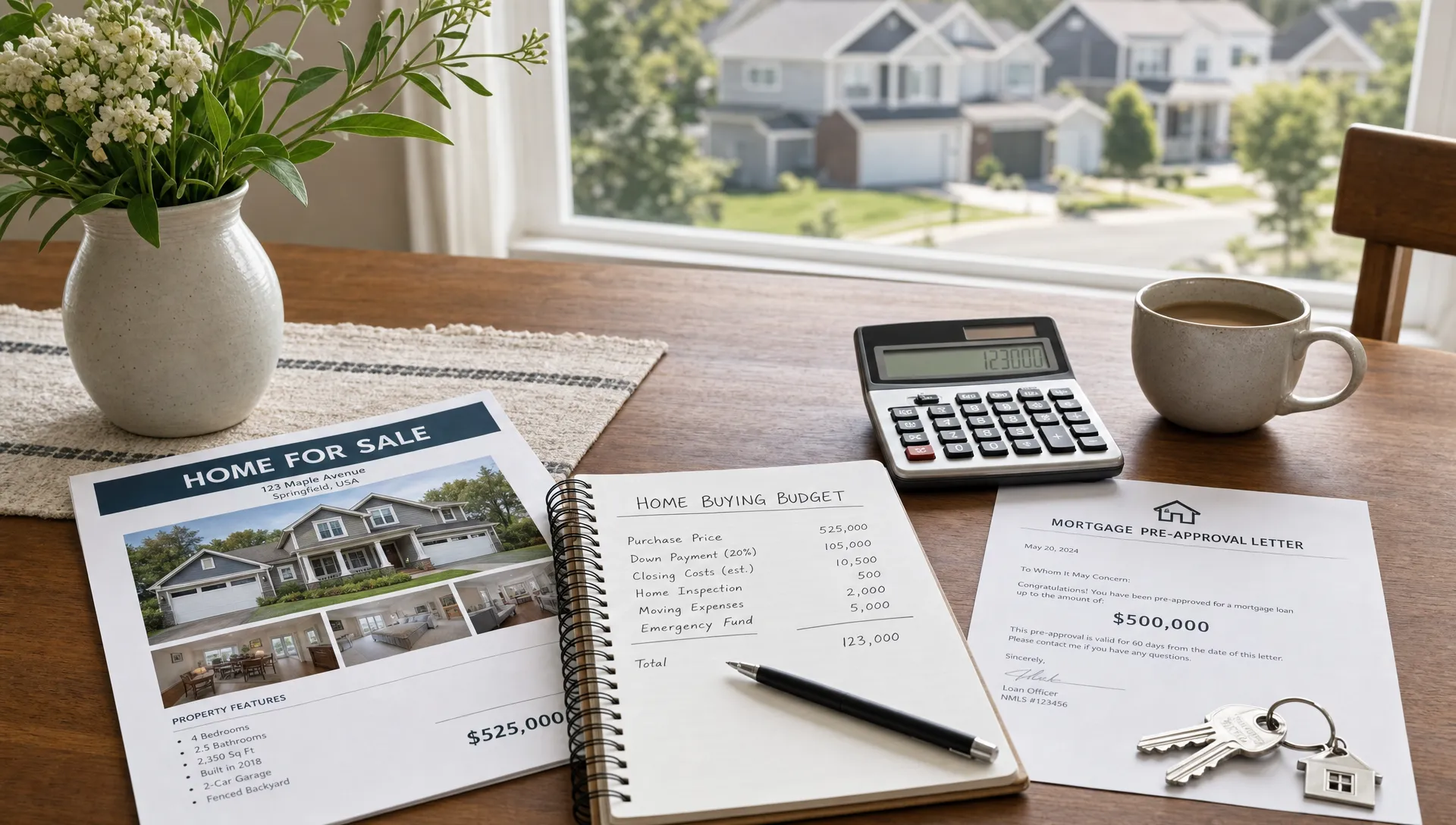
Your working budget should include principal and interest, property taxes, unit-owner insurance, association dues and any mortgage insurance. Add known special assessments separately. Ask what the dues cover so you do not count the same service or insurance expense twice.
For example, consider this fictional monthly budget:
| Expense | Illustrative amount |
|---|---|
| Principal and interest | $1,900 |
| Property taxes | $280 |
| Unit-owner insurance | $85 |
| HOA dues | $360 |
| Mortgage insurance | $70 |
| Temporary special assessment | $125 |
| Total monthly commitment | $2,820 |
These figures are not a rate quote or a local cost estimate. They show why a manageable mortgage payment can become a much larger ownership obligation.
Review the association’s budget, reserves and recent meeting minutes for potential increases or major work. Ask the lender how assessments affect qualification. Separately, decide whether you could absorb higher dues or an unexpected assessment after closing without relying on credit cards.
Compare written offers on identical terms
When comparing a North Carolina loan across lenders, request offers based on the same purchase price, down payment, occupancy, loan term and rate-lock period. Otherwise, the lowest advertised rate may describe a different transaction.
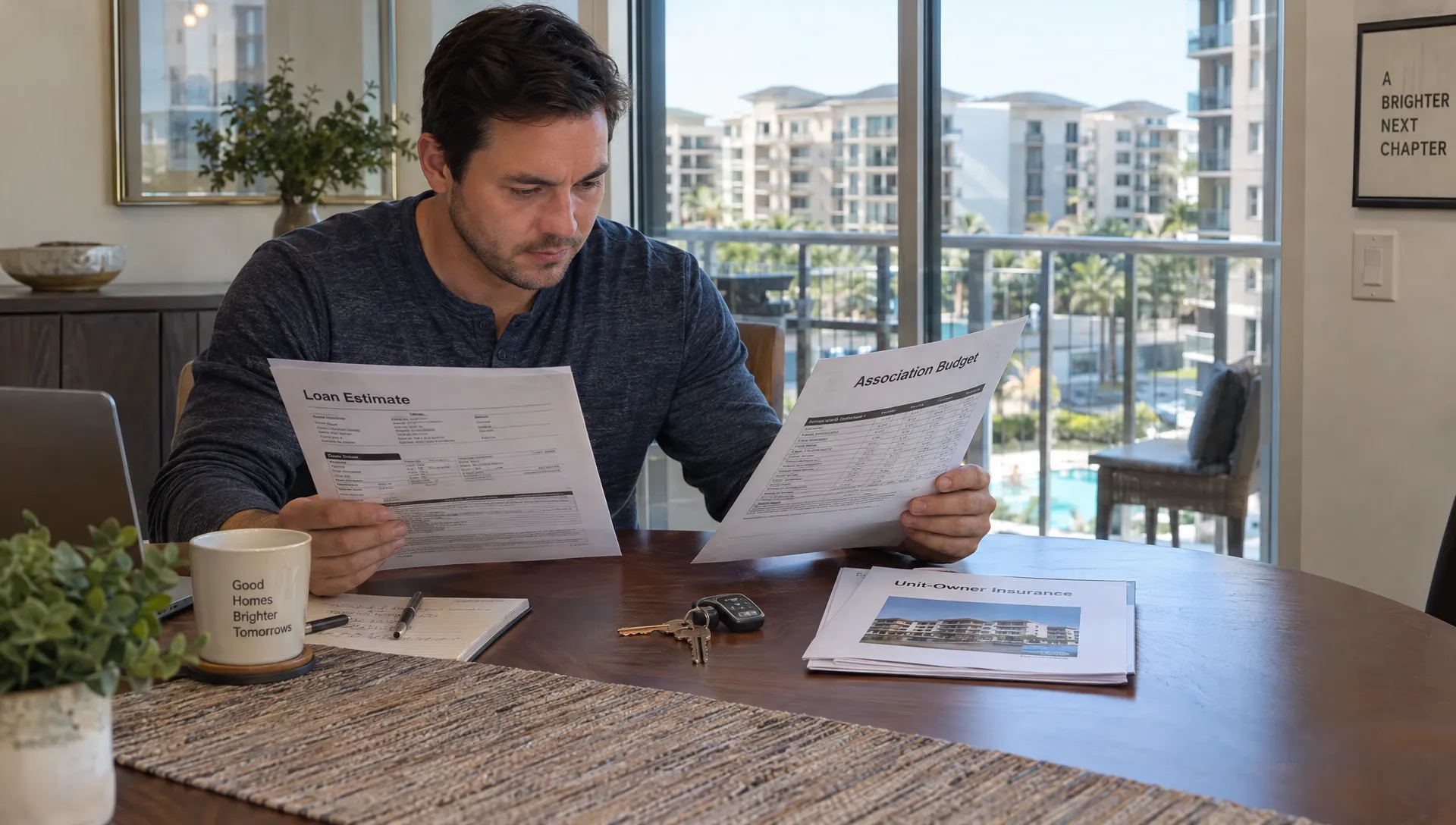
Use the standardized Loan Estimate rather than a payment screenshot. The Consumer Financial Protection Bureau explains how to review a Loan Estimate, including the projected payment and closing costs.
Pay particular attention to discount points, lender credits, origination charges and cash to close. A lender credit can reduce upfront costs but may come with a higher interest rate. Points increase your upfront expense in exchange for a lower rate.
For a simple points comparison, divide the extra upfront cost by the monthly payment savings. Paying $3,000 more to save $50 per month produces a basic break-even period of 60 months. That calculation does not account for every financial difference, but it helps you test whether the trade-off fits your expected ownership period.
Also distinguish fixed-rate loans from adjustable-rate loans. A fixed rate stabilizes principal and interest, not taxes, insurance or HOA dues. For an adjustable rate, review future adjustment limits and payment risk rather than assuming you can refinance before the rate changes.
Check state assistance without assuming free money
Down payment assistance may help an eligible buyer arrange a North Carolina loan, but assistance programs have their own requirements. Do not assume that qualifying for the first mortgage also qualifies you for assistance.
The North Carolina Housing Finance Agency’s home buyer resources provide information about state-supported options and participating lenders. Verify current availability, income limits, purchase-price limits and property requirements directly before building assistance into your budget.
Ask whether the assistance is a grant, forgivable loan or repayable second mortgage. Find out what happens if you sell, refinance, move out or stop using the home as your primary residence. Those events can affect repayment obligations.
For a condo, confirm that both the mortgage program and the assistance program accept the property. Request a written comparison showing cash to close and ongoing costs with and without assistance. Lower upfront cash is useful, but it should not obscure a less favorable overall financing arrangement.
Protect your cash under North Carolina’s contract timeline
Before choosing a North Carolina loan, coordinate the financing review with your real estate contract. In this state, the timing of due diligence can materially affect how much money you risk before the condo review is finished.
Under commonly used North Carolina purchase contracts, a due diligence fee is generally paid to the seller and is typically nonrefundable if the buyer walks away, subject to the contract and legal exceptions. Earnest money is separate, and its treatment depends on the agreement and circumstances. Do not assume either payment is protected simply because financing falls through.
Have your agent and closing attorney explain the actual contract before signing. Then ask the lender when it expects to receive the HOA questionnaire, insurance documents and any engineering or repair information needed for review.
A preapproval letter is not final approval of the condo project. If association documents arrive late, you may have less time to investigate financing problems before a contractual deadline.
Keep down payment funds, closing costs, due diligence money and your post-closing reserve separate in your planning. This guide to North Carolina mortgage costs to budget for explains the broader cash requirements beyond the loan itself.
Choose a lender who can review the project in time
A competitive North Carolina loan offer is useful only if the lender can evaluate your property and communicate problems early enough for you to act.
Ask specific questions rather than relying on a general promise of fast approval:
- Who handles condo review? Identify the person or team responsible and how missing documents will be tracked.
- What could delay this building? Ask about the review route, insurance questions and any known documentation gaps.
- Which costs come first? Find out when appraisal, application or project-review charges become payable and whether any are refundable.
Verify the company and individual loan officer through NMLS Consumer Access, including the licensing or registration relevant to your transaction. A professional-looking website does not replace that check.
Compare responsiveness as well as pricing. A lender should be able to explain which conditions concern your finances, which concern the building and which remain unresolved. Treat estimated completion dates as estimates until the necessary documents have been reviewed.
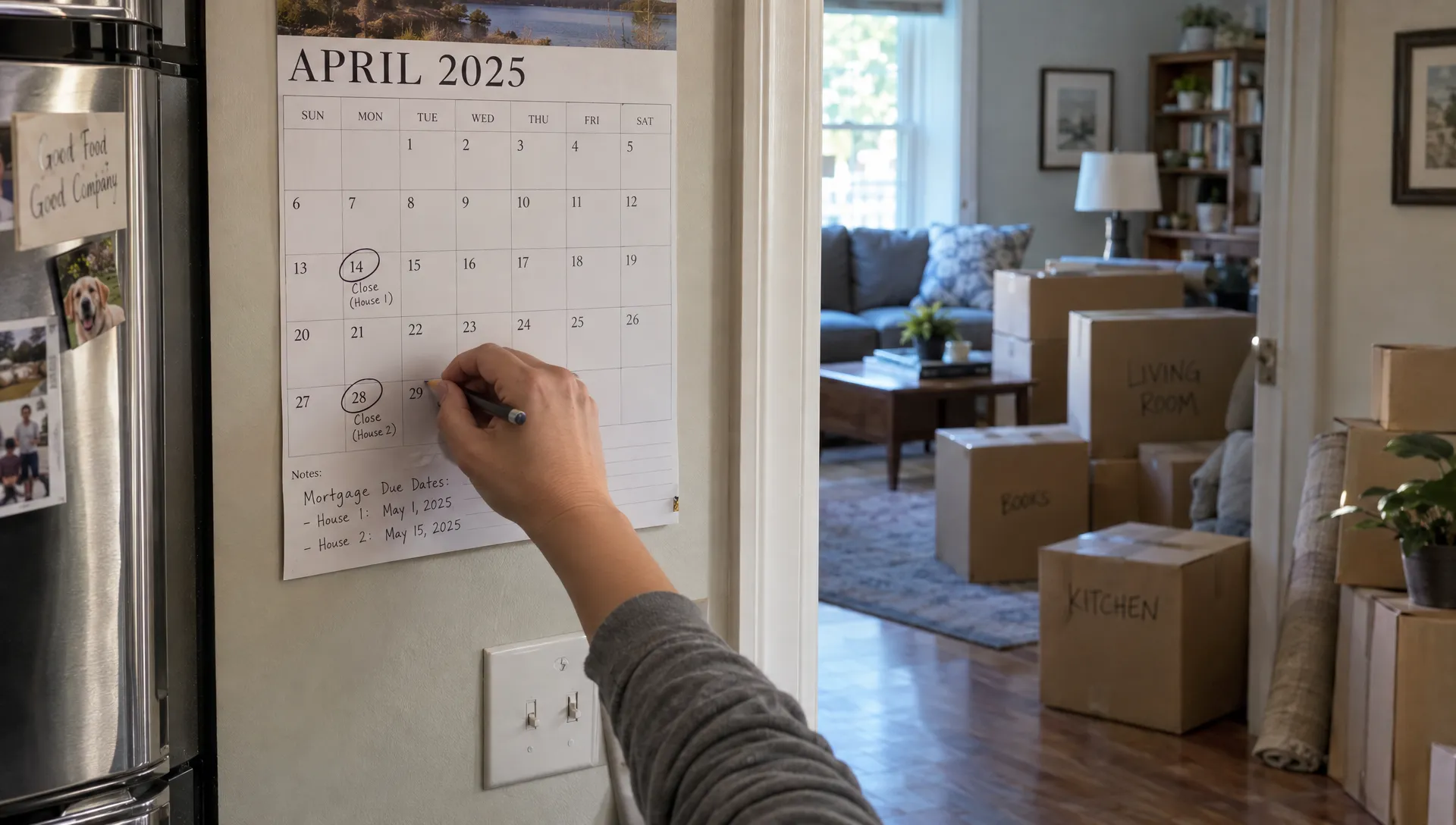
Plan signatures around work or overseas travel
Tell the lender and North Carolina closing attorney early if you expect to be away near closing. Secure uploads and e-signatures do not mean every document can be signed remotely or from another country.
If an already-booked Japan trip overlaps with the purchase, local travel assistance in Japan can help with airport arrivals and navigation while you preserve time for lender and attorney calls. Keep mortgage instructions and signing arrangements with your financing and legal team.
Confirm acceptable identification, notarization arrangements and any power-of-attorney requirements before departure. Verify wiring instructions through a trusted phone number, especially if an email announces a last-minute change.
Use a short decision checklist before committing
Choose a North Carolina loan only after you can explain why it fits both your finances and the specific condo. A useful decision file should answer five questions:
- Property fit: Has the lender identified the required condo review and any unresolved issues?
- Payment fit: Does your budget include dues, insurance, assessments and mortgage insurance where applicable?
- Cash fit: Can you cover closing expenses while keeping an emergency reserve?
- Cost fit: Have you compared written offers using the same assumptions?
- Timeline fit: Can the review reasonably progress before your important contract deadlines?
A slightly lower rate may not compensate for a payment you cannot comfortably sustain or project questions that remain unanswered. Conversely, paying more solely for a promise of speed is not automatically worthwhile. Ask what has actually been reviewed, what remains outstanding and how those conditions affect your next financial commitment.
Frequently asked questions
Does mortgage preapproval mean the condo is approved? No. Preapproval generally evaluates your borrower profile, subject to verification and other conditions. The lender must still complete the applicable property, appraisal and condominium reviews before final approval.
Can I get a North Carolina loan for a condo with a small down payment? Possibly. Certain conventional, FHA and VA options permit low or no down payments for eligible borrowers. Your credit, income, occupancy plans and the condo’s eligibility all affect the available choices. A low down payment does not eliminate closing costs or reserve needs.
Do HOA dues count when qualifying for a mortgage? Lenders generally include required association dues in the housing expense used to evaluate your debt-to-income ratio. Disclose assessments as well and ask how they will be treated. Your personal affordability calculation should include the actual amounts you expect to pay.
Is the lowest interest rate always the best offer? No. Compare points, lender fees, mortgage insurance, lender credits and the rate-lock terms. The best choice depends partly on how long you expect to keep the loan and how much cash you need to preserve.
Should I choose another loan if the building fails review? First identify the reason. A different program might address some eligibility issues, but changing lenders does not fix unsafe conditions, inadequate insurance or financial problems within the association.
Discuss the condo before committing to financing
The most useful next step is a property-specific conversation, not another generic rate search. Bring the condo address, intended occupancy, estimated dues, available down payment and expected closing date.
Discuss your condo purchase with New Era Lending and ask the team to confirm service availability, relevant loan options and the review needed for your property. Its technology-driven process and personalized guidance can help you organize the financing discussion. Before selecting a North Carolina loan, request clear written terms and a list of conditions that still need to be satisfied.