








How Entitlement Restoration Works for a VA Loan
Restoring entitlement for a VA loan lets eligible borrowers reuse a benefit they have already used to buy a home. But paying off the mortgage, selling the property and restoring entitlement are separate events. Which steps you need depends on whether you still own the home, whether another veteran assumes the loan and whether VA suffered a loss on a previous mortgage.
Before planning your next purchase, identify the restoration path that fits your situation and confirm what your Certificate of Eligibility shows.
What VA Entitlement Restoration Actually Changes
Entitlement is the amount of VA guaranty available to support your loan. It is not cash you can withdraw, a borrowing limit by itself or a promise that a lender will approve your application.
When you use a VA-backed mortgage, some entitlement becomes tied to that loan. Restoration releases the applicable entitlement so it can support another eligible transaction. If you have other VA loans or unresolved entitlement charges, restoring one loan's entitlement may not return you to full entitlement.
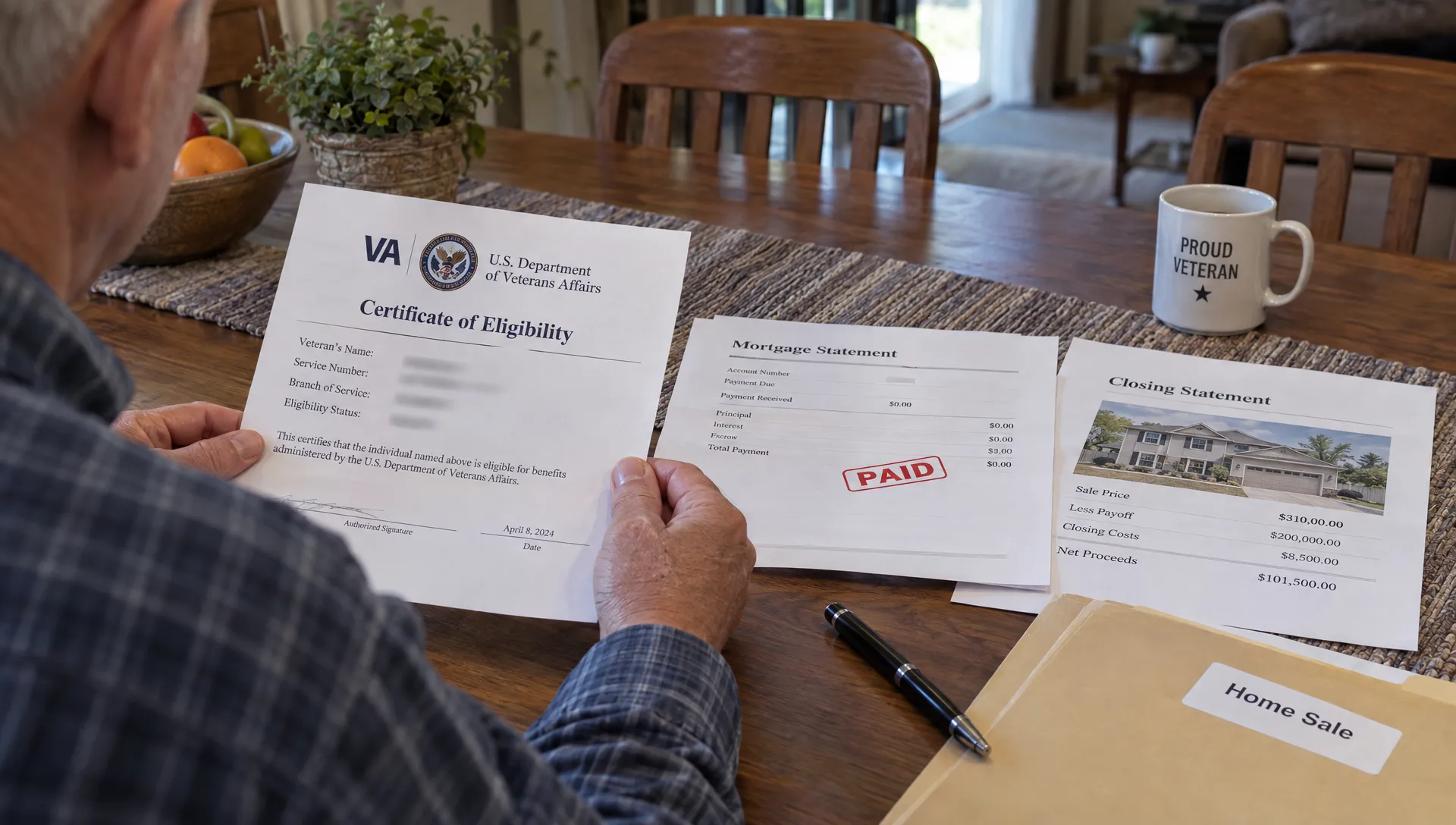
Your Certificate of Eligibility, often called a COE, documents your eligibility and entitlement information. The entitlement charged to a loan generally does not shrink with each monthly principal payment, so your current mortgage balance alone cannot tell you how much entitlement is available.
Three Restoration Paths for a VA Loan
The VA's home loan eligibility guidance identifies three principal situations in which previously used entitlement may be restored.
| Your situation | Potential restoration path | Key condition |
|---|---|---|
| You sold the home and paid off its VA loan | Standard restoration | Document both the sale and full payoff |
| You paid off the VA loan but kept the home | One-time restoration | This exception can generally be used only once |
| Another eligible veteran assumes the loan | Substitution of entitlement | The buyer must substitute sufficient entitlement with approval |
You sold the property and paid off the loan
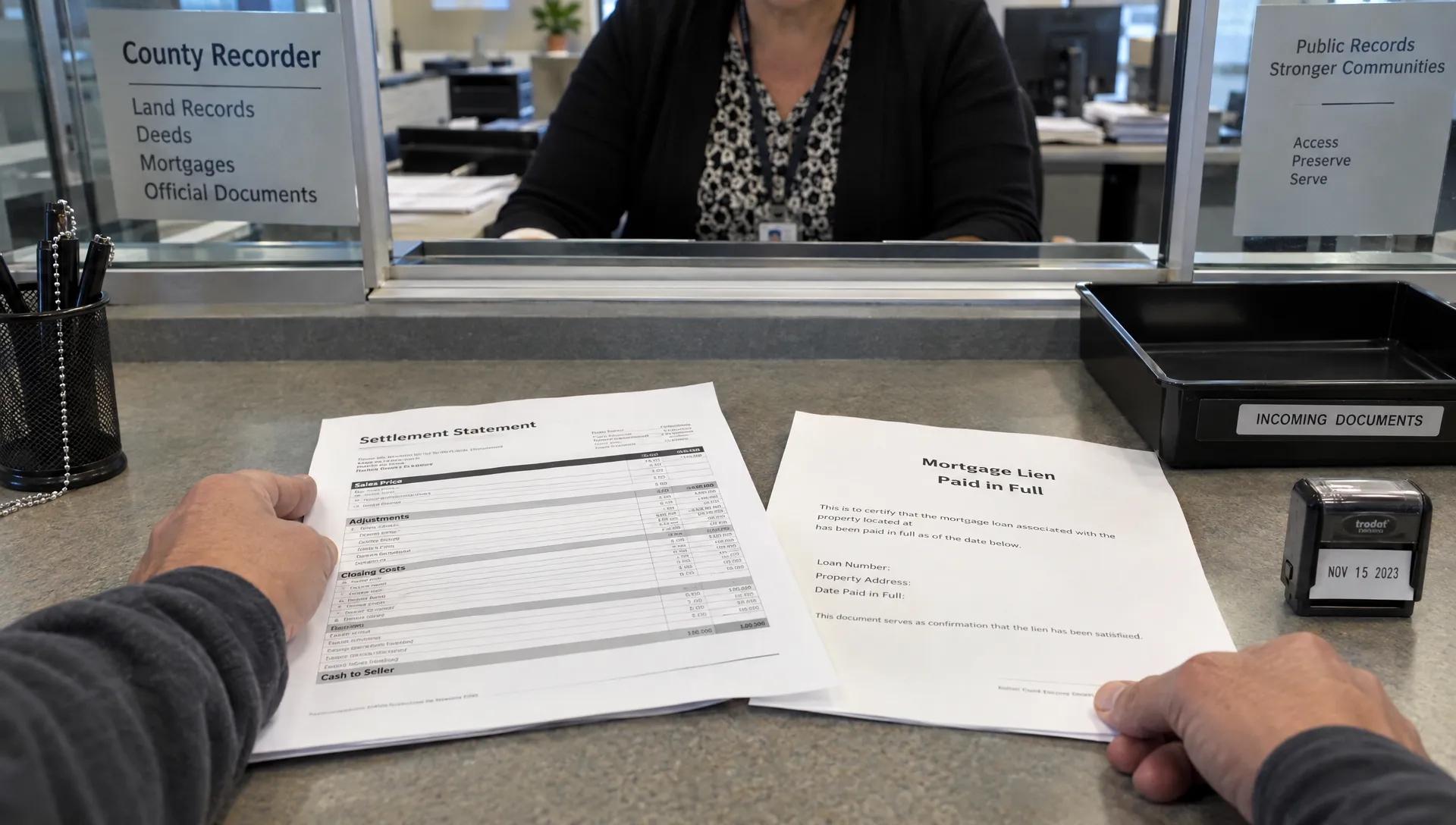
This is the most straightforward route. Once the property is sold and the VA-backed mortgage is paid in full, you can request restoration of the entitlement used for that loan.
Keep the final Closing Disclosure or settlement statement and evidence of the completed payoff. If the sale proceeds were insufficient to pay off the mortgage and VA suffered a loss, the ordinary sale-and-payoff route may not apply.
There is no lifetime limit on using this standard restoration path when the requirements are met. However, do not assume the sale immediately updates your VA record. Have your lender verify the entitlement available for a VA loan before relying on it for your next purchase.
You paid off the loan but kept the property
VA allows a one-time restoration exception when you have paid off the prior VA-backed loan in full but still own the property.
For example, you might pay off the loan with savings or refinance it into a conventional mortgage. The property can remain in your name, but the VA-backed mortgage must actually be paid off. Simply reducing the balance or applying for a refinance is not enough.
Because this exception is generally available only once, using it deserves planning. Ask VA to confirm whether you have already used it and what property-disposal requirements would apply to a later restoration request.
The exception also does not waive occupancy rules for your next purchase. A new VA purchase loan generally must finance a home you intend to occupy, not a property purchased solely as an investment.
An eligible veteran assumes the loan and substitutes entitlement
An assumption transfers responsibility for an existing mortgage to an approved buyer. An assumption alone does not necessarily restore the seller's entitlement.
To free the seller's entitlement through this route, an eligible veteran buyer must substitute sufficient entitlement for the entitlement tied to the loan. The transaction requires the applicable lender and VA approvals.
A release of liability is different: it addresses your responsibility for the mortgage debt. Substitution addresses whose entitlement supports the guaranty. When arranging an assumption for a VA loan, get confirmation of both rather than treating one approval as proof of the other.
An approved buyer who does not substitute entitlement may leave your benefit tied to the loan, even after you no longer own the home.
Can You Buy Again Without Restoring Everything?
Possibly. Remaining entitlement and restored entitlement are different resources. You may still have unused entitlement while an earlier VA loan remains active.
With full entitlement, VA does not impose a county-based loan limit on its guaranty for an otherwise eligible no-down-payment loan. Your lender still determines how much you can borrow based on income, credit, debts and the property's value.
With partial entitlement, the applicable county conforming loan limit and entitlement already charged become part of the calculation. That can create a down payment requirement on the next purchase.
For a simplified illustration, suppose a lender confirms you have $90,000 of remaining guaranty available for a VA loan. At a 25% guaranty calculation, that supports $360,000 without a down payment from the entitlement standpoint. A $400,000 purchase could require $10,000 down to cover the guaranty shortfall, assuming an adequate appraisal and no other limiting factors.
This is an illustration, not a current county limit or approval quote. Your lender must calculate the actual requirement. New Era Lending's explanation of VA loan down payment rules covers how entitlement and appraisal gaps can affect cash needed at closing.
What Happens After Foreclosure, a Short Sale or Bankruptcy?
A past mortgage problem does not automatically mean you can never use VA financing again. However, entitlement restoration and credit qualification must be reviewed separately.
If VA paid a claim and suffered a loss on your previous loan, some entitlement may remain unavailable. Paying a lender's settlement amount, completing a short sale or receiving a bankruptcy discharge does not necessarily eliminate that entitlement charge.
Ask VA to identify whether a loss remains, what amount would need to be repaid to restore the affected entitlement and whether you have enough unused entitlement for another purchase without restoring it.
Even if entitlement is available for a VA loan, a lender must still evaluate your credit history and any applicable seasoning requirements following the financial event. Restoration is not a shortcut around underwriting, and lender requirements can differ.
How to Request Restoration and Verify the Result
Start before you depend on a particular closing date. A missing payoff record or an unresolved assumption can affect both your financing options and your required down payment.
Review your current COE
Ask your lender to review your COE for prior loan charges, available entitlement and any conditions that need clarification. If something appears outdated, identify the specific loan and property involved rather than assuming the entire record is wrong.
Your lender can help determine the appropriate request process. You can also use VA Form 26-1880, Request for a Certificate of Eligibility, following the current submission instructions.
Gather documents for your restoration path
The records needed depend on the transaction. A useful starting checklist includes:
- Prior loan details: The property address, loan number and any available VA loan identification information.
- Payoff evidence: A paid-in-full statement or other documentation showing the old mortgage was satisfied.
- Sale records: The final Closing Disclosure or settlement statement when you sold the property.
- Assumption records: Approval documents, release-of-liability information and confirmation of entitlement substitution, when applicable.
- Eligibility records: Service documentation or other information VA requests to establish or update your COE.
VA or your lender may request additional records. Avoid sending sensitive documents through unsecured email when a secure upload option is available.
Confirm the updated entitlement before committing
After the request is processed, have the lender verify the entitlement available for a VA loan and recalculate any down payment requirement. An application submission or old payoff receipt is not the same as confirmation that the restoration has been recognized.
If you are selling one home and buying another close together, tell the lender early. Ask what evidence is required and whether the proposed closing sequence is workable. Do not build your contract around an assumed restoration turnaround time.
What Restoration Does Not Change About Your Next Mortgage
Restored entitlement can make another purchase possible, but it does not erase the other requirements or costs of borrowing.
You still need financial and property approval
Your lender reviews income, credit, debts and residual income. VA program requirements and a lender's own underwriting standards are not always identical, so available entitlement does not guarantee approval.
The new property also needs to satisfy applicable appraisal and property requirements. If its appraised value is below the purchase price, restored entitlement does not cover that difference. You may need to renegotiate, bring additional cash or consider other options under your contract.
For the broader approval picture, review New Era Lending's guide to qualifying for a VA loan.
Repeat-use costs can still apply
Restoration does not reset your borrowing history to first use for VA funding-fee purposes. A subsequent-use funding fee may apply unless you qualify for an exemption. The amount depends on factors such as the loan type and down payment.
Check the VA's funding-fee and closing-cost guidance and request a transaction-specific estimate from your lender. Even with no down payment, you may need money for closing costs, prepaid expenses or an appraisal gap.
When budgeting for a VA loan, separate three questions: how much entitlement is available, how much the lender will approve and how much cash you need at closing.
Leave room for paperwork and personal support
Coordinating a sale, payoff and purchase can be stressful. Keep document requests and deadlines in one place, and raise timing problems before they become closing problems.
If that strain raises concerns about your physical or mental health, free health screening quizzes can offer an initial indication of whether to seek professional advice. They are not diagnoses and are not part of VA entitlement restoration or mortgage approval.
Frequently Asked Questions
Is entitlement restored automatically when I pay off my mortgage? Do not assume so. VA must recognize the qualifying restoration circumstances. If you still own the property, the one-time exception may be needed. Ask your lender to verify the updated COE rather than relying only on the payoff confirmation.
How many times can I restore my entitlement? Standard restoration after a qualifying sale and full payoff can be used repeatedly. The exception allowing restoration after payoff while retaining the property is generally available only once. Other entitlement charges or past losses can affect your situation.
Does refinancing restore entitlement? Refinancing into a non-VA mortgage may support the one-time restoration exception if the VA loan is paid in full and you retain the home. Replacing a VA mortgage with another VA-backed mortgage, including an Interest Rate Reduction Refinance Loan, does not simply free the entitlement for unrelated use.
Can I have two VA loans at the same time? In some circumstances, yes. You need sufficient remaining entitlement, must qualify financially and must meet the applicable occupancy rules for the new loan. A down payment may be necessary even if your first purchase required none.
Does restored entitlement guarantee zero down? No. Full entitlement can remove the county-based guaranty limit, but lender approval and property value still matter. An appraisal gap or other transaction requirements can create a need for cash.
Confirm Your Restoration Path Before Your Next Offer
Before applying for a VA loan, bring your COE, prior loan information and any sale, payoff or assumption records to your lender. Ask which restoration route applies, whether a one-time restoration has already been used and what entitlement will remain after the review.
New Era Lending combines technology-driven mortgage tools with personalized human guidance. Have the entitlement question reviewed early so your next purchase budget reflects the benefit you can actually use.