









What a Lending Experience Should Include for Remote Buyers
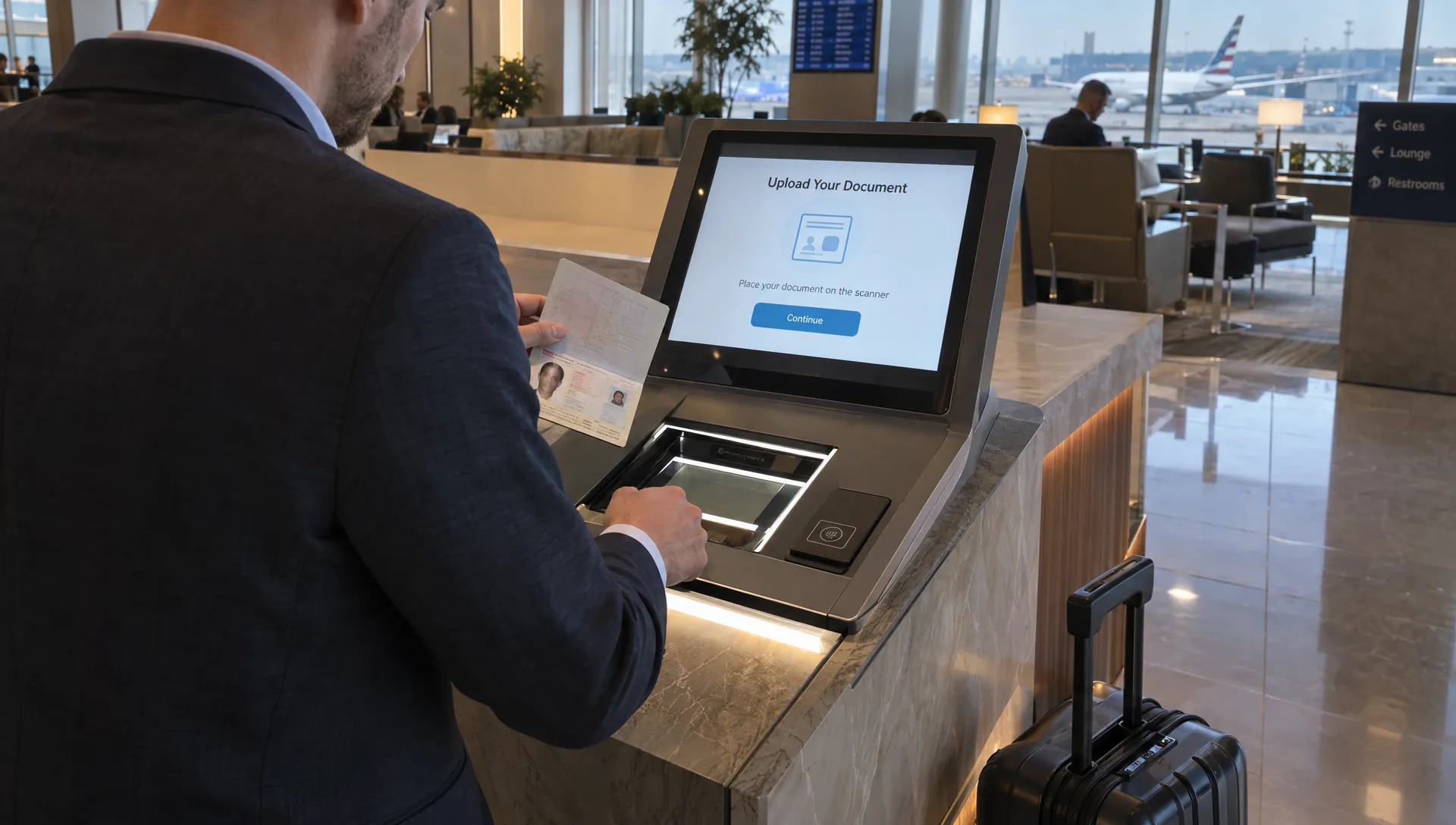
A good lending experience should let you buy a home from another city, state or country without guessing what happens next. An online application helps, but remote buyers also need clear communication, secure document handling and a closing plan that works where they will actually be. A missing signature or an overlooked employment change can disrupt a purchase even when the technology works perfectly.
Before choosing a mortgage lender, look beyond whether you can apply from your phone. Ask how the team handles distance, deadlines and the details that cannot be solved by uploading another document.
Start with the property state and your actual location
Tell prospective lenders where the property is located, where you currently live and where you expect to be when closing documents must be signed. Those can be three different places, and each may affect the process.
Confirm that the lender and loan originator are authorized to handle your transaction in the property’s state. You can check licensing information through NMLS Consumer Access, then ask the lender to clarify anything that is unclear.
Explain whether the home will be your primary residence, a second home or an investment property. If you are relocating, ask how your move-in timing affects the loan’s occupancy requirements. Do not assume a vacation home and a future primary residence are interchangeable for underwriting purposes.
Buyers living abroad should raise that fact immediately. Identity verification, document delivery and notarization may require additional coordination, even when the property itself is in a state the lender serves.
A remote lending experience needs named contacts and deadlines
Remote buyers should know who owns their file, who provides backup coverage and when someone can answer questions in their time zone. A portal notification saying “action required” is not enough if nobody explains the request before a contract deadline.
Ask for a communication plan that identifies your primary contact, expected response windows and the method for urgent issues. Distinguish routine questions from matters that could affect financing or closing, such as a job change, a new debt or an approaching rate-lock expiration.
Status updates should also explain the difference between preapproval, conditional approval and being cleared to close. These are not interchangeable milestones. An approval may still depend on updated income records, an acceptable appraisal or other conditions.
If those stages are unfamiliar, understanding how the mortgage process works helps you ask more precise questions during updates.
Request a shared timeline showing financing contingencies, outstanding conditions and the target closing date. It should identify what you must do, what the lender handles and which steps depend on the appraiser or settlement team. That keeps a missed handoff from becoming a last-minute emergency.
Make income and source-of-funds checks location-aware
For relocating buyers, the lending experience should address whether income will continue after the move, not simply whether recent pay stubs look sufficient. Tell your loan officer about planned employment changes before relying on a preapproval.
Working remotely does not automatically mean your employer permits work from the new location. Ask what confirmation the lender needs about continued employment, compensation and any location-related restrictions. A new position, employment gap or change from salaried work to self-employment can change the documentation required.
The same early review should cover money intended for the down payment and closing costs. Gift funds, proceeds from selling another home, transfers between accounts and unusual deposits may require supporting records. Ask before moving money so you can preserve a clear paper trail.
Even the label “cashback” can need explanation. Rakeback Bible’s overview of poker rakeback and cashback describes gaming-related rewards, not mortgage income standards. If such payments appear on your statements, explain their source and ask whether they can be considered; a reward label does not make a deposit qualifying income.
A useful document request states which record is needed, why it matters and how to submit it securely. That is especially valuable when obtaining replacement records would require international calls or coordination with a former employer.
Compare written costs, not just dashboard rates
A transparent lending experience makes the total borrowing cost understandable before you commit. Remote buyers should receive the same opportunity to discuss fees and tradeoffs as someone sitting across a desk from a loan officer.
Compare Loan Estimates using the same loan amount, loan type and comparable rate-lock assumptions. Review the interest rate, discount points, lender charges, estimated cash to close and projected monthly payment. A lower advertised rate may involve additional upfront costs.
Ask whether the payment includes property taxes, homeowners insurance and mortgage insurance, if applicable. Association dues and other ownership expenses may require separate budgeting. For an out-of-state purchase, use information relevant to the property rather than assuming costs resemble those where you currently live.
The principles behind transparent mortgage rates, fees and payments are particularly useful when comparing offers entirely online.
Get the rate-lock expiration date in writing and ask what happens if closing slips. Clarify whether an extension could cost money and how the lender handles delays involving underwriting, the appraisal or settlement. You need the actual policy for your transaction, not a general promise that the team closes quickly.
Protect documents and payment instructions
A secure lending experience combines protected technology with clear procedures for situations technology cannot resolve. Ask which portal you should use for tax returns, bank statements and identification, and how to confirm that an upload was received.
Use multifactor authentication when available and avoid sending sensitive records through ordinary email when a secure submission method is available. If someone unexpectedly requests documents through a different channel, verify the request using a contact method you already trust.
Wire instructions deserve a separate check. Before sending closing funds, call the settlement company using an independently verified number, not a number supplied in an unexpected email. Confirm the recipient and account details. Treat a last-minute change in payment instructions as a reason to stop and verify, even if the message appears inside a familiar email thread.
Accessible service matters too. Ask for accessible documents, telephone explanations or help with identity verification if a digital tool creates a barrier. Available alternatives should preserve required security checks rather than bypass them.
Credit decisions should follow lawful underwriting criteria, not assumptions about protected characteristics. You should be able to ask how a requirement applies to your application and receive an understandable explanation.

Confirm what a remote closing actually requires
“Digital mortgage” does not necessarily mean you can sign every closing document from anywhere. Application e-signatures, electronic closing documents and remote online notarization are different capabilities.
Ask the lender and settlement agent which documents can be signed electronically, which require notarization and whether any require an original physical signature. Remote notarization availability depends on applicable law, transaction requirements and acceptance by the parties involved. Your physical location at signing can also matter.
If you will be overseas, explain that before the closing appointment is scheduled. Ask whether the proposed signing arrangement is acceptable and whether identification, witnesses or document delivery require advance preparation. A power of attorney also needs advance review; it is not an automatic workaround for being unavailable.
For most purchase mortgages, you must receive the Closing Disclosure at least three business days before consummation, when you become legally obligated on the loan. The Consumer Financial Protection Bureau’s Closing Disclosure guide explains what to review. Receiving it should give you time to compare the final terms with earlier estimates and resolve questions.
Confirm how funding, recording and key delivery are coordinated locally. Signing documents does not always mean you can immediately take possession. A remote lending experience is ready for closing only when everyone understands who signs, where signing happens and how funds arrive.
Use this checklist before choosing a lender
Ask each lender the same practical questions, then compare the specificity of the answers. A confident sales conversation is less useful than a workable plan for your particular location and purchase deadline.
| What to verify | Question to ask | What a useful answer includes |
|---|---|---|
| State eligibility | Can you handle this purchase in the property’s state? | Confirmation for the specific transaction |
| Communication | Who covers my file when my main contact is unavailable? | Named contacts and realistic response windows |
| Relocation income | What evidence shows my income will continue after moving? | Requirements relevant to your employment situation |
| Costs and timing | What happens if my rate lock expires before closing? | Written expiration details and applicable policies |
| Document security | How do I submit records and verify unusual requests? | A secure channel and a verification procedure |
| Closing logistics | Can I sign from my planned location? | Confirmation from the lender and settlement team |
Be cautious about guarantees that ignore underwriting conditions or local closing requirements. A lender does not need to promise that nothing will go wrong. It should explain how issues will be identified, communicated and resolved.
Frequently asked questions
Can I get a mortgage without meeting a loan officer in person? Many lenders support applications, document uploads and conversations remotely. However, a digital lending experience does not guarantee that every closing document can be signed online. Confirm the signing requirements for your property, loan and physical location.
Does moving to another state affect mortgage approval? It can if the move changes your employment, income, debts or intended occupancy. The property’s taxes and insurance costs also affect affordability. Tell your lender about relocation plans early and report changes before closing.
Can I close while I am outside the United States? Sometimes, but do not assume it is available. The lender and settlement team must confirm an acceptable signing and notarization arrangement. Raise your travel plans before making nonrefundable arrangements that depend on a particular closing method.
What should I do if my closing wire instructions change? Stop before sending money. Contact the settlement company through an independently verified telephone number and confirm the instructions directly. If you have already sent funds and suspect fraud, contact your bank immediately to request urgent assistance.
Plan your purchase around where you will actually be
New Era Lending combines smart mortgage tools with personalized human guidance, including secure document uploads and e-signature support. It serves borrowers across 39 states, so confirm availability for the state where you plan to purchase.
When you discuss your home financing needs with New Era Lending, share the property location, your current location, any employment changes and where you expect to sign. Those details help establish a practical plan before you are working against a contract deadline.