








How to Evaluate Lending Options for a Fixer-Upper
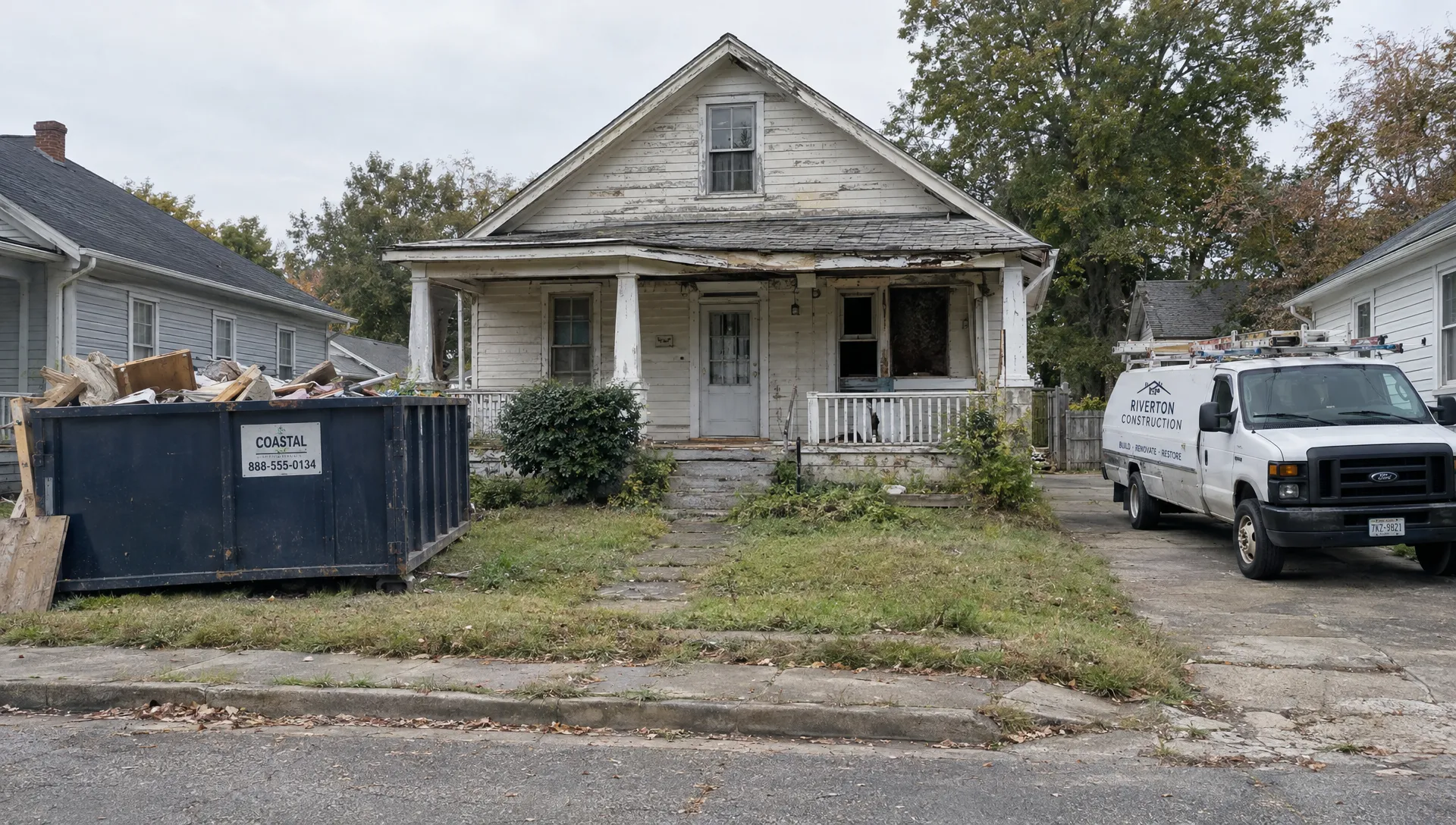
A fixer-upper can be affordable to buy and expensive to make livable. Evaluating lending options means looking beyond the mortgage rate to determine whether the financing covers the property’s condition, the planned repairs and the cash you will need before construction is finished. A low-rate loan will not help if the house cannot qualify for it or the contractor cannot work within its payment rules.
Start with three questions: Can the home qualify in its current condition? Which repairs must happen before you move in? How much cash can you preserve for surprises? Those answers narrow the financing choices before you pay for an appraisal or commit to a closing date.
Start With the Property’s Condition and Your Repair Plan
Separate cosmetic updates from required repairs
Worn cabinets and dated countertops create a different financing problem than a failing roof, unsafe wiring or major foundation damage. A standard purchase mortgage may work for a home that meets the applicable property standards, even if you plan to remodel later. Problems affecting safety, soundness or basic functionality can prevent closing until they are addressed through an acceptable arrangement.
Get a home inspection and obtain specialist evaluations when the findings warrant them. An appraisal serves the lender’s valuation and property-review needs; it does not replace a buyer’s inspection.
Divide the work into required repairs, improvements you need soon and upgrades you could postpone. When comparing lending options, this separation helps you avoid financing every cosmetic preference simply because a contractor included it in the proposal.
Confirm occupancy and completed-value assumptions
Tell lenders whether the property will be your primary residence, a second home or an investment. Eligibility changes with occupancy, and FHA financing generally requires an owner-occupied principal residence.
Renovation mortgages may consider an appraised value based on the proposed completed work. That does not mean every renovation dollar adds a dollar of value or that the lender will finance the entire project. Loan-to-value limits, eligible project costs and program rules still apply.
Ask what happens if the completed-value appraisal comes in below expectations. You may need additional cash, a smaller scope or a different purchase price before the transaction can proceed.
Compare Lending Options for the Purchase and Renovation Together
The central choice is whether to combine the purchase and repairs in one mortgage or finance them separately. The property’s condition often determines which approach is possible.
| Financing route | Potential fit | Main issue to investigate |
|---|---|---|
| Standard purchase mortgage plus cash | A mortgage-eligible home with manageable updates | Whether enough savings remain after closing |
| FHA 203(k) rehabilitation mortgage | An eligible owner-occupied purchase needing repairs | Project eligibility, mortgage insurance and rehabilitation requirements |
| Conventional renovation mortgage | An eligible purchase with improvements financed into the mortgage | Credit, down payment, contractor and appraisal requirements |
| Construction or substantial-rehabilitation financing | Extensive work outside a typical renovation program’s scope | Draw rules, cash requirements and permanent financing arrangements |
| Separate personal loan or credit line | A smaller funding gap with an affordable repayment plan | Payment size, repayment term and effect on mortgage qualification |
| Short-term bridge or private financing | Specialized situations with a credible repayment source | Fees, maturity date and the risk that refinancing is unavailable |
This is a screening tool, not a list of programs every lender offers. Before paying application-related expenses, confirm that a lender can handle your specific property and scope of work.
Understand the renovation program’s boundaries
FHA 203(k) financing has Standard and Limited versions. The Limited program addresses eligible, less extensive work and does not permit major structural rehabilitation. The Standard program can accommodate more substantial eligible rehabilitation and requires a HUD-approved consultant.
Conventional programs have their own rules. For example, Fannie Mae’s HomeStyle Renovation mortgage allows eligible improvements to be financed with a purchase or refinance, subject to its requirements and the lender’s guidelines.
Evaluate these lending options against the actual project rather than choosing a program name first. Ask about structural work, required inspections, permitted contractors, completion deadlines and whether any do-it-yourself work is allowed. Also verify whether the lender has additional requirements beyond the program’s baseline rules.
Treat short-term financing as a separate risk decision
Bridge and private rehabilitation loans can have shorter repayment periods, higher costs or a balloon balance due at maturity. A plan to refinance after repairs is not the same as an approved future mortgage.
Test the exit plan against a lower appraisal, a construction delay and a change in your income. If the loan becomes unaffordable unless everything happens on schedule, the purchase may need a larger cash cushion or a lower price.
Build an All-In Budget Before Comparing Rates
The purchase price and contractor bid are only part of the cost. Among lending options that appear affordable on paper, the better fit is the one that leaves you able to complete the work without exhausting your reserves.
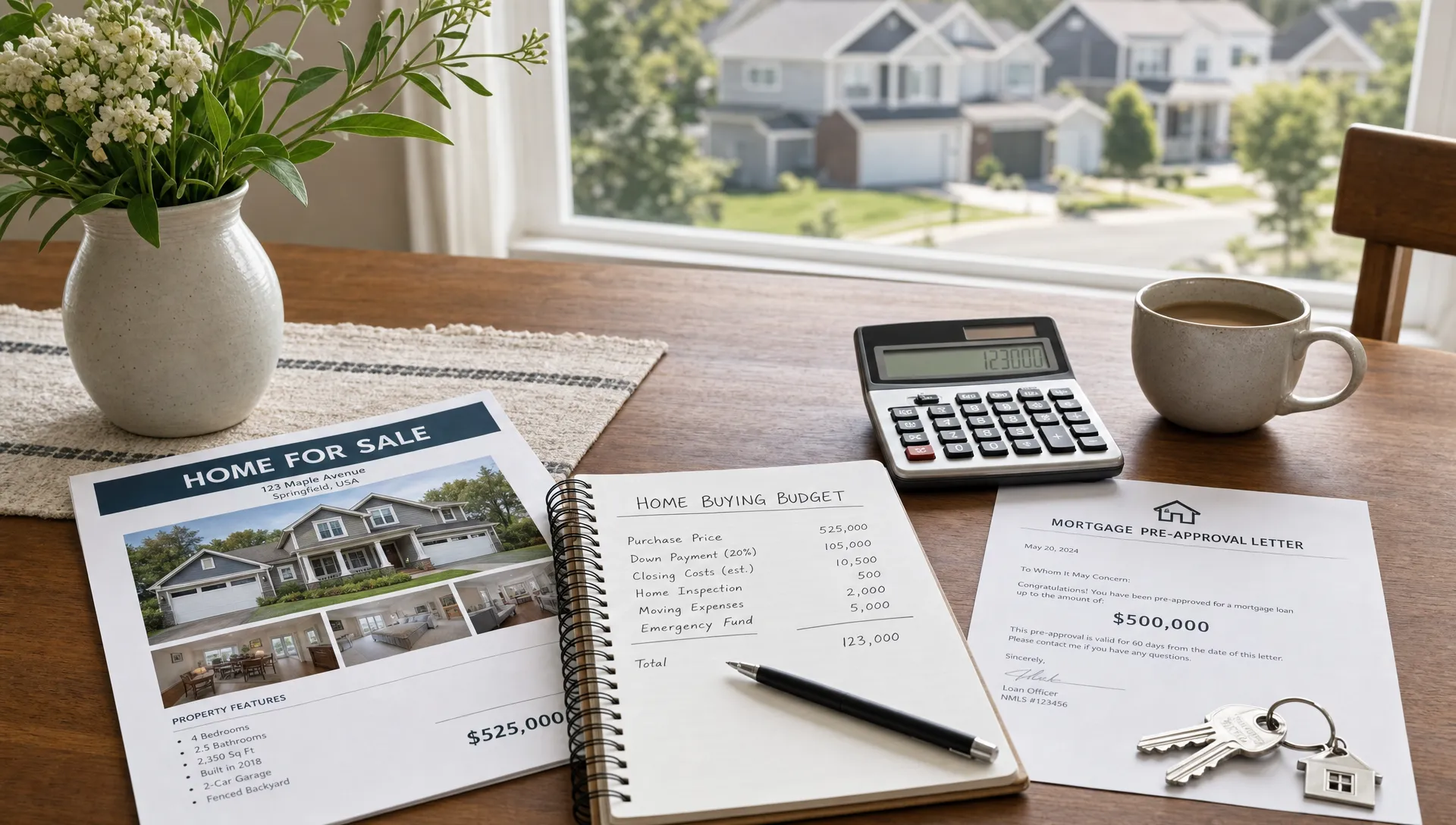
Consider this hypothetical project budget:
| Expense | Illustrative amount |
|---|---|
| Purchase price | $280,000 |
| Planned renovation work | $60,000 |
| Renovation contingency, assumed at 15% | $9,000 |
| Closing costs and project-related fees | $9,000 |
| Temporary housing and moving expenses | $6,000 |
| Total planned spending | $364,000 |
These figures are examples, not lender requirements or a quote. The contingency percentage is a budgeting assumption; a loan program may require a different reserve. Not every expense shown will necessarily be financeable.
Your down payment is part of how you fund the purchase, not an additional purchase expense to count twice. Ask the lender to separate financed costs, cash due at closing and cash needed afterward. Include permits, architectural or engineering work, appraisal charges, consultant fees and draw-inspection costs where applicable.
Protect cash for expenses outside the loan
A contractor deposit, an insurance premium or temporary housing bill may be due before loan proceeds are available for that purpose. Confirm whether deposits are permitted, how they are funded and when reimbursements can occur.
Keep an emergency reserve separate from the project contingency. The contingency addresses renovation surprises; your emergency savings cover ordinary household disruptions such as an income interruption or car repair.
Compare lending options using the household payment you can sustain during construction, including any overlap between rent and mortgage payments. A loan can satisfy a lender’s debt-to-income rules and still leave too little room for your actual living costs.
Compare Written Offers on the Same Assumptions
Request quotes using the same purchase price, repair scope, down payment, occupancy and expected closing date. Otherwise, a lower payment may simply reflect a larger cash contribution, a longer term or omitted costs.
For mortgages covered by the disclosure rules, a lender generally must provide a Loan Estimate within three business days after receiving an application containing the required information. The Consumer Financial Protection Bureau’s Loan Estimate guide explains how to review the form.
Compare the interest rate, annual percentage rate, points, lender charges, mortgage insurance and cash to close. Then request a separate explanation of renovation-related expenses that may be scattered across the disclosures or supporting documents.
APR is useful, but it is not a complete decision rule. It does not tell you whether a contractor can meet the draw requirements or whether you can afford a construction delay. Compare lending options over your likely ownership period as well as their full repayment terms, particularly when one offer requires substantial upfront points.
Check payment changes and credit inquiries
A fixed-rate mortgage provides principal-and-interest stability, but taxes and insurance can still change. A HELOC generally has a variable rate, and its payment structure may change when the draw period ends. Short-term financing may require interest-only payments followed by a large payoff.
Ask each lender to show both the initial payment and any later payment changes. Do not assume refinancing will solve an unaffordable payment.
Before requesting prequalification, ask whether it uses a soft or hard credit inquiry. Formal applications may involve hard inquiries. Mortgage rate-shopping treatment varies by credit-scoring model, so coordinate applications rather than spreading them over many months. Avoid taking out new renovation debt before closing without discussing it with your mortgage lender.

Evaluate the Contractor and Funding Process Before Closing
Renovation financing usually does not put an unrestricted repair budget into your checking account. Funds may be held in a renovation account and released through draws after required reviews or inspections.
The practical difference between lending options often becomes clear here. A contractor who expects a large upfront payment may not be able to work within the lender’s disbursement schedule.
Get written answers to these questions before committing:
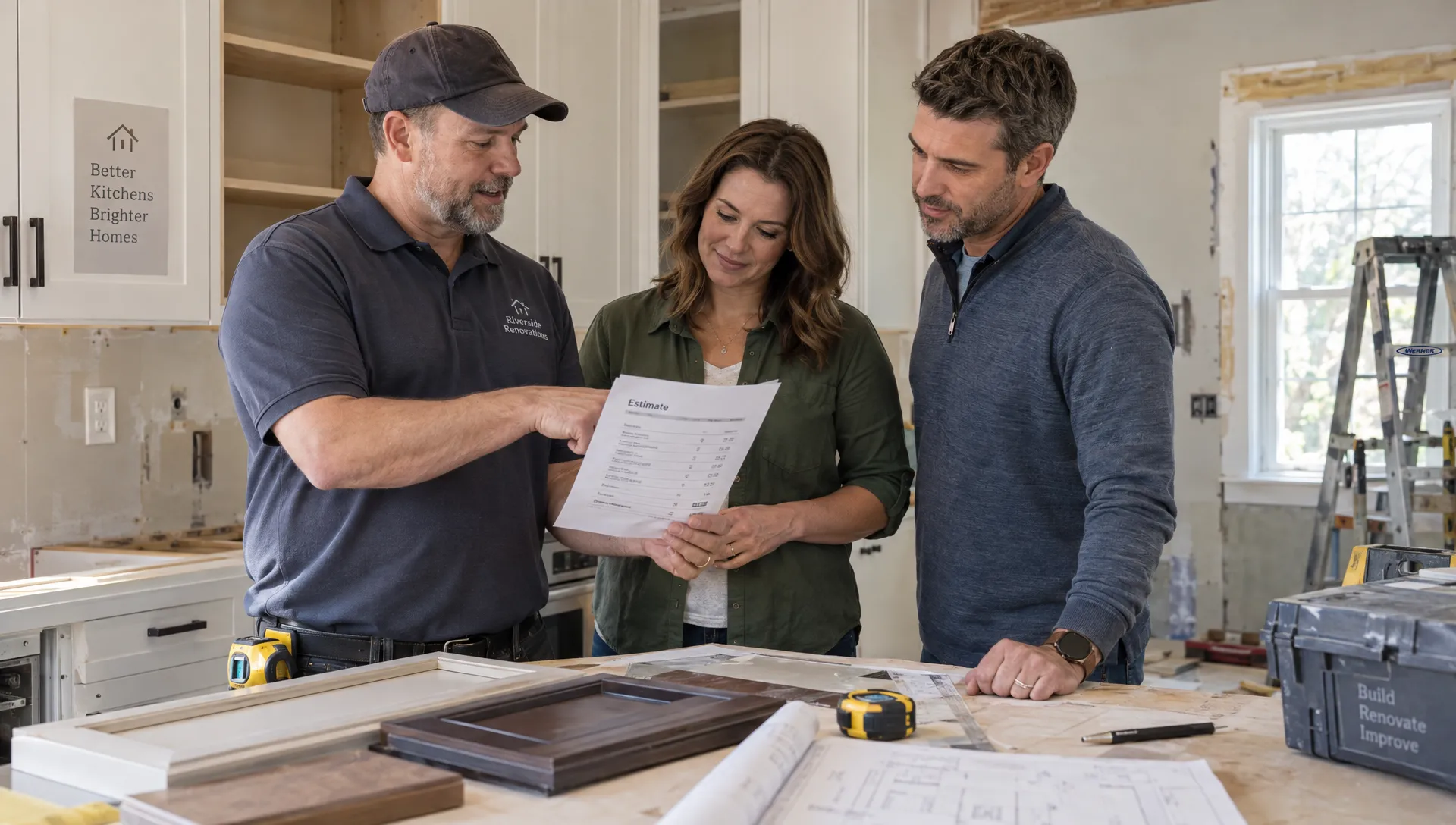
- Contractor approval: What licensing, insurance, experience and financial documentation must the contractor provide?
- Payment timing: What triggers each draw, and how long does processing typically take after all requirements are satisfied?
- Changes and overruns: Who approves change orders, and how are costs above the approved budget paid?
- Deadlines: When must work begin and finish, and what happens if permits or materials cause delays?
- Completion: What inspections, lien waivers and other documents are required before the final payment?
Ask your insurance agent about coverage during renovation, especially if the home will be vacant or undergo extensive work. A standard homeowners policy may not cover every construction-related situation.
Finally, align the purchase contract with the financing process. Contractor bids, property review and renovation underwriting can take time. An ordinary mortgage preapproval does not establish that a particular fixer-upper or renovation plan is approved.
Consider Separate Financing Carefully for Later Upgrades
If the home qualifies for a standard purchase mortgage and the immediate repairs are affordable, postponing optional work may reduce borrowing. Smaller phases also let you live in the house before committing to a layout or major addition.
For an existing homeowner, home equity loans, HELOCs and cash-out refinancing may be relevant. A recent buyer should not assume usable equity will be available immediately. Property value, outstanding debt, seasoning requirements and lender guidelines affect eligibility. New Era Lending’s guide to choosing an equity lending provider for renovations explores that later-stage comparison.
For eligible Florida homeowners considering impact windows or doors, this overview of PACE financing for windows and doors explains a property-assessment approach. Compare it with other lending options carefully: PACE creates a property-related assessment and lien, raises the tax-related payment burden and can complicate a sale or refinance. Delinquency can put the property at risk, and availability and consent requirements vary.
When buying, ask the title company whether an existing PACE assessment affects the property and how it will be handled at closing. Do not assume an assessment will disappear when ownership changes.
Use a Simple Decision Test Before Making an Offer
Choose financing in this order: property eligibility, project feasibility, available cash and then borrowing cost. A slightly lower rate cannot compensate for a loan that will not close on the house or fund essential repairs.
If the home is mortgage-eligible and the updates are optional, compare a standard purchase loan plus staged improvements. If essential repairs prevent ordinary financing, investigate a purchase-and-renovation mortgage before writing an offer around a standard loan. If the property needs extensive reconstruction, confirm that the lender handles that level of work before proceeding.
You can also reduce the financing need by negotiating the purchase price, narrowing the project or investigating local rehabilitation assistance. A lower price or seller credit does not automatically resolve a property-condition problem, and assistance may come with eligibility restrictions and funding delays.
The strongest lending options should pass three tests: the property qualifies, the contractor can perform under the funding rules and your household can absorb a realistic delay or overrun. If none passes, renegotiating or walking away may be safer than forcing the purchase.
Frequently Asked Questions
Can I buy a fixer-upper with a regular mortgage? Yes, if the home meets the applicable property standards and you can fund the planned work separately. Significant safety, structural or habitability issues may require repairs before closing or an eligible renovation-financing arrangement.
Can renovation costs be included in the mortgage? Eligible purchase-and-renovation programs can combine acquisition and approved improvements in one mortgage. The amount available depends on program limits, the appraisal, your qualifications and the lender’s requirements. Not every project expense qualifies.
Which loan is best for a major renovation? There is no universal winner. FHA 203(k), conventional renovation programs and construction financing address different situations. Compare lending options using the scope of work, occupancy, cash requirements and repayment structure rather than rate alone.
Can I do the renovation work myself? Do not assume so. Some programs or lenders restrict self-help work or require qualified contractors. Obtain written approval before relying on your own labor in the project budget or construction schedule.
Discuss the Property Before Committing to Financing
New Era Lending combines smart mortgage tools with personalized human guidance. Share the property details, inspection findings, estimated repairs and available cash when discussing your plans. Connect with New Era Lending to explore available purchase financing and confirm whether a renovation-specific program is offered for your situation and state before committing to a contract timeline.