








What New Mexico Mortgage Closing Costs Should You Budget For?
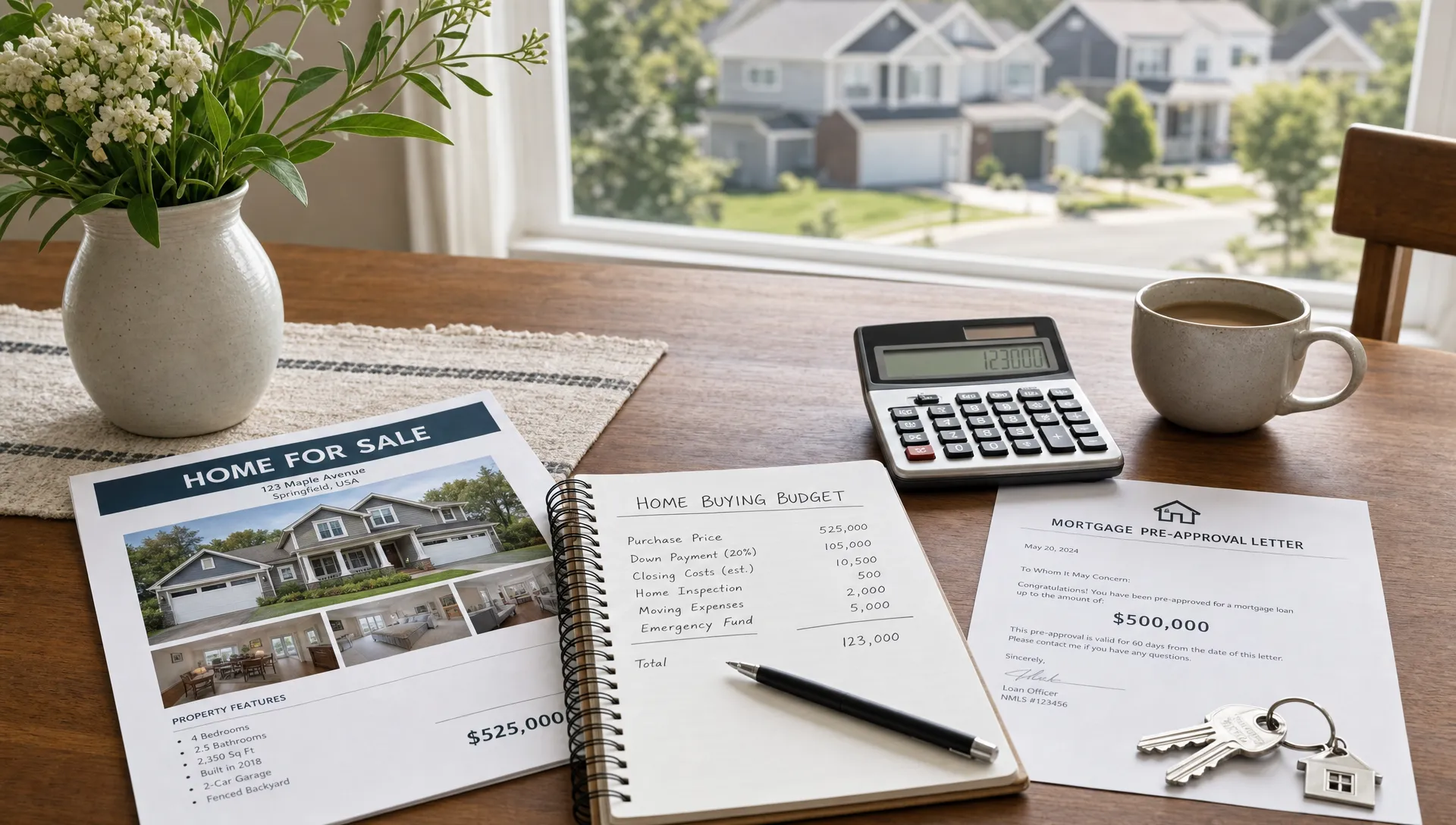
Your down payment is only part of the money you need to buy a home. A New Mexico mortgage also comes with closing costs, prepaid expenses and, often, deposits into an escrow account for future property tax and insurance bills.
For an initial purchase budget, setting aside roughly 2% to 5% of the loan amount for closing costs is a useful starting point, separate from your down payment. Your actual total can fall outside that range depending on the loan program, discount points, insurance premiums and closing date. The goal is to understand both the charges themselves and how much money you must bring to closing without counting anything twice.
Start With Closing Costs, Not Just the Down Payment
Three numbers matter when planning your purchase:
- Down payment: The portion of the purchase price you pay without borrowing through your first mortgage.
- Closing costs: Loan and transaction charges, plus prepaid expenses and initial escrow deposits shown on your disclosures.
- Cash to close: The final amount you need at settlement after accounting for your down payment, closing costs, deposits, credits and other adjustments.
These figures are related, but they are not interchangeable. An earnest money deposit generally counts toward your purchase funds rather than becoming an additional charge on top of them.
Loan type also matters. FHA loans can include upfront mortgage insurance, while VA loans may have a funding fee unless an exemption applies. When financing is permitted and selected for an eligible charge, that amount increases the loan balance rather than being paid entirely in cash at closing.
Which Fees Should You Expect?
Lender charges and discount points
When reviewing a New Mexico mortgage estimate, start with the origination charges. These can include underwriting, processing or an origination fee. Lenders organize their charges differently, so compare the combined amount rather than assuming an offer with fewer line items is cheaper.
Discount points are different from administrative fees. A point equals 1% of the loan amount and generally purchases a lower interest rate. On a $332,500 loan, one point costs $3,325.
Points are not automatically required. Ask for options with and without them, along with the monthly payment difference. Paying more upfront may make sense if you keep the mortgage long enough to recover that cost, but it can strain a limited closing budget.
Appraisal, title and settlement services
An appraisal helps the lender evaluate the property's value. It does not replace a home inspection, which examines the home's condition for the buyer.
Title-related charges can include the title search, lender's title insurance, settlement services and document handling. A lender's title policy protects the lender's interest. An owner's policy protects the buyer's ownership interest, subject to the policy's terms and exclusions.
Ask the title company which charges you are expected to pay under the purchase contract. Whether the buyer or seller pays a particular charge depends on the agreement and applicable requirements, not a universal rule for every transaction.
Some services can be shopped for. Use the lender's written provider list and confirm that any alternative provider meets the loan's requirements before making a selection.
New Mexico recording charges and property tax adjustments
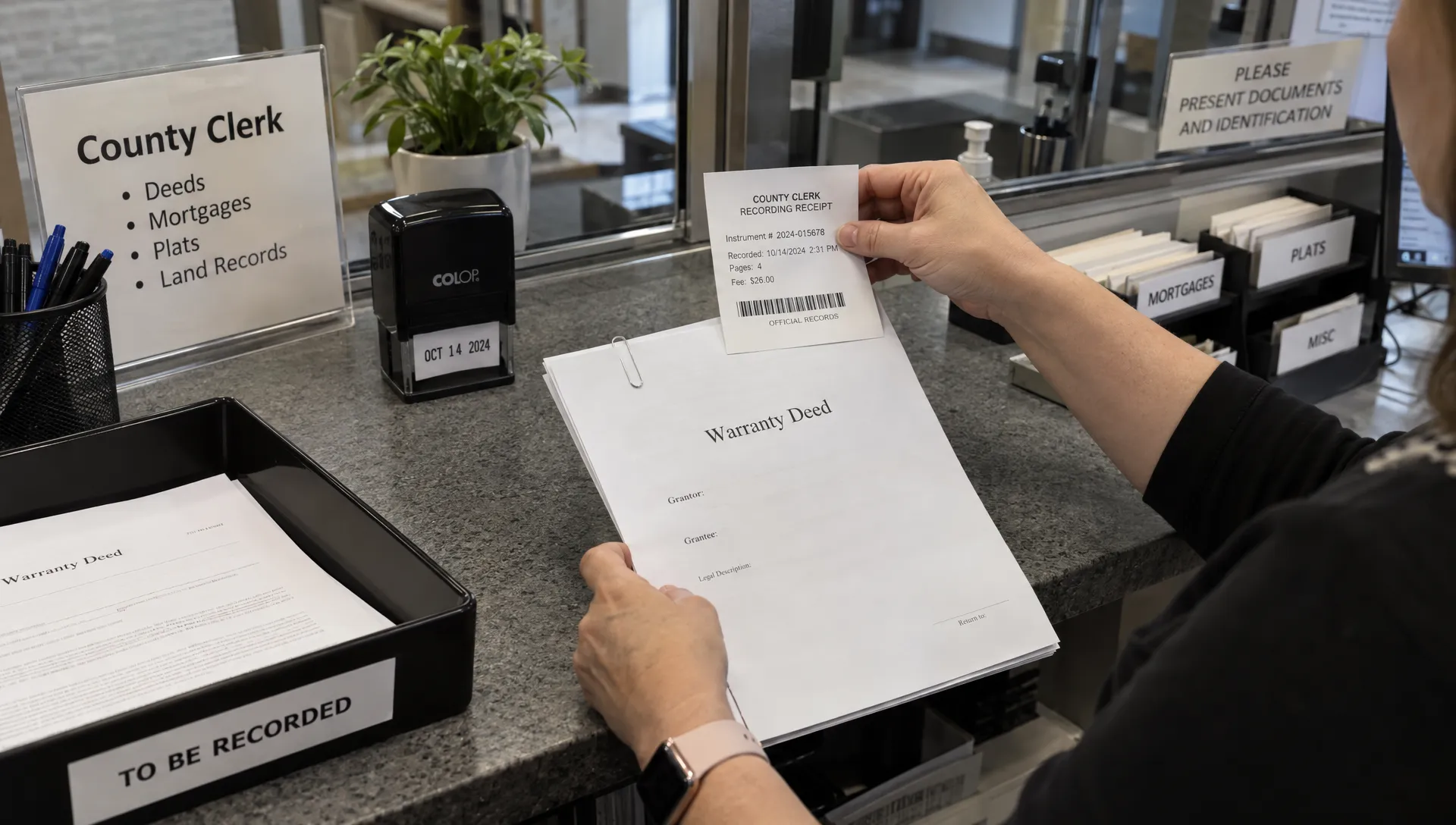
New Mexico does not impose a state real estate transfer tax, but that does not make recording the transaction free. County recording charges and title or settlement fees can still apply.
Property tax adjustments also affect your New Mexico mortgage closing budget. The settlement statement may allocate taxes between you and the seller based on the contract, closing date and whether the relevant bills have been paid.
Do not assume the seller's current tax bill will accurately predict your future bill. A change in ownership can affect how the property is valued for tax purposes, and the seller's exemptions may not transfer to you. Ask the county assessor about the property's likely treatment after purchase and have the lender explain the tax figure used in your estimate.
Budget Separately for Prepaids and Escrow Deposits
Not every closing expense is a fee charged for arranging the loan. Some amounts pay bills early or establish funds for future bills.
Prepaid interest covers the period between funding and the start of the first regular monthly interest period. The amount depends on your loan balance, interest rate and closing date. Closing later in a month often reduces that particular line item, but changing the date can affect other expenses and deadlines.
A homeowners insurance premium may also be due before or at closing. Get a property-specific quote early, especially when a home's location or condition could affect availability or pricing.
For a New Mexico mortgage with an escrow account, the lender also collects an initial deposit toward future property tax and insurance payments. This is distinct from paying the first annual insurance premium. One pays for current coverage; the other helps fund upcoming bills.
Ask for an explanation if the escrow estimate changes. Updated tax information, insurance pricing or the timing of upcoming bills can change the amount needed.
A Worked Example: Buying a $350,000 Home
Assume a buyer purchases a $350,000 home with a 5% down payment. The down payment is $17,500 and the base loan amount is $332,500.
The following amounts are illustrative budgeting assumptions, not a quote or a statement of typical New Mexico prices. They show how different categories fit together.
| Expense | Illustrative amount |
|---|---|
| Lender origination and underwriting charges | $1,200 |
| Appraisal | $650 |
| Title insurance and settlement services | $1,800 |
| Recording charges | $150 |
| First-year homeowners insurance premium | $1,400 |
| Initial property tax and insurance escrow deposits | $2,250 |
| Prepaid interest | $1,050 |
| Total closing costs, including prepaids and escrow | $8,500 |
This example assumes no discount points and does not include a financed program-specific upfront charge. Actual expenses will vary.
For this New Mexico mortgage purchase, the down payment plus closing costs initially totals $26,000. Now assume the buyer has already deposited $5,000 in earnest money, negotiated a $2,000 seller credit toward eligible costs and paid the $650 appraisal charge before closing.
| Cash-to-close calculation | Amount |
|---|---|
| Down payment plus total closing costs | $26,000 |
| Less earnest money already deposited | -$5,000 |
| Less seller credit | -$2,000 |
| Less appraisal already paid | -$650 |
| Illustrative remaining cash to close | $18,350 |
The appraisal appears in the total transaction costs, but the buyer should not pay it again at settlement. Property tax prorations and other contract adjustments could further change the final amount.
Which Expenses Might You Pay Before Closing?
Some expenses arrive well before you receive your final closing figures. Earnest money is usually due according to the purchase contract. Inspections, appraisal charges and insurance payments may also require funds earlier in the process.
A general home inspection is commonly a separate buyer expense rather than a lender-required charge shown on the Loan Estimate. Depending on the property, you might also choose or need specialized inspections for a septic system, private well, roof or other concern.
Ask your loan officer and real estate agent to identify what is due now, what is due later and what is refundable. Refund rights depend on the contract, service agreement and applicable contingencies.
Your New Mexico mortgage budget should track these early payments alongside the closing estimate. Otherwise, you may have enough money for the final wire but not enough available when an inspection or appraisal payment is requested.

How to Compare Offers and Reduce Upfront Costs
Compare matching Loan Estimates
The lender generally must provide a Loan Estimate within three business days of receiving your mortgage application. It gives you a standardized starting point for comparing loan terms, estimated costs and cash needed to close.
Compare offers using the same loan amount, loan type, down payment and rate-lock assumptions. Separate charges controlled by the lender from estimates for taxes, insurance and outside services. A lower insurance estimate does not necessarily mean one lender has a cheaper loan.
Check whether an attractive rate includes points. Our explanation of how mortgage rates in New Mexico are set can help you distinguish borrower-specific pricing from broader market changes.
When comparing a New Mexico mortgage offer, look at the interest rate, lender fees, credits and expected payment together. The lowest cash-to-close figure is not automatically the lowest-cost choice over the time you expect to keep the loan.
Understand seller credits and lender credits
A seller credit can reduce the cash you need for eligible closing expenses, subject to the loan program's rules and contribution limits. It generally cannot replace your required down payment, and unused credit is not simply paid to you as cash.
A lender credit typically reduces upfront charges in exchange for a higher interest rate. Ask how much the credit saves at closing and how much it adds to the monthly payment.
For discount points, a simple starting calculation is:
Cost of points ÷ monthly payment savings = approximate break-even period in months.
That calculation does not capture every financial consideration, but it helps you evaluate whether paying more upfront fits your expected ownership or refinancing timeline. For a broader comparison framework, see our guide to comparing mortgage offers beyond the headline rate.
Keep a Reserve Beyond the Closing Wire
A New Mexico mortgage closing budget should leave room for expenses that do not appear on the settlement statement. Moving, utility deposits, immediate repairs and routine living expenses still need funding after you receive the keys.
Keep existing personal obligations separate as well. For example, if an existing court or driver's-license matter requires an evaluation, online drug and alcohol assessments belong in your personal budget, not your mortgage closing-cost estimate. Confirm any provider's acceptance with the requesting authority before paying.
Before transferring closing funds, verify wiring instructions directly with the settlement company using a trusted, independently confirmed phone number. Do not rely solely on emailed instructions or an unexpected message announcing a last-minute change.
Also confirm whether your loan requires financial reserves after closing. Required reserves are different from closing charges: they are qualifying assets you must retain rather than money paid to a service provider.
Frequently Asked Questions
Are closing costs included in the down payment? No. Your down payment and closing costs are separate parts of the purchase budget. Cash to close combines those amounts, then accounts for deposits, credits, prepaid charges and other adjustments.
Can I finance my closing costs? For a purchase, most ordinary closing charges cannot simply be added to the loan above the program's financing limits. Certain program-specific upfront charges may be financed when permitted. Seller credits, lender credits or eligible assistance may reduce your cash requirement, but each has rules and trade-offs.
When will I know my final New Mexico mortgage closing costs? Your Closing Disclosure provides the final loan terms and closing figures. For most purchase mortgages covered by the disclosure rules, you must receive it at least three business days before closing. Compare it with your latest Loan Estimate and ask the lender to explain changes. The CFPB's Closing Disclosure guide explains the form's major sections.
Does a no-closing-cost mortgage eliminate the expenses? Usually not. The costs are generally covered through another arrangement, such as a lender credit tied to a higher rate. Ask which charges are covered, which remain payable and what the arrangement costs over your expected loan term.
Build Your New Mexico Mortgage Budget Before You Commit
Before making an offer, request an itemized estimate that separates the down payment, loan charges, prepaids, escrow deposits and expenses payable before closing. Then update it when you have a specific property, insurance quote and closing date.
New Era Lending combines mortgage technology with personalized human guidance. Ask for help reviewing your estimated cash to close, comparing available loan options and identifying which figures still need confirmation before you commit.