









How to Choose New Mexico Home Loans for Rural Properties
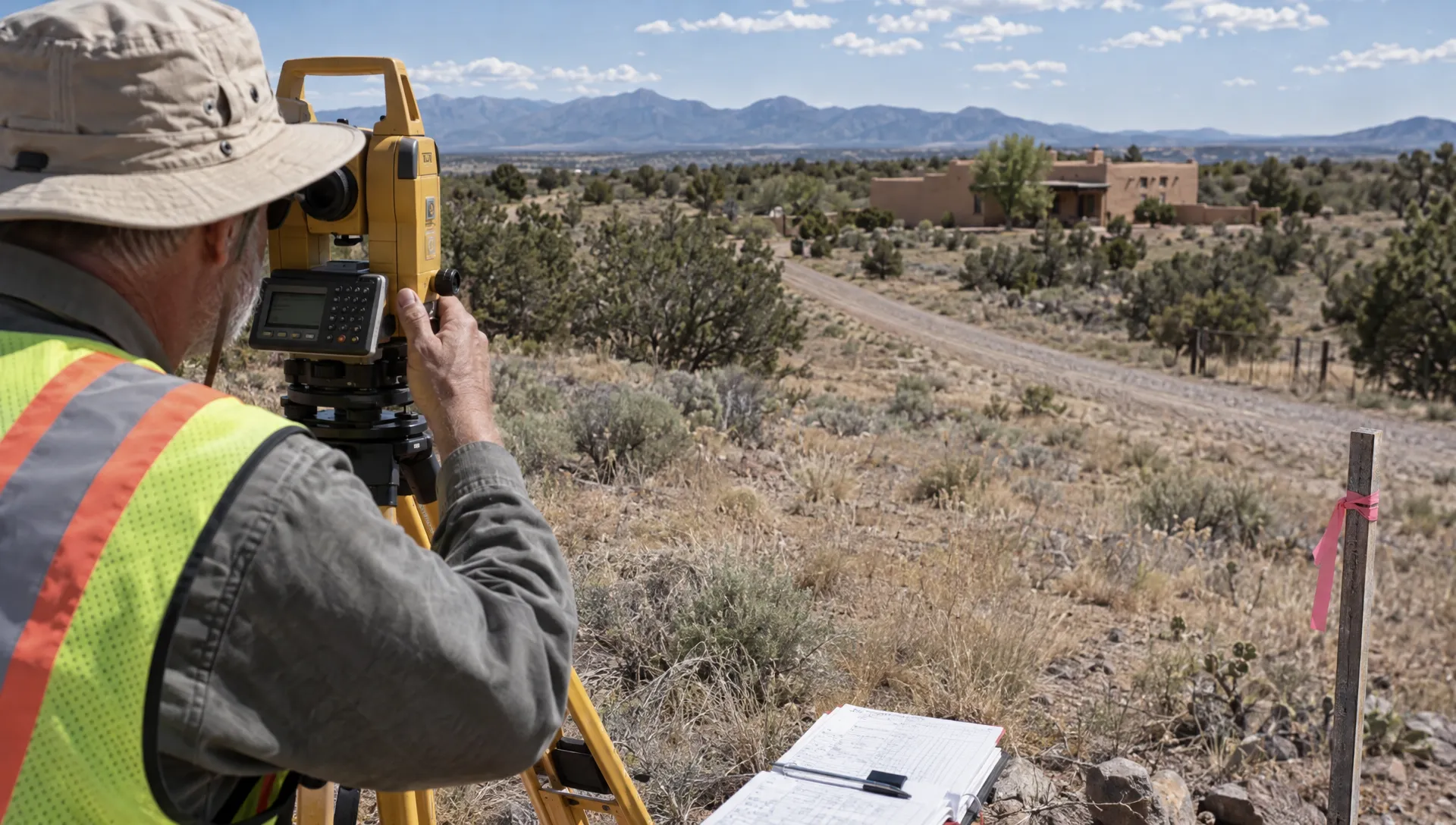
Choosing New Mexico home loans for a rural property means checking two things separately: whether you qualify for financing and whether the property qualifies for that loan. A strong credit profile will not resolve an undocumented access road, an unacceptable water supply or a property whose primary use is commercial agriculture. Start with the land and home’s characteristics, then compare mortgage programs that fit both the property and your budget.
Screen the property before you commit to a loan
A rural address does not automatically make a home eligible for USDA financing, and acreage alone does not rule out a conventional mortgage. The property’s location, residential use, condition and supporting infrastructure all matter.
Before paying for inspections or an appraisal, give prospective lenders the listing, address, parcel information and any available well, septic or access documents. Explain whether the purchase includes additional parcels, agricultural buildings, a manufactured home or rental units.
Borrower preapproval is not property approval. Ask the lender to identify potential eligibility issues early, while recognizing that final approval may depend on the appraisal, title review and other documentation. Also ask your real estate agent about financing and inspection contingencies that give you time to investigate rural property concerns.
Which New Mexico home loans fit rural purchases?
Start with the programs below, then narrow the choices using your eligibility and the specific property. These are general program characteristics, not a promise that every lender offers each option.
| Loan option | When it may fit | Rural-property considerations |
|---|---|---|
| USDA guaranteed | Eligible buyers purchasing a primary residence in an eligible rural area, potentially without a down payment | Address eligibility, household income limits and residential property requirements apply |
| USDA direct | Eligible low- and very-low-income applicants seeking financing directly through USDA Rural Development | Separate application process, repayment requirements and property rules apply |
| VA | Eligible veterans, service members and certain surviving spouses, potentially without a down payment | Water, access, condition and residential use still require review |
| FHA | Buyers who qualify for a down payment as low as 3.5% | The property must meet applicable condition and safety requirements; mortgage insurance affects cost |
| Conventional | Buyers seeking financing for an eligible residential property, including some homes with substantial acreage | Appraisal support, property use and lender-specific requirements can determine eligibility |
Use the USDA eligibility portal to check the address and applicable income limits. A map result is an initial screening tool, not a loan approval. USDA guaranteed and direct loans also have different eligibility rules and application channels.
When comparing New Mexico home loans, remember that no down payment does not mean no closing costs, prepaid expenses or required cash reserves. Our guide to home loans with no down payment explains that distinction in more detail.
Verify access, water and wastewater systems
Confirm legal access and road maintenance
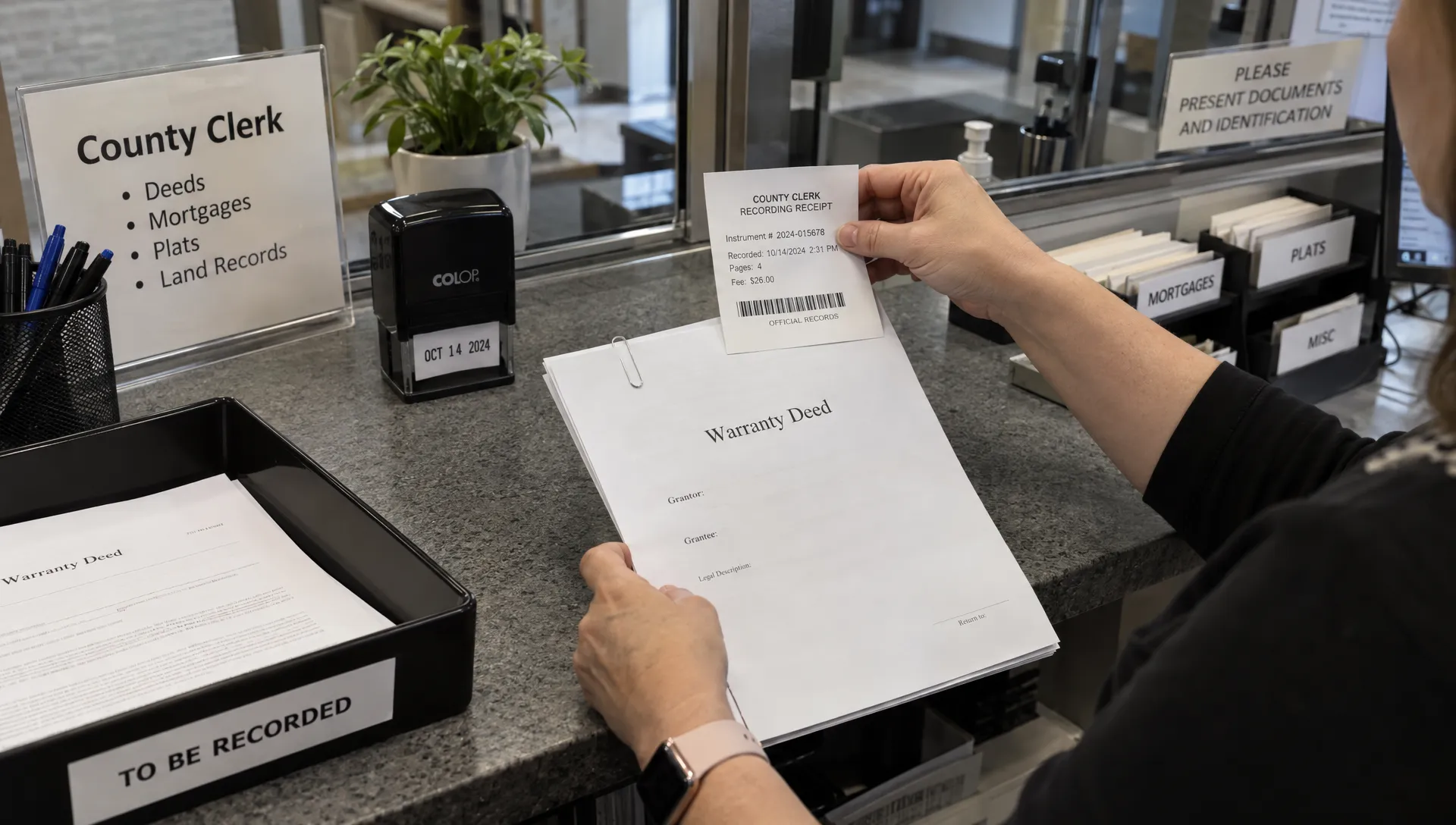
A driveway reaching the house is not enough evidence of legal access. Ask the title company to verify recorded access rights, especially when the route crosses someone else’s land. Then ask the lender what documentation it needs for a private road.
Legal access and physical access are separate questions. A recorded easement does not establish that a road is passable year-round, maintained adequately or acceptable to the loan program. Unpaved roads are not automatically disqualifying, but their condition and maintenance arrangements can matter.
Find out who handles grading, drainage, snow removal and repairs. An informal understanding between neighbors may not satisfy a lender or protect your budget after closing.
For New Mexico home loans involving private roads, send access documents to the lender early rather than waiting for the appraisal to reveal a problem.
Investigate private wells and septic systems
A private well requires more investigation than confirming that water comes out of the tap. Review available permit records, the water source, system condition and any required water-quality or supply testing. Shared wells may require additional agreements and program-specific review.
The New Mexico Office of the State Engineer’s water-rights resources provide a starting point for understanding permits and water rights. Do not assume that owning acreage includes irrigation rights, or that a domestic well authorizes every agricultural or commercial use you have planned.
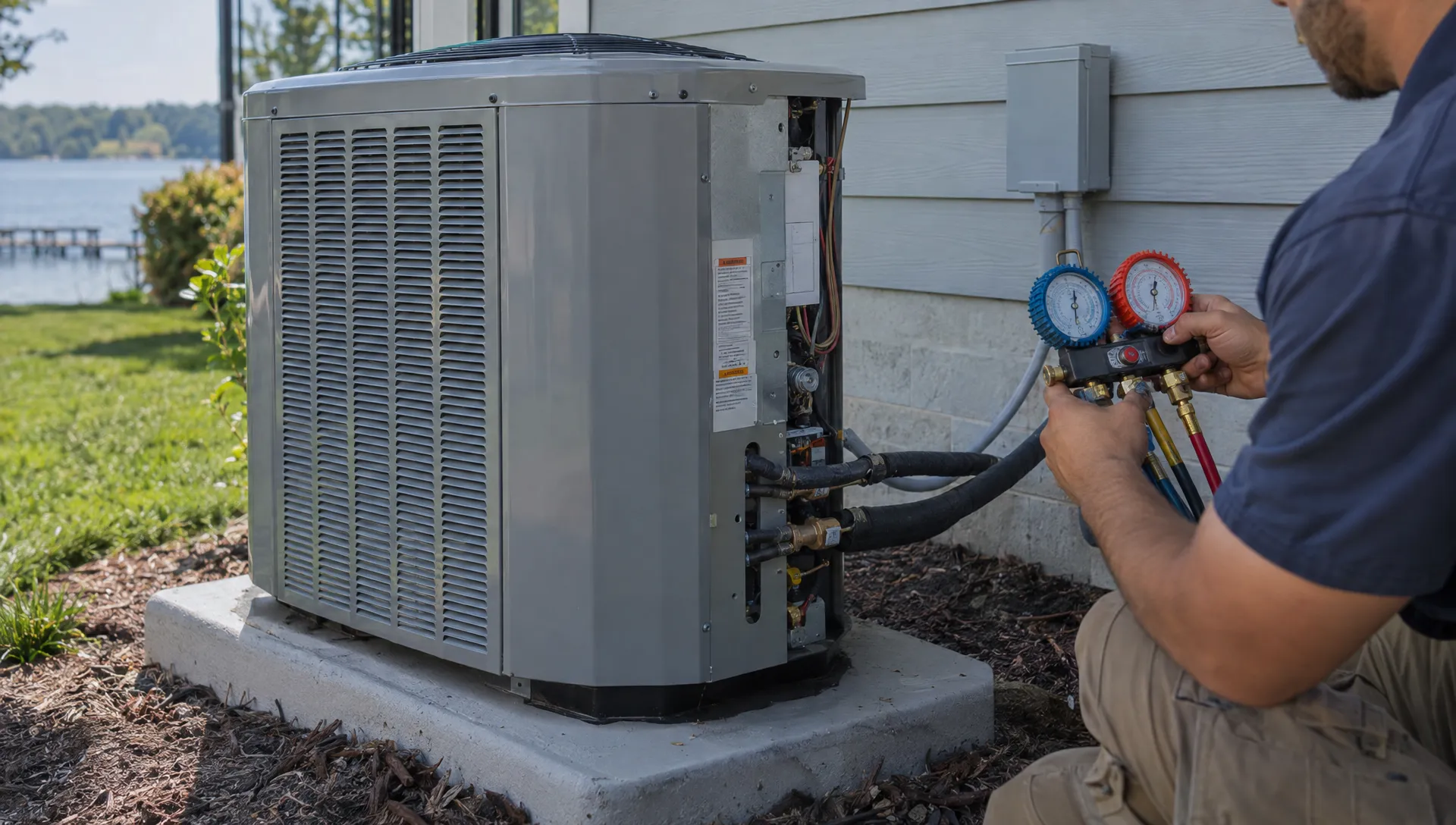
For septic systems, request available permits, installation records and maintenance history. Ask an appropriately qualified professional about condition, capacity and any concerns relevant to your intended occupancy. Lender documentation and local wastewater requirements are separate matters, so check both.
With New Mexico home loans, distinguish between what an inspector recommends, what the lender requires and what a regulator requires. Agree in writing on who will address necessary repairs and whether they must be completed before closing.
Check acreage, property use and appraisal support
There is no single acreage cutoff that applies to every residential mortgage. A lender may finance a home on a large parcel when its residential use, marketability and value meet the relevant requirements. Another property with fewer acres may be harder to finance because it operates primarily as a commercial enterprise.
Explain any livestock facilities, leased fields, short-term rentals or business buildings before selecting a program. A working farm or income-producing operation can require financing beyond a standard residential mortgage. Do not assume that a barn automatically disqualifies a property, either; its use and contribution to value matter.
Rural appraisals can also be challenging when comparable sales are sparse. The appraiser must support the valuation, even if nearby homes differ in acreage, construction or utilities. A seller’s investment in fencing, workshops or other improvements may not translate dollar-for-dollar into appraised value.
When evaluating New Mexico home loans for acreage, ask the lender to review the entire parcel configuration. Multiple parcels, separate tax records or a planned subdivision can change the analysis.
Give manufactured and unusual homes extra lead time
A manufactured home may be financeable, but it is not evaluated exactly like a site-built house. Depending on the program, relevant issues can include HUD-code compliance, foundation requirements, installation history and whether the home is legally treated as real property. Ask about both program rules and any additional lender restrictions.
Adobe construction is not automatically a financing problem. However, unconventional homes, including some earth-sheltered or off-grid properties, may need additional review of comparable sales, utilities, condition and insurance availability. Solar power alone does not establish that an off-grid property meets every requirement.
For homes on tribal trust or allotted land, do not assume standard fee-simple mortgage procedures apply. Ask a knowledgeable participating lender whether HUD’s Section 184 Indian Home Loan Guarantee Program or another appropriate program fits your eligibility and land status.
The right New Mexico home loans depend on the actual home and ownership structure, not simply the listing’s description of the property as residential.
Compare the full rural ownership budget
A lower interest rate cannot compensate for costs you have not investigated. Before choosing a lender, obtain insurance quotes and identify likely expenses associated with the property’s location and systems.
Budget for property taxes, homeowners insurance and any applicable flood insurance, plus well servicing, septic maintenance and private-road obligations. Rural acreage may also bring fencing, drainage or vegetation-management expenses. These costs vary by property, so use actual quotes and inspection findings rather than a statewide average.
During the purchase, ask about appraisal fees, specialized inspections, water testing, surveys and title work related to easements or multiple parcels. Not every transaction requires every item. Some expenses may also be due before closing and may not be refundable if the purchase falls through.
When comparing New Mexico home loans, request Loan Estimates based on the same loan amount, term and comparable rate-lock assumptions. Review points, lender fees, mortgage insurance, cash to close and the estimated monthly payment. Keep repair and maintenance reserves separate from funds needed to complete the purchase.
Our explanation of New Mexico mortgage closing costs can help you distinguish transaction charges from prepaid expenses and escrow deposits.
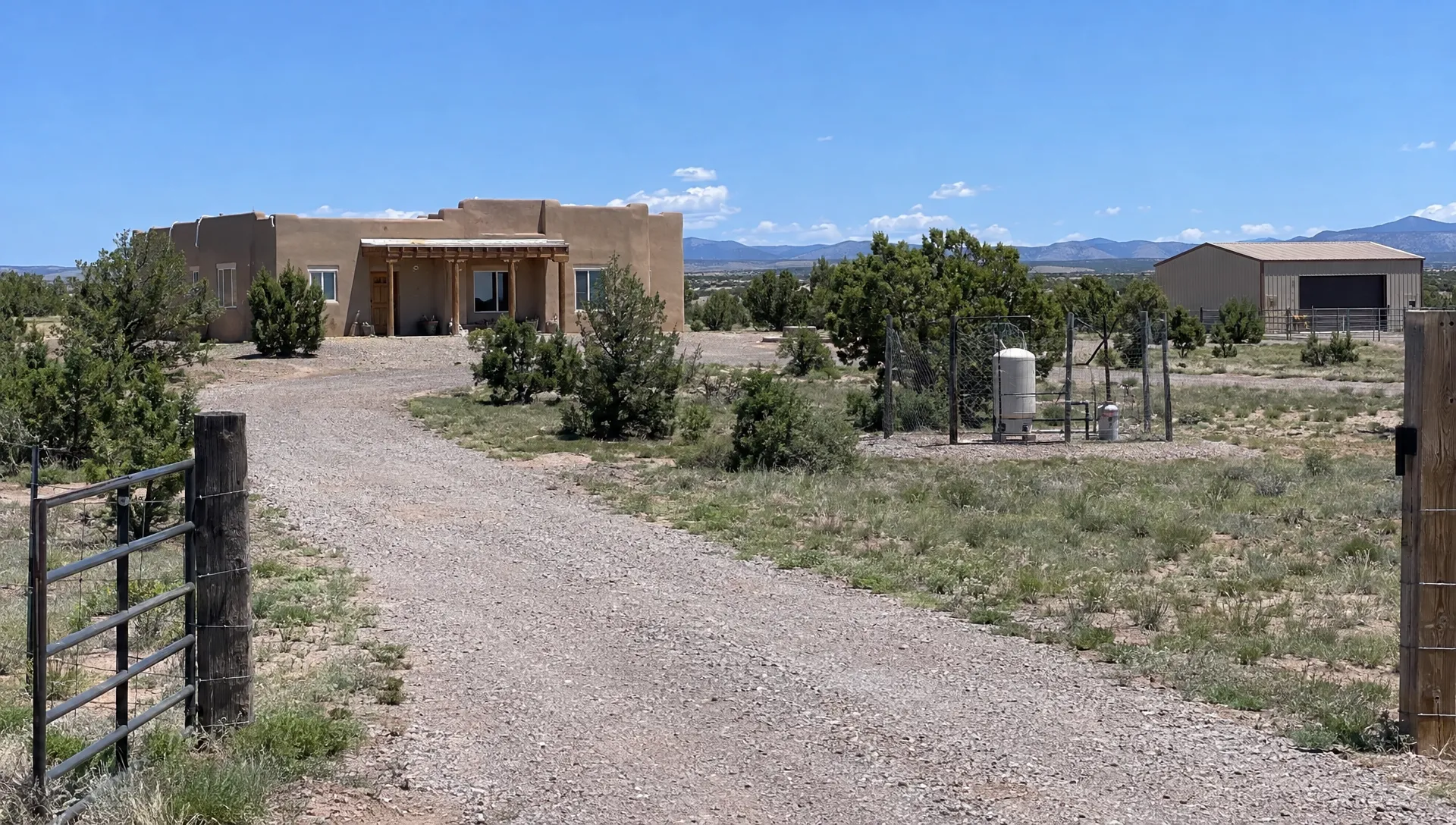
Build a rural-specific preapproval file
Standard income, asset and credit documents are only part of the preparation. Give your loan officer enough property information to identify issues before you spend heavily on due diligence.
Useful documents to gather, when available, include:
- The listing, parcel map and information about every parcel included in the sale.
- Recorded easements and private-road maintenance agreements.
- Well permits, shared-well agreements and available water-test results.
- Septic records and manufactured-home documentation, if applicable.
- Details of agricultural, rental or business use and any planned changes.
You do not need to obtain every possible report before speaking with a lender. First ask which documents are necessary for the property and program under consideration, who can provide them and how long review typically takes.
A productive conversation about New Mexico home loans should identify unresolved conditions, not just produce a maximum purchase price. Ask which concerns could prevent closing, which might require repairs and which simply need documentation. Build sufficient time into the contract for those reviews rather than assuming a standard suburban closing schedule will fit.
Document income before changing how you work
Moving to a rural area can coincide with remote work, self-employment or a new business. Confirm how the lender will evaluate your income before changing jobs, reducing hours or leaving salaried employment. A remote employee may need confirmation that the work arrangement can continue after relocation.
If you are self-employed, keep business spending separate from your home-purchase budget. Costs such as equipment or a small-business website project can reduce cash available for closing and reserves. Projected revenue from a new venture is not a substitute for qualifying, documented income.
Before committing to New Mexico home loans, ask how the lender treats your income history, business obligations and any funds you plan to withdraw from a business account. Avoid new debt or large unexplained transfers during underwriting.
Frequently asked questions
What is the easiest rural home loan to get approved for? There is no universally easiest option. USDA may fit an income-eligible buyer and qualifying address, VA may fit an eligible veteran and FHA may suit some borrowers with limited down-payment funds. Property eligibility can eliminate an otherwise suitable program.
What qualifies as low income for a USDA loan in New Mexico? There is no single statewide figure. Limits depend on the program, location and household size. USDA direct loans serve eligible low- and very-low-income applicants, while guaranteed loans use different limits. Household income eligibility and repayment income are also separate calculations.
Can I finance a rural home with a well and septic system? Often, yes. The systems must meet applicable program requirements, and testing, inspections or additional documentation may be necessary. Ask the lender what it requires before ordering reports.
Can New Mexico home loans cover vacant land or a working farm? Standard residential mortgages generally are not designed for standalone vacant land or primarily commercial farming operations. Land loans, agricultural financing or construction financing may be more appropriate, depending on the purchase and intended use.
Start with the property details
Before shopping only by rate, assemble the address, acreage, home type, utility information and intended use. Those facts help determine which financing options deserve a closer look.
To explore financing with New Era Lending, share both your financial goals and the property’s rural characteristics. Ask which programs are available for your situation and what needs to be verified before you commit to the purchase.