








How Down Payment Rates for Mortgages Vary by Property Type
Two homes with the same price can require very different amounts of cash upfront. That is because down payment rates for mortgages depend on more than your credit and savings: the property’s ownership structure, number of units and intended use also affect which loan programs are available.
A condo you plan to live in may qualify for a low-down-payment mortgage, while an identical condo purchased as a rental may require substantially more. Understanding those distinctions before making an offer helps you set a realistic purchase budget without draining the money you need after closing.
Start With Property Type and Occupancy
Mortgage underwriting separates two questions that buyers sometimes combine: What are you buying, and how will you use it?
Property type describes the building or ownership arrangement, such as a single-family house, condominium, manufactured home or two-to-four-unit property. Occupancy describes whether it will be your primary residence, second home or investment property.
A duplex is not automatically an investment property for mortgage purposes. If you live in one unit, it may qualify as an owner-occupied purchase. Conversely, a single-family house bought solely to rent out is an investment property.
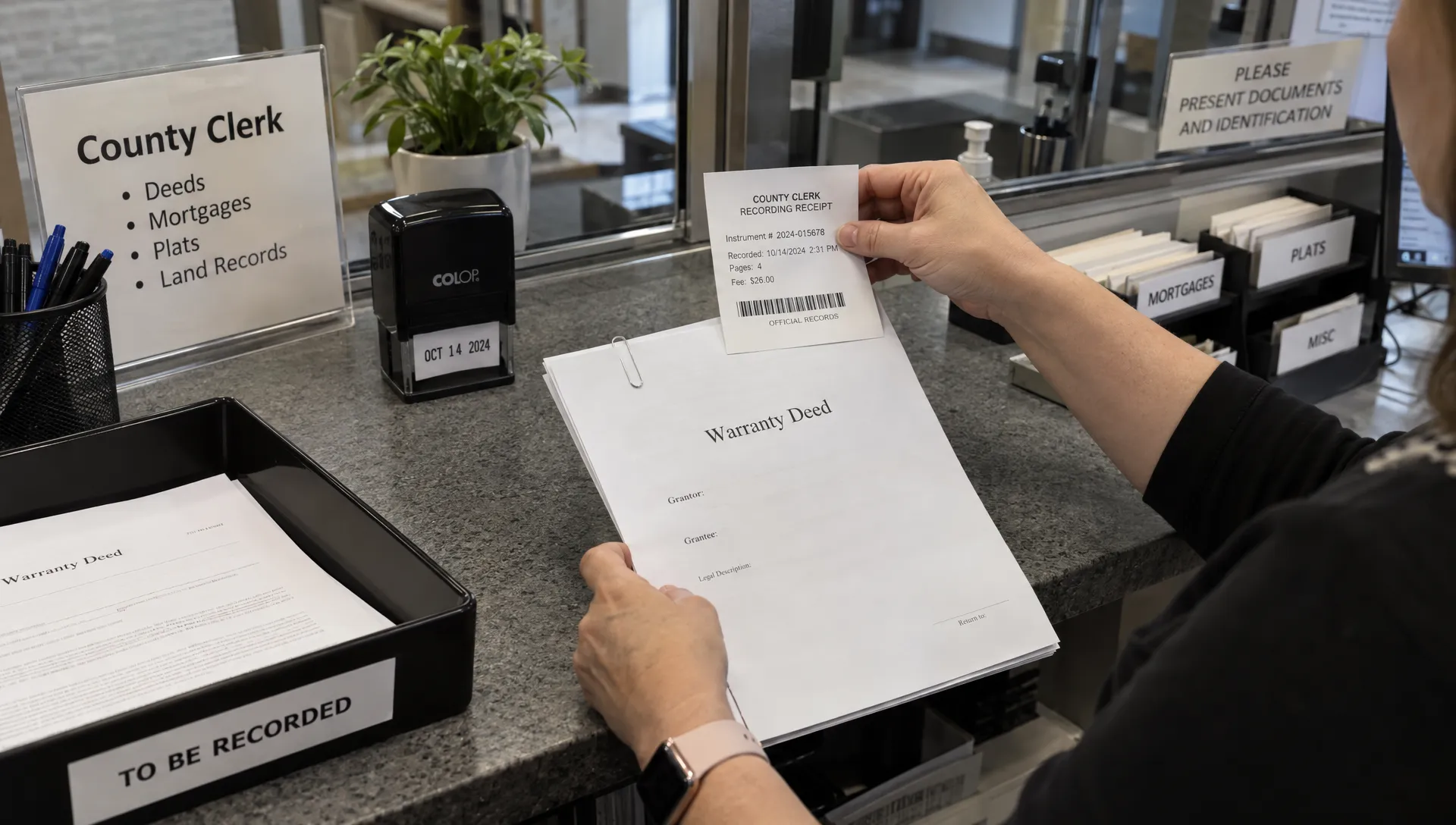
Townhouses need particular attention. A townhouse can have fee-simple ownership or be legally structured as a condominium. The exterior appearance does not determine which underwriting rules apply. New Era Lending’s guide to property loans by home type and goal explains the broader financing categories.
Typical Minimum Down Payments by Property and Use
The following down payment rates for mortgages are purchase-loan benchmarks, not guaranteed offers. Conventional examples assume eligible conforming financing, generally with a fixed rate; borrower qualifications, automated underwriting and lender requirements can change the result.
| Property and intended use | Down payment benchmark | Important qualification |
|---|---|---|
| Single-family primary residence | As low as 3% conventional | Requires eligibility for a low-down-payment program; 5% is another common starting point |
| Condo used as a primary residence | As low as 3% conventional | Both the borrower and condominium project must qualify |
| Owner-occupied two-to-four-unit property | As low as 5% conventional | Available through eligible financing; underwriting and reserve requirements apply |
| Single-family home or eligible condo used as a second home | As low as 10% conventional | Must satisfy second-home occupancy and property rules |
| One-unit investment property | As low as 15% conventional | Some lenders or loan structures require more |
| Two-to-four-unit investment property | Commonly at least 25% conventional | Rental-property underwriting and reserves also apply |
| Manufactured primary residence financed as real estate | Often 5% conventional, with some eligible programs allowing 3% | Home classification, foundation, land ownership and program eligibility matter |
Fannie Mae’s eligibility matrix distinguishes conventional loan-to-value limits by occupancy, unit count and transaction type. A lender can impose stricter requirements than the program minimum.
Government-backed programs provide additional paths for eligible primary residences. FHA financing can allow 3.5% down with a credit score of at least 580, although lenders may set higher credit requirements. VA purchase loans may require no down payment for eligible borrowers with sufficient entitlement. USDA financing can also offer no-down-payment purchases for qualifying homes and borrowers in eligible areas. These programs generally are not options for a vacation home or non-owner-occupied rental.
Why Down Payment Rates for Mortgages Change Across Properties
Single-Family Homes and Condos
A qualifying primary residence usually offers the broadest access to low-down-payment programs. A condo does not automatically require a larger percentage than a detached house, but it adds a separate layer of review.
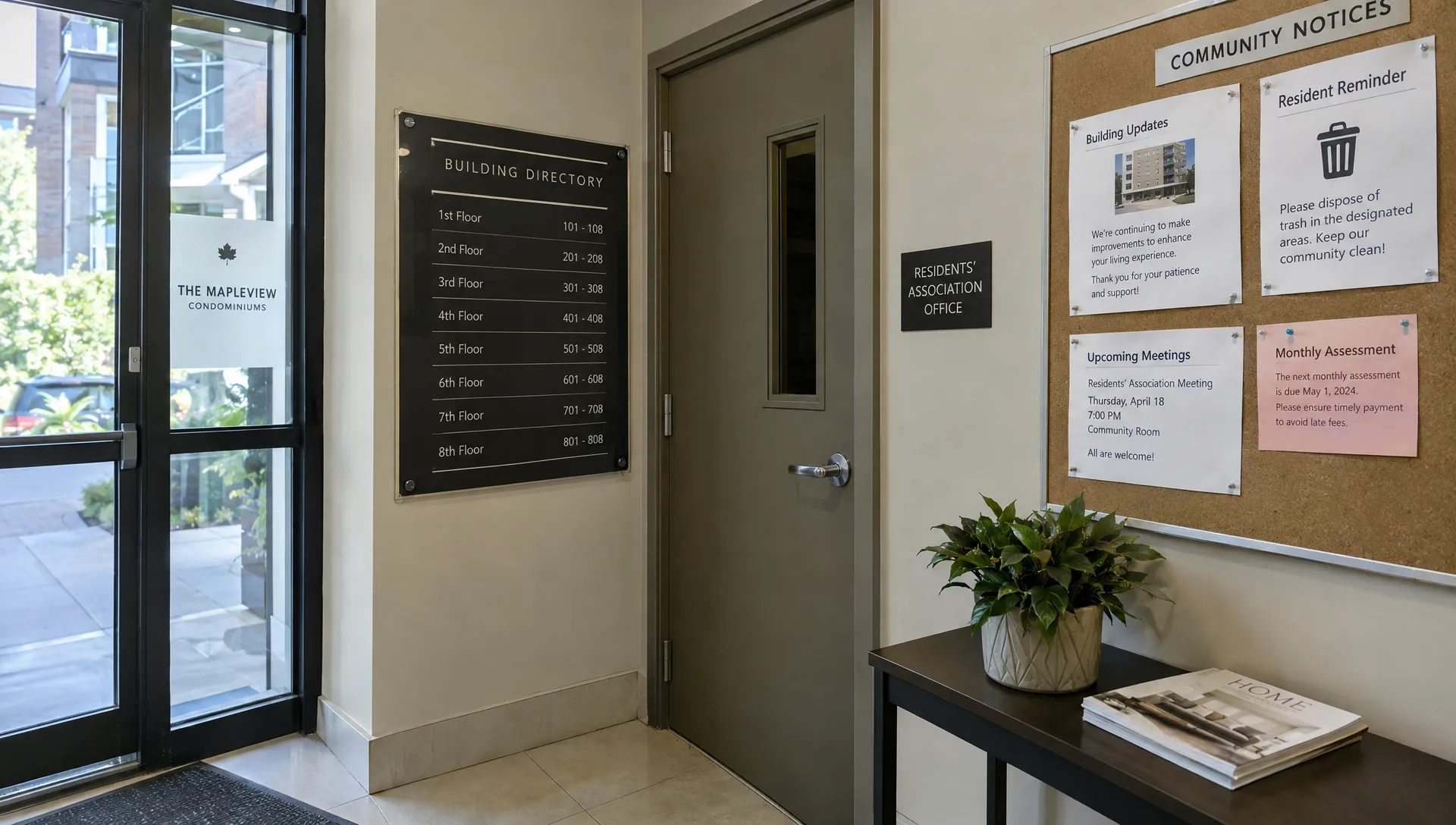
Depending on the loan and project, that review can involve association finances, insurance coverage, structural concerns, litigation and special assessments. A buyer may qualify financially while the condominium project does not qualify for the selected mortgage.
When comparing down payment rates for mortgages on condos and detached homes, ask whether the quote assumes the project has already passed review. Putting more money down does not necessarily resolve an ineligible project.
Also compare the full monthly housing cost. Condo association dues can affect qualification and affordability even when the required down payment matches that of a house without an association.
Owner-Occupied Duplexes, Triplexes and Fourplexes
Buying a small multifamily property and living in one unit can preserve access to primary-residence financing. Eligible conventional purchases may allow 5% down, while FHA financing may allow 3.5% down on qualifying two-to-four-unit properties.
The minimum percentage is only part of the approval process. A lender may require cash reserves, assess whether rental income can be used to qualify and review the condition of each unit. FHA three- and four-unit properties also face a rental self-sufficiency test.
The difference between owner-occupied and rental down payment rates for mortgages can be substantial, but your occupancy plans must be genuine. Tell your lender how you intend to use the building before relying on a particular minimum.
Buildings with five or more residential units generally fall outside standard one-to-four-unit residential mortgage programs and require a different financing discussion.
Second Homes and Investment Properties
A second home is not simply any property you own in addition to your primary residence. Conventional second-home financing has occupancy and property requirements, including that the home be suitable for your personal use and meet applicable restrictions on rental arrangements.
A property purchased primarily to generate rental income generally belongs in the investment category. That distinction can move the conventional down payment benchmark from 10% for an eligible second home to 15% for an eligible one-unit rental, or higher depending on the loan.
Explain any planned vacation rentals or property-management agreements upfront. Do not assume that occasional personal use makes a rental property eligible for second-home terms.
Manufactured Homes and Jumbo Purchases
Manufactured-home financing depends heavily on how the home is titled and secured. A mortgage covering a qualifying home and land as real property differs from a personal-property, or chattel, loan. Permanent-foundation requirements and program-specific construction standards can also affect eligibility.
For these properties, compare down payment rates for mortgages only after confirming which financing category applies. A low advertised minimum for one manufactured-home program may not apply to another home or ownership arrangement.
Loan size adds another variable across property types. If the required financing exceeds the applicable conforming loan limit, jumbo lenders set their own requirements. Down payments of 10% to 20% or more may be required, depending on the lender, loan amount and borrower profile.
What the Percentages Mean on a $400,000 Purchase
Consider four hypothetical purchases at the same price:
- Eligible primary residence at 3% down: $12,000 down payment.
- Eligible owner-occupied duplex at 5% down: $20,000 down payment.
- Eligible second home at 10% down: $40,000 down payment.
- Two-unit investment property at 25% down: $100,000 down payment.
These figures exclude closing costs, prepaid expenses and required reserves. They also assume the appraisal supports the purchase price.
An appraisal shortfall can change the calculation. Suppose a $400,000 property appraises for $380,000 and the loan permits 95% loan-to-value. The maximum loan based on that value would be $361,000, leaving a $39,000 difference between the loan and purchase price before closing costs, unless the transaction is renegotiated or another permitted solution applies.
Keep Closing Costs and Repair Reserves Separate
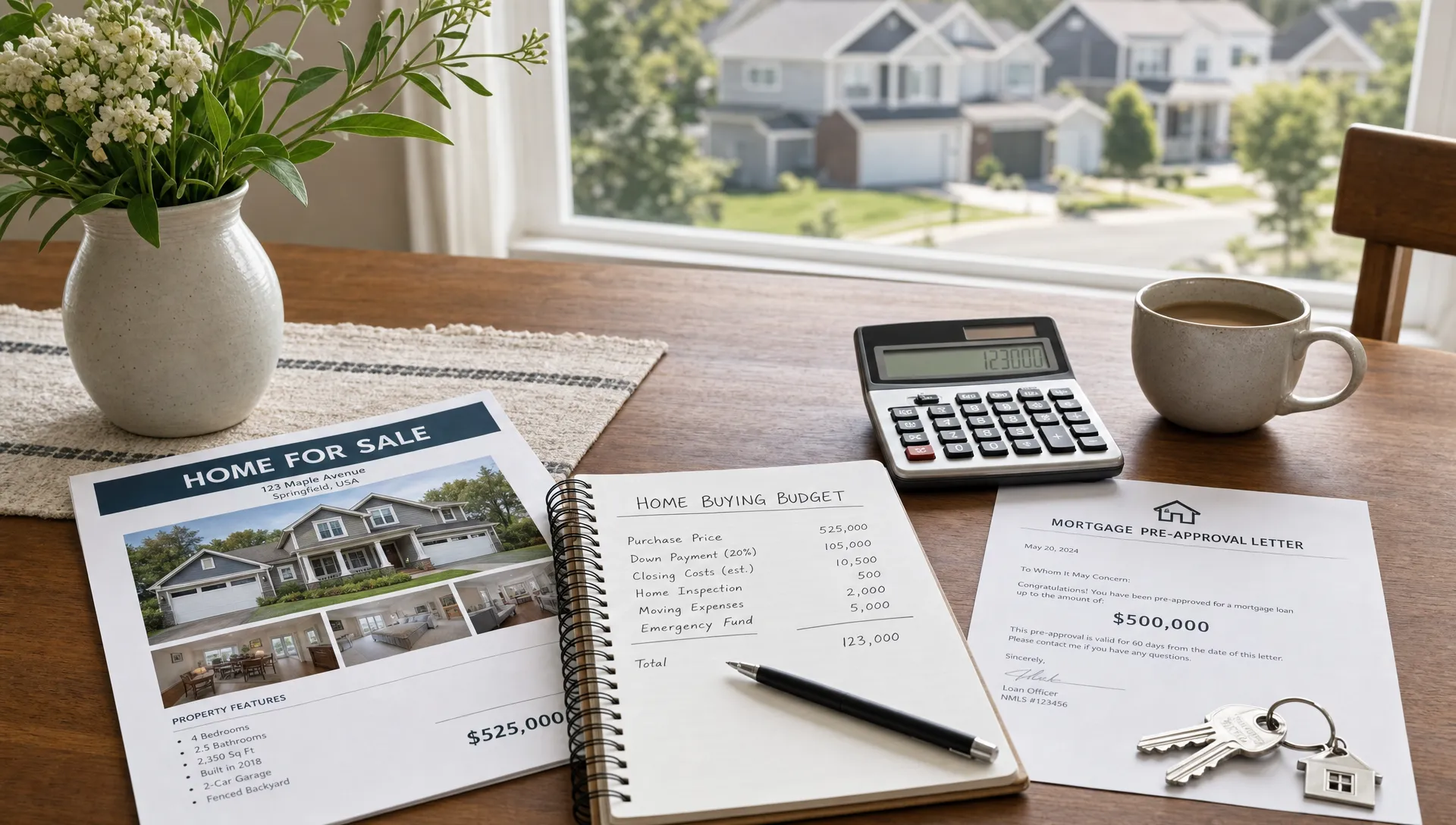
Minimum down payment rates for mortgages do not tell you the total cash needed to buy safely. Your budget should distinguish the down payment from closing costs, prepaid taxes and insurance, lender-required reserves and money for repairs.
Required reserves generally represent eligible assets you retain after closing, rather than another charge paid to the seller. Separately, your own emergency cushion should reflect the property’s condition and responsibilities.
An older duplex with two aging water heaters presents a different repair budget from a newer condo, although the condo may carry special-assessment risk. Before committing all available savings to a larger down payment, get estimates for known problems. For a Chula Vista purchase, a local provider such as Hydro Hero Plumbing can be a starting point for estimating plumbing repairs involving leaks, drains or water heaters.
The practical goal is to avoid closing with too little cash to address an urgent repair, vacancy or unexpected assessment.
How Property Type and Down Payment Affect Interest Costs
The down payment percentage and mortgage interest rate are different numbers. A down payment measures your upfront contribution; the interest rate determines the borrowing cost applied to the loan balance.
A larger down payment lowers the loan-to-value ratio and reduces the amount borrowed. It may improve pricing, but it does not guarantee a lower interest rate. Credit score, occupancy, property type, loan program, points and market conditions also influence the offer.
Comparing down payment rates for mortgages therefore requires looking beyond the minimum cash contribution. A rental-property loan with more money down can still carry different pricing from an owner-occupied loan.
Mortgage insurance matters too. Conventional financing above 80% loan-to-value generally requires private mortgage insurance, while FHA loans follow separate mortgage-insurance rules. New Era Lending’s explanation of down payments and mortgage insurance covers those differences in more detail.
Compare Quotes Using the Same Assumptions
Ask each lender to price the actual property category and intended occupancy, not a generic home purchase. Identify the unit count, condo or manufactured-home status, expected purchase price and planned use before comparing offers.
For a useful side-by-side comparison, keep the loan type, term, credit assumptions, down payment and rate-lock period consistent. If one offer includes discount points and another does not, the headline interest rates are not directly comparable. A fixed-rate mortgage and an adjustable-rate mortgage also need separate comparisons because their future payment risks differ.
The CFPB’s Loan Estimate guide explains where to find the interest rate, projected payments, closing costs and estimated cash to close.
Once you have comparable quotes, request an alternative with a larger down payment. Evaluate how much additional cash it requires, how much the monthly payment changes and whether mortgage insurance changes. This turns a comparison of down payment rates for mortgages into a decision about both upfront cash and ongoing affordability, rather than simply choosing the lowest advertised percentage.
Frequently Asked Questions
How much down payment do I need for a $400,000 home as a first-time buyer? An eligible 3%-down conventional purchase would require $12,000, while a qualifying 3.5%-down FHA purchase would require $14,000. First-time-buyer status alone does not establish eligibility. Occupancy, property type, credit, loan limits and other program rules still apply, and closing costs are additional.
Can gift funds or assistance cover the down payment? Sometimes. Eligible gift funds and down payment assistance can reduce your personal cash contribution, but permitted sources vary by loan program and occupancy. Investment-property purchases generally have stricter restrictions. Assistance may also involve income limits, property restrictions or repayment obligations. Lender credits generally help with closing costs rather than the required down payment and may involve a higher interest rate.
Do lower down payment rates for mortgages mean a cheaper loan? No. A lower minimum reduces the initial contribution, but a larger loan balance, mortgage insurance or different pricing can increase monthly costs. Compare total cash to close, ongoing payments and the savings you will retain.
Can I buy a duplex with a VA loan? Eligible borrowers can potentially use a VA purchase loan for a property with up to four units if they occupy one unit and meet applicable requirements. Entitlement, property eligibility, appraisal and lender underwriting determine the available terms.
Build a Property-Specific Purchase Budget
Before choosing a down payment, confirm the property’s legal classification, intended occupancy and eligible loan programs. Then ask for a breakdown of cash to close, required reserves and monthly housing costs.
New Era Lending combines mortgage technology with personalized human guidance to help buyers evaluate financing options. Share the property details and the amount of savings you want to retain so the conversation starts with your actual budget, not just a program minimum.