







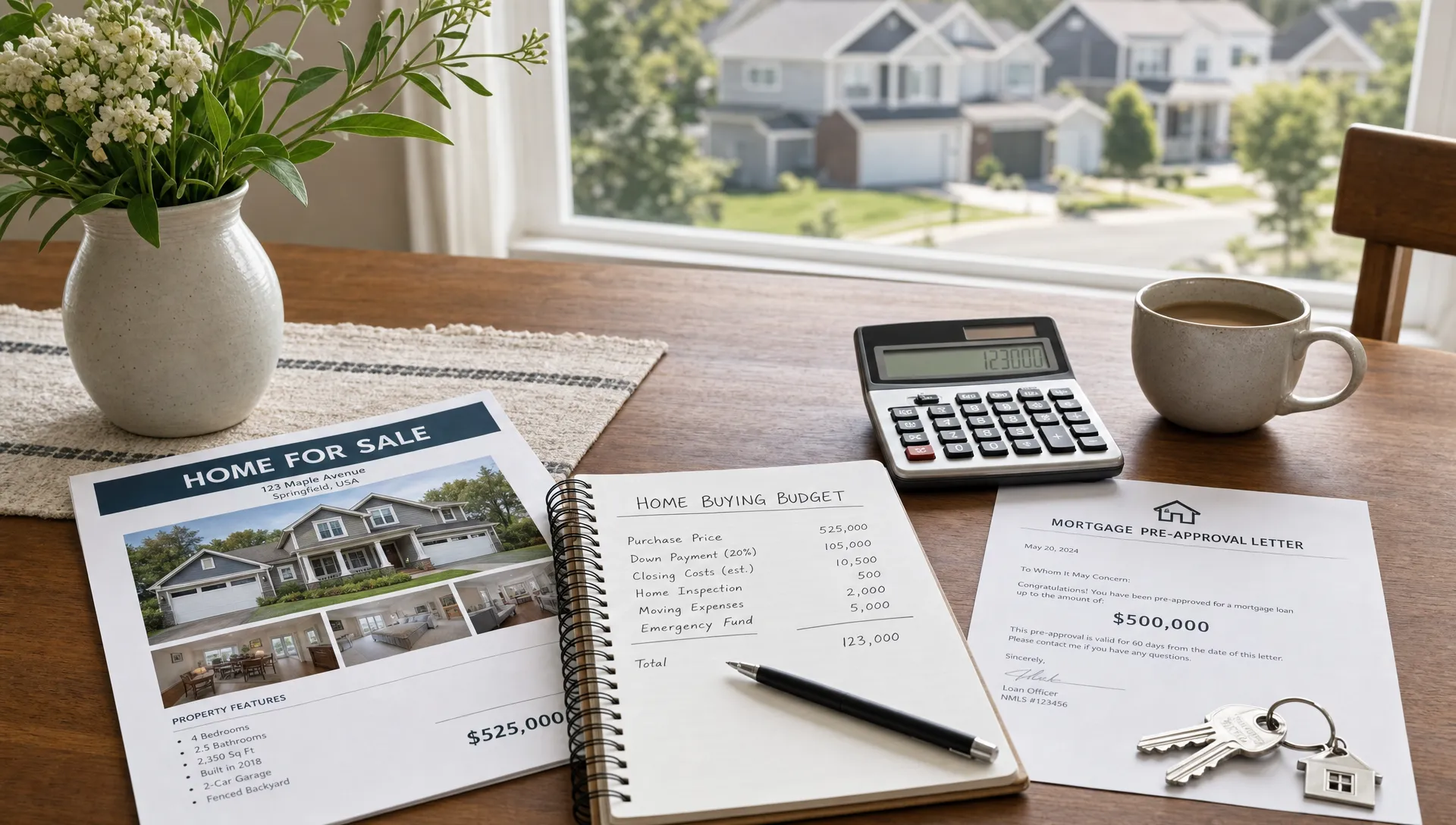

How to Budget for a New Home and Loan Before Your Old Home Sells
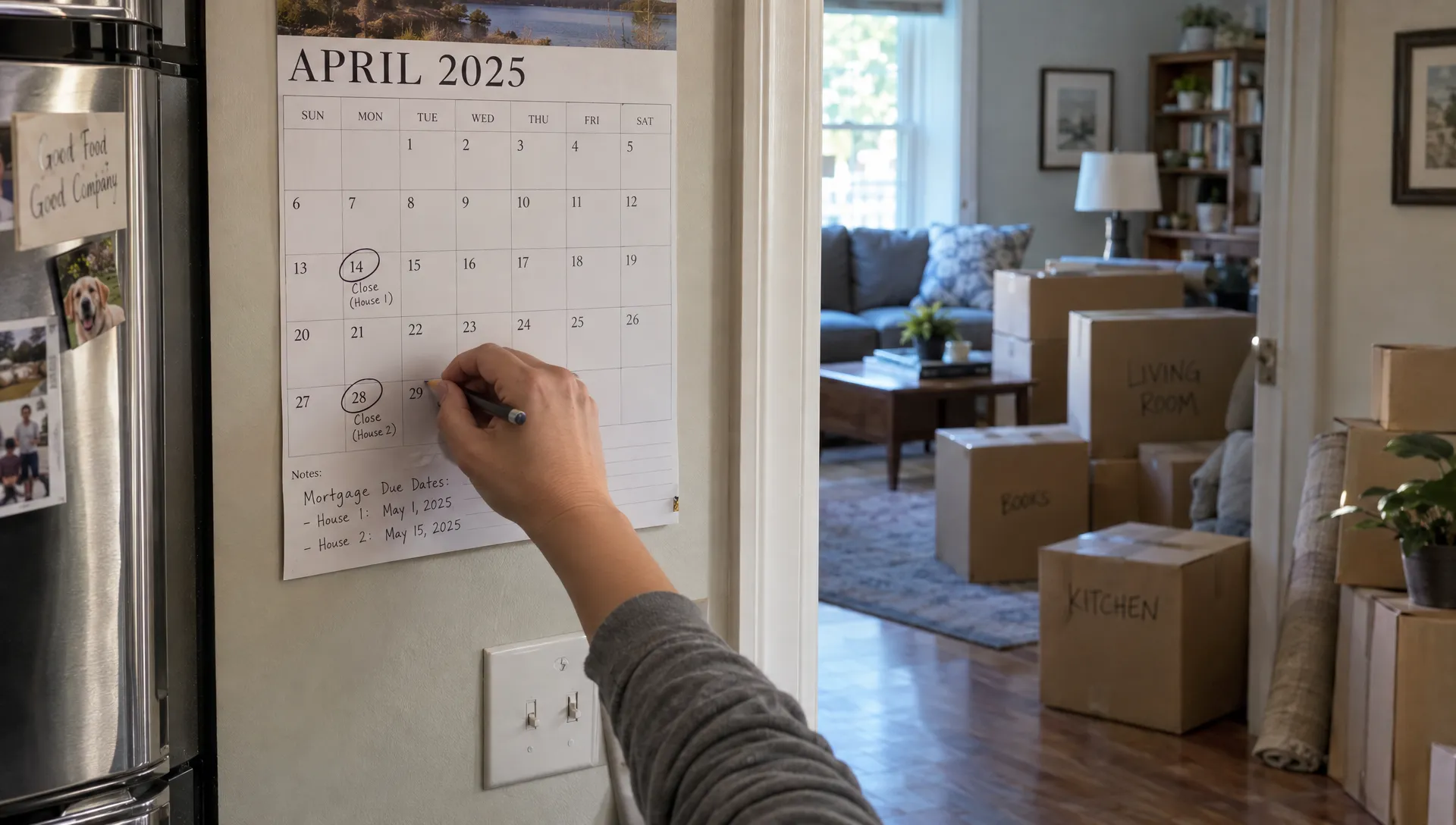
Budgeting for a new home and loan before your old property sells means planning for a period when you own both, not just deciding what you can afford after the sale. Your existing mortgage, the next down payment and a delayed closing can compete for the same cash.
The safest approach is to answer three questions before making an offer: Can you qualify while carrying both properties? How much cash will remain after closing? And how long can that cash support a slower-than-expected sale?
Separate available cash from expected sale proceeds
Start with money you can actually access before the purchase closes. Home equity is not spendable cash until a sale or an approved equity loan makes it available.
Keep three amounts separate:
- Purchase funds: Money for the down payment, closing costs, moving expenses and immediate property needs.
- Overlap funds: Cash available to cover a temporary monthly shortfall while you own both homes.
- Protected reserves: Emergency savings you do not intend to spend on the move, plus any reserves your lender requires.
Lender-required reserves and your personal emergency cushion may overlap, but confirm which assets qualify and when they must be available. Do not assume every account is acceptable for underwriting.
If you are still organizing the purchase itself, New Era Lending’s pre-offer financing checklist provides a useful starting point. The additional task here is testing what happens when the sale and purchase do not line up.
Build a home and loan overlap budget
Use take-home income for your household spending plan. Include only income you can reasonably rely on during the transition, rather than assuming overtime, bonuses or a future raise will cover the difference.
The following figures are illustrative, not recommended payment levels or a mortgage quote.
| Monthly item | Example amount |
|---|---|
| Reliable take-home income | $9,000 |
| Living expenses and nonhousing debt payments | $3,600 |
| Existing home’s full mortgage payment | $2,250 |
| New home’s estimated full mortgage payment | $3,150 |
| Utilities, routine upkeep and property services across both homes | $550 |
| Total monthly expenses | $9,550 |
| Monthly cash shortfall | $550 |
For each mortgage, include principal, interest, property taxes, homeowners insurance, mortgage insurance and association dues where applicable. If something is paid separately rather than through escrow, it still belongs in the budget.
No bridge-loan or home-equity payment is included in this example. Add those obligations if you use that financing. Also replace the new property’s current tax bill with a realistic estimate of what you may owe after purchase, since reassessment rules vary by location.
Translate the shortfall into a realistic runway
A home and loan that fit comfortably after the sale can still create a cash shortage before it. Calculate the overlap using your actual monthly deficit:
Overlap cash needed = monthly shortfall × months carrying both homes + additional transition costs.
In the example, three months requires $1,650 to cover the recurring shortfall. Six months requires $3,300, before unexpected repairs or extra financing charges.
Do not automatically multiply both mortgage payments by six and call that your required cash reserve. If income already covers most expenses, that would overstate the cash you need to draw from savings. Conversely, ignoring living expenses would understate the risk.
Test at least an expected sale date and a delayed sale date. For example, compare a three-month overlap with six months, then add a separate repair or seller-concession scenario. These are planning assumptions, not predictions about how quickly your home will sell.
Calculate what remains after the purchase closes
Monthly affordability does not solve an upfront cash shortage. Your down payment and closing expenses generally must be funded before proceeds from a later sale become available.
For your home and loan budget, calculate post-closing liquidity before deciding how much to put down. Consider this illustrative cash plan:
| Cash item | Example amount |
|---|---|
| Accessible savings before purchase-related spending | $95,000 |
| Down payment | $60,000 |
| Other closing costs, prepaids and initial escrow funding | $10,000 |
| Moving and old-home preparation | $5,000 |
| Cash remaining after those expenses | $20,000 |
| Protected emergency cushion | $12,000 |
| Available overlap funds | $8,000 |
Use the lender’s cash-to-close estimate to reconcile the purchase figures. Earnest money already paid is normally credited toward the transaction, not added again as a second closing expense. Check which moving and preparation bills have already been paid, too.
With an $8,000 overlap fund, the earlier six-month shortfall of $3,300 leaves $4,700 for additional transition costs. A surprise $5,000 repair would push the combined need to $8,300, exceeding that fund.
This is why a larger down payment is not automatically the safer choice. It may reduce the monthly payment while leaving too little cash to get through the sale.
Estimate net sale proceeds, not headline equity
Your likely sale price minus the mortgage balance is only a rough starting point. A home and loan transition budget needs the amount you expect to receive after the transaction’s deductions.
Use this calculation:
Estimated net proceeds = sale price − mortgage payoff − other secured debt payoffs − selling costs − seller credits and other amounts due.
For example, a $475,000 sale with a $285,000 mortgage payoff, $32,000 in selling costs and $8,000 in seller credits produces approximately $150,000 before any additional deductions or applicable taxes. These amounts are assumptions, not standard selling fees.
Ask your agent or closing professional for a seller net sheet under both your expected price and a lower-price scenario. Obtain a current payoff estimate as the closing date approaches, since accrued interest and other charges can change the final amount.
Treat these proceeds as future money. They cannot fund an earlier purchase unless an approved financing arrangement makes funds available in time.
Confirm whether you qualify while owning both properties
Household cash flow and mortgage underwriting use different calculations. Your lender typically evaluates debt-to-income ratio using qualifying gross income, while your spending plan should reflect take-home pay and actual expenses.
Ask the lender to evaluate your home and loan application under the assumption that the existing property has not sold. The old housing obligation may still count unless the loan program’s requirements for excluding it are satisfied. A listing agreement alone should not be assumed sufficient.
An offer on your old home does not necessarily resolve the issue, either. Ask what sale-contract documentation, contingency status or closing evidence the lender needs and by what deadline.
Before committing, request confirmation of:
- Whether you qualify with both housing payments and any temporary financing.
- Required reserves and acceptable sources for the down payment.
- Documentation needed for the pending sale or equity borrowing.
- How a delayed sale would affect approval, pricing or closing readiness.
Disclose new borrowing before opening an account or drawing funds. A new HELOC payment, bridge loan or other debt can change the approval analysis. Preapproval is not a guarantee that every financing change will be acceptable.
Compare ways to handle the timing gap
The best solution may involve the purchase contract rather than another loan. Availability, eligibility and costs depend on your lender, property, location and financial circumstances.
Make the purchase contingent on selling
A home-sale contingency can reduce the risk of closing on the purchase before your existing property sells. Its protections depend on the contract, including deadlines, notice requirements and any seller right to accept another offer.
A seller may reject that contingency or prefer a different offer. Have your real estate agent explain the trade-offs before treating it as a guaranteed exit. Coordinating closings can also help, but confirm when sale proceeds will actually be available for the purchase.
Explore a smaller initial down payment
A different down payment may preserve liquidity without adding a separate short-term loan. Ask the lender to compare the payment, mortgage insurance, rate and closing costs at each eligible level.
Your home and loan comparison should show both post-closing cash and ongoing costs. If you plan to apply sale proceeds later, ask whether a mortgage recast is available, what it costs and which requirements apply. An ordinary principal payment generally does not automatically lower the required monthly payment.
Evaluate bridge loans and home equity borrowing
A bridge loan or borrowing against the old home may make equity available before the sale, but it introduces another obligation. Ask about origination costs, interest, monthly payments, maturity dates and what happens if the property remains unsold.
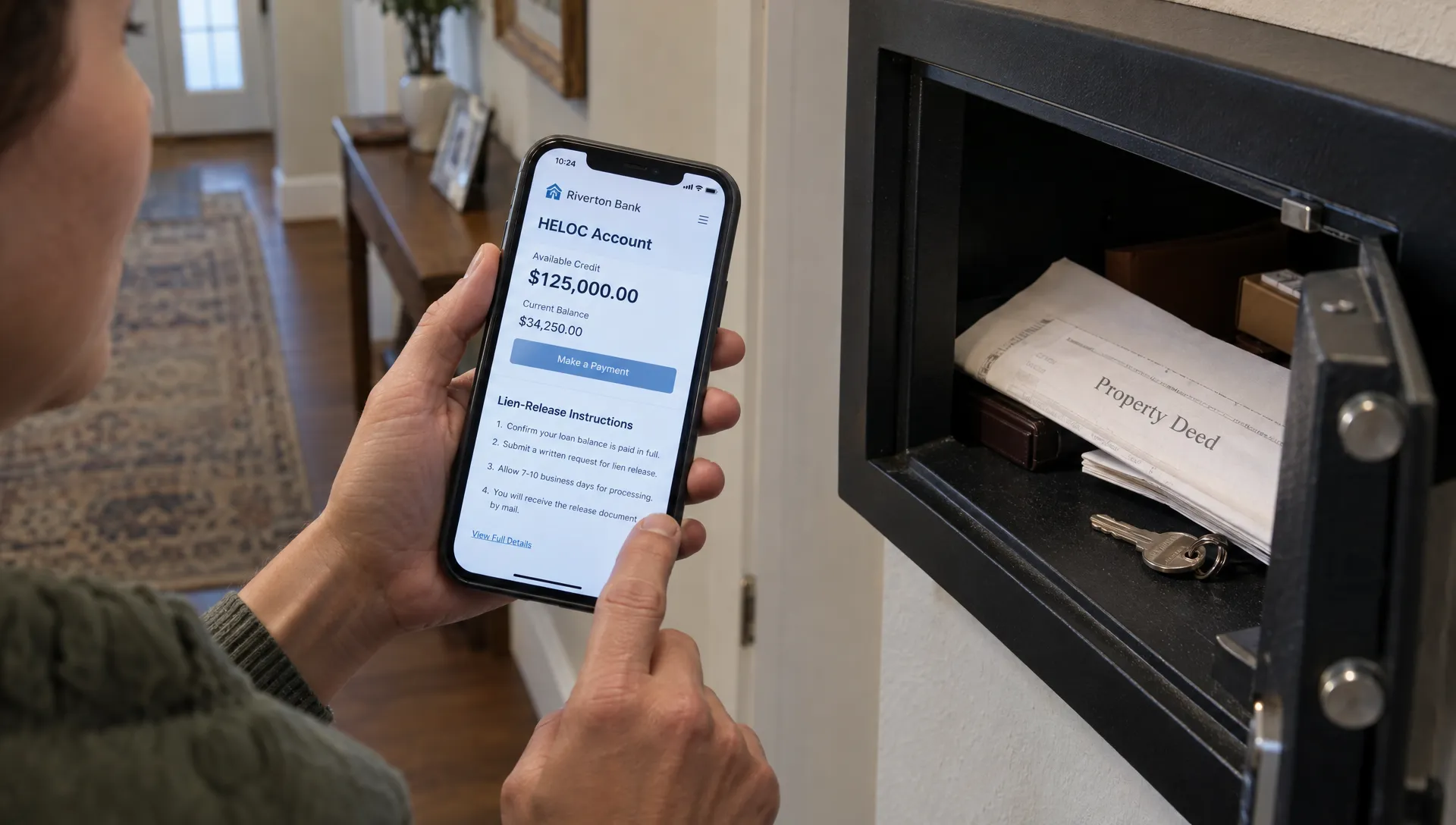
A HELOC’s availability may depend on whether the property is listed for sale, and opening or drawing one can affect purchase underwriting. Do not assume you can obtain it at the last minute.
Compare official purchase-loan disclosures using the Consumer Financial Protection Bureau’s Loan Estimate guide, and review separate disclosures for any equity financing. Look beyond the advertised rate to cash to close, lender fees, mortgage insurance and payment changes.
Budget for the old home after you move out
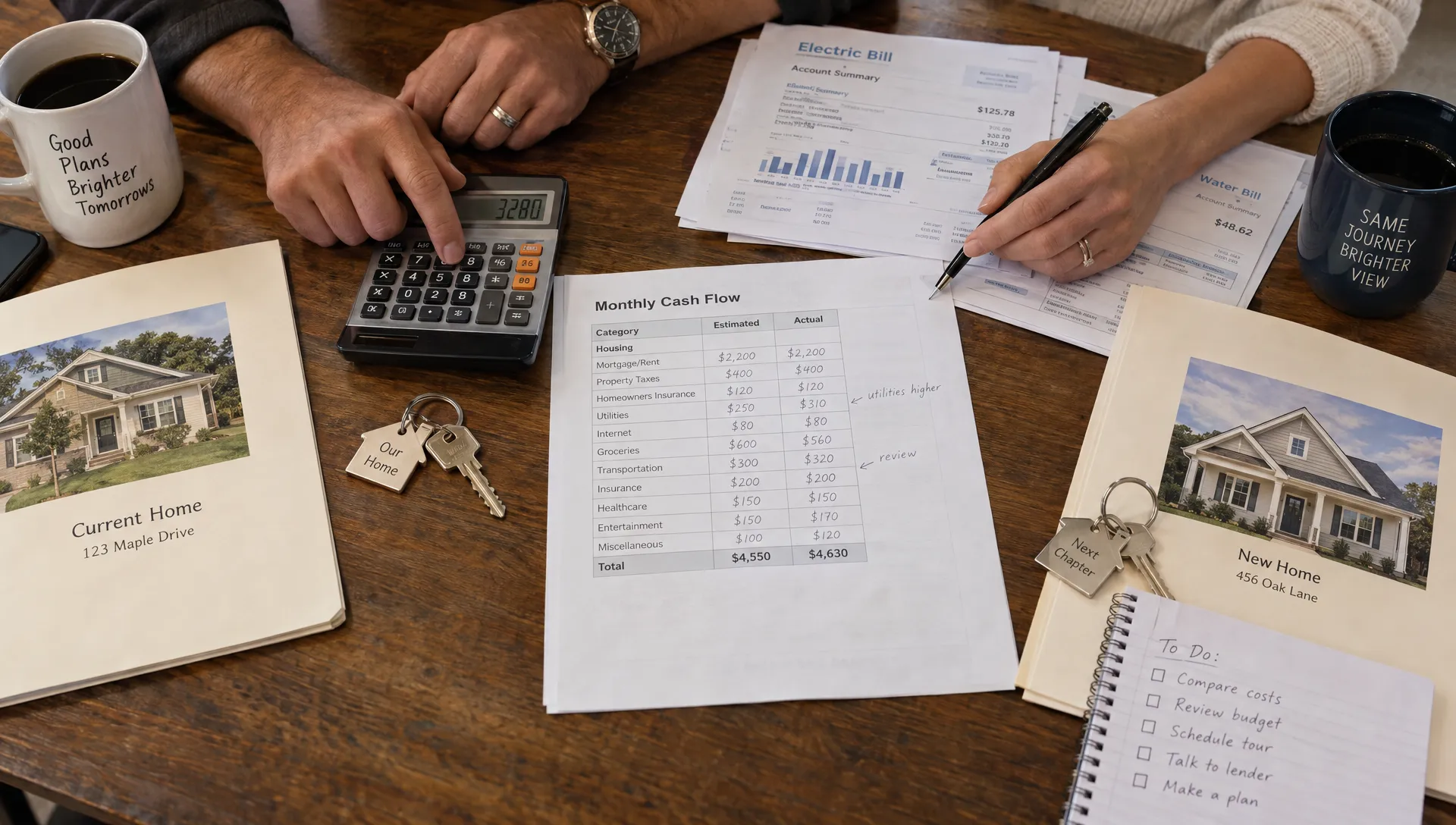
An empty property still needs attention. Utilities, lawn care, snow removal, cleaning and occasional visits can continue until ownership transfers. Include any staging rental, storage or second moving trip that applies to your plan.
Contact the homeowners insurer before moving out. Vacancy or unoccupancy provisions can affect coverage, and the insurer may require changes. Do not cancel coverage simply because you have moved into the new property.
Security can also create installation and recurring costs. For examples of services to price, Netherlands-based Locked Safe Holland’s residential security services include alarms, cameras and alarm response. Obtain local quotes and check monitoring commitments rather than assuming the only expense is buying equipment.
Keep routine upkeep separate from major contingencies. A modest monthly maintenance allowance will not necessarily cover a roof repair, an inspection-related credit or damage discovered while the house is vacant.
Set your decision limits before making an offer
Choose a maximum purchase price, minimum post-closing cash balance and maximum acceptable overlap period. Those limits should come from the stressed budget, not just the amount a lender may approve.
In the examples above, six months of monthly shortfalls plus a $5,000 repair totals $8,300. That exceeds the $8,000 overlap fund without touching the protected emergency cushion. The plan needs adjustment before the buyer commits.
A safer home and loan plan could involve preserving more cash, reducing the purchase price, negotiating a later closing or selling first. Each choice has trade-offs, but identifying them before signing is better than relying on an optimistic sale date.
Also decide what will trigger action if the sale stalls. That might mean reviewing the listing price with your agent after a set period or pausing discretionary purchases. Do not use retirement withdrawals, credit cards or an assumed future refinance as the default rescue plan.
New Era Lending’s guide to matching a mortgage to your budget can help you evaluate the longer-term payment once the temporary overlap ends.
Frequently asked questions
Can I buy another home before my current home sells? Potentially, if you qualify for the new mortgage and have acceptable funds for closing and any required reserves. The lender must evaluate your existing obligations and proposed financing. Approval rules vary by program and borrower circumstances.
Can I use equity in my current home for the next down payment? Potentially, through an approved equity loan, HELOC or bridge arrangement. Expected sale proceeds alone are not available cash. Confirm both funding timing and the effect of the added debt on your purchase approval.
How much should I save to carry two homes? Base your home and loan overlap reserve on the monthly cash shortfall, a realistic delay scenario and additional transition costs. Keep a separate emergency cushion. There is no single reserve amount that fits every household.
Will selling my old home lower my new mortgage payment? Not by itself. You may use proceeds to reduce principal, but the required payment generally remains unchanged unless the loan is recast, refinanced or otherwise modified under applicable terms. Confirm the available options before relying on a lower future payment.
Review both timelines before committing
Bring your current mortgage statement, savings balances, estimated selling costs and proposed purchase budget to New Era Lending. Ask for a review that assumes the old home remains unsold through your delay scenario.
Discuss your purchase financing with New Era Lending to compare a home and loan plan against both your closing-day cash needs and your two-property budget. The goal is a purchase you can support even when the sale takes longer than expected.