
.jpg)
.jpg)





.jpg)


How to Choose a Lending Company You Can Trust
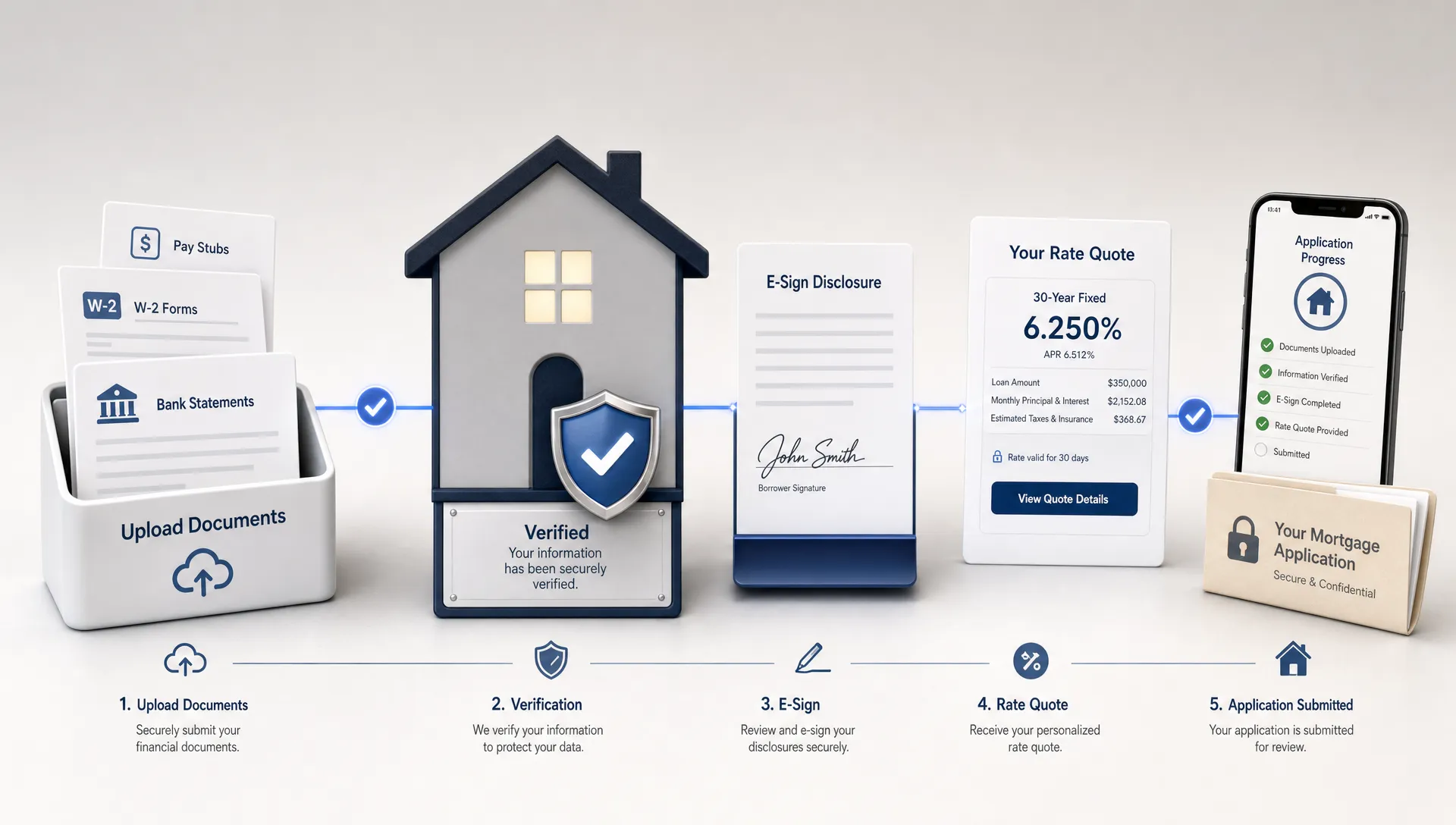
Choosing a lending company is one of the most important financial decisions you will make during a home purchase, refinance, or cash-out loan. The right partner can make the process clearer, calmer, and more predictable. The wrong one can leave you confused about costs, scrambling for documents, or unsure whether you are being offered a loan that truly fits your goals.
Trust matters because mortgage lending is personal. You share income records, tax documents, bank statements, credit details, and long-term financial plans. You also rely on the lender’s guidance to understand rates, fees, timelines, and loan options that may affect your budget for years.
A trustworthy lending company is not simply the one advertising the lowest rate. It is the one that can explain the full picture, document its promises, communicate consistently, protect your information, and help you compare options without pressure. Here is how to evaluate a lender with confidence.
Start With Licensing, Credentials, and Accountability
Before comparing rates or loan programs, verify that the lending company is properly licensed to operate where you live. Mortgage companies and loan originators are regulated, and legitimate professionals should be easy to look up.
A practical first step is to search the lender or loan officer through NMLS Consumer Access, a public database that helps consumers review licensing information. You can use it to confirm whether a company or individual is authorized, where they are licensed, and whether there are public regulatory actions listed.
This does not replace your own judgment, but it gives you a baseline. If a company is vague about licensing, avoids sharing an NMLS number, or pushes you to move forward before you can verify credentials, take that seriously.
You should also look for basic signs of business legitimacy:
- A professional website with clear contact information
- Licensed loan originators who identify themselves by name
- Written disclosures and formal application steps
- Secure channels for sharing documents
- Clear explanations of your rights, obligations, and timeline
Trust begins with transparency. If a lender is legitimate, they should welcome verification rather than treat it like an inconvenience.
Look Beyond the Interest Rate
A low interest rate can be attractive, but it does not tell you the full cost of a mortgage. A lender can quote a low rate while charging higher points, lender fees, or closing costs. Another lender may quote a slightly higher rate with lower upfront costs, which could be better depending on how long you plan to keep the loan.
That is why you should compare official Loan Estimates, not casual verbal quotes. The Consumer Financial Protection Bureau’s Loan Estimate guide explains how this standardized form helps borrowers review estimated payments, closing costs, taxes, insurance, and loan terms.
When comparing lending companies, pay attention to:
- Interest rate and APR
- Discount points or lender credits
- Origination charges
- Estimated cash to close
- Monthly principal and interest
- Mortgage insurance, if applicable
- Whether the rate is locked or floating
- Prepayment penalties, if any
APR is useful because it reflects certain loan costs in addition to the interest rate, but it still should not be viewed in isolation. The best choice depends on your budget, your time horizon, and your financial priorities. If you want a deeper walkthrough, New Era Lending’s guide to comparing home loan lending rate quotes explains how to evaluate rates, APR, points, lender credits, and cash to close side by side.
A trustworthy lending company should be able to explain why one structure may work better than another. If the conversation is only about “the lowest rate today,” you may not be getting the guidance you need.
Ask Whether the Loan Fits Your Actual Goal
A good lender does not start by forcing you into a product. They start by understanding your goal.
Are you buying your first home? Moving up? Refinancing to lower your payment? Shortening your term? Accessing equity for home improvements, debt consolidation, or another major need? Each goal can point to a different loan structure.
For example, a borrower purchasing a home with limited savings may need to evaluate down payment requirements and mortgage insurance. A homeowner refinancing may care more about break-even timing, total interest, and whether closing costs make sense. A veteran or active-duty service member may want to explore VA loan eligibility. A self-employed borrower may need extra help preparing documentation.
The right lending company should help you compare options in plain language. That includes explaining tradeoffs, not just advantages. If you are still narrowing down the best loan type for your situation, this guide on how to find the right loan without guesswork can help you think through goals, payment comfort, total cost, and long-term plans.
Trustworthy lending is not one-size-fits-all. It is personalized, documented, and grounded in what you can comfortably afford.
Evaluate Communication Before You Commit
The mortgage process has many moving parts: pre-approval, underwriting, appraisal, title work, insurance, closing disclosures, and final funding. Even a strong loan file can feel stressful if communication is poor.
Pay attention to how the lender communicates during your first few interactions. Do they answer your questions directly? Do they explain unfamiliar terms? Do they follow up when they say they will? Do they help you understand what comes next?
Good communication is especially important when timelines are tight. In a purchase transaction, delays can affect contract deadlines. In a refinance, missing documents or slow responses can cause a rate lock to expire. A reliable lending company should set realistic expectations early and keep you informed as conditions change.
You do not need a lender who overwhelms you with jargon. You need one who can translate the process into clear next steps.
Pay Attention to Data Security and Process Quality
A mortgage application requires sensitive personal and financial information. That means security should be part of your trust checklist.
Be cautious if a lender asks you to email large amounts of sensitive information without secure upload options. While no digital process is risk-free, reputable companies typically use secure document collection methods and professional systems for applications, disclosures, and e-signatures.
A modern process should also make the experience easier without making it careless. Fast approvals and online tools can be valuable, but speed should not come at the expense of accuracy, compliance, or borrower understanding.
The strongest lending experience often combines technology with human guidance. Secure uploads, e-signature support, and digital communication can reduce friction, while knowledgeable loan professionals can help you interpret the details and avoid costly misunderstandings.

Read Reviews With the Right Lens
Online reviews can help you spot patterns, but they should not be the only factor in your decision. A single glowing review or angry complaint may not tell the full story. Look for themes across multiple reviews.
Do borrowers mention clear communication? Smooth closings? Honest expectations? Helpful explanations? Or do you see repeated complaints about surprise fees, poor follow-up, missed deadlines, or confusing instructions?
Also consider the source of the review. Referrals from real estate agents, friends, family members, or financial professionals can be useful, but remember that your situation may be different from theirs. A lender who was great for a conventional purchase may not be the best fit for a VA loan, refinance, jumbo loan, or self-employed borrower.
This same principle applies to other homeowner decisions. When you hire professionals for repairs or improvements, you likely look for transparent pricing, qualified specialists, and reliable response times, the same trust signals highlighted by home service providers such as TradesLocal’s nationwide repair and installation support. Choosing a lending company deserves the same level of care because the financial stakes are even higher.
Watch for Red Flags
Some warning signs are subtle. Others are obvious. Either way, do not ignore discomfort during the lending process.
Be cautious if a lender:
- Pressures you to apply immediately without answering questions
- Refuses to provide written estimates or disclosures
- Focuses only on rate while avoiding fees and cash to close
- Makes promises that sound too good to be true
- Cannot explain why a loan option fits your situation
- Encourages you to omit or misstate information
- Uses unsecured or informal methods for sensitive documents
- Is hard to reach before you have even applied
The biggest red flag is pressure without clarity. A reputable lending company should want you to understand your options before you make a decision.
Ask Smart Questions Before You Apply
You do not need to become a mortgage expert, but asking the right questions can reveal a lot about how a lender operates. The quality of the answers matters as much as the answers themselves.
Consider asking:
- What loan options do I qualify for, and why might one be better than another?
- What assumptions are included in this quote?
- Is this rate locked, and if not, what could change?
- What are the total estimated closing costs?
- How much cash will I need to close?
- What documents should I prepare now?
- How often will I receive updates during the process?
- What could delay my approval or closing?
If the lender answers clearly and patiently, that is a good sign. If they seem annoyed, vague, or dismissive, keep looking. New Era Lending also offers a helpful list of questions to ask a home loan mortgage lender before you apply.
Compare the Experience, Not Just the Offer
When two lending companies offer similar pricing, the experience can become the deciding factor. A slightly lower-cost loan may not feel worth it if the process is disorganized, confusing, or risky. On the other hand, strong service does not excuse unclear costs.
The best choice balances both: competitive terms and a process you can trust.
As you compare lenders, think about these questions:
- Did the lender explain the full cost of the loan?
- Did they help you understand tradeoffs?
- Did they respond quickly and professionally?
- Did they provide secure ways to share information?
- Did they tailor recommendations to your goals?
- Did they make you feel informed rather than rushed?
A lending company you can trust should make the mortgage process feel more manageable. You may still have paperwork, deadlines, and decisions, but you should not feel alone or in the dark.
Choose a Lending Company That Makes Clarity a Priority
Trust is built through consistent actions. A lender earns it by being transparent before you apply, responsive while your file is in process, and thorough when explaining the final terms before closing.
As you evaluate your options, remember that the right lending company should do more than approve a loan. It should help you understand what you are signing, how the loan fits your budget, and what to expect from application to closing.
For many borrowers, the ideal experience blends modern convenience with real human support. Technology can simplify document uploads, disclosures, and signatures. Experienced guidance can help you make sense of rates, terms, and loan choices. Together, they create a lending process that feels both efficient and personal.
Frequently Asked Questions
What makes a lending company trustworthy? A trustworthy lending company is properly licensed, transparent about rates and fees, responsive to questions, secure with your documents, and willing to explain loan options without pressure.
Should I choose the lender with the lowest interest rate? Not always. The lowest rate may come with higher points, fees, or closing costs. Compare Loan Estimates, APR, cash to close, monthly payment, and how long you expect to keep the loan.
How can I verify a mortgage lender? You can look up a mortgage company or loan originator through NMLS Consumer Access, review state licensing information, read customer reviews, and ask for written disclosures before moving forward.
When should I start comparing lending companies? Start before you make an offer on a home or begin a refinance application. Early comparison gives you time to understand your options, prepare documents, and avoid rushed decisions.
What should I do if a lender is pressuring me? Slow down and ask for written details. If the lender cannot clearly explain costs, terms, or next steps, consider getting another quote before sharing more information or signing documents.
Ready for a Clearer Mortgage Experience?
Choosing a lending company you can trust starts with asking better questions and expecting clear answers. New Era Lending combines smart mortgage technology with personalized human guidance to help borrowers purchase, refinance, or access home equity with more confidence.
If you are ready to explore your options, visit New Era Lending and take the next step toward a simpler, more transparent mortgage process.