.jpg)
.jpg)





.jpg)

How Mortgage Rate Payments Affect Your Budget
A mortgage rate does more than decide how much interest you pay over the life of a loan. It shapes your monthly cash flow, your buying power, your loan approval range and the amount of financial breathing room you keep after closing. That is why mortgage rate payments should be viewed as a budget decision, not just a loan pricing detail.
A lower rate can make a home feel more affordable because it reduces the principal and interest portion of your payment. A higher rate can force tradeoffs, such as choosing a lower purchase price, increasing your down payment, changing loan programs or accepting a tighter monthly budget. The right question is not only what rate can I get? It is what payment can I comfortably live with after the mortgage is in place?
What mortgage rate payments actually mean
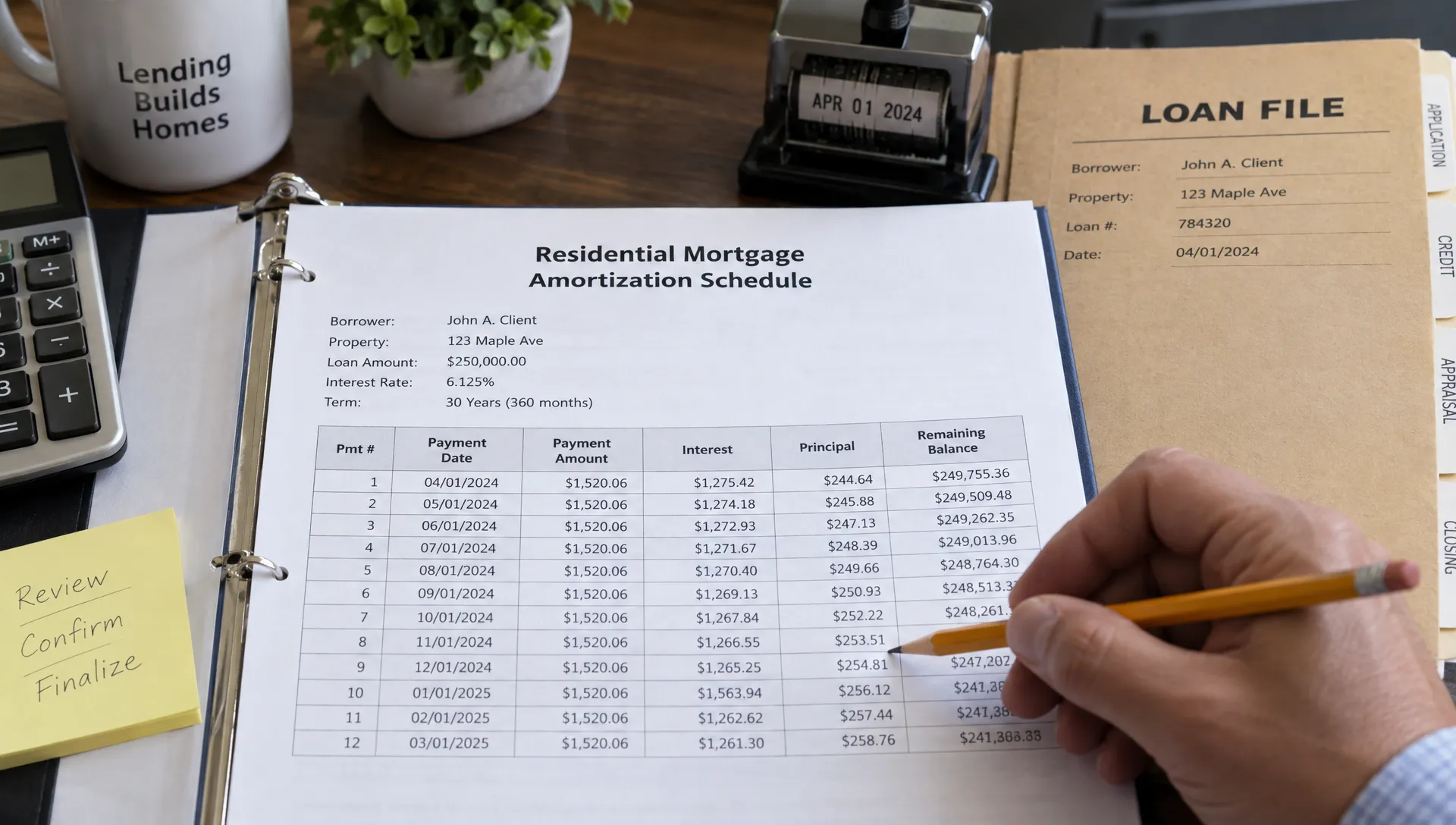
When people talk about mortgage rate payments, they are usually referring to how the interest rate affects the principal and interest part of the monthly mortgage bill. The rate is the annual cost of borrowing the loan balance. The lender then calculates a monthly payment that repays the loan over the chosen term, such as 15, 20 or 30 years.
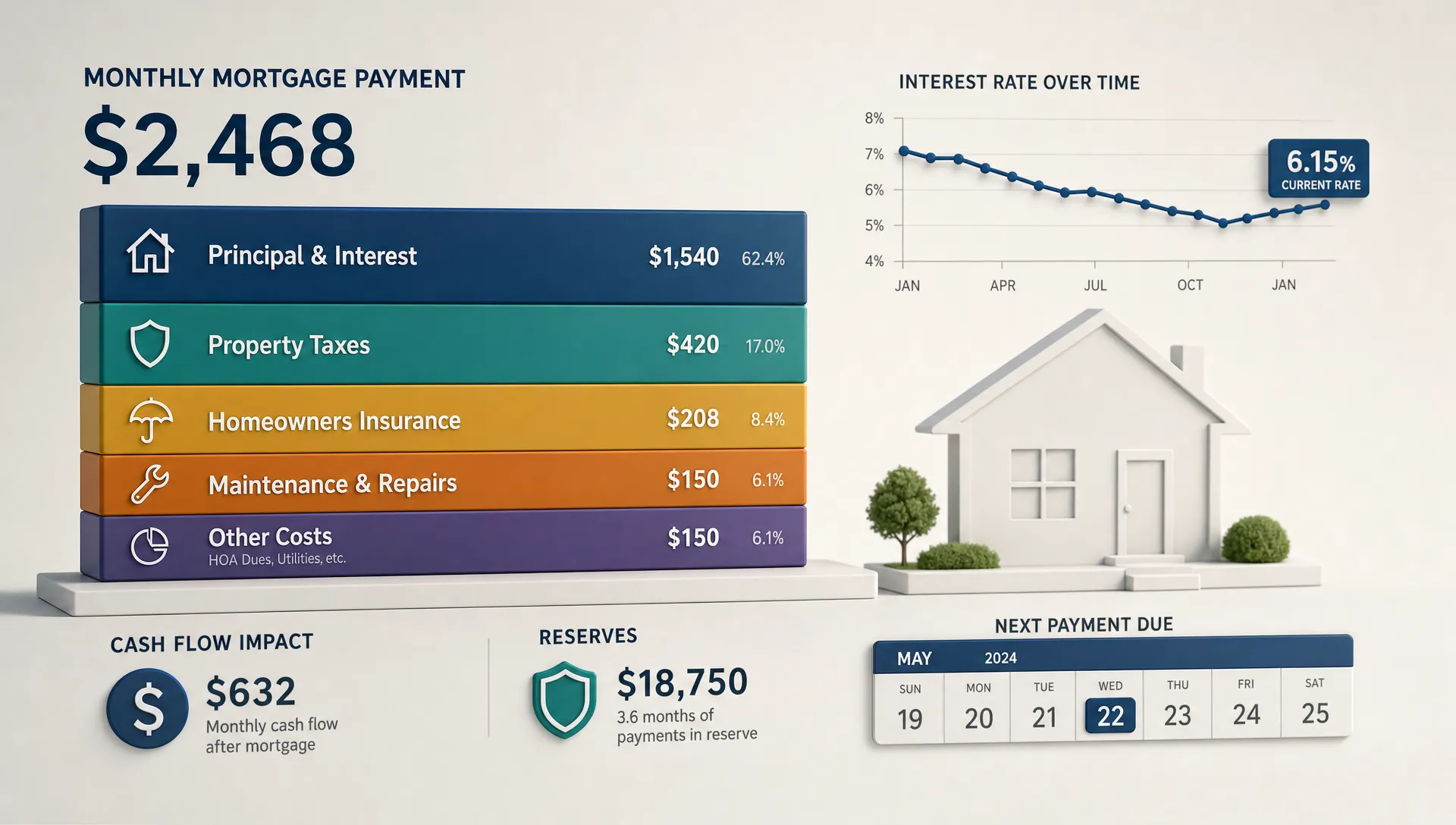
That principal and interest payment is only one part of your total housing cost. Your full monthly payment may also include property taxes, homeowners insurance, mortgage insurance, HOA dues or other property-related costs. If you want a deeper breakdown of these moving parts, New Era Lending explains how mortgage payments are built and why they change in more detail.
The distinction matters because a fixed mortgage rate can keep your principal and interest stable, but it does not freeze every homeownership cost. Taxes and insurance can still change. HOA dues can rise. Maintenance costs can surprise you. A budget built only around the interest rate may look fine on paper and feel tight in real life.
Why small rate changes can have a big monthly impact
Mortgage loans are large, long-term debts, so even a modest rate change can affect your budget. The dollar impact depends on your loan amount, term and loan structure.
Consider a simple example. On a $350,000 30-year fixed mortgage before taxes and insurance, the principal and interest payment at 6.5% is about $2,212 per month. At 7%, it is about $2,329 per month. That half-point difference is roughly $117 per month, or about $1,404 per year.
If the same loan moved from 6% to 7%, the monthly principal and interest payment would rise from about $2,098 to about $2,329. That is about $231 more per month. For some households, that difference is the grocery cushion, the emergency fund contribution, the student loan payment or the money reserved for repairs.
This is why focusing only on purchase price can be misleading. The same home price can feel very different at different rates. A buyer who was comfortable with one payment level may need to adjust when rates shift, even if the listing price has not changed.
How mortgage rates affect your day-to-day budget
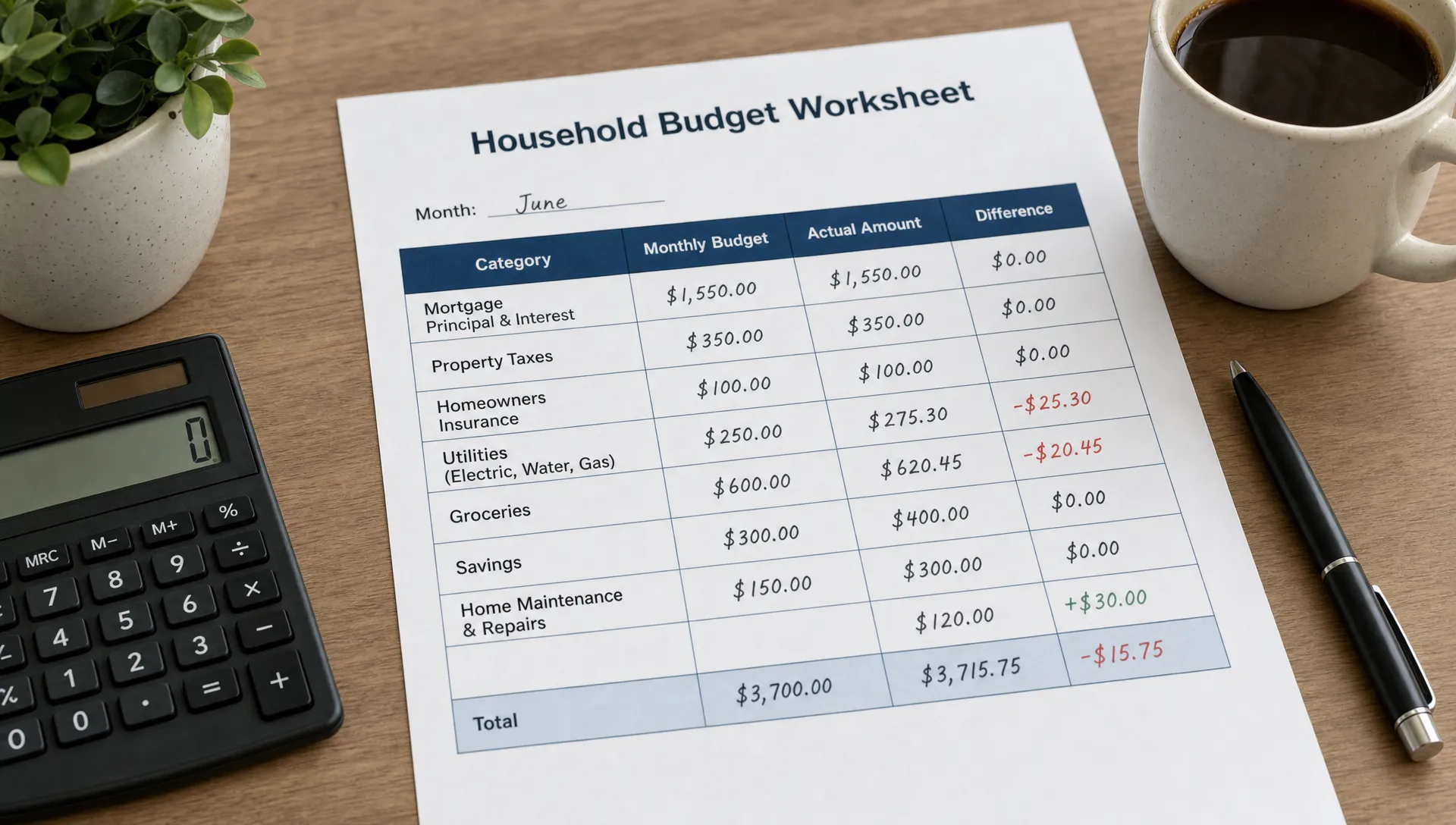
Your monthly mortgage payment sits at the center of your financial life because it is due every month and usually cannot be delayed without consequences. A higher rate can tighten your budget in several practical ways:
- It leaves less room for utilities, groceries, childcare, transportation and other recurring expenses.
- It can reduce how much you save for emergencies, retirement or future home improvements.
- It may affect your debt-to-income ratio, which lenders use when reviewing your mortgage application.
- It can shrink the price range that feels comfortable, even if you technically qualify for more.
- It may increase stress when other costs rise, such as insurance premiums or property taxes.
The approval amount a lender calculates is not always the same as the payment you should choose. Lenders review income, debts, credit, assets and loan guidelines. Your personal budget also includes lifestyle choices, family goals, medical expenses, job stability and how much risk you are willing to carry.
A sustainable mortgage leaves room for normal life. That includes the first year of furnishing, repairs after inspection items become real projects, seasonal utility swings and the occasional unexpected bill.
Rate, APR and total cost are not the same thing
The interest rate tells you what the lender charges on the loan balance. The APR, or annual percentage rate, is designed to reflect the cost of the loan with certain fees included. Your monthly payment tells you what leaves your bank account each month. All three are useful, but they answer different questions.
A loan with a lower interest rate may come with higher upfront costs, such as discount points. A loan with a slightly higher rate may offer lender credits that reduce cash needed at closing. Neither option is automatically better. The better choice depends on how long you expect to keep the loan, how much cash you want to preserve and whether the monthly savings justify the upfront cost.
The Consumer Financial Protection Bureau provides a standard Loan Estimate format that helps borrowers compare projected payments, closing costs and loan terms side by side. Reviewing that document carefully can prevent you from choosing a loan based on a rate quote alone.
If you are considering points, credits or other ways to change your rate, it helps to compare the short-term and long-term effects together. New Era Lending covers this balance in its guide on how to lower rates without hurting your budget.
How rates influence how much home you can afford
A mortgage rate can change your buying power because it changes the payment attached to a given loan amount. If rates rise, the same monthly budget supports a smaller loan. If rates fall, the same budget may support a larger loan, although that does not always mean you should borrow more.
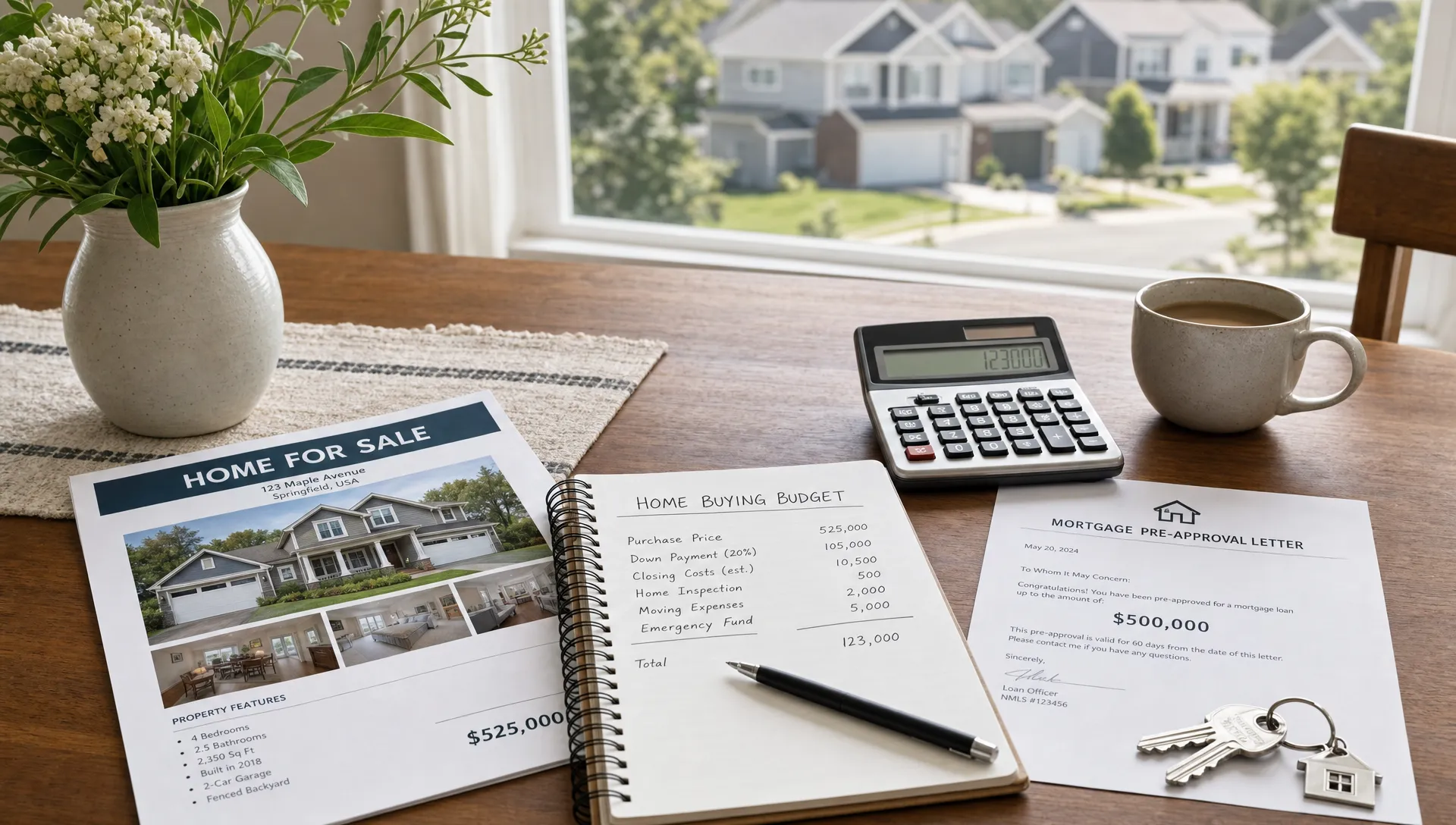
For example, a buyer targeting a certain monthly payment may need to adjust the purchase price, down payment or loan program when rates move. This is one reason preapproval should not be treated as a one-time event. If market rates change while you are shopping, ask your lending team to update your numbers before you make an offer.
Your affordability also depends on what is included in the payment estimate. A home with higher property taxes may cost more each month than a higher-priced home in a lower-tax area. A property with HOA dues can reduce the loan amount that fits the same budget. A smaller down payment may add mortgage insurance, which affects the monthly payment even if the interest rate looks attractive.
The smartest buyers compare homes by total monthly cost, not just list price. That gives you a clearer sense of how each property will fit into your actual budget after closing.
Fixed-rate vs adjustable-rate payments
Fixed-rate mortgages are popular because the principal and interest payment stays the same for the life of the loan. That predictability can make budgeting easier, especially for buyers who plan to stay in the home long term or prefer stable monthly obligations.
Adjustable-rate mortgages, often called ARMs, may offer a lower initial rate for a set period. After that period, the rate can adjust based on the loan terms. An ARM can be useful in certain situations, but it requires careful budget testing. You need to understand the first adjustment date, the adjustment caps, the index, the margin and the highest payment the loan could reach.
If you can only afford the initial ARM payment, the loan may carry more risk than your budget can comfortably absorb. If you have a clear plan, such as selling before the adjustment period or expecting a major income change, the structure may be worth discussing. The key is to avoid relying on best-case assumptions.
Why your payment can change even when your rate does not
A fixed mortgage rate does not guarantee a fixed total housing payment. If your taxes and insurance are collected through an escrow account, your lender may review that account each year. When taxes or insurance premiums rise, the escrow portion of your payment may increase.
This catches many homeowners off guard because they think fixed-rate means fixed payment. More precisely, fixed-rate means the principal and interest portion stays fixed. The escrow portion can still move.
Homeowners insurance has become a larger budgeting concern in many markets due to weather risk, rebuilding costs and regional insurance changes. Property taxes can also increase after reassessment, home value changes or local tax decisions. These items are not controlled by your mortgage rate, but they determine how your payment feels month to month.
A strong budget accounts for this by leaving a cushion. If your mortgage payment consumes every spare dollar at closing, even a modest escrow increase can become stressful later.
Mortgage rate payments and other debt
Your mortgage does not exist in isolation. Credit cards, auto loans, student loans, personal loans and other obligations all affect how much monthly payment you can handle. Lenders review these debts when calculating debt-to-income ratio, but you should also review how they affect your day-to-day flexibility.
Using short-term borrowing to make a mortgage payment feel affordable is usually a warning sign. It may solve a temporary cash gap, but it can also add another monthly obligation and make the budget harder to manage. If you are comparing non-mortgage borrowing in another country, use the same discipline: verify licensing, fees and repayment timing, whether you are reviewing a bank product, a credit union or a licensed money lender in Singapore. The broader lesson is simple. Any debt payment should be evaluated by its total cost and its effect on monthly cash flow.
Before taking on a mortgage, look at all existing debt and ask whether the new payment still leaves room for savings. A borrower with a slightly higher mortgage rate but low overall debt may feel more comfortable than a borrower with a lower mortgage rate and several competing payments.
How to stress-test your mortgage budget
A good mortgage budget should survive more than the first monthly payment. It should hold up through rate changes before closing, escrow adjustments after closing and ordinary life expenses.
Use this practical stress test before you commit:
- Start with take-home pay, not gross income, so the budget reflects actual cash available.
- Add the full estimated housing payment, including principal, interest, taxes, insurance, mortgage insurance and HOA dues if applicable.
- Include every recurring debt payment, even if it feels small.
- Build in realistic utilities, transportation, groceries, childcare, healthcare and maintenance.
- Test the payment with an added cushion, such as a higher insurance premium or property tax change.
- Keep cash reserves separate from closing funds so the move does not drain your safety net.
If the budget only works when everything goes perfectly, the payment may be too tight. If it still works after adding a reasonable cushion, the mortgage is more likely to support long-term stability.
Refinancing and rate changes after you buy
Mortgage rate payments also matter after you own the home. If rates fall, refinancing may reduce the monthly payment, shorten the loan term or help change loan structure. But refinancing has costs. You need to compare the new payment, closing costs, breakeven timeline and how long you expect to keep the loan.
A cash-out refinance adds another layer. It can give access to home equity for major expenses, debt consolidation or improvements, but it may increase the loan balance and the monthly payment. Even if the rate looks competitive, the total budget impact needs review.
If rates rise after you buy, a fixed-rate loan can protect the principal and interest payment you already locked. That can be valuable for long-term budgeting. If you have an adjustable-rate loan, rising rates may affect future payments based on the loan terms.
Frequently Asked Questions
How much does a 1% mortgage rate change affect monthly payment? It depends on the loan amount and term. On a $350,000 30-year fixed mortgage, the principal and interest payment is about $231 higher at 7% than at 6%. Your actual payment will also depend on taxes, insurance and other costs.
Do mortgage rate payments include taxes and insurance? The rate directly affects the principal and interest part of the payment. Your full monthly housing payment may also include property taxes, homeowners insurance, mortgage insurance and HOA dues.
Is the lowest mortgage rate always the best option? Not always. A lower rate may require higher upfront costs, such as points. Compare the monthly savings, cash needed at closing, APR and how long you expect to keep the loan.
Can my payment change with a fixed-rate mortgage? Yes, the principal and interest portion stays fixed, but your total payment can change if property taxes, insurance premiums or escrow requirements change.
How can I protect my budget before locking a mortgage? Ask for payment scenarios at different rates, review the full Loan Estimate, include all housing costs and keep a cash reserve after closing. Your comfort level matters as much as your approval amount.
Build a mortgage budget before you choose the loan
A mortgage should fit your life, not just your application. The best rate is the one that works alongside your full monthly budget, closing cash, savings goals and long-term plans.
New Era Lending combines smart mortgage technology with personalized human guidance to help borrowers compare options for purchasing, refinancing or accessing equity. With transparent rate and term discussions, secure document uploads, e-signature support and lending availability across 39 states, New Era Lending can help you understand the payment before you commit to the loan.