.jpg)
.jpg)





.jpg)


FHA Refinance Options: When It Makes Sense

If you already have an FHA loan, refinancing can feel like an easy “yes” when you see a lower rate or need cash from your home. But an FHA refinance is not one single product, and the best option depends on your current loan, your equity, your credit profile, your mortgage insurance costs, and how long you expect to keep the home.
In 2026, the smart question is not simply, “Can I get a lower rate?” It is, “Will this refinance improve my total financial picture after closing costs, mortgage insurance, and the new loan term are included?”
Below, we’ll break down the main FHA refinance options, when each one can make sense, and what to compare before you apply.
What Is an FHA Refinance?
An FHA refinance replaces your current mortgage with a new loan insured by the Federal Housing Administration. Depending on the program, you may be able to lower your monthly payment, move from an adjustable rate to a fixed rate, access home equity, finance repairs, or refinance into a loan that fits your current credit and income profile.
FHA loans are often attractive because they can offer more flexible qualification standards than some conventional loans. However, FHA financing also includes mortgage insurance premiums, often called MIP, which can affect the true cost of refinancing.
That is why an FHA refinance should be evaluated as a full scenario, not just as a new interest rate.
The Main FHA Refinance Options
FHA refinance programs are designed for different borrower goals. Some are built for speed and simplicity, while others require full underwriting, an appraisal, and a closer look at your income, credit, and equity.
FHA Streamline Refinance
An FHA Streamline Refinance is designed for homeowners who already have an FHA-insured mortgage and want a more efficient way to refinance. According to HUD’s FHA Streamline Refinance guidance, the program is intended to reduce paperwork and simplify the process for eligible FHA borrowers.
The biggest advantage is that an FHA streamline may not require a new appraisal, and some versions may require less income and credit documentation than a standard refinance. That can be helpful if your home value is uncertain, your equity is limited, or you want a simpler path than a full refinance.
An FHA Streamline Refinance may make sense when:
- You already have an FHA loan.
- You want to lower your monthly principal, interest, and mortgage insurance payment.
- You want to move from an FHA adjustable-rate mortgage to a fixed-rate loan.
- You do not need to take cash out.
- Your existing FHA loan meets seasoning and payment history requirements.
There are limits. FHA streamline refinances generally must provide a “net tangible benefit,” such as a payment reduction or a more stable loan structure. They also do not allow meaningful cash back to the borrower. Closing costs still matter, and a new upfront mortgage insurance premium may apply, although some borrowers refinancing from one FHA loan to another may be eligible for an upfront MIP credit depending on timing and FHA rules.
FHA Simple Refinance or FHA Rate-and-Term Refinance
A standard FHA refinance, sometimes discussed as an FHA simple refinance or rate-and-term refinance depending on the details, is a fuller refinance process. Unlike a streamline refinance, it typically involves an appraisal, credit review, income verification, and underwriting.
This option can be used when the streamline path does not fit, or when you are refinancing a non-FHA loan into an FHA loan. For example, a homeowner with a conventional loan who has experienced credit challenges may find that FHA guidelines offer a more workable refinance path than a new conventional loan.
This type of FHA refinance may make sense when:
- You want to refinance into FHA because conventional qualification is difficult.
- You need a new appraisal to support the refinance.
- You want to change your rate, term, or loan structure without taking significant cash out.
- You are comfortable going through full underwriting.
The tradeoff is that the process is more detailed than a streamline refinance. You will need to qualify based on current FHA and lender guidelines, and the new loan will include FHA mortgage insurance.
FHA Cash-Out Refinance
An FHA cash-out refinance allows you to replace your existing mortgage with a larger FHA-insured loan and receive part of your home equity as cash at closing. This can be useful for major expenses, but it should be approached carefully because you are increasing the debt secured by your home.
FHA cash-out refinances typically require full underwriting and a new appraisal. FHA cash-out guidelines commonly limit the new loan to up to 80% of the home’s appraised value, subject to current FHA rules and lender requirements.
An FHA cash-out refinance may make sense when:
- You have enough equity to access cash after paying off your current mortgage and closing costs.
- You plan to use the funds for a clear financial purpose, such as home improvements, necessary repairs, or structured debt consolidation.
- The new payment fits comfortably within your budget.
- You understand that your home is collateral for the larger loan.
Cash-out refinancing is not automatically better than a HELOC or home equity loan. If you only need flexible access to funds over time, a line of credit may be worth comparing. If you want a single fixed payment and are comfortable replacing your first mortgage, a cash-out refinance may be more appropriate. For a deeper comparison, see New Era Lending’s guide to cash-out mortgage loans vs. HELOCs.

FHA 203(k) Refinance
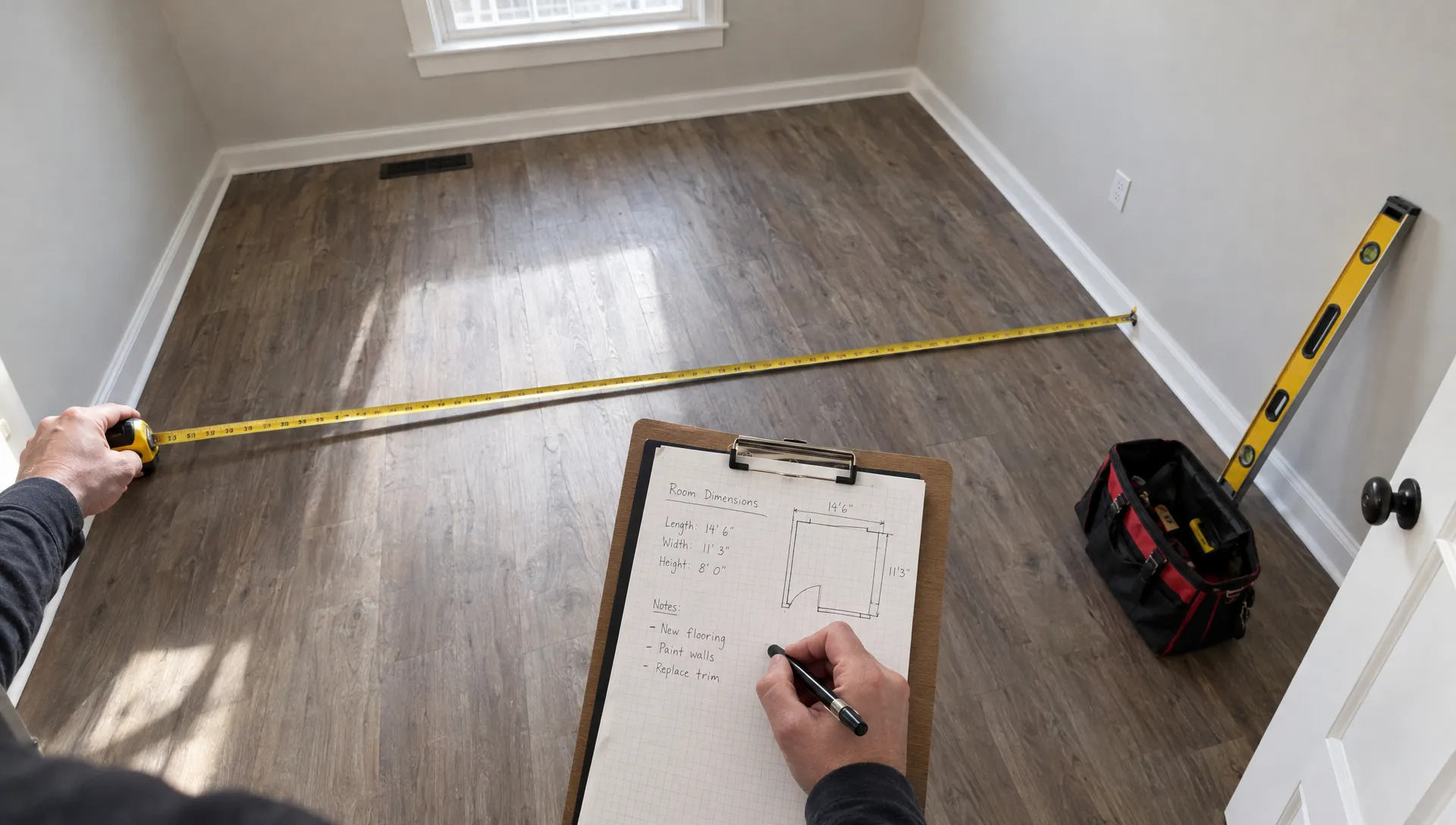
An FHA 203(k) refinance is designed for homeowners who want to refinance and finance eligible home repairs or improvements into the same mortgage. Instead of taking out a separate renovation loan, the cost of approved repairs can be built into the FHA loan structure.
This option can make sense if your home needs updates, safety repairs, or improvements that may support long-term value. HUD provides information about the FHA 203(k) rehabilitation mortgage program, including its purpose and general structure.
An FHA 203(k) refinance may make sense when:
- Your home needs repairs or improvements.
- You want one refinance process instead of separate financing.
- The renovation plan meets FHA program rules.
- You are prepared for additional documentation, contractor estimates, and project oversight.
This is usually not the fastest refinance option. Renovation financing adds complexity, so it is important to work with a lender who can explain timelines, eligible repairs, documentation, and draw procedures before you commit.
Refinancing Out of FHA Into a Conventional Loan
This is not technically an FHA refinance, but it is one of the most important options for FHA borrowers to consider. If you currently have an FHA loan and your credit, equity, and income have improved, refinancing into a conventional loan may help you reduce or remove monthly mortgage insurance.
FHA mortgage insurance can last for a long time depending on your original down payment, loan term, and FHA rules at the time your loan was originated. Conventional private mortgage insurance, or PMI, may be removable once you meet certain equity requirements. That difference can matter if you plan to keep the home for several more years.
Refinancing out of FHA may make sense when:
- Your home value has increased and your loan-to-value ratio has improved.
- Your credit profile is stronger than when you first bought the home.
- You may qualify for a competitive conventional rate.
- Removing or reducing mortgage insurance creates meaningful monthly savings.
If your main goal is to reduce mortgage insurance costs, compare the full FHA refinance scenario against a conventional refinance. New Era Lending’s guide to PMI, FHA MIP, and VA mortgage insurance options explains the differences in more detail.
When an FHA Refinance Makes Sense
The right FHA refinance option depends on your goal. A streamline refinance may be ideal for one homeowner, while a cash-out refinance or conventional refinance may be better for another. Here are the most common situations where refinancing can be worth exploring.
Your Payment Drops Enough to Justify the Cost
A lower payment is one of the most common reasons to refinance, but the savings must be weighed against closing costs. Those costs may be paid upfront or rolled into the new loan, but either way, they are still part of the financial equation.
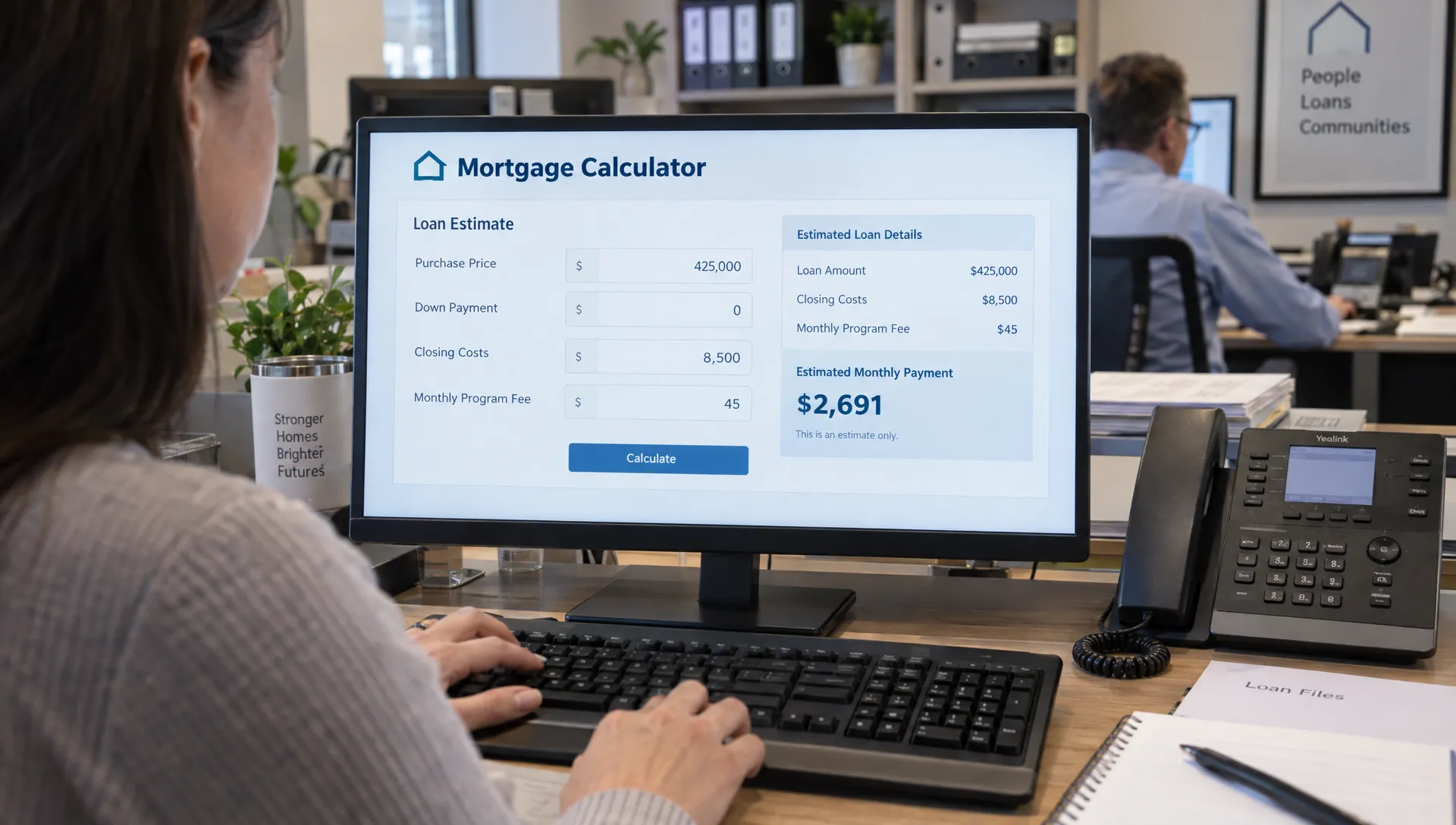
A simple break-even calculation can help. Divide your total refinance costs by your estimated monthly savings. If the refinance costs $4,000 and saves you $160 per month, your break-even point is 25 months. If you expect to keep the home and loan longer than that, the refinance may be worth considering. If you plan to sell in a year, it may not be.
For a broader rate-focused framework, you can also review New Era Lending’s guide on when to refinance based on mortgage rates.
You Can Move From an ARM to a Fixed Rate
If your current FHA loan has an adjustable rate, refinancing into a fixed-rate mortgage can provide payment stability. Even if the starting payment does not drop dramatically, the value may come from reducing future uncertainty.
This can be especially important if your budget is sensitive to payment changes. A fixed-rate refinance may help you plan more confidently for taxes, insurance, maintenance, and other homeownership costs.
Your Credit Has Improved, but FHA Still Fits Best
Sometimes homeowners improve their credit after buying a home, but not enough to make conventional refinancing the best fit. In that case, FHA may still offer a practical path to a better payment or more stable loan terms.
This is where side-by-side comparisons matter. A conventional refinance might offer mortgage insurance advantages, but FHA may have more flexible qualifying standards. The better option depends on your full profile, not just one number.
Your Home Value Has Increased
Home value affects refinance options because it determines equity and loan-to-value ratio. More equity may improve your choices, support a cash-out refinance, or make a conventional refinance more realistic.
A higher value does not guarantee approval, but it can change the conversation. If you are unsure how value affects your refinance path, read New Era Lending’s article on how your home’s value impacts refinance options.
You Need Cash and Have a Responsible Use for It
An FHA cash-out refinance can make sense when the funds support a clear, long-term financial goal. Home improvements, essential repairs, or carefully planned debt consolidation may be reasonable uses, especially if the new payment is sustainable.
It is riskier to use home equity for short-term spending, vacations, luxury purchases, or expenses that do not improve your financial position. Cash-out refinancing converts home equity into debt, and that debt is secured by your property.
When an FHA Refinance May Not Make Sense
Even if you qualify, refinancing is not always the right move. A new loan can lower your payment while increasing your long-term cost, especially if you restart a 30-year term or roll fees into the balance.
An FHA refinance may not make sense if:
- You plan to sell before reaching your break-even point.
- Your current rate is significantly lower than available rates.
- Closing costs outweigh the realistic savings.
- You are taking cash out without a clear repayment plan.
- A conventional refinance would remove mortgage insurance and save more.
- The new loan term increases total interest too much.
The goal is not to refinance just because you can. The goal is to refinance when the new loan supports your budget, timeline, and long-term plans.
What to Compare Before Choosing an FHA Refinance
The best way to evaluate refinance offers is to compare Loan Estimates using the same assumptions. The Consumer Financial Protection Bureau’s Loan Estimate guide explains how this document helps borrowers compare loan terms, projected payments, and closing costs.
When reviewing FHA refinance options, pay close attention to the interest rate, APR, loan term, monthly principal and interest, mortgage insurance, escrowed taxes and insurance, cash to close, and whether costs are paid upfront or added to the new loan balance.
Also compare the loan purpose carefully. A no-cash-out refinance, streamline refinance, cash-out refinance, and renovation refinance can all produce very different costs and qualification requirements. A quote only helps if it matches your real goal.
Documents You May Need
Documentation depends on the type of FHA refinance. A streamline refinance may require less paperwork, while cash-out, renovation, and standard FHA refinances usually require more complete documentation.
Common items may include:
- Recent mortgage statement
- Homeowners insurance information
- Pay stubs, W-2s, tax returns, or other income documents
- Bank statements or asset documentation
- Photo ID and authorization forms
- Property information and, when required, appraisal access
- Contractor information for renovation refinance scenarios
New Era Lending supports a technology-driven process with secure document uploads and e-signature support, while still providing human guidance so you can understand what each document is for and what happens next.
How to Decide Which FHA Refinance Option Fits
Start with your goal. If your goal is a simpler refinance on an existing FHA loan, the FHA Streamline Refinance may be the first option to review. If your goal is to access equity, compare FHA cash-out with HELOC and home equity options. If your goal is to repair or renovate the home, look at FHA 203(k). If your goal is to remove FHA mortgage insurance, compare a conventional refinance.
Then run the numbers. Look at the full monthly payment, not just principal and interest. Include mortgage insurance, taxes, insurance, HOA dues if applicable, and any change in escrow. Then compare the cash-to-close and long-term cost.
Finally, match the refinance to your timeline. If you expect to keep the home for many years, paying closing costs for a better long-term structure may make sense. If you may move soon, preserving cash and avoiding unnecessary fees may be more important.
Frequently Asked Questions
Can I refinance an FHA loan without an appraisal? Possibly. An FHA Streamline Refinance may not require a new appraisal if you already have an FHA loan and meet program requirements. Standard FHA refinances and FHA cash-out refinances usually require an appraisal.
Can I take cash out with an FHA refinance? Yes, FHA cash-out refinancing may allow eligible homeowners to access equity, typically subject to loan-to-value limits, full underwriting, occupancy rules, and appraisal requirements.
Is an FHA Streamline Refinance always the best option? No. It can be efficient for existing FHA borrowers who want a lower payment or more stable loan, but it does not allow significant cash out and may not be best if a conventional refinance can remove mortgage insurance.
Can I remove FHA mortgage insurance by refinancing? You may be able to remove FHA mortgage insurance by refinancing into a conventional loan if you qualify and have enough equity. Refinancing into another FHA loan generally keeps FHA mortgage insurance in the picture.
Does my credit score matter for an FHA refinance? Yes, although the level of review depends on the refinance type. Streamline refinances may have reduced documentation in some cases, while cash-out and standard FHA refinances require full credit and income review.
How do I know if the refinance savings are worth it? Calculate your break-even point by dividing refinance costs by monthly savings. Then compare that number with how long you expect to keep the home and the new loan.
Get a Clear FHA Refinance Comparison
An FHA refinance can be a smart move, but only when the numbers, timing, and loan structure work in your favor. The right answer may be an FHA Streamline Refinance, FHA cash-out refinance, FHA 203(k), standard FHA refinance, or even refinancing out of FHA entirely.
New Era Lending helps homeowners compare refinance options with modern tools, transparent guidance, secure document uploads, and personalized support across a wide range of loan programs. If you are unsure which path fits your situation, start with a side-by-side refinance review before making a decision.
Connect with New Era Lending to explore your FHA refinance options with confidence.