.jpg)
.jpg)





.jpg)

What a Mortgage Borrowing Amount Really Includes

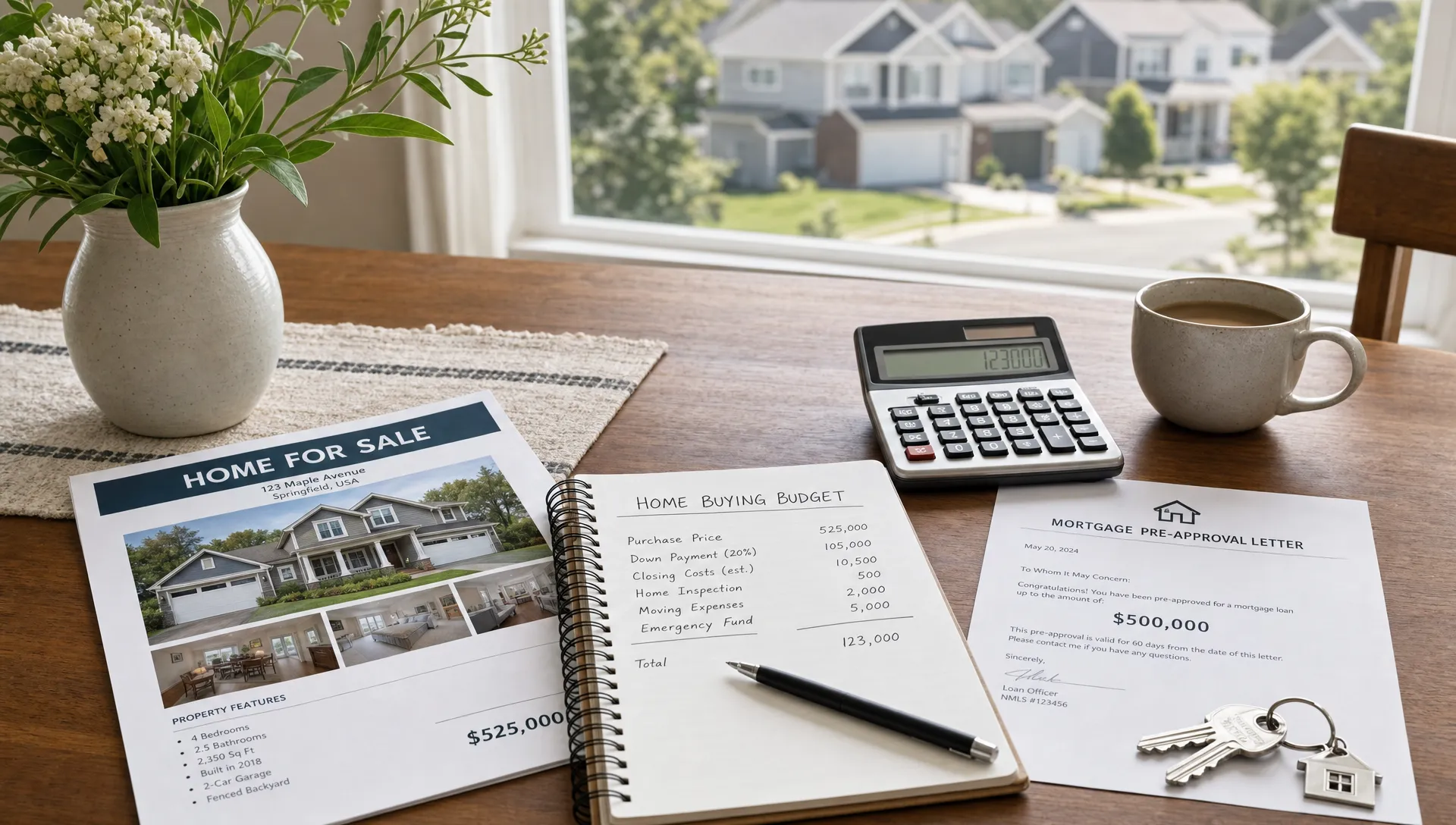
When a lender tells you how much you may be able to borrow, that number can feel like the headline. It is not the whole story. Your mortgage borrowing amount is only one part of the full cost of buying, refinancing or accessing home equity.
A mortgage borrowing amount usually means the principal balance of the loan, or the amount you agree to repay over time with interest. Some buyers search for this as a mortgage borrow amount, but lenders often call it the loan amount, principal amount or financed amount.
That number matters because it affects your monthly payment, loan-to-value ratio, mortgage insurance, interest paid over time and the cash you need at closing. It also shapes which loan programs may fit your situation. To make a confident decision, you need to know what the borrowing amount includes, what it does not include and which costs can change before closing.
What a Mortgage Borrowing Amount Means
Your mortgage borrowing amount is the amount financed through the mortgage note. On a purchase loan, it usually starts with the home price minus your down payment. On a refinance, it usually starts with the payoff of your existing mortgage. On a cash-out refinance, it includes the existing payoff plus the cash you take out and any eligible costs added to the new loan.
This is different from the home price. If you buy a $400,000 home and put $40,000 down, your base loan amount is $360,000 before any financed program fees or adjustments. You are buying a $400,000 property, but you are not borrowing $400,000 through the first mortgage.
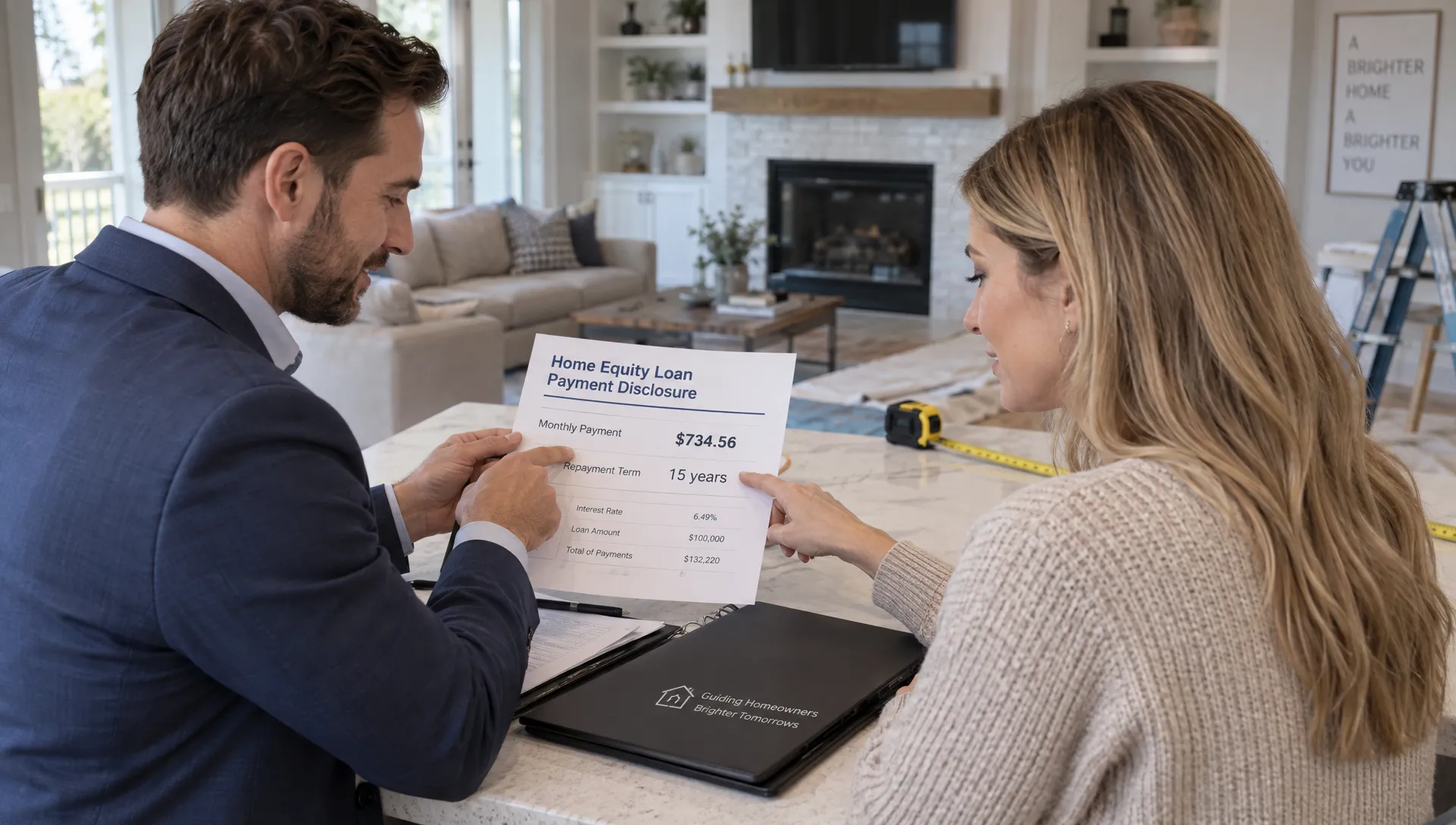
It is also different from your monthly payment. A $360,000 mortgage can produce very different payments depending on the interest rate, loan term, taxes, homeowners insurance, mortgage insurance and HOA dues. If the language feels new, New Era Lending's plain-English guide to loan mortgage basics every buyer should understand is a helpful companion before you compare offers.
What the Borrowing Amount Usually Includes
A mortgage borrowing amount can include more than the simple difference between the purchase price and down payment. The exact structure depends on the loan type, property value, program guidelines, credits and how you choose to handle closing costs.
Common items that may be part of the mortgage borrowing amount include:
- Base principal: The main amount borrowed to buy or refinance the property.
- Existing mortgage payoff: The old loan balance paid off when you refinance.
- Cash out: The equity you receive back in a cash-out refinance.
- Financed program fees: Certain loan programs allow specific upfront charges to be added to the loan amount.
- Eligible financed costs: Some refinance transactions allow certain closing costs to be rolled into the new mortgage if program rules and equity allow it.
For a purchase loan, closing costs are often paid in cash at closing or offset by seller credits, lender credits or other approved sources. They are not automatically added to the loan. For a refinance, it is more common for borrowers to roll eligible costs into the new loan, but doing so increases the principal balance and can increase total interest over time.
Purchase Loans: Price, Down Payment and Loan Amount
For a home purchase, the basic formula is simple:
Purchase price minus down payment equals base loan amount.
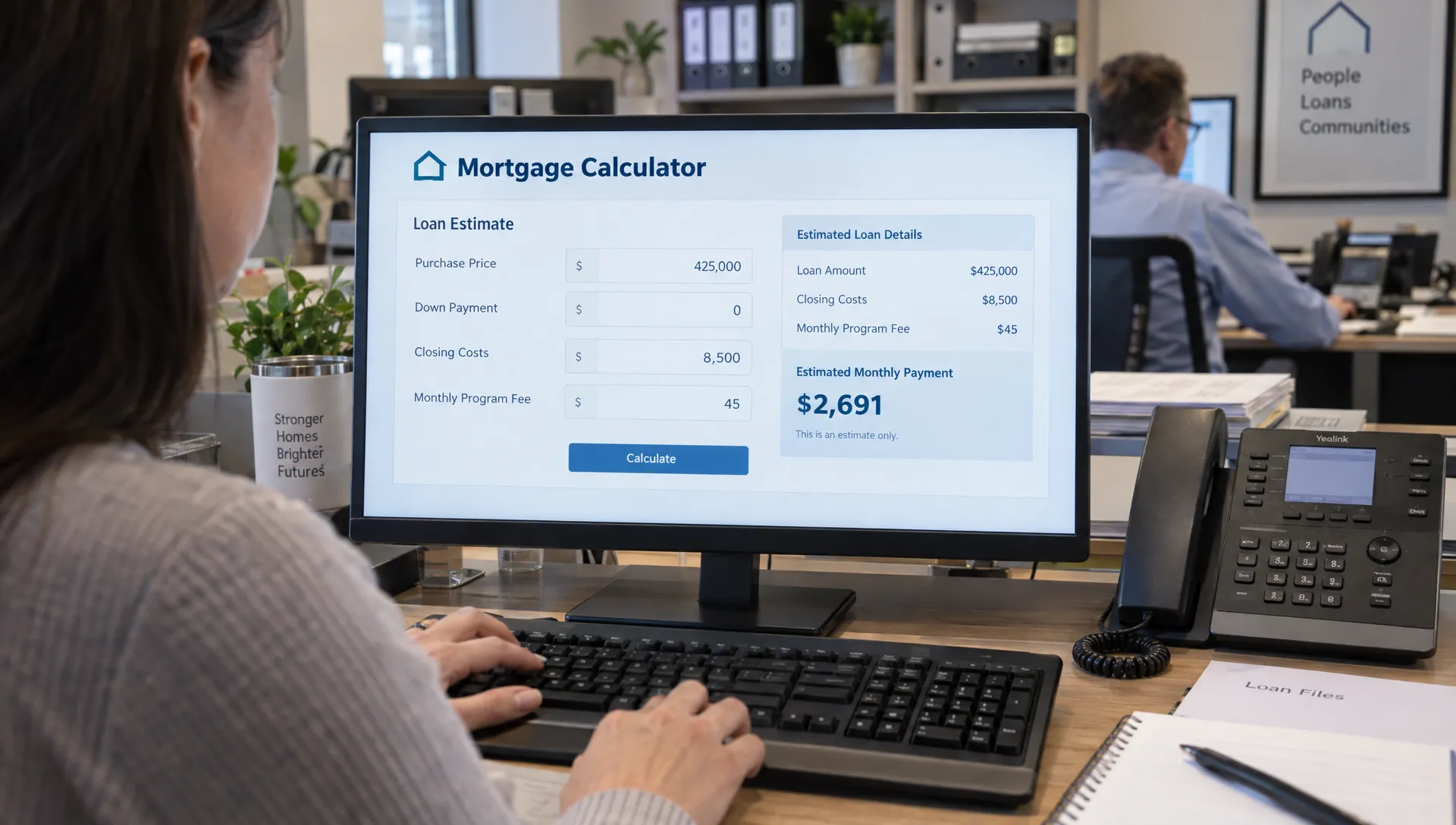
If the home costs $425,000 and your down payment is $21,250, your base mortgage amount is $403,750. That does not mean your total cash due is only $21,250. You may also need money for closing costs, prepaid interest, initial escrow deposits, inspections and moving expenses.
Seller credits can reduce the cash you need at closing, but they do not usually reduce the purchase price unless the contract price changes. Lender credits can also lower upfront costs, often in exchange for a higher interest rate. Discount points work in the opposite direction. You pay more upfront to potentially reduce the interest rate.
The key distinction is that your borrowing amount answers one question: how much principal will you repay through the mortgage? Your cash-to-close figure answers another: how much money must you bring to complete the transaction?
Refinance and Cash-Out Loans Work Differently
A refinance replaces your current mortgage with a new one. The new borrowing amount usually begins with the payoff of the old loan, not the original price you paid for the home. If you owe $300,000 and refinance into a new loan, the new mortgage must at least cover the payoff, plus any costs you choose or are allowed to finance.
In a rate-and-term refinance, the goal is usually to adjust the rate, loan term or loan structure. The new loan amount may still be higher than the old payoff if you finance closing costs or prepaid items. That does not mean you took cash out. It means some costs were added to the new principal balance.
In a cash-out refinance, the borrowing amount can include three main pieces: the existing loan payoff, eligible transaction costs and the cash you receive at closing. Your available cash out depends on your home value, current mortgage balance, credit profile, income, loan program and loan-to-value limits.
Costs Borrowers Often Mistake for Borrowed Money
Many costs appear in the mortgage process, but not every cost is part of the loan amount. This is where borrowers often feel surprised. A lender might approve a $360,000 loan, but the transaction can still require tens of thousands of dollars in cash because the down payment, closing costs and prepaid items are separate categories.
Your down payment is normally not borrowed through the primary mortgage. It is your contribution to the purchase, which helps determine your loan-to-value ratio. A larger down payment can reduce the amount borrowed and may lower the need for mortgage insurance, depending on the loan program.
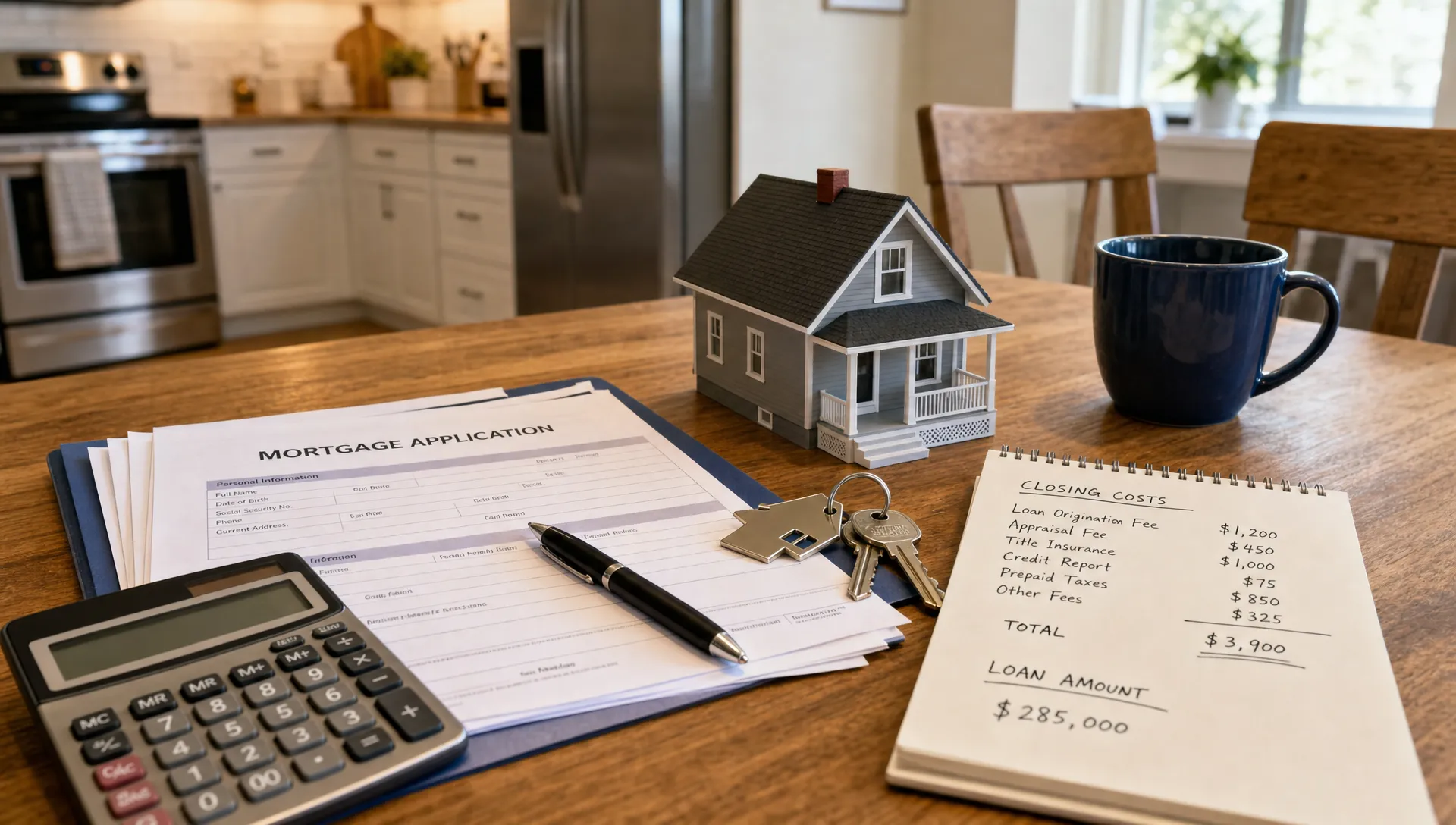
Closing costs include lender fees, appraisal fees, credit report fees, title charges, recording fees, transfer taxes and other transaction charges. Which costs apply depends on your state, property, loan type and settlement provider. The Consumer Financial Protection Bureau explains the Loan Estimate as the document that helps borrowers compare loan terms, estimated costs and cash needed to close.
Prepaids and escrow reserves are another source of confusion. These may include prepaid interest, homeowners insurance premiums and initial deposits for property taxes and insurance. They are real costs, but they are not the same as lender fees. They often help set up the ongoing escrow account used to pay tax and insurance bills. For more detail on what happens after closing, New Era Lending's article on monthly mortgage costs buyers often miss breaks down the recurring expenses that can affect affordability.
Program Fees, Mortgage Insurance and Points
Some loan programs include upfront charges that may be financed into the mortgage if guidelines allow it. For example, the U.S. Department of Veterans Affairs explains that the VA funding fee can generally be paid at closing or rolled into the loan. Other government-backed programs may have their own mortgage insurance or guarantee fee rules.
Mortgage insurance can affect both the amount you borrow and the payment you make. Some insurance costs are monthly, some may be upfront and some may involve both. The structure depends on whether the loan is conventional, FHA, VA, USDA or another program.
Discount points are another item to review closely. A point is an upfront cost paid to reduce the interest rate. Points may make sense for some borrowers, especially those who expect to keep the loan long enough for the lower payment to offset the upfront cost. For others, conserving cash may matter more. Lender credits can reduce closing costs, but they may come with a higher rate. Either choice should be evaluated through both the cash-to-close number and the long-term cost of borrowing.
Why Your Approved Amount Is Not Always Your Best Amount
The amount a lender may approve is based on lending guidelines. It is not a personal spending recommendation. Lenders review your income, debts, credit, assets, property value and loan program rules to determine whether the loan meets requirements. Your day-to-day comfort level may be lower than the maximum approval amount.
A smart borrowing decision considers your full financial life. You may have childcare costs, medical expenses, retirement goals, business income fluctuations, tuition plans or upcoming repairs that do not show up neatly in a mortgage approval calculation. If you stretch to the highest number possible, you may have less flexibility after closing.
That is why the best mortgage borrowing amount is often the one that fits your monthly budget and your cash reserves, not simply the largest number you can qualify for. New Era Lending's guide on how to borrow smart with a mortgage explores this decision from the affordability side rather than focusing only on approval limits.
How Lenders Decide How Much You Can Borrow
Lenders do not look at one number in isolation. They evaluate the loan from several angles to determine whether the proposed borrowing amount is supportable.
The main factors usually include:
- Income and employment: Stable, verifiable income helps determine how much monthly payment you may qualify for.
- Debt-to-income ratio: Existing monthly debts are compared with income to measure payment capacity.
- Credit profile: Credit history can affect program eligibility, rate options and required documentation.
- Down payment or equity: Your contribution on a purchase, or equity on a refinance, affects loan-to-value.
- Property value: The appraisal helps confirm whether the home supports the loan amount.
- Loan program rules: Conventional, FHA, VA, USDA and jumbo loans each have their own guidelines.
Loan-to-value, often called LTV, is especially important. If you buy a $400,000 home with a $360,000 loan, your LTV is 90 percent. That percentage can affect mortgage insurance, rate options and program availability. On a refinance, LTV is based on the appraised value and the new loan amount.
How to Read the Number on Your Loan Estimate
Your Loan Estimate is one of the most useful documents in the mortgage process because it separates related numbers that are easy to confuse. When you receive one, do not look only at the interest rate. Review the full picture.
Pay close attention to these sections:
- Loan amount: The principal amount you are borrowing.
- Interest rate and loan term: The price and repayment length of the money borrowed.
- Projected payments: The estimated monthly payment, including items such as taxes, insurance and mortgage insurance when applicable.
- Estimated closing costs: The transaction costs due at closing.
- Estimated cash to close: The amount you may need to bring after credits, deposits and adjustments.
- APR: A broader cost measure that includes interest and certain finance charges.
Comparing lenders only by loan amount can lead to the wrong conclusion. Two loans with the same principal balance may have different rates, points, credits, mortgage insurance structures and cash-to-close requirements. A clearer comparison looks at both upfront cost and long-term cost.
Questions to Ask Before Choosing a Borrowing Amount
Before you lock into a mortgage amount, ask questions that connect the loan to your real life rather than only to the property price.
Useful questions include:
- How much cash will I have left after closing? A low cash reserve can make normal homeownership expenses feel stressful.
- What happens if taxes or insurance increase? Your payment may change if escrowed costs rise.
- Am I paying costs upfront or financing them? Financing costs can reduce immediate cash needs but increase the loan balance.
- How long do I expect to keep this loan? Points, credits and refinance decisions depend heavily on timing.
- Does this payment leave room for maintenance? Home repairs are not optional over the long run.
The right borrowing amount should help you buy or refinance with confidence, not leave you wondering how every next bill will fit.
Frequently Asked Questions
Is my mortgage borrowing amount the same as the home price? No. On a purchase, the borrowing amount is usually the home price minus your down payment, adjusted for any eligible financed fees or program-specific charges. The home price and loan amount are related, but they are not the same.
Can closing costs be included in my mortgage borrowing amount? Sometimes. Purchase loans often require closing costs to be paid in cash or covered through approved credits. Refinance loans more commonly allow eligible costs to be rolled into the new loan if equity and program rules allow it.
Does my down payment count as part of the amount borrowed? No. Your down payment is the portion you contribute toward the purchase. It reduces the amount you need to borrow and affects your loan-to-value ratio.
Why is my cash to close higher than I expected if my loan amount is approved? Cash to close may include your down payment, closing costs, prepaid interest, insurance premiums, escrow reserves and other adjustments. These items can be separate from the principal loan amount.
Should I borrow the maximum amount I qualify for? Not always. Your maximum approval amount is based on lending guidelines, but your best amount should also reflect your budget, savings, lifestyle and future plans.
Get Clear Before You Commit
A mortgage borrowing amount is more than a number on an approval letter. It affects your payment, cash needs, equity position and long-term cost of borrowing. The clearer you are about what is included, the easier it becomes to compare loan options and avoid surprises at closing.
If you are planning a purchase, refinance or equity access loan, New Era Lending can help you review your options with smart technology and personalized human guidance. A clearer mortgage conversation starts with understanding the number you are actually borrowing and the costs around it.