.jpg)
.jpg)





.jpg)

Veteran Loans for Homes: How to Choose the Best Fit

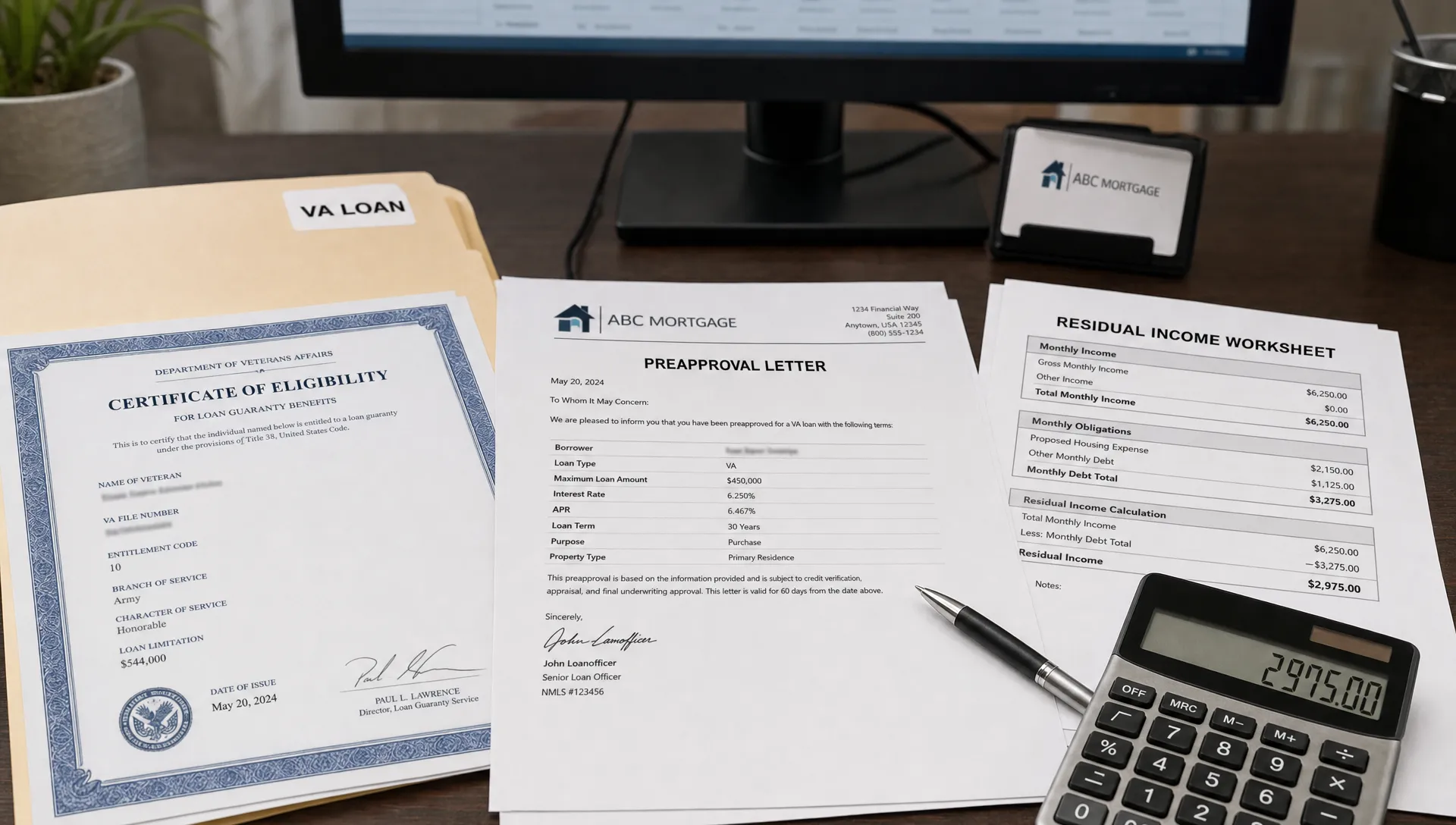
Most veterans hear “VA loan” and assume the choice is automatic. In reality, veteran loans for homes can include VA financing, but also FHA, conventional, USDA (in eligible areas), and even niche options that may fit better depending on your goals, property type, and timeline.
The best fit is the loan that gets you into the right home on terms you can comfortably carry, without surprises at closing or restrictions that collide with your plan (like buying a condo, purchasing a multi-unit, or needing repairs). This guide walks through a practical decision framework you can use in 2026 to choose the right veteran home loan, and to compare offers confidently.
Start with the VA loan, then pressure-test it against your situation
A VA loan is often the strongest starting point because it can reduce cash-to-close and long-term costs.
Where VA loans tend to shine
- Low cash-to-close: Eligible borrowers can often buy with $0 down.
- No monthly PMI: Unlike many low-down-payment conventional loans.
- More flexible guidelines: Many borrowers find VA underwriting more forgiving than conventional when the overall file is strong.
Where a VA loan may not be the best fit
- Funding fee impact: The VA funding fee can materially change your break-even math, especially if you plan to sell within a short timeframe. Some veterans are exempt, but not everyone is.
- Property constraints and appraisal requirements: The VA appraisal includes Minimum Property Requirements (MPRs). If the home needs repairs that the seller will not address, the deal can get complicated.
- Condo approval and special property types: Some condos, manufactured homes, and mixed-use properties can be eligible, but require extra diligence.
If you want a deeper refresher on the rules and common misconceptions, review the VA’s overview of the program at VA Home Loans and the details in New Era Lending’s guide to VA loans: eligibility, fees, and common myths.
Your “best fit” depends on 6 decisions most buyers overlook
Many homebuyers compare loans by rate alone. For veteran loans for homes, the better approach is to decide what you are optimizing for, then compare programs that actually support that priority.
1) Are you optimizing for cash-to-close or monthly payment (or both)?
If your main constraint is cash-to-close, VA often wins because the down payment can be $0.
If your constraint is monthly payment, the best fit might be:
- VA (no PMI, but consider funding fee and rate)
- Conventional with a larger down payment (can reduce rate adjustments and avoid PMI)
- FHA (sometimes competitive for credit rebuilding scenarios, but mortgage insurance is a real long-term cost)
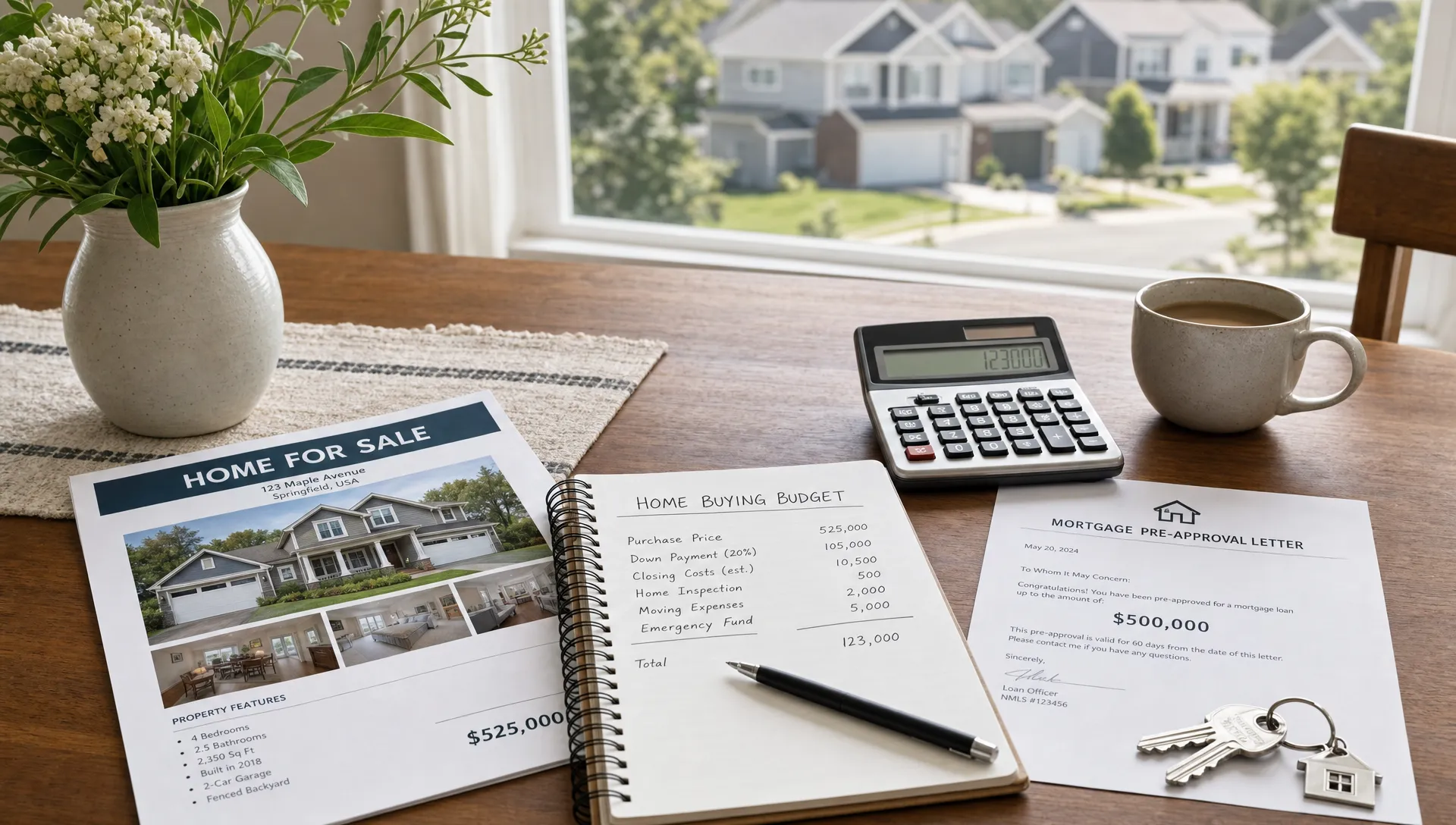
A helpful exercise is to request side-by-side scenarios based on the same purchase price:
- VA with 0% down
- Conventional with 3% to 5% down
- Conventional with 10% to 20% down
Then compare not just the payment, but also the total cash needed to close and the cost of mortgage insurance or VA funding fee.
2) What property are you buying (and how “clean” is the condition)?
Loan fit changes fast once the home is not a standard single-family purchase.
If you are buying a condo, multi-unit, manufactured home, or a property needing repairs, read New Era Lending’s detailed breakdown of VA loans for homes: property types, occupancy, and rules. It can save you time before you write an offer.
Common “fit” implications:
- Fixer-uppers: You may need a renovation-friendly structure. Sometimes that points away from a standard VA purchase and toward a renovation loan strategy.
- Condos: Approval requirements can change the timeline.
- 2 to 4 units: Owner-occupancy rules matter, and underwriting becomes more documentation-heavy.
3) How competitive is your market and how tight is your timeline?
In a multiple-offer environment, fit includes execution risk.
Ask your lender:
- How quickly can you issue a fully underwritten pre-approval (if offered)?
- What is the realistic closing timeline for this property type?
- How will appraisal and repair negotiations be handled if issues show up?
A loan that is theoretically “cheaper” can be the wrong fit if it increases the risk of delays or renegotiation.
4) Does your credit profile suggest a different program will price better?
Eligibility is not the same as pricing.
Even if you qualify for VA, you might still want to price:
- Conventional: Sometimes strong-credit borrowers see compelling conventional pricing, particularly with meaningful down payment.
- FHA: Can be useful for certain credit-rebuild scenarios, but weigh mortgage insurance carefully.
Your loan officer should be able to show you the trade-offs using real numbers and a Loan Estimate, not guesswork.
5) How long do you expect to keep the home?
Loan fit is also a time horizon problem.
If you expect to keep the home for many years, features like no PMI on VA financing can be a major long-term advantage.
If you expect to move in a short window (for example, 2 to 5 years), you should focus on:
- Upfront costs and lender credits
- Whether paying points makes sense
- How quickly you break even on any added fees
This is the same decision discipline used when evaluating refinances: the “cheapest” offer is the one that wins over your ownership timeline, not necessarily the one with the lowest headline rate.
6) Are you planning for flexibility later (renting, refinancing, or buying again)?
This is a big one for military families.
Consider:
- Occupancy rules: VA is for primary residence. If you might convert the home to a rental later, plan the timing properly.
- Future purchase: You may want to preserve entitlement capacity, depending on your next move.
- Refinance pathways: VA has streamlined options in certain cases, and conventional may be attractive later if equity and credit improve.
Choosing between VA, conventional, and FHA: a practical comparison (without the fluff)
You do not need a 20% down payment to make conventional “work,” and you do not need to default to VA just because you are eligible.
Here is a grounded way to decide.
When a VA loan is usually the best fit
A VA loan often fits best when:
- You want minimal cash-to-close
- You want to avoid monthly PMI
- The home’s condition is solid enough to meet appraisal requirements without major repair negotiation
- You want a loan structure built for primary residence stability
Be sure you understand the funding fee and possible exemptions. The VA publishes official details on funding fees and eligibility at VA.gov.
When conventional may be the best fit
Conventional can be a strong fit when:
- You have excellent credit and strong reserves
- You can put enough down to reduce or eliminate mortgage insurance
- You want more flexibility for certain property scenarios (case by case)
- You are comparing total cost over a shorter horizon and conventional pricing is meaningfully better
Conventional is not “better” by default, but it can win on total cost for some borrowers.
When FHA may be the best fit
FHA can fit when:
- You need more flexibility on credit history and the overall deal is otherwise stable
- You are buying within FHA loan limits and plan to refinance later when your credit and equity improve
The key caution is FHA mortgage insurance structure, which can be costly over time depending on down payment and term.
How to compare Loan Estimates correctly (so the math is real)
If you only do one thing before choosing among veteran loans for homes, do this: compare Loan Estimates line by line.
The Consumer Financial Protection Bureau (CFPB) has a clear explainer on how to read a Loan Estimate at the CFPB’s Loan Estimate resources.
When you compare offers, ensure:
- Same loan type and term (for example, 30-year fixed vs 30-year fixed)
- Same estimated closing date
- Same purchase price and down payment
Then focus on a few high-signal items:
- Interest rate and APR: APR helps reflect finance charges, but still read the fee sections.
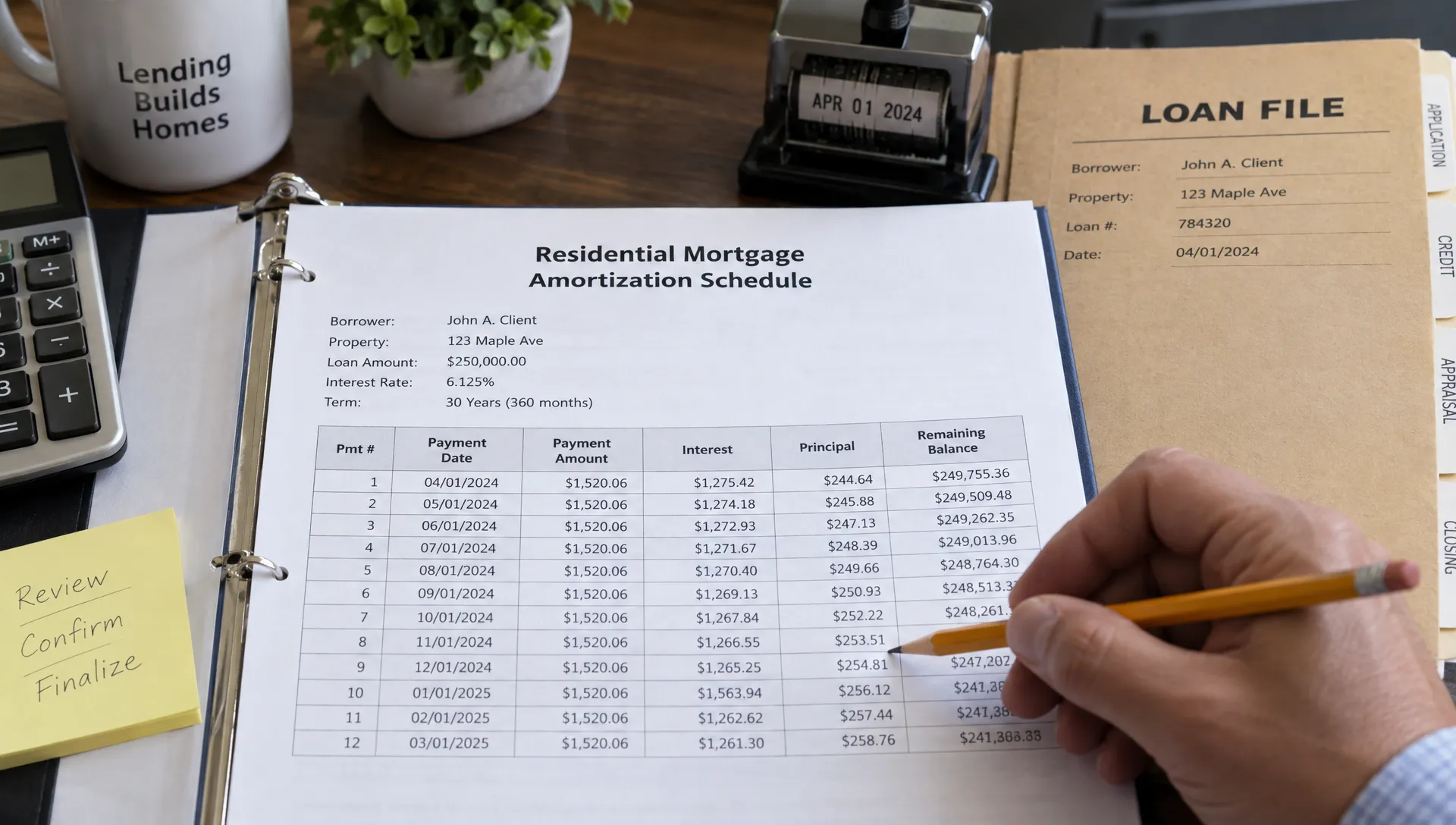
- Monthly principal and interest: The true baseline payment.
- Mortgage insurance: PMI (conventional) or MIP (FHA). VA should not have monthly PMI.
- Upfront costs: Origination charges, points, lender credits.
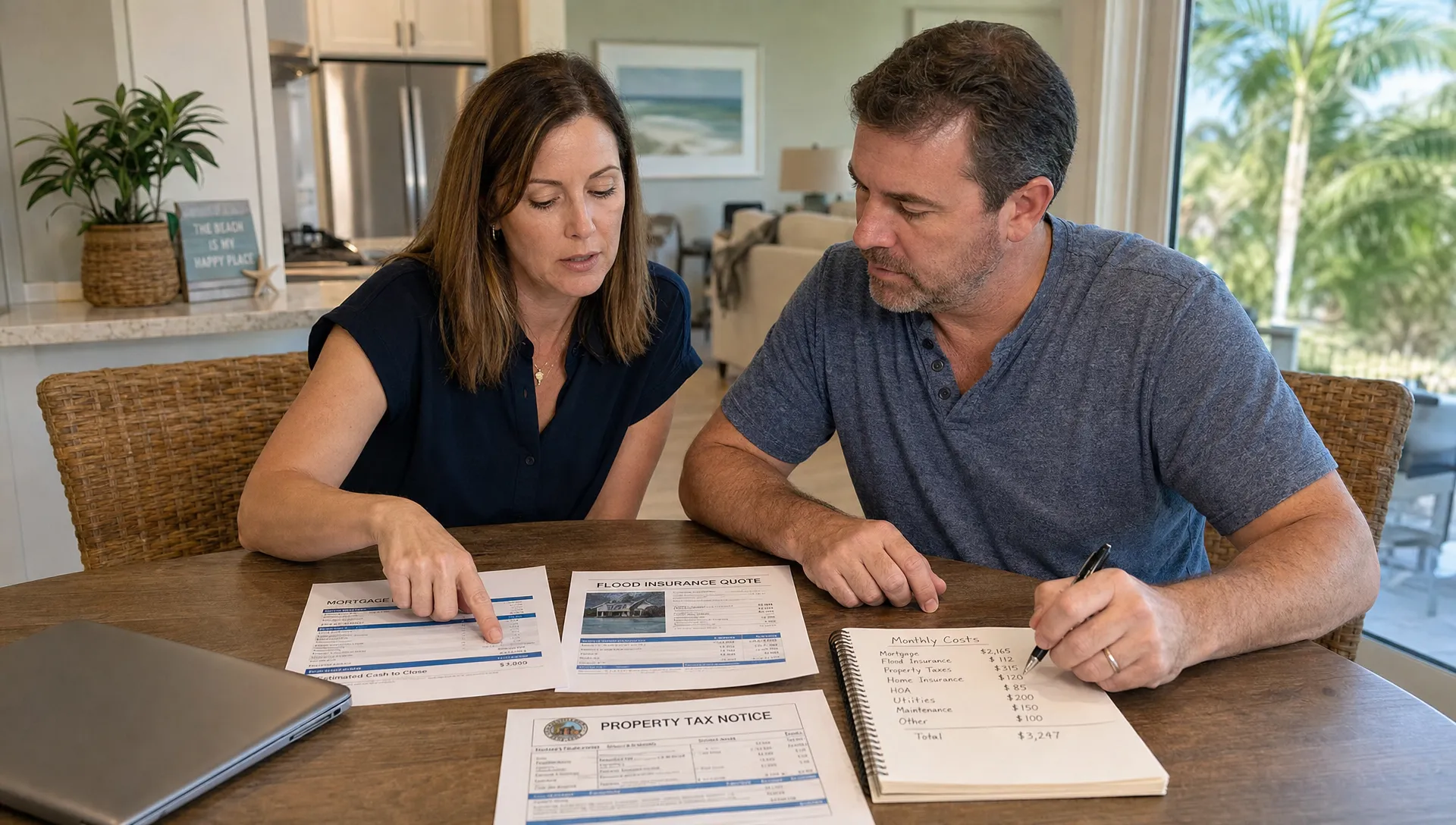
- Cash to close: The number that determines whether the loan is workable for your bank account.
If two lenders quote different rates, ask them to show:
- Whether the rate assumes points
- Whether there is a lender credit
- Whether the quote is based on a locked rate or a floating estimate
Questions to ask a lender to confirm they are a good fit for veterans
A “best fit” loan is only as good as the team executing it.
Ask these questions early:
- Do you regularly close VA purchases in my state, and how often?
- What does your pre-approval process include, and what documentation will you need upfront?
- How do you handle VA appraisal findings and repair negotiations?
- Can you provide a written breakdown comparing VA vs conventional vs FHA for my scenario?
- What is your communication cadence during underwriting, and who is my day-to-day contact?
Also pay attention to the lender’s process quality. A clean, secure digital workflow (secure uploads, e-signatures, clear status updates) does not replace expertise, but it reduces friction and mistakes. In other industries, teams improve user journeys by applying conversion and clarity principles similar to what a conversion-focused digital agency would prioritize, fewer confusing steps, clearer calls-to-action, and more transparency. For mortgages, the stakes are higher, so you want both strong guidance and a process that is easy to follow.

Putting it together: a simple “best fit” decision framework
Use this as your final checkpoint before you commit to a program.
Choose VA when
VA is usually your best fit when you are eligible and:
- Cash-to-close matters most
- You want to avoid monthly PMI
- The property is straightforward and in acceptable condition
- You plan to stay long enough to benefit from the structure
Consider conventional when
Conventional is usually worth prioritizing when:
- Your credit and reserves are strong
- You can put enough down to reduce MI impact
- The total cost over your expected timeline is clearly better
Consider FHA when
FHA can be the right bridge when:
- You need the flexibility to get approved now
- You have a realistic plan to refinance later when conditions improve
How New Era Lending can help you choose the best fit
Choosing among veteran loans for homes is a comparison problem, not a guess. The right next step is to request multiple scenarios and review them with someone who can explain the trade-offs in plain English.
New Era Lending supports home purchase, refinance, and equity access across 39 states with a hybrid approach: modern tools (like secure document uploads and e-signatures) paired with personalized human guidance. If you want help running a VA vs conventional vs FHA comparison for your specific home, timeline, and budget, their team can walk you through your options and the numbers behind them.