.jpg)
.jpg)





.jpg)


VA Loans: Eligibility, Fees, and Common Myths

VA loans are one of the most valuable home financing benefits available to eligible service members, veterans, and surviving spouses. They can offer flexible qualifying standards, $0 down options in many cases, and no monthly PMI. Yet confusion about eligibility and costs keeps many borrowers from using the benefit, or leads them to avoid it based on outdated myths.
This guide breaks down VA loan eligibility, the fees and closing costs you should expect, and the most common VA loan myths (with the real facts) so you can move forward with clarity.
What is a VA loan (and why it’s different)
A VA loan is a mortgage backed by the U.S. Department of Veterans Affairs. The VA does not lend the money, it guarantees a portion of the loan for approved lenders. That guarantee is what allows VA loans to be structured with consumer-friendly terms, such as no required down payment in many scenarios and limits on certain lender fees.
If you want the official baseline rules, the VA publishes them directly through the VA Home Loans program.
VA loan eligibility: the 5 requirements that matter most
Eligibility can feel complicated because people mix together (1) VA benefit eligibility and (2) lender qualification. You generally need to satisfy both.
1) You must be eligible for the VA home loan benefit
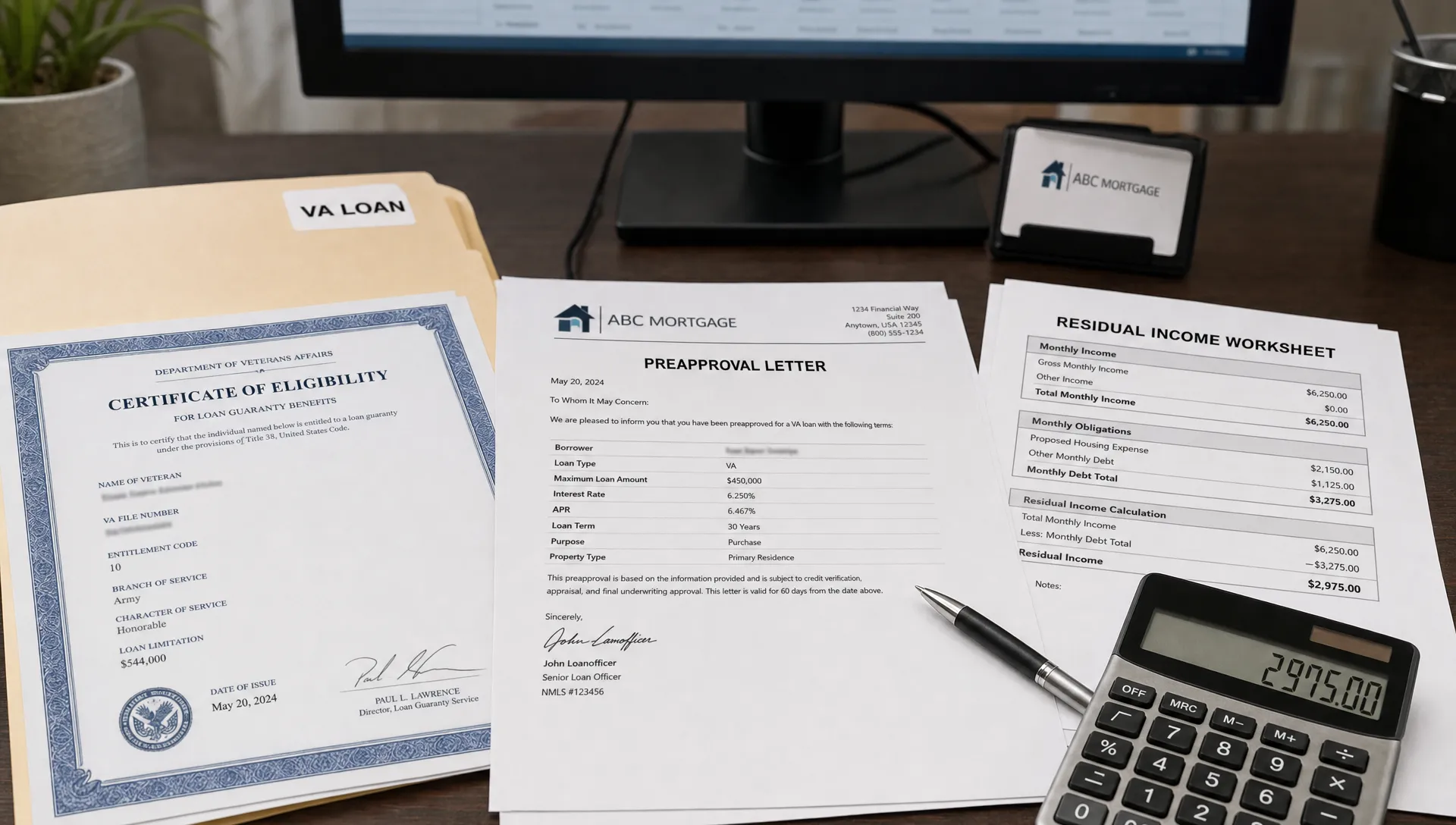
Most borrowers prove eligibility with a Certificate of Eligibility (COE).
Common paths to eligibility include:
- Veterans who meet minimum service requirements
- Active-duty service members
- Certain National Guard and Reserve members
- Some surviving spouses (such as unremarried surviving spouses in specific circumstances)
The VA explains COE options and how to request one on its Certificate of Eligibility page.
2) The home must be your primary residence
A VA purchase loan is designed for owner-occupied housing. That means you plan to live in the property as your primary residence.
This point alone debunks a big myth: VA loans are not intended for purchasing pure investment properties.
3) The property must meet VA guidelines
VA appraisals are not the same as home inspections. The VA appraisal determines value and checks the property against the VA’s Minimum Property Requirements (MPRs), which focus on safety, structural soundness, and livability.
You can use a VA loan for several property types, including (depending on approval and guidelines):
- Single-family homes
- VA-approved condos
- Some multi-unit properties (often up to 4 units) as long as you occupy one unit as your primary residence
4) You still need to qualify with the lender (income, credit, and DTI)
Even with VA backing, lenders verify your ability to repay. That typically includes:
- Stable income and employment history
- Credit profile review (the VA does not set a universal minimum credit score, but lenders may)
- Debt-to-income (DTI) analysis and residual income considerations
If you are close to qualifying, small improvements can make a meaningful difference (paying down revolving balances, correcting credit report errors, or documenting stable income clearly).
One underrated strategy is strengthening your long-term income trajectory. For transitioning service members or military spouses, targeted professional training can help. If you are exploring skill-building to support a career move, a structured option like live upskilling courses and microlearning paths can be a practical complement to your homeownership plan.
5) You need enough entitlement for the loan you want
VA entitlement is the amount the VA will guarantee. Many eligible borrowers have “full entitlement,” and since 2020, VA loan limits generally do not apply the same way when you have full entitlement.
However, if you have partial entitlement (for example, you currently have a VA loan and have not restored entitlement), county loan limits can still come into play.
Because entitlement details are highly personal, it’s worth having a loan officer review your COE and current mortgage situation before you house hunt.

VA loan fees and costs: what you pay (and what you usually don’t)
A VA loan can reduce certain costs (like monthly mortgage insurance), but it’s not “free.” Here’s what to expect.
The VA Funding Fee (the one fee people hear about most)
The VA funding fee helps keep the program running for future borrowers. It can usually be financed into the loan amount instead of paid out of pocket.
Funding fee amounts vary based on factors such as:
- Whether it’s your first time using the VA loan benefit or a subsequent use
- Your down payment amount (if any)
- The type of VA loan (purchase, IRRRL, cash-out refinance)
The VA publishes the current funding fee charts here: VA funding fee rates.
Funding fee exemptions
Many borrowers do not have to pay the funding fee. Common exemptions include (subject to VA rules):
- Veterans receiving VA compensation for service-connected disability
- Veterans who would be entitled to compensation but receive retirement or active-duty pay instead
- Certain surviving spouses
- Purple Heart recipients serving on active duty (eligibility rules apply)
Always confirm your exemption status through your COE and VA documentation.
Closing costs (standard mortgage costs still apply)
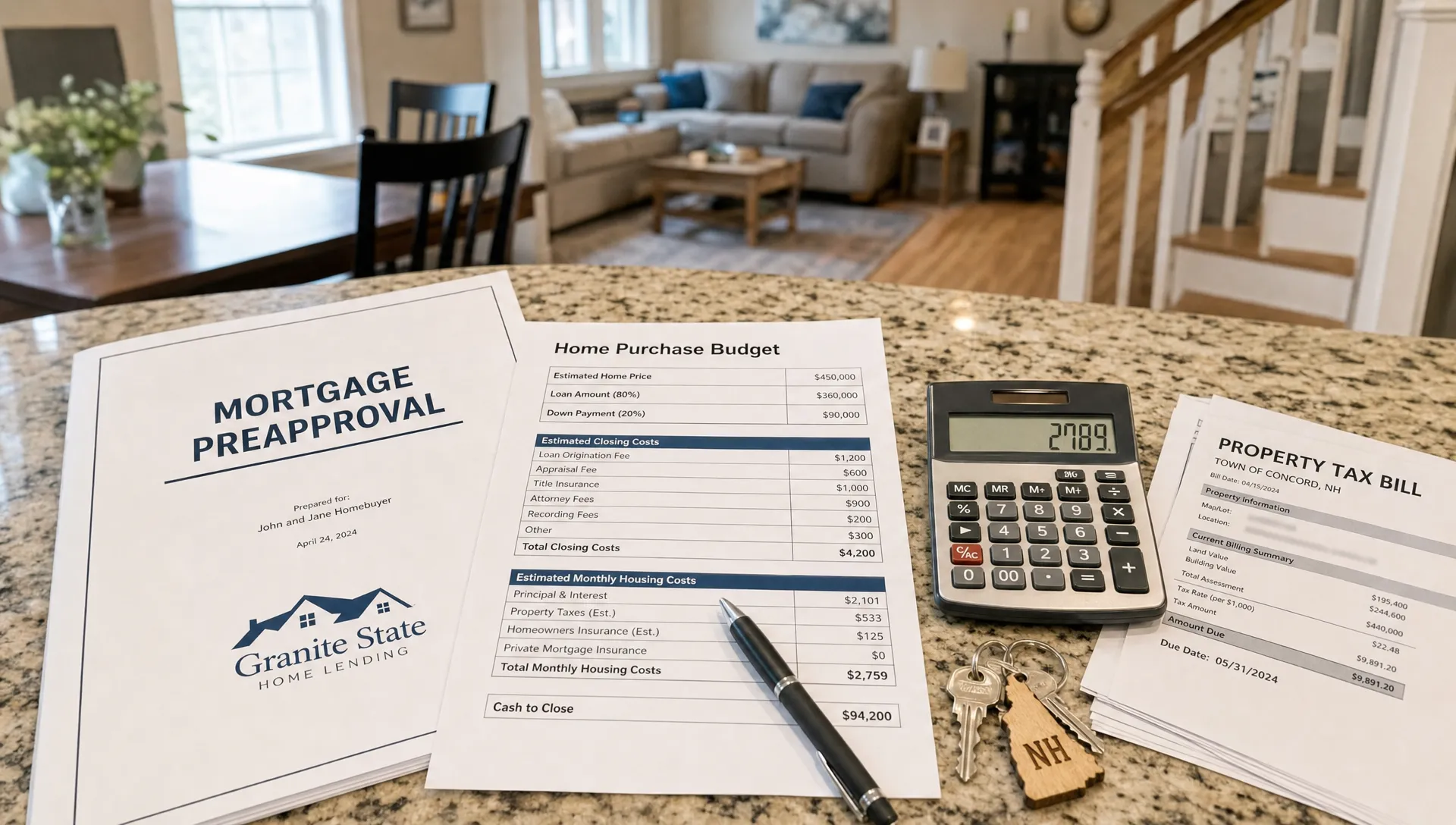
VA loans still have closing costs. Typical categories include:
- Lender fees (subject to VA limits on certain charges)
- Third-party costs like appraisal, title insurance, escrow, recording, and credit report
- Prepaid items such as homeowners insurance and property taxes (depending on timing and escrow setup)
The VA also limits what veterans can be charged for some items, and it caps certain lender origination charges (often discussed as a 1% origination cap or equivalent fee structure). For the authoritative breakdown, the VA outlines allowable charges in its official resources, including the VA Lenders Handbook.
What you usually don’t pay on a VA loan
While every loan is different, VA loans are well known for reducing or eliminating a few common barriers:
- No monthly PMI (unlike many low-down-payment conventional loans)
- No prepayment penalty in typical VA loan structures
Who can pay what: seller concessions and credits
In purchase transactions, you may be able to negotiate for the seller to contribute toward certain costs, subject to program limits and the specifics of your contract and loan structure. This can matter a lot when you are trying to preserve savings for moving expenses or reserves.
Common VA loan myths (and the real truth)
Misinformation spreads fast, especially in real estate. Here are the misconceptions that most often trip up VA-eligible borrowers.
Myth 1: “VA loans take longer and sellers hate them.”
Reality: A VA loan can close on a normal timeline. Delays typically come from the same places they do in any loan: incomplete documentation, appraisal issues (VA or non-VA), or title and escrow complications.
Seller hesitation is often based on outdated experiences or misunderstanding of VA appraisal requirements. A strong pre-approval and a clean offer structure can go a long way.
Myth 2: “You need perfect credit to qualify.”
Reality: VA loans are known for being more flexible than many conventional options, but you still must demonstrate ability to repay. Lenders evaluate the full picture: payment history, current debts, income stability, and reserves.
If your credit is recovering, the “right” move is not guessing, it’s getting a clear plan from a loan officer on what to improve first.
Myth 3: “$0 down means $0 out of pocket.”
Reality: Even with zero down payment, you may still have closing costs and prepaid items. Some borrowers cover part of these costs through seller credits (where allowed), lender credits (often tied to rate), or rolling eligible costs into the loan where permitted.
Myth 4: “The VA funding fee is always required.”
Reality: Many veterans are exempt due to service-connected disability compensation or other qualifying circumstances. The only way to know for sure is to confirm through VA documentation.
Myth 5: “You can only use a VA loan once.”
Reality: You can use VA benefits multiple times if you have sufficient entitlement. In many cases, you can also restore entitlement after selling the home and paying off the VA loan (or via other qualifying restoration scenarios).
Myth 6: “VA loans can’t be used for condos or multi-unit properties.”
Reality: VA loans can be used for VA-approved condos, and they may be used for multi-unit properties in certain cases, as long as you occupy one unit as your primary residence.
Myth 7: “A VA appraisal is the same as a home inspection.”
Reality: The VA appraisal is not a substitute for a professional home inspection. An inspection can reveal issues the appraisal may not focus on, and it’s often one of the best ways to protect yourself before you close.
VA loan application steps (what the process typically looks like)
While every borrower’s file is different, most VA loans follow a predictable path:
Start with your COE and a strategy conversation
Confirm eligibility, entitlement, and whether a funding fee exemption applies. This is also where you decide on priorities like payment comfort, cash reserves, and how competitive your offer needs to be.
Get pre-approved (not just pre-qualified)
A thorough pre-approval reviews income, credit, and documents early, which helps you shop with confidence and strengthens your offer with sellers.
Choose a home and write an offer that protects you
Your agent and lender can help you structure an offer that respects timelines, appraisal requirements, and negotiation strategy.
Appraisal, underwriting, and final approval
The lender verifies documentation and the appraisal is completed. If underwriting needs clarifications, responding quickly keeps your closing on track.
Close with a clear view of cash-to-close
Before closing, review your final numbers. Know what is financed, what is paid at closing, and what your monthly payment includes.
If you want a broader overview of how veterans can maximize the benefit beyond just the basics, New Era Lending also shares additional guidance in How Veterans Can Optimize Every Benefit They’ve Earned.
Frequently Asked Questions
What credit score do you need for a VA loan? The VA does not set a universal minimum credit score, but lenders may have their own requirements. Approval depends on the full credit and income profile.
Do VA loans have closing costs? Yes. VA loans still include closing costs and prepaid items, but the VA limits certain fees and VA loans do not require monthly PMI.
Can you buy a house with a VA loan with no money down? Often yes, but “no down payment” is different from “no cash to close.” You may still have closing costs and prepaid items unless they are covered through credits or other allowable structures.
Are VA loans only for first-time homebuyers? No. VA loans can be used by eligible borrowers who have owned a home before. The key factors are eligibility, entitlement, and lender qualification.
Can a VA loan be used more than once? Yes. Many borrowers use the VA benefit multiple times, depending on entitlement and whether previous VA loans have been paid off or entitlement has been restored.
Talk to New Era Lending about your VA loan options
If you’re VA-eligible, the smartest next step is to replace assumptions with real numbers. New Era Lending helps borrowers across 39 states navigate VA loan eligibility, funding fee questions, and documentation with a process designed to be both modern and human, using secure uploads and e-signatures alongside expert guidance.
Learn more or start the conversation at New Era Lending.