.jpg)
.jpg)





.jpg)
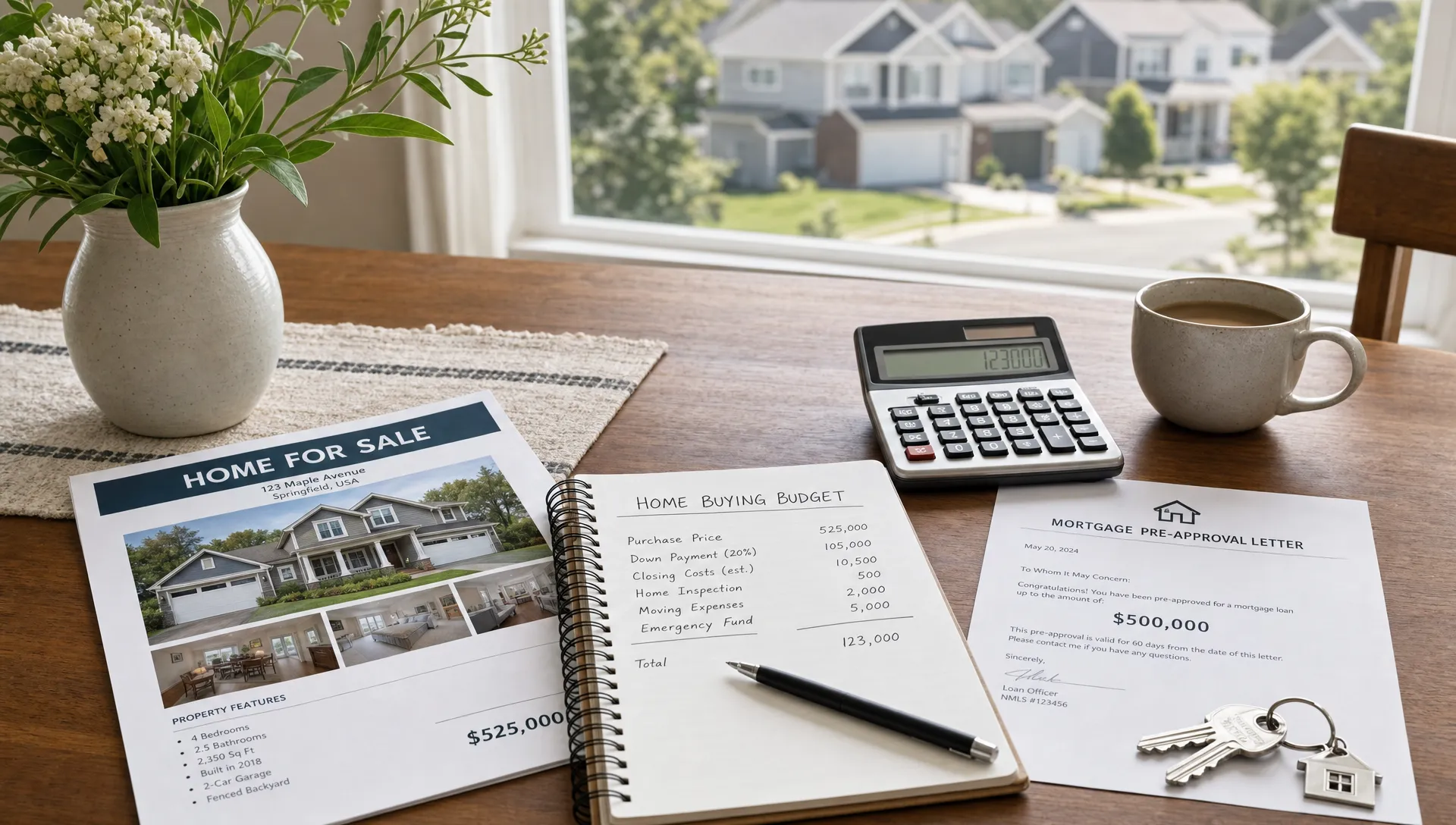

The New Home Loan Process From Offer to Closing
The moment a seller accepts your offer, the new home loan process becomes a deadline driven project. You are no longer only asking how much you can afford. You are proving the loan can be approved, the property supports the price and everyone involved can meet the closing date in the contract.
For many buyers, this is the most stressful part of the purchase because several things happen at once: disclosures, appraisal, inspection, title work, insurance, underwriting and final signing. The good news is that the process is manageable when you know what each stage is meant to accomplish.
If you are still preparing to make an offer, it can help to start with a broader mortgage loan process from start to closing overview. This guide focuses on what happens after the offer is accepted.
What happens right after your offer is accepted
Once both parties sign the purchase agreement, send the full contract to your lender as soon as possible. The contract gives the lender key details they need to move the loan forward, including the purchase price, property address, seller concessions, closing date and any contract deadlines.
Your lender will confirm whether your pre-approval details still match the actual property and purchase terms. If the price, down payment, taxes, HOA dues or loan type changed from your pre-approval assumptions, your estimated monthly payment and cash to close may change too.
This is also when your real estate agent, lender, title company and insurance provider begin coordinating. A strong loan team will help you understand what is needed now, what can wait and which deadlines are non-negotiable.
Step 1: Confirm your loan structure and payment comfort
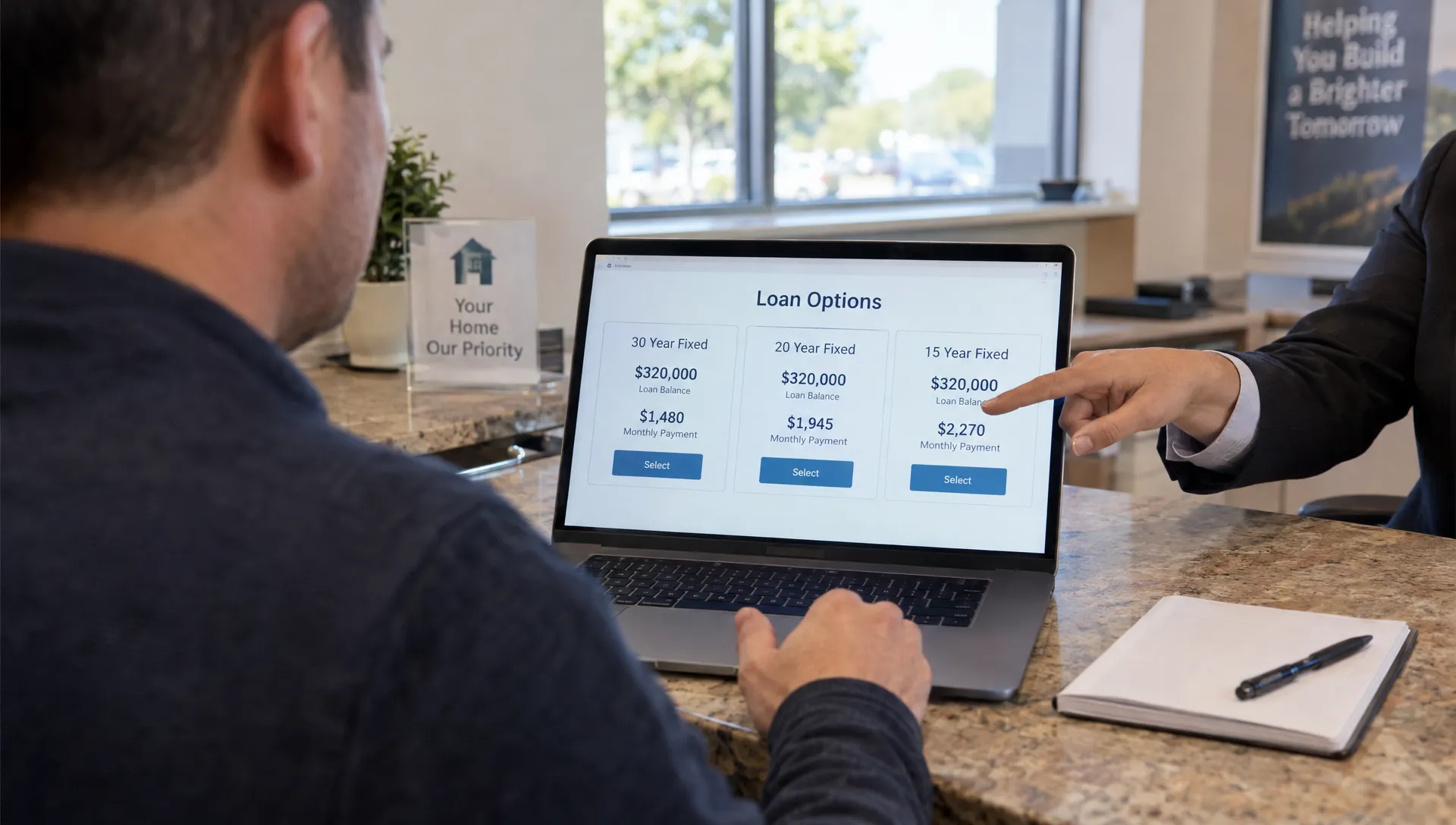
Before the file moves too far, make sure the loan still fits your budget. The excitement of getting an accepted offer can make it tempting to move quickly without revisiting the numbers. Slow down long enough to confirm the monthly payment, estimated taxes, homeowners insurance, mortgage insurance if applicable and any HOA dues.
You should also review your loan program. A conventional loan, FHA loan, VA loan or other program can create different requirements for down payment, property condition, appraisal and closing costs. If you are weighing program options, this is a useful time to revisit how to choose the right new home loan based on payment comfort, cash needed and long-term plans.
Your lender will usually issue or update your Loan Estimate after receiving the required application information. Review it carefully. The interest rate, APR, estimated payment, lender fees, third-party costs and cash to close should all make sense before you give final intent to proceed.
Step 2: Decide whether to lock your rate
Mortgage rates can change daily, sometimes more than once in a day. After your offer is accepted, you will typically discuss whether to lock your rate or leave it floating for a period of time. A lock protects you from market increases during the lock period, as long as the loan closes on time and the terms do not change in a way that affects pricing.
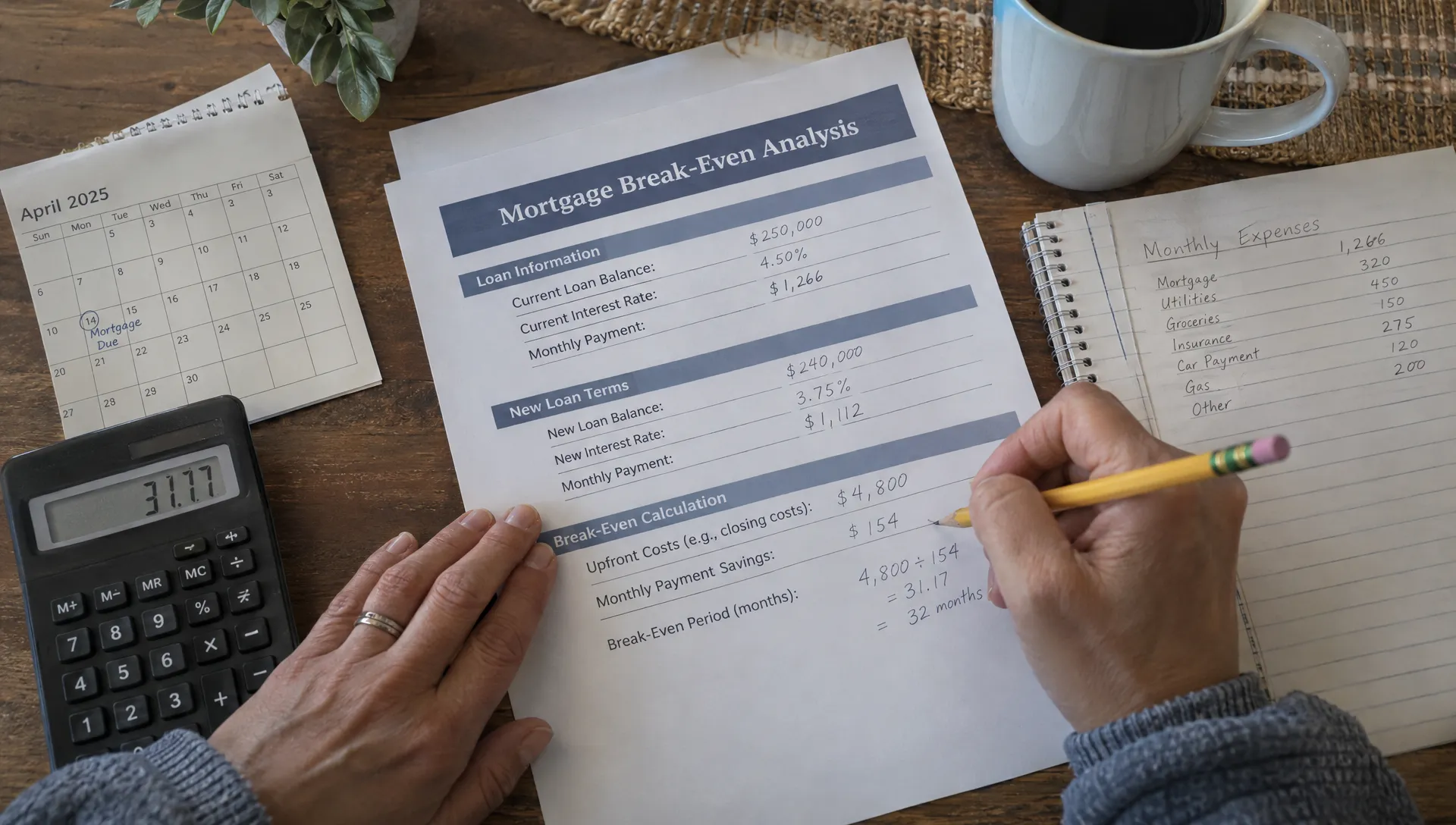
Rate is only one part of the decision. Points, lender credits, fees, APR, lock period and loan type all matter. Two offers with the same interest rate can have different upfront costs. Two offers with different rates can sometimes lead to similar overall value depending on how long you expect to own the home.
If you are comparing pricing, use a consistent method. Review the same loan amount, down payment, program, lock period and points across each quote. New Era Lending's guide on how to compare new mortgage rate offers can help you look beyond the headline rate.
Step 3: Submit documents quickly and completely
After the contract is in, the lender will request updated documents. Even if you submitted paperwork during pre-approval, underwriters often need the most recent versions before final approval.
Common document requests include:
- Recent pay stubs, W-2s or tax returns depending on income type
- Bank statements showing funds for down payment and closing costs
- Documentation for large deposits or gift funds
- Photo ID and signed disclosures
- Homeowners insurance contact information or policy details
- Explanations for credit inquiries, employment gaps or unusual account activity
The fastest way to prevent delays is to send full documents instead of screenshots, cropped pages or partial statements. If your bank statement is seven pages, send all seven pages, even if the last page looks blank. Underwriting is detail oriented, and missing pages can trigger repeat requests.
Avoid making financial changes during this stage unless your lender confirms they are safe. New credit accounts, large purchases, unexplained deposits, job changes and moving money between accounts can all create extra questions.
Step 4: Inspection, appraisal and title work run in parallel
Several property related steps usually begin soon after the offer is accepted. They are connected to the same transaction, but they serve different purposes.
| Item | Who it primarily protects | What it checks | Buyer action |
|---|---|---|---|
| Home inspection | Buyer | Property condition, systems and visible defects | Schedule quickly and review repair options with your agent |
| Appraisal | Lender | Market value and basic property acceptability | Pay appraisal fee if required and wait for completion |
| Title search | Buyer and lender | Ownership history, liens and title issues | Review title documents and ask questions before closing |
| Homeowners insurance | Buyer and lender | Coverage for the property | Shop early and provide policy details to the lender |
The home inspection is typically optional from the lender's perspective, but it is one of the most important buyer protections. It helps you understand the condition of the home before inspection deadlines expire.
The appraisal is ordered through the lender's process and is used to support the loan amount. If the appraised value comes in at or above the purchase price, the file can usually keep moving. If it comes in low, you may need to renegotiate, increase your down payment, dispute the appraisal if there is a valid reason or adjust the loan structure.
Title work confirms that the seller can transfer ownership and that liens or ownership issues are addressed before closing. At the same time, your lender will need proof of acceptable homeowners insurance before final approval.
Step 5: Processing and underwriting review the full file
Loan processing is where your documents, contract, appraisal, title work, insurance and disclosures are organized for underwriting. The processor checks for missing items, updates numbers and helps prepare the file for a full credit decision.
Underwriting is the formal review. The underwriter evaluates whether the borrower, property and loan terms meet program guidelines. They review income, assets, credit, debt-to-income ratio, appraisal, title details and any risk factors in the file.
Many files receive a conditional approval before final approval. This is normal. Conditional approval means the loan appears approvable if certain items are satisfied. Conditions might include an updated pay stub, proof a credit card balance was paid, a clearer bank statement, a letter explaining a deposit or final title documents.

Respond to underwriting conditions as quickly as possible, but do not guess. If you are unsure what a condition means, ask your loan team before uploading the wrong document. A clear answer now can save days later.
Step 6: Review the Closing Disclosure
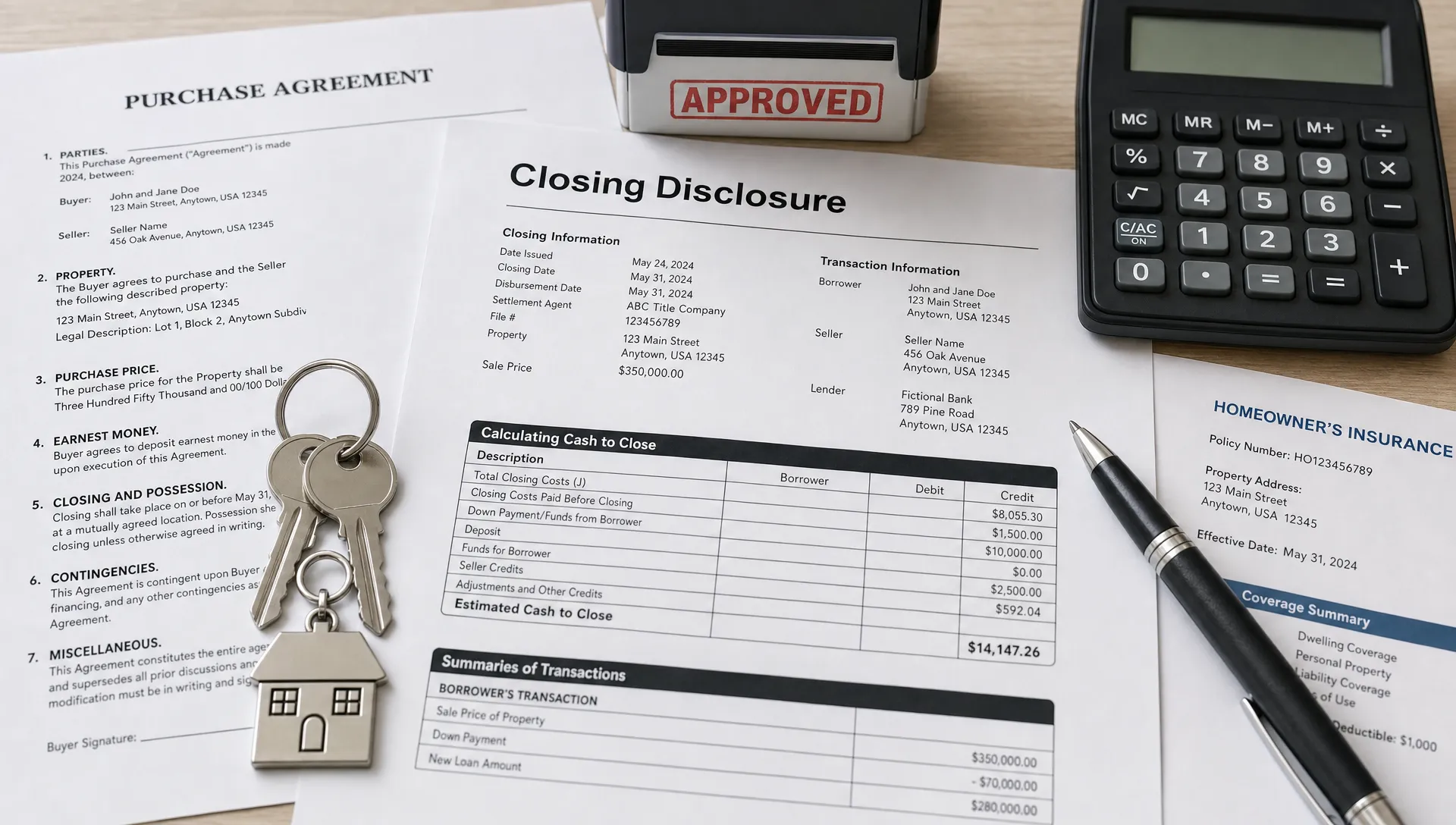
Before closing, you will receive a Closing Disclosure, often called the CD. This document shows the final loan terms, projected payment, closing costs and cash needed to close.
The Consumer Financial Protection Bureau explains that borrowers must receive the Closing Disclosure at least three business days before closing on most mortgage loans. This waiting period is designed to give you time to review the numbers before signing.
Compare the Closing Disclosure with your most recent Loan Estimate. Some items may change, such as prepaid interest, tax prorations or escrow deposits. Other changes should be explained clearly. If your cash to close, rate, loan amount or payment looks different from what you expected, contact your lender immediately.
This is also the time to be especially careful with wire instructions. Mortgage transactions are common targets for wire fraud. Confirm wiring details by calling a trusted phone number from your title company or closing attorney, not a number that appears only in a last-minute email.
Step 7: Prepare for the final walk-through and closing appointment
The final walk-through usually happens shortly before signing. It gives you a chance to confirm the property is in the expected condition, agreed repairs are complete and the seller has not removed items that were supposed to stay.
Closing itself may happen at a title company, attorney's office or another approved location depending on your state. Some documents may be available electronically, but many purchase closings still require in-person signing or notarized documents. Bring a valid photo ID and confirm in advance whether your funds must be wired or provided by cashier's check.
As you build your moving checklist, include practical life admin tasks along with loan items. Utilities, mail forwarding, school records and healthcare appointments are easier to handle before moving week. If your move includes finding providers in a new area, the same organized approach applies whether you are comparing internet service or booking a dentist in Pakenham before settling in.
After signing, the loan still may need to fund and record before you officially receive keys. In some states, funding and possession happen the same day. In others, recording timing affects when the transaction is legally complete. Your agent, lender and title company can explain how it works in your area.
A typical offer-to-closing timeline
Every transaction is different, but many purchase loans are structured around a 30 to 45 day closing window. Shorter timelines can be possible when the borrower is well prepared, the appraisal is completed quickly and title work is clean. Longer timelines may be needed for new construction, complex income, repair negotiations or appraisal issues.
| Approximate stage | What is happening | What can slow it down |
|---|---|---|
| Days 1 to 3 | Contract sent to lender, disclosures issued, loan terms confirmed | Late contract delivery or unclear purchase terms |
| Days 3 to 10 | Inspection, document updates, appraisal order and insurance shopping | Missing documents or delayed inspection decisions |
| Days 10 to 25 | Appraisal, title work, processing and underwriting | Low appraisal, title issues or complex income review |
| Days 20 to 35 | Conditions cleared and Closing Disclosure prepared | Slow responses to conditions or last-minute credit changes |
| Final days | Final walk-through, signing, funding and recording | Wire issues, document errors or unresolved repairs |
For a newly built home, the timeline may be tied to builder completion, certificate of occupancy and final inspections. Stay in close contact with your lender if the builder changes the estimated completion date, since rate locks and document expiration dates may need attention.
Common mistakes that delay closing
Most closing delays come from missing information, surprise financial changes or property issues that were not addressed early. Buyers can prevent many of these problems with steady communication and a little discipline.
Try to avoid these common mistakes:
- Opening a new credit card, auto loan or furniture financing before closing
- Moving large sums between accounts without documenting the source
- Depositing cash that cannot be verified
- Changing jobs or pay structure without telling your lender first
- Waiting too long to choose homeowners insurance
- Ignoring lender requests because they seem repetitive
- Scheduling movers before confirming signing, funding and possession timing
The safest rule is simple: before making a financial move, ask your lender. Even a choice that seems harmless can affect documentation or approval timing.
How New Era Lending helps simplify the process
A smoother closing depends on two things: clear technology and real human guidance. New Era Lending combines a smart mortgage process with personalized support for buyers who want a clearer path from accepted offer to closing.
Borrowers can use secure document uploads, e-signature support and educational resources while still having access to guidance from a lending team. New Era Lending offers a wide range of loan options for home purchase, refinancing and equity access, with availability across 39 states.
The goal is not to make the mortgage process feel mysterious. It is to help you understand what is happening, what is needed next and how to move toward closing with confidence.
Frequently Asked Questions
How long does the new home loan process take after an offer is accepted? Many purchase loans close in about 30 to 45 days, but the timeline depends on the contract, appraisal, title work, underwriting, borrower responsiveness and state closing requirements.
Can my loan be denied after my offer is accepted? Yes. Pre-approval is not the same as final approval. A loan can run into problems if income, credit, assets, property value, title or program eligibility do not meet underwriting requirements.
When should I shop for homeowners insurance? Start soon after your offer is accepted. Your lender will need acceptable insurance details before final approval, and shopping early gives you time to compare coverage and pricing.
What does clear to close mean? Clear to close means underwriting conditions have been satisfied and the lender is ready to prepare final closing steps. You still need to review final documents, sign correctly and complete funding requirements.
Should I make large purchases before closing? Avoid large purchases, new credit accounts or major account transfers before closing unless your lender confirms they will not affect approval. Even furniture financing can change your debt-to-income ratio or trigger new documentation.
Move from accepted offer to closing with more confidence
If your offer has been accepted or you are getting ready to write one, New Era Lending can help you understand your loan options, organize the next steps and move through the mortgage process with clearer expectations.
Start with smart tools, secure document handling and guidance from a team that understands purchase timelines. Visit New Era Lending to explore personalized mortgage solutions for your next home purchase.