.jpg)
.jpg)





.jpg)

Mortgages With No Down Payment: What to Know
Buying a home without saving for a large down payment can feel like a shortcut to ownership. For some buyers, it is. Mortgages with no down payment can help eligible borrowers purchase sooner, preserve cash for emergencies, and stop waiting for a 20% savings goal that may not be required.
But zero down does not mean zero responsibility, and it usually does not mean zero cash at closing. The right question is not only, “Can I buy with no down payment?” It is, “Will this loan structure leave me financially stable after I get the keys?”
Below, we will walk through what no-down-payment mortgages really mean, who may qualify, which costs still matter, and how to compare your options with confidence.
What “no down payment” really means
A down payment is the portion of the purchase price you pay upfront from your own funds or approved assistance. If you buy a $300,000 home with 3% down, your down payment is $9,000. A no-down-payment mortgage can finance up to 100% of the purchase price, depending on the loan program, property, and underwriting approval.
That is the simple definition. The practical definition is more nuanced.
Even with 100% financing, you may still need money for costs such as inspections, appraisal fees, title charges, lender fees, prepaid property taxes, homeowners insurance, HOA dues, and escrow deposits. You may also need earnest money when you make an offer, although that deposit is typically credited toward your cash to close if the purchase moves forward.
The Consumer Financial Protection Bureau explains that your Loan Estimate should show your projected closing costs and cash to close, which makes it one of the most important documents to review early. If the number surprises you, ask your lender to explain which costs can be reduced, credited, financed, or covered by assistance.
In other words, a no-down-payment mortgage solves one major barrier, but it does not remove every upfront cost of buying a home.
The main types of mortgages with no down payment
No-down-payment options are not available to every buyer in every location, but several programs can make 0% down possible when the borrower and property meet the rules.
VA loans
VA loans are one of the most powerful no-down-payment mortgage options for eligible veterans, active-duty service members, certain National Guard and Reserve members, and qualifying surviving spouses. According to the U.S. Department of Veterans Affairs, VA-backed home loans can help eligible borrowers buy, build, improve, or refinance a home.
The big advantage is that many eligible VA borrowers can buy with no down payment, as long as they have sufficient entitlement and the property meets VA and lender requirements. VA loans also do not require monthly private mortgage insurance, although most borrowers pay a VA funding fee unless they qualify for an exemption.
If you are considering this route, it is worth reviewing the details of VA loan down payment rules, especially if you have used VA benefits before, are buying above the appraised value, or have partial entitlement.
USDA loans
USDA loans are designed to support homeownership in eligible rural and some suburban areas. The name can be misleading because USDA financing is not only for farms. Many properties outside dense urban centers may qualify, depending on the USDA eligibility map and program rules.
The USDA Single Family Housing Guaranteed Loan Program allows eligible applicants to purchase qualifying homes with no down payment. Borrowers must meet income limits, property eligibility rules, and credit and repayment requirements. USDA loans also include guarantee fees, which can affect both upfront and monthly costs.
For buyers who are open to eligible locations, USDA financing can be a practical path to homeownership without a down payment.
Down payment assistance paired with another mortgage
Some buyers do not technically use a “0% down” first mortgage, but they still buy with little or no personal down payment because approved assistance covers the required amount. Down payment assistance can come in the form of grants, forgivable loans, deferred-payment second mortgages, or low-interest second loans.
These programs are often aimed at first-time buyers, moderate-income households, public employees, or buyers purchasing in targeted areas. Rules vary widely by state, county, city, and program sponsor. Some assistance can be used with FHA, conventional, VA, or USDA loans, while other programs are more limited.
If this is your path, read the fine print carefully. Assistance may require homebuyer education, income limits, occupancy rules, repayment if you sell or refinance too soon, or specific lender participation. New Era Lending’s guide to down payment assistance for first-time home buyers is a helpful next step if you want to understand how these programs typically work.
Select 100% financing programs
Some lenders, banks, credit unions, or housing agencies offer their own 100% financing programs. These may be limited by geography, income, occupation, credit profile, property type, or membership. For example, a program may be designed for certain communities, first-time buyers, medical professionals, teachers, or public service workers.
These programs can be valuable, but they should be compared carefully against VA, USDA, FHA with assistance, and low-down-payment conventional options. A loan with no down payment is not automatically the lowest-cost loan.
Who is a good fit for a no-down-payment mortgage?
A no-down-payment mortgage can make sense when you qualify for a strong program and your monthly budget is comfortable. It is especially useful for buyers who have steady income but have not had enough time to build a large savings account.
You may be a strong candidate if you have stable employment, manageable debts, a credit profile that meets program guidelines, and enough income to support the full monthly payment. The monthly payment matters because financing the full purchase price usually means a larger loan balance than if you made a down payment.
Cash reserves also matter. It may sound counterintuitive, but some buyers should avoid draining their savings for a down payment. Keeping money available for repairs, moving costs, furniture, utilities, and emergencies can be the difference between comfortable ownership and financial stress.
On the other hand, no down payment may be less ideal if the resulting monthly payment stretches your budget, if home prices in your target area are volatile, or if you expect to move again very soon. With little initial equity, selling after a short period can be harder if transaction costs and market changes reduce your net proceeds.
The costs and tradeoffs to understand before you apply
The biggest mistake buyers make is treating “no down payment” as the same thing as “cheaper.” It can be cheaper upfront, but it is not always cheaper over time.
Here are the tradeoffs to evaluate:
- Higher monthly payment: Borrowing more usually increases principal and interest, even if the rate is competitive.
- Program fees or mortgage insurance: VA loans may have a funding fee, USDA loans have guarantee fees, and other programs may include mortgage insurance or second-lien payments.
- Less starting equity: If home values dip or you need to sell quickly, having little equity can limit your flexibility.
- More underwriting conditions: No-down-payment programs may have property, income, location, or documentation rules that a standard loan may not have.
- Offer competitiveness: In some markets, sellers may compare your financing strength against buyers with larger down payments, so pre-approval and a clear offer strategy are important.
None of these tradeoffs mean you should avoid no-down-payment mortgages. They simply mean you should compare the full picture, not just the amount due upfront.
Closing costs still matter
When buyers ask about mortgages with no down payment, they often focus on the down payment and overlook closing costs. That can lead to frustration late in the process.
Closing costs vary by loan type, lender, state, property taxes, insurance premiums, title company charges, and local customs. In some cases, buyers can reduce out-of-pocket costs through seller concessions, lender credits, gift funds, assistance programs, or by negotiating which party pays certain fees.
However, each option has rules and tradeoffs. Seller concessions may be capped by the loan program. Lender credits may come with a higher interest rate. Gift funds must be documented properly. Assistance programs may add processing time or future repayment conditions.
Before you fall in love with a home, ask your lender for a realistic estimate of your total cash to close. Then ask for a version that shows what happens if the seller contributes toward closing costs. A small change in the offer structure can make a major difference in how much cash you need.
Property condition can make or break the deal
With any mortgage, the home itself has to meet lender and program standards. With VA and USDA loans in particular, property condition can become a key part of the approval process. The lender wants to know that the home is safe, sound, and suitable as collateral.
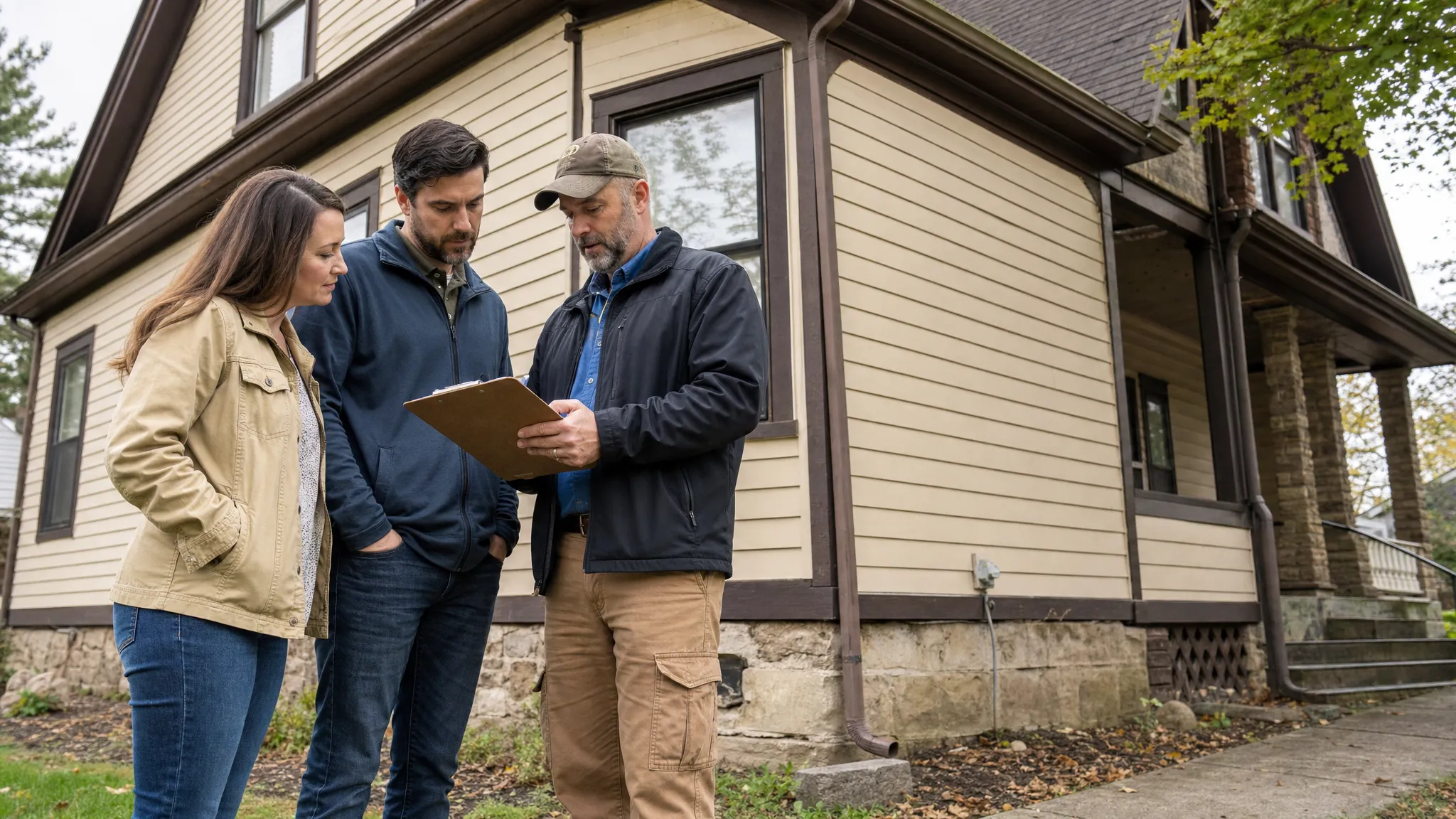
This is where inspections, appraisals, and repair negotiations matter. A home may look affordable because you can buy it with no down payment, but hidden repair issues can create costs after closing. Roof problems, plumbing issues, pest damage, mold, water intrusion, or old hazardous materials can affect both livability and financing.
In older homes, especially in parts of New England, environmental concerns can be a serious due diligence item. If an inspection raises concerns about asbestos, mold, or water damage, buyers may need guidance from licensed remediation professionals such as Banner Environmental Services before deciding whether repairs, credits, or walking away make sense.
A no-down-payment loan can help you preserve cash, but it should not encourage you to skip inspections or ignore property risks. If anything, buyers putting little down should be extra careful about unexpected repair exposure.
How to compare no down payment vs. low down payment
Sometimes the best choice is not a true no-down-payment mortgage. A low-down-payment option may offer a better interest rate, lower fees, broader property eligibility, or more negotiating flexibility. For example, a buyer who can put 3% or 5% down may qualify for a conventional loan structure that competes well against a 100% financing option, depending on credit, income, and mortgage insurance.
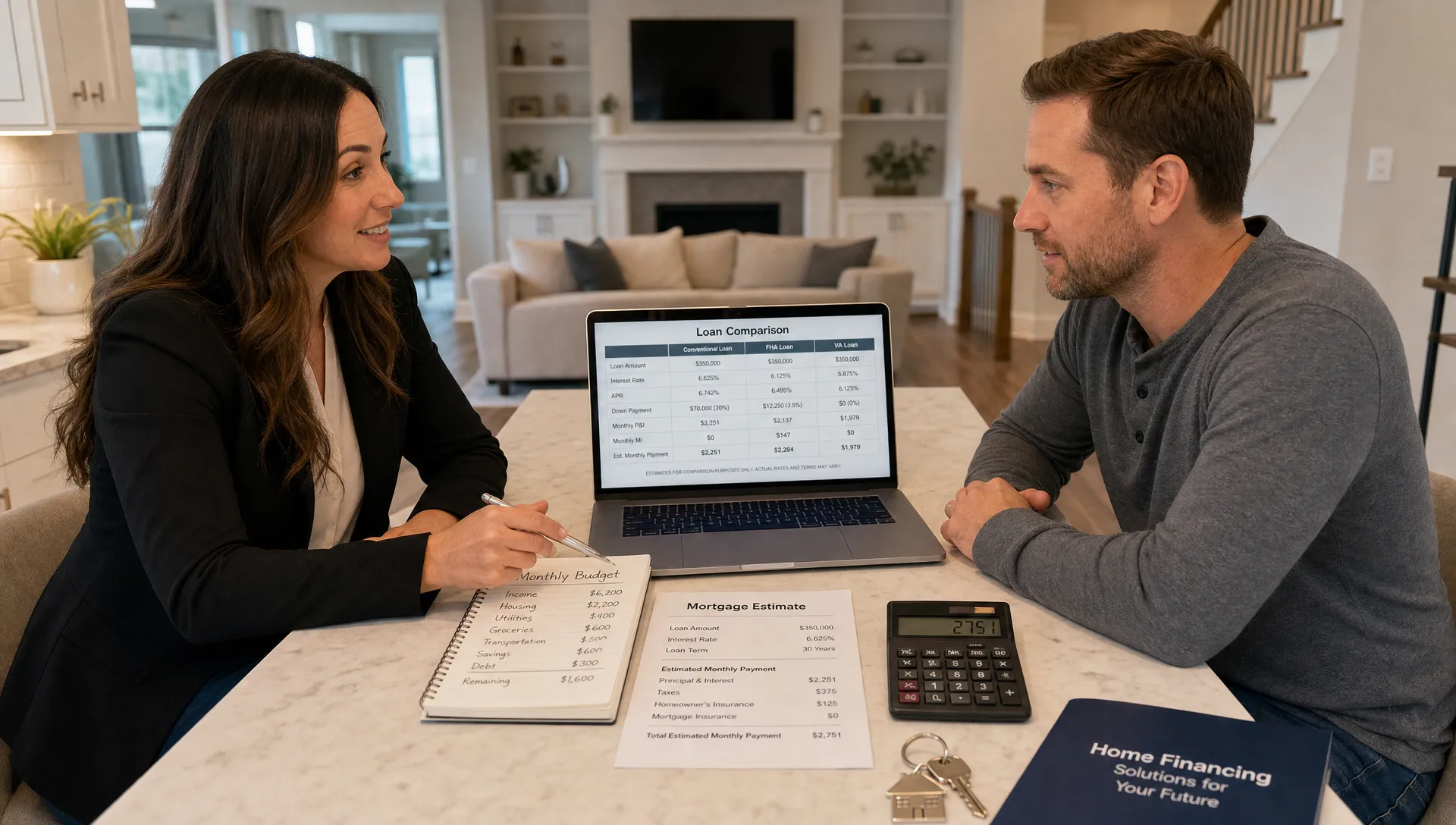
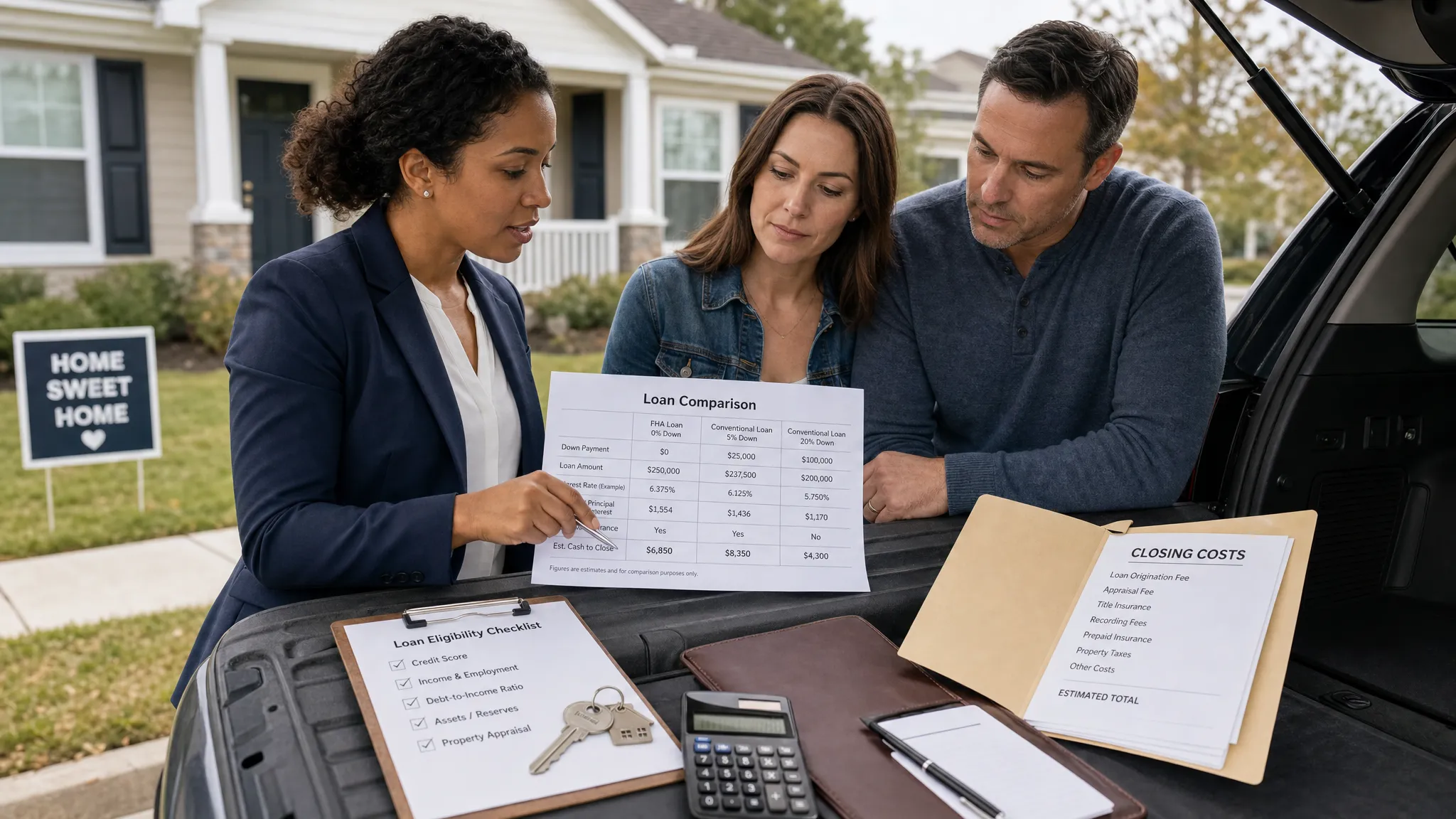
The comparison should focus on three numbers: cash to close, monthly payment, and long-term cost. A loan that saves you $8,000 upfront but costs significantly more every month may or may not be worth it. It depends on your cash reserves, income stability, future plans, and how long you expect to keep the home.
Ask your lender to compare scenarios side by side. You do not need to become a mortgage expert, but you should understand the differences in interest rate, mortgage insurance or program fees, total cash needed, and estimated payment.
It can also help to ask yourself a simple question: “If I buy with no down payment, how much money will I still have after closing?” If the answer is “almost nothing,” it may be worth slowing down, negotiating credits, exploring assistance, or considering a less expensive home.
Questions to ask before choosing a no-down-payment mortgage
A good mortgage conversation should go beyond whether you qualify. It should help you understand what the loan means for your monthly life after closing.
Before you commit, ask these questions:
- Which no-down-payment programs am I actually eligible for? Eligibility can depend on military service, income, location, credit, property type, and occupancy.
- What is my estimated total cash to close? Separate the down payment from closing costs, prepaid items, and escrow deposits.
- Will I pay mortgage insurance, guarantee fees, or funding fees? These costs vary by program and can affect the true price of the loan.
- Can seller credits or lender credits reduce my upfront costs? If yes, ask how they affect the offer, interest rate, and loan approval.
- What property requirements could affect approval? This is especially important with VA, USDA, condominiums, manufactured homes, or fixer-uppers.
- How much emergency savings should I keep after closing? A home purchase should not leave you unable to handle repairs or income disruptions.
The answers will help you see whether no down payment is a smart strategy or simply an attractive headline.
How to prepare for approval
If you think a no-down-payment mortgage may fit your situation, preparation can improve your odds and reduce delays.
Start by organizing income documents, bank statements, identification, employment history, and any records related to military service or eligibility. Avoid opening new credit accounts, making large undocumented deposits, or increasing credit card balances while you are preparing to apply.
Next, get pre-approved before shopping seriously. Pre-approval helps you understand your price range and gives sellers more confidence in your offer. It can also reveal whether your best path is VA, USDA, down payment assistance, a lender-specific 100% financing program, or a low-down-payment alternative.
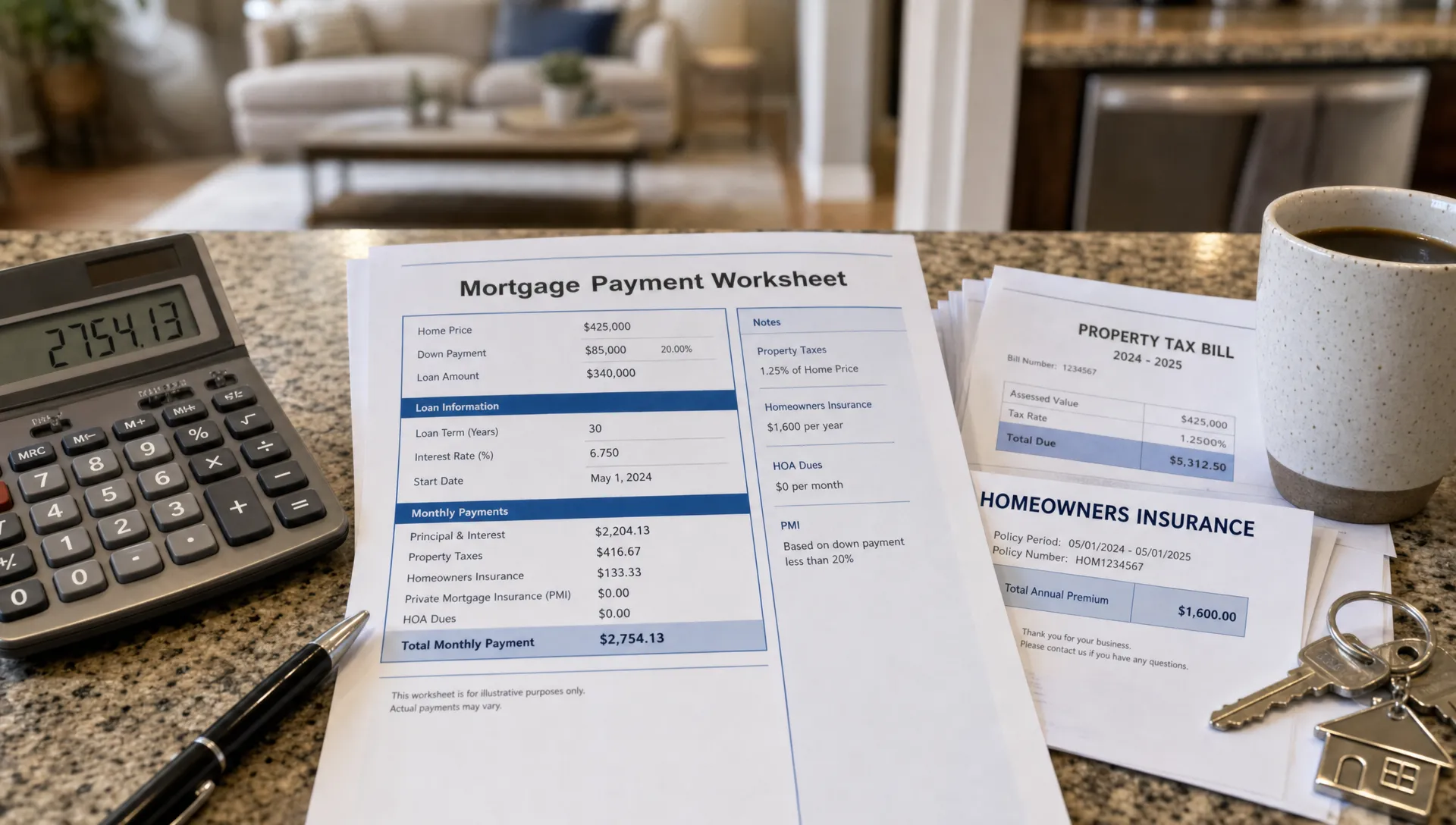
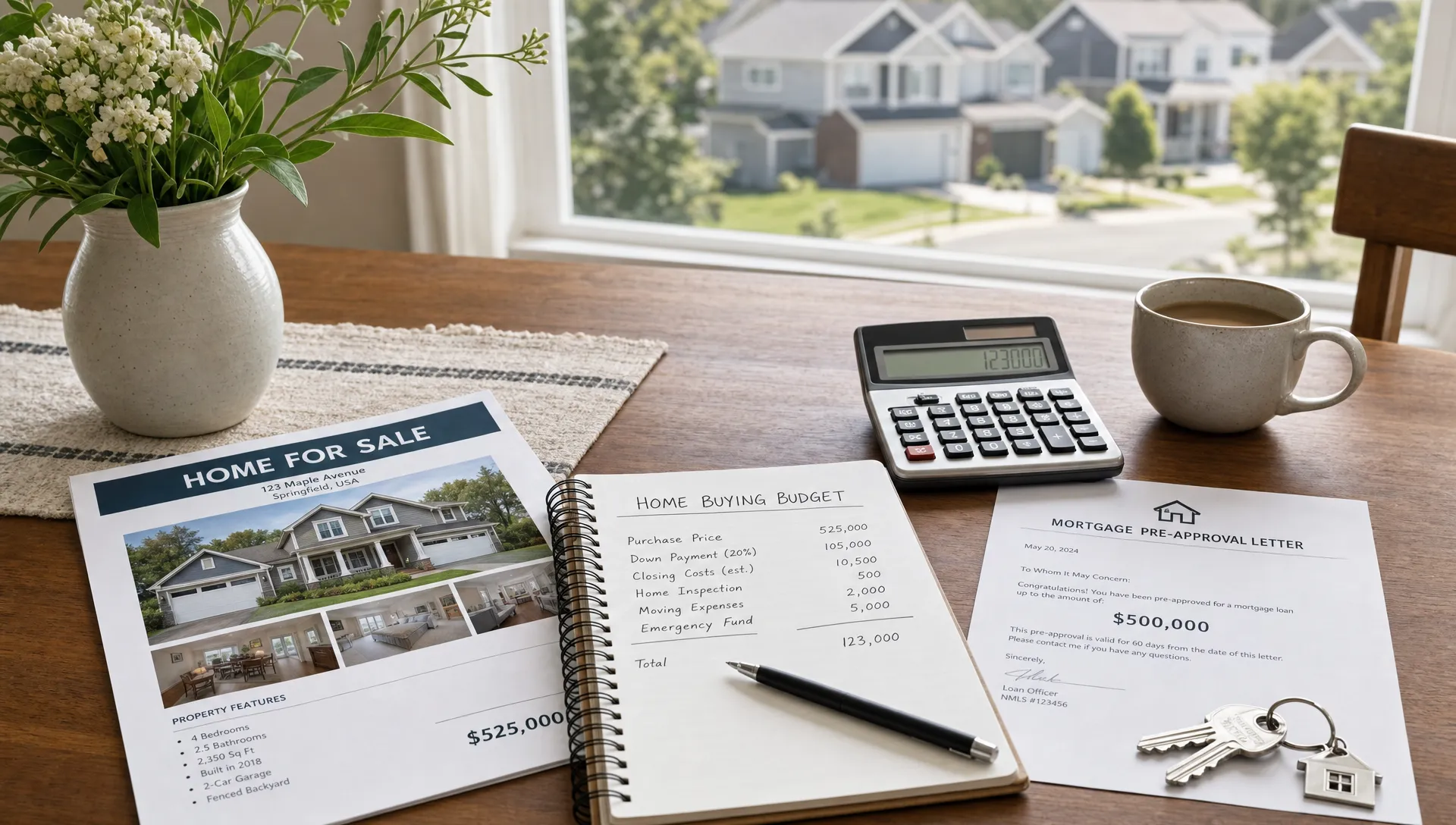
Finally, build your buying budget around the full housing payment, not just principal and interest. Include property taxes, homeowners insurance, mortgage insurance or program fees if applicable, HOA dues, utilities, maintenance, and a repair fund. The goal is not just to buy a home. The goal is to keep it comfortably.
Frequently Asked Questions
Can I really buy a house with no down payment? Yes, some buyers can purchase with no down payment through VA loans, USDA loans, certain assistance programs, or select 100% financing options. Eligibility depends on the borrower, property, location, and loan program.
Does no down payment mean I need no money at closing? Not usually. You may still need money for closing costs, prepaid taxes and insurance, inspections, appraisal fees, and earnest money. Some of these costs may be covered by seller credits, lender credits, gifts, or assistance if allowed.
Are mortgages with no down payment more expensive? They can be. Because you are borrowing more, your monthly payment may be higher. Some programs also include funding fees, guarantee fees, or mortgage insurance. Always compare the full monthly payment and long-term cost.
What credit score do I need for a no-down-payment mortgage? Credit requirements vary by program and lender. VA and USDA loans have different underwriting standards, and lender overlays may apply. The best way to know is to review your profile with a mortgage professional.
Is a no-down-payment mortgage risky? It can be risky if the payment is too high, you have no emergency savings, or the property needs major repairs. It can be a smart option when the loan is affordable, the home is sound, and you keep enough cash reserves after closing.
Ready to explore your options?
Mortgages with no down payment can open the door to homeownership, but the right loan should fit your eligibility, budget, property goals, and long-term plans. New Era Lending helps buyers compare personalized mortgage options with modern tools, transparent guidance, and human support throughout the process.
If you are wondering whether a no-down-payment mortgage is realistic for your next purchase, connect with New Era Lending to review your options and move forward with clarity.