.jpg)
.jpg)





.jpg)


Investment Loans Explained for New Property Buyers

Buying an investment property can be one of the most practical ways to build long-term wealth, but the loan side often feels unfamiliar to first-time investors. The biggest shift is simple: lenders evaluate investment loans differently because the home is not your primary residence, and the property’s income potential may matter almost as much as your personal finances.
If you are a new property buyer, this guide will help you understand what investment loans are, how they work, what lenders review, and how to think through the numbers before you make an offer.
What are investment loans?
Investment loans are mortgage loans used to finance real estate that you plan to rent out, hold for appreciation, renovate for resale, or otherwise use as an income-producing asset. The property might be a single-family rental, duplex, triplex, four-unit building, condo, townhome, or in some cases a mixed-use property.
The key difference is intent. If you are buying a home to live in, lenders treat it as a primary residence. If you are buying it to generate income, lenders treat it as an investment property. That distinction affects qualification rules, down payment expectations, interest rates, reserves, documentation, and sometimes the loan program available to you.
Investment loans are not one-size-fits-all. A new buyer purchasing a turnkey rental with strong personal income may need a different loan than an experienced investor buying a property based primarily on rental cash flow. That is why the first step is not just asking, “What rate can I get?” It is asking, “Which loan structure fits my strategy, timeline, and risk tolerance?”
How investment loans differ from primary home loans
A mortgage for an investment property usually carries more lender risk than a mortgage on a home you occupy. If financial pressure hits, borrowers are generally more likely to prioritize the roof over their own head before a rental property. Lenders account for that risk in several ways.
Common differences include:
- Higher down payment requirements: Investment properties often require more cash down than primary residences, especially for conventional loans.
- Potentially higher interest rates: Rates can be higher because lenders price for additional risk, property type, occupancy, and borrower profile.
- Reserve requirements: You may need cash reserves after closing, often measured in months of mortgage payments.
- Stricter credit and debt review: Lenders may place more weight on your credit profile, debt-to-income ratio, and history managing obligations.
- Rental income analysis: If the property will generate rent, lenders may review leases, market rent, or appraisal rent schedules to determine how much income can be counted.
If you are still building a foundation in mortgage terminology, New Era Lending’s guide to home lending for today’s buyers is a helpful companion before you compare investment-specific options.
Common types of investment loans for new buyers
The right investment loan depends on your credit profile, down payment, income documentation, property type, and investment goal. Here are the most common paths new buyers explore.
Conventional investment property loans
Conventional loans are a common choice for buyers with solid credit, stable income, and enough funds for the required down payment and closing costs. These loans are often used for one-to-four-unit residential rental properties.
For a new investor, conventional financing may be appealing because it is widely understood, has established underwriting rules, and can work well for long-term rental purchases. However, it usually requires stronger borrower documentation than some alternative loan types.
DSCR loans
A debt service coverage ratio loan, often called a DSCR loan, focuses heavily on whether the property’s rental income can support the loan payment. Instead of relying mainly on traditional personal income documentation, the lender evaluates rental income compared with the property’s monthly debt obligations.
DSCR loans can be useful for investors with complex income, self-employment income, or multiple properties, but terms vary widely. They may have different credit, down payment, reserve, and rate expectations compared with conventional loans.
Portfolio and non-QM loans
Portfolio loans are held by the lender or investor rather than being sold through standard agency channels. Non-QM loans, short for non-qualified mortgage loans, may allow more flexible documentation or underwriting for borrowers who do not fit traditional guidelines.
These loans can help in special situations, but flexibility can come with tradeoffs. New buyers should review rates, fees, prepayment penalties, documentation rules, and exit strategy carefully before choosing this route.
Renovation, bridge, or short-term investment financing
Some buyers plan to purchase a property that needs repairs before it can be rented or resold. In those cases, short-term financing, renovation loans, or bridge loans may be considered. These options are typically more specialized and may carry higher costs.
They can be useful when speed or property condition is a challenge, but they require a clear plan. Before using short-term financing, know how you will repay or refinance the loan, what repairs will cost, and how much cushion you have if the project takes longer than expected.
For a broader comparison of common mortgage structures, see New Era Lending’s plain-English guide to mortgage loan options for different buyers.
What lenders look for when you apply
Lenders want to understand two things: your ability to repay the loan and the investment property’s ability to perform. Even if the property looks profitable, your personal financial profile still matters.
Credit profile
Your credit score, payment history, current debts, and recent credit activity can affect your eligibility and pricing. A stronger credit profile may give you more loan options and better terms, while late payments, high revolving balances, or recent major credit changes can create friction.
Down payment and cash reserves
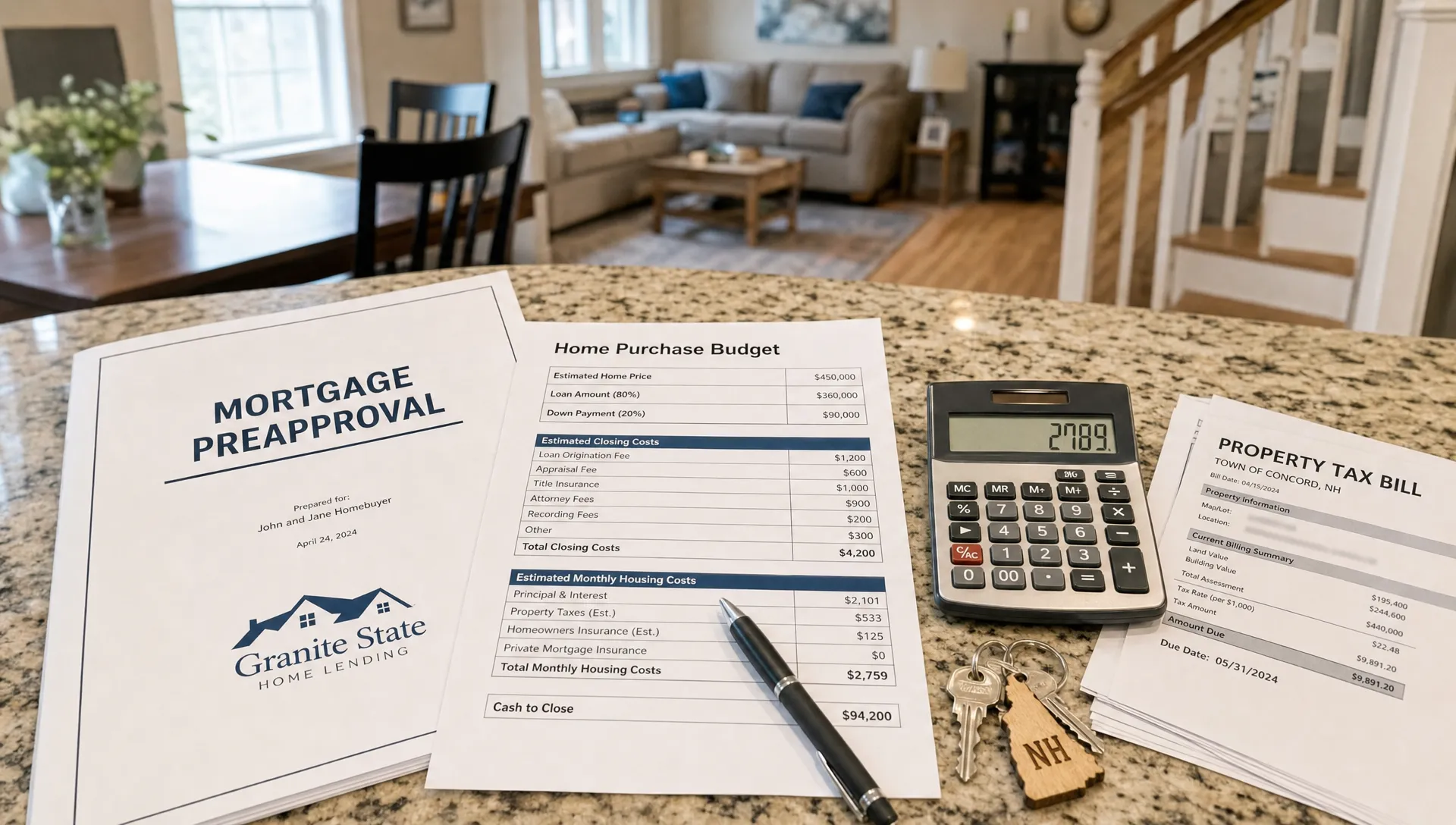
Investment properties usually require a larger cash commitment than owner-occupied homes. In addition to the down payment, you should budget for closing costs, prepaid taxes and insurance, inspection costs, appraisal fees, and post-closing reserves.
Reserves matter because rental properties have real-world surprises. A vacancy, repair, insurance increase, or delayed tenant payment can strain cash flow if you close with no cushion.
Income and debt-to-income ratio
For many investment loans, lenders review your personal income and debts to calculate your debt-to-income ratio. W-2 income, self-employment income, retirement income, and other eligible sources may be considered, depending on the loan program.
Rental income can sometimes help, but lenders rarely count every dollar of projected rent. They may apply a vacancy factor or use market rent from an appraisal, lease documentation, or program-specific rules.
Property condition and marketability
The property itself must usually meet lender standards. Serious safety issues, incomplete repairs, zoning problems, title defects, or unusual property characteristics can affect financing.
This is especially important for new buyers. A property that looks like a bargain may become difficult to finance if it needs major work, lacks comparable rentals, or does not meet the loan program’s property requirements.
For a deeper look at qualification details, New Era Lending’s article on investment property loan requirements, rates, and down payment covers the lender review in more detail.
The cash flow math every new investor should understand
The monthly mortgage payment is only one piece of the investment. A rental property can look affordable on paper but underperform after operating expenses.
Before you submit an offer, estimate the property’s likely income and expenses. Start with expected monthly rent, then subtract realistic costs such as:
- Mortgage principal and interest
- Property taxes
- Homeowners insurance or landlord insurance
- HOA dues, if applicable
- Vacancy allowance
- Repairs and maintenance
- Property management fees, if you will not self-manage
- Utilities paid by the owner
- Lawn care, snow removal, pest control, or other recurring services
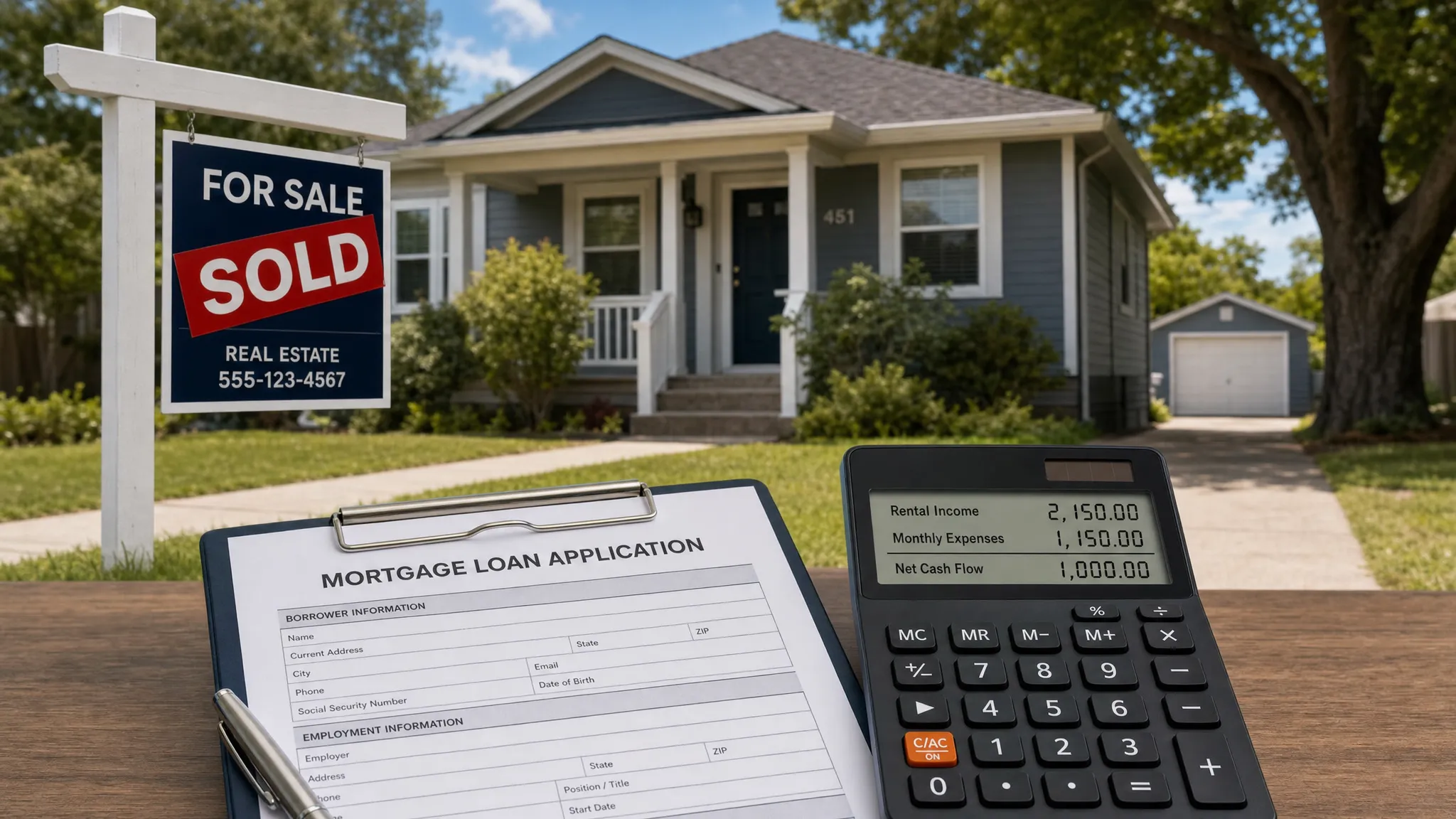
A simple cash flow formula is: rent collected minus all monthly property expenses. If the result is positive, the property may generate monthly cash flow. If it is negative, you may still choose to buy for appreciation or tax strategy, but you need to know that you are funding the shortfall.
Tax treatment can also affect your returns. Rental income, expenses, depreciation, and sale proceeds may have tax implications, so it is wise to consult a qualified tax professional. The IRS provides general information in Publication 527 on residential rental property, but your personal situation deserves tailored advice.
How to prepare before applying for an investment loan
A strong loan application starts before you find the property. New buyers often focus on listings first, but financing readiness can determine whether you can move quickly when the right opportunity appears.
Clarify your investment strategy
Decide whether you are buying for long-term rent, short-term rent, house hacking, renovation and resale, or portfolio growth. Each strategy can influence loan type, property location, cash reserves, and risk.
For example, a long-term rental may be evaluated differently than a property intended for short-term rental income. Some lenders may not count short-term rental projections the same way they count signed long-term leases.
Review your budget beyond the down payment
Your cash-to-close is not the same as your total investment budget. You also need reserves for repairs, vacancy, furnishing if applicable, and early operating costs.
A conservative budget helps you avoid buying a property that depends on everything going perfectly. In real estate investing, perfect assumptions are rarely a good plan.
Gather documents early
Documentation needs vary by loan type, but many lenders may ask for pay stubs, W-2s, tax returns, bank statements, asset statements, identification, property information, leases, or insurance details.
If you are self-employed or have complex income, preparing early is even more important. Clean documentation can reduce delays and help your lender identify the right program sooner.
Compare the full loan offer, not just the rate
Interest rate matters, but it is not the whole story. Review closing costs, discount points, prepayment penalties, reserve requirements, mortgage insurance if applicable, adjustable-rate terms, and documentation requirements.
The Consumer Financial Protection Bureau’s Loan Estimate guide is a useful resource for understanding how lenders present loan terms and costs. Comparing Loan Estimates can help you see the real cost of financing instead of focusing only on the advertised rate.
Common mistakes new property buyers make
New investors do not need to know everything on day one, but avoiding a few common mistakes can protect your budget and confidence.
One mistake is assuming rental income will cover every cost immediately. Even good properties can have vacancies, repairs, tenant turnover, or seasonal expenses. Build a cushion into your numbers.
Another mistake is ignoring financing rules until after making an offer. Investment loans can have different down payment, property, and reserve requirements. Getting guidance early helps you shop within a realistic price range.
A third mistake is underestimating insurance, taxes, and maintenance. Property taxes may change after purchase, insurance premiums can vary by location and property type, and older homes may need more upkeep.
Finally, some buyers choose the loan with the lowest payment without understanding the tradeoffs. A lower initial payment may come with points, adjustable terms, balloon features, or restrictions that do not fit your plan. Always ask how the loan works today and how it could work several years from now.
Questions to ask your lender before you buy
A good lending conversation should leave you with more clarity, not more confusion. Before choosing an investment loan, ask questions such as:
- What loan types are available for my property type and investment strategy?
- How much down payment will I likely need?
- What reserves are required after closing?
- Can projected rental income be used to qualify, and how is it calculated?
- Are there prepayment penalties, points, or adjustable terms?
- What property conditions could prevent approval?
- How long does the approval and closing process typically take?
- What documents should I prepare now to avoid delays later?
These questions help you compare options based on fit, not just price. For new buyers, the right loan is usually the one that supports both approval and sustainable ownership.
Frequently Asked Questions
Are investment loans harder to get than regular home loans? They can be, because lenders often require stronger credit, larger down payments, more reserves, and a more detailed review of rental income or property performance. The exact requirements depend on the loan type and borrower profile.
Can I use rental income to qualify for an investment loan? In many cases, yes, but lenders may not count the full rent amount. They may use a lease, market rent estimate, or appraisal schedule, then apply program-specific rules or vacancy adjustments.
How much down payment do I need for an investment property? It varies by loan program, property type, credit profile, and number of units. Investment properties generally require more down than primary residences, so it is best to get a personalized review before shopping.
Can first-time buyers purchase an investment property? Yes, first-time property buyers may be able to buy investment properties if they meet the lender’s credit, income, asset, reserve, and property requirements. Some programs may be more flexible than others.
Should I choose a fixed-rate or adjustable-rate investment loan? It depends on your timeline and risk tolerance. A fixed rate may offer payment stability, while an adjustable-rate loan may have a lower initial rate but future payment uncertainty. Compare the long-term impact before deciding.
Take the next step with confidence
Investment loans can open the door to rental income and long-term wealth building, but the details matter. The right loan should fit your budget, property strategy, documentation, and comfort with risk.
New Era Lending combines smart mortgage technology with personalized human guidance to help buyers explore home purchase, refinance, and equity access options across 39 states. If you are considering your first investment property, start with a clear financing conversation and a realistic view of the numbers.
Visit New Era Lending to explore mortgage solutions and get guidance for your next property purchase.