.jpg)
.jpg)





.jpg)
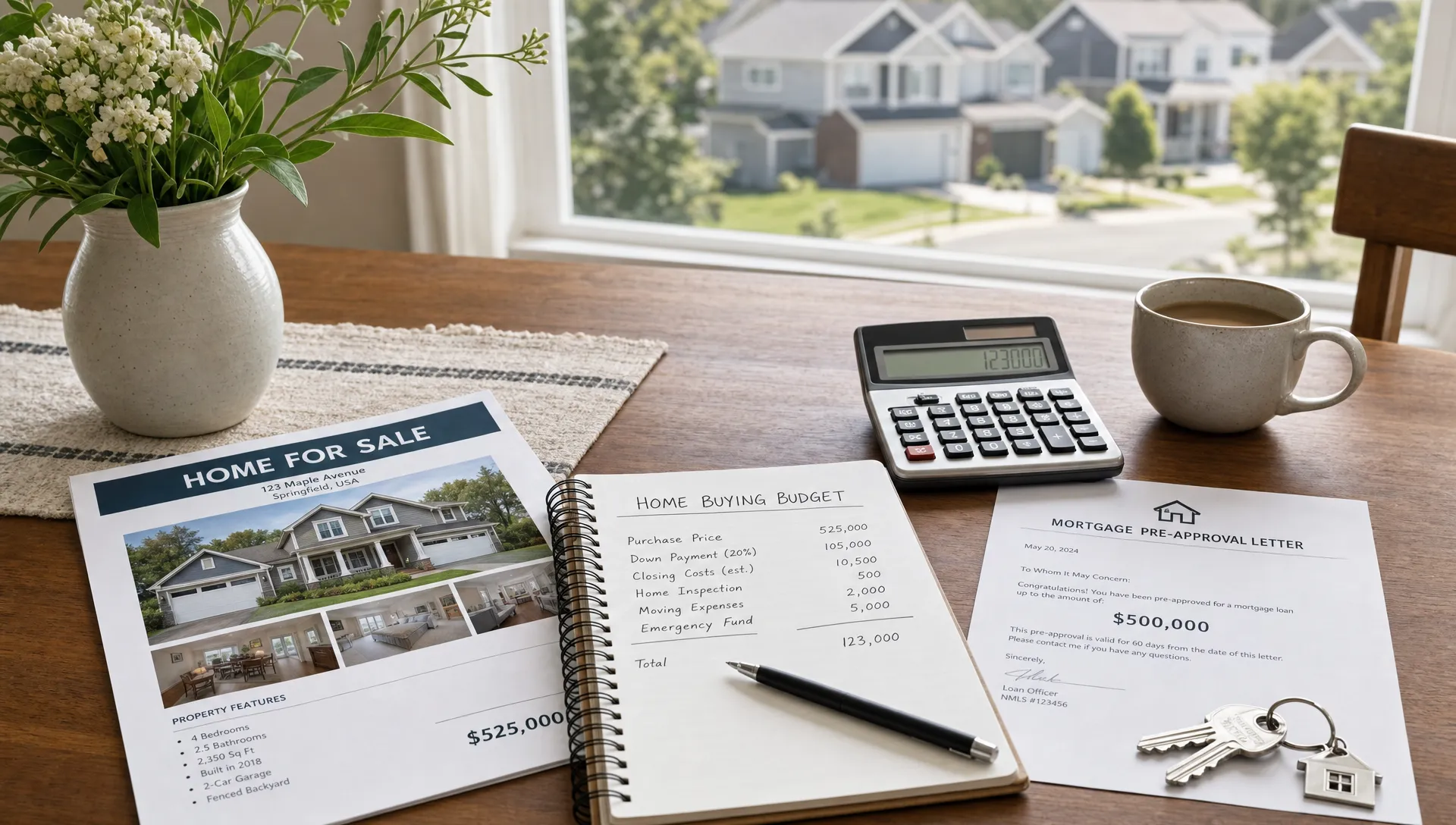

How to Buy a Home With a Low Down Payment
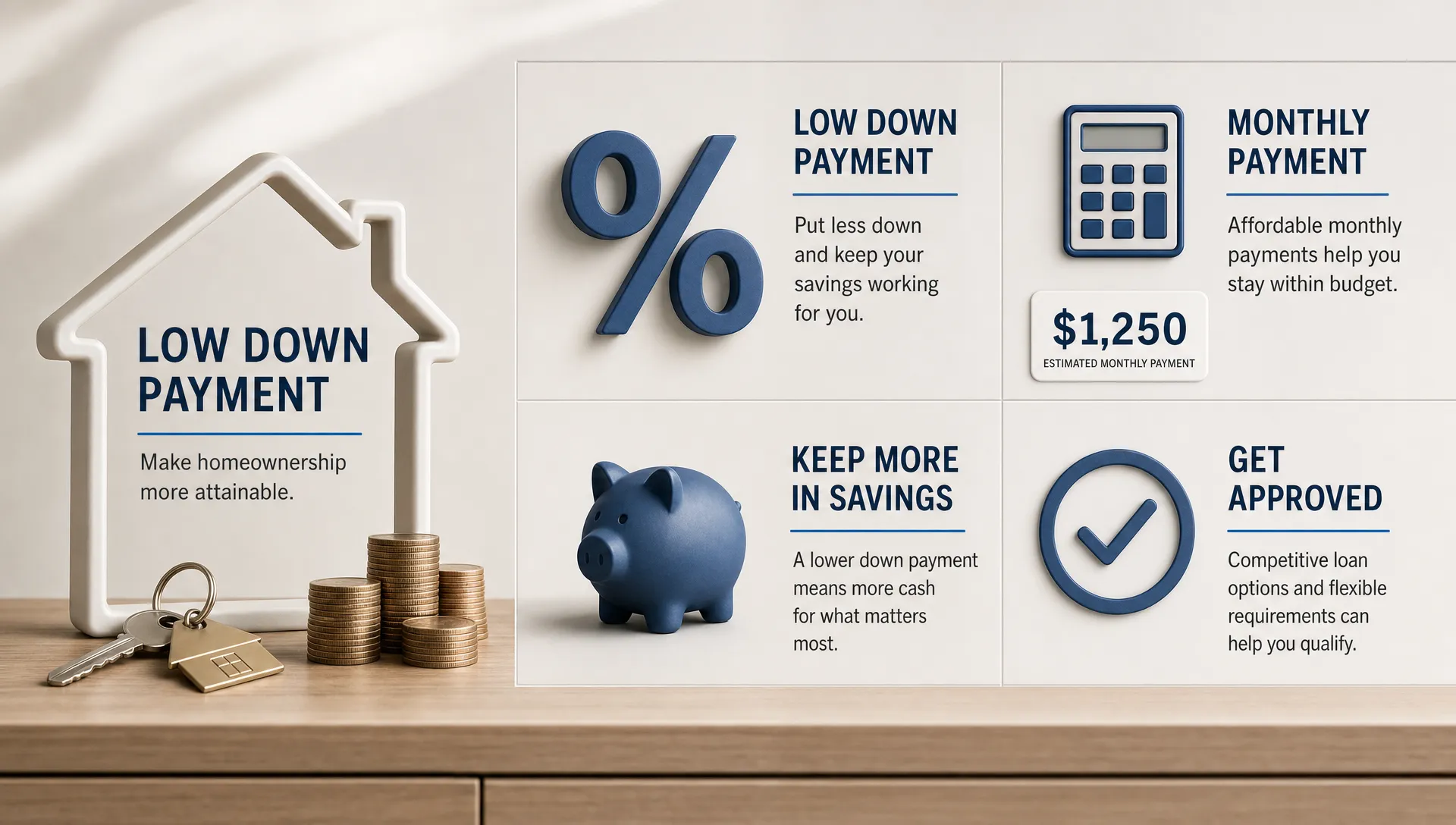
Buying a home with a low down payment is not about finding a loophole. It is about choosing a mortgage strategy that lets you purchase sooner without leaving your budget fragile after closing.
The old “you need 20% down” rule still shapes how many buyers think, but it is not the only path. Many buyers use conventional, FHA, VA, USDA or assistance programs to buy with far less cash upfront. The key is understanding what a low down payment changes, especially your monthly payment, mortgage insurance, closing costs and cash reserves.
This guide walks through how to buy a home with a low down payment in a practical order, from estimating cash to close to choosing the right loan and making a strong offer.
What Counts as a Low Down Payment?
A low down payment is generally anything below 20% of the purchase price. In everyday mortgage conversations, it often means 0% to 5% down, depending on the loan program and borrower eligibility.
Low down payment does not mean low standards. Lenders still review credit, income, debt, employment history, property type and available funds. A smaller down payment may also mean mortgage insurance or program fees, so the “best” option is not always the one with the lowest upfront amount.
| Loan path | Common down payment starting point | Often fits buyers who | Cost to watch |
|---|---|---|---|
| Conventional low down payment | As little as 3% for some qualified buyers | Have solid credit and stable income | Private mortgage insurance |
| FHA loan | Often 3.5% for eligible borrowers meeting FHA and lender requirements | Need more flexible credit or debt guidelines | FHA mortgage insurance premium |
| VA loan | 0% for eligible service members, veterans and certain surviving spouses | Meet VA eligibility requirements | VA funding fee unless exempt |
| USDA loan | 0% for eligible properties and households | Buy in an eligible rural or suburban area | Guarantee fees and location rules |
| Down payment assistance | Varies by program | Meet income, location or first-time buyer rules | Repayment, occupancy or recapture terms |
If you are still comparing the basic possibilities, New Era Lending’s guide to Down Payments 101 is a helpful primer on why 20% down is not the only way to buy.
Step 1: Estimate Your True Cash to Close
Your down payment is only one part of the cash you may need. Before you decide how little to put down, estimate your full cash to close and your post-closing cushion.
Common upfront costs include:
- Down payment
- Lender fees and third-party closing costs
- Prepaid property taxes and homeowners insurance
- Initial escrow deposits, if required
- Home inspection, appraisal and optional specialty inspections
- Moving costs, utility setup and immediate repairs
The Consumer Financial Protection Bureau explains that your Loan Estimate is designed to show projected closing costs, monthly payment and cash to close so you can compare offers more clearly.
Do not drain every available dollar just to reach a slightly higher down payment. A cash reserve helps you absorb normal life after closing: car repairs, medical bills, school costs, childcare, routine home maintenance and other recurring expenses. For example, a household that needs to budget for regular dental care through a provider such as Geelong Dental Centre should keep those care costs in the monthly plan rather than putting every spare dollar into the home purchase.
A good low-down-payment plan leaves you with breathing room. The home should fit your life, not consume it.
Step 2: Check Your Credit, Debt and Income Before You Shop
Low down payment loans can be very accessible, but your financial profile still matters. A higher credit score can improve your loan choices and may lower the cost of mortgage insurance on conventional loans. A lower debt-to-income ratio can make it easier to qualify and feel comfortable with the payment.
Start by reviewing your credit reports, confirming your income documentation and listing all monthly debts. Pay special attention to credit card balances, auto loans, student loans, personal loans and any co-signed debt. Lenders will usually consider obligations that appear on your credit report, plus certain other recurring debts.
If you are a W-2 employee, gather pay stubs, W-2s and bank statements. If you are self-employed, expect to provide tax returns, profit and loss information and business documentation. Strong documentation can reduce delays once you find a home.
Avoid opening new credit accounts, financing furniture or making large unexplained transfers before and during the mortgage process. Those moves can change your approval picture at exactly the wrong time.
Step 3: Match the Loan Program to Your Situation
A low down payment mortgage works best when the loan program fits your profile, not when you choose based on down payment alone.
Conventional loans with low down payment options may work well if your credit is strong and your income is stable. Some programs allow qualified buyers to put as little as 3% down. The tradeoff is usually private mortgage insurance, which protects the lender if you default. On many conventional loans, PMI can eventually be removed when you meet equity and payment history requirements.
FHA loans are insured by the Federal Housing Administration and are often used by buyers who need more flexible credit or debt guidelines. The U.S. Department of Housing and Urban Development explains the role of FHA-insured mortgage programs for homebuyers. FHA loans can be useful, but they include mortgage insurance costs that should be compared against conventional options.
VA loans can be one of the strongest low or no down payment options for eligible borrowers. The Department of Veterans Affairs outlines VA home loan eligibility for service members, veterans and certain surviving spouses. VA loans do not require monthly mortgage insurance, though a funding fee may apply unless the borrower is exempt.
USDA loans may offer 0% down for eligible buyers purchasing eligible properties. Many buyers assume USDA means farmland only, but eligible areas can include smaller towns and some suburban communities. Income limits and property location rules are central to USDA qualification.
Down payment assistance can also help cover upfront costs through grants, forgivable loans, deferred second mortgages or matched savings programs. These programs are highly local and often come with income, property price, occupancy or education requirements.
For a deeper comparison of common paths, New Era Lending’s breakdown of lower down payment mortgage options can help you weigh the tradeoffs before you choose.
Step 4: Strengthen Your File Before Preapproval
A cleaner mortgage file can matter as much as the size of your down payment. Before applying, take a few weeks to make your financial picture easier to understand.
Focus on the changes that have the highest impact: pay down high-interest revolving debt if you can do so without emptying savings, keep your bank activity simple, document any gift funds early and avoid large cash deposits that cannot be sourced. If a family member is helping with the down payment, ask your lender what gift letter and paper trail will be required before money moves.
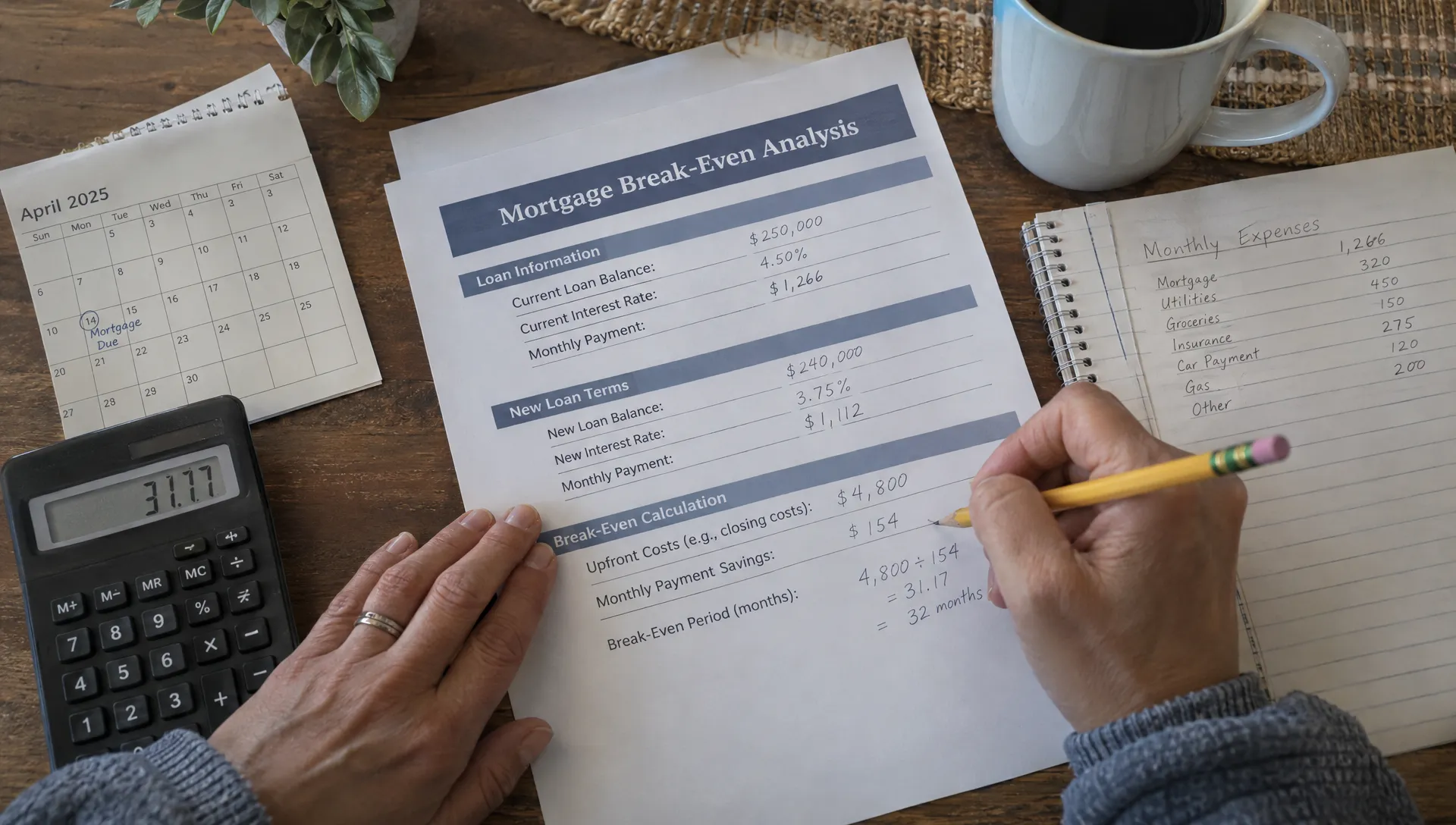
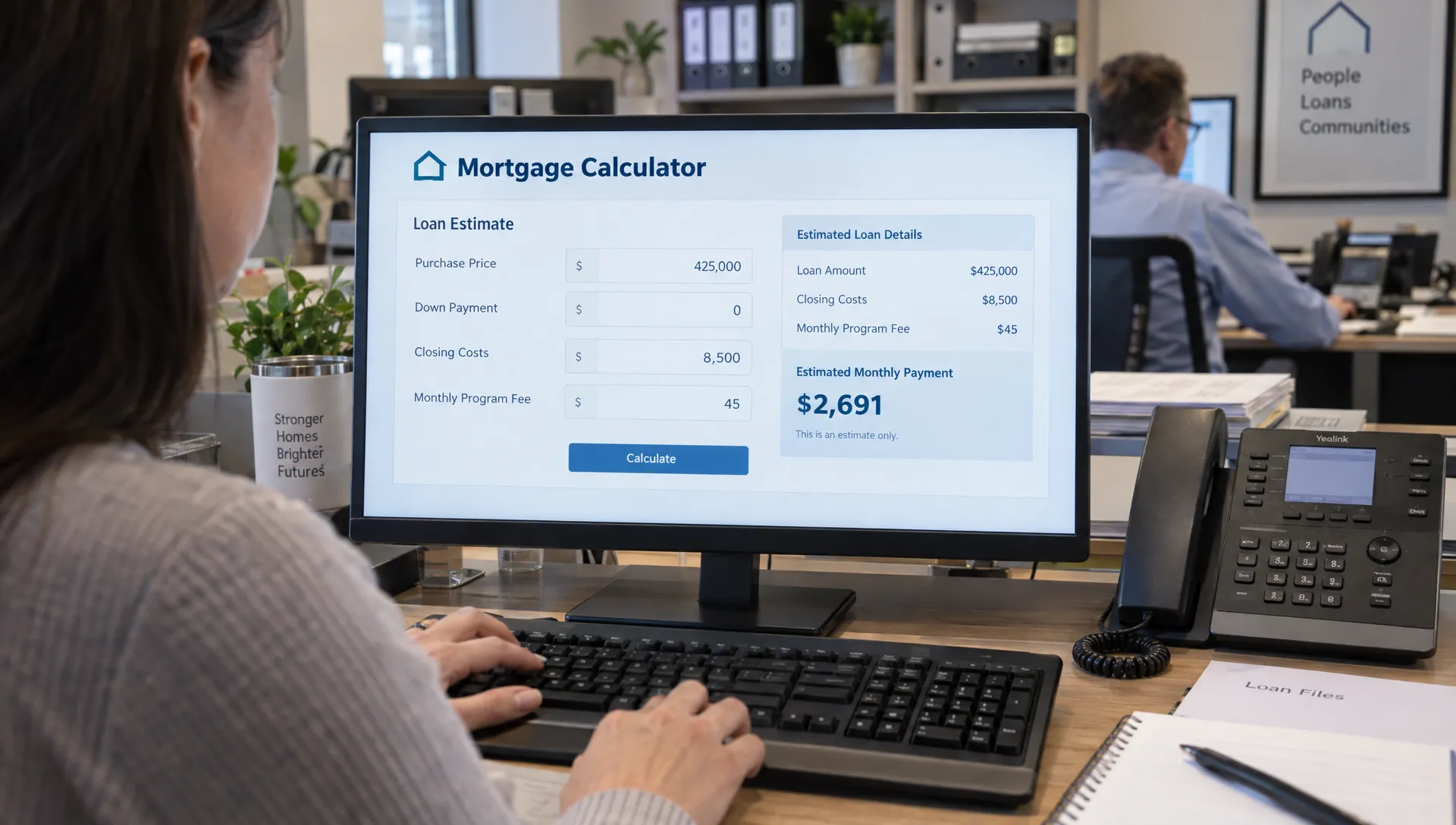
Also review your expected monthly payment, not just your purchase price. A low down payment increases the loan amount, and that can raise principal and interest, mortgage insurance and sometimes the rate offered. The right target price is the one that keeps the full payment manageable.
Step 5: Get Preapproved, Not Just Prequalified
Prequalification can be a useful first conversation, but preapproval is stronger. A true preapproval usually involves a more detailed review of your credit, income, assets and debts. It gives you a clearer budget and helps your real estate agent structure offers with confidence.
Ask your lender to model several scenarios, such as 3% down, 3.5% down, 5% down and any assistance program you may qualify for. Compare cash to close and monthly payment side by side. Sometimes putting a little more down meaningfully lowers the payment. Other times, keeping extra cash in reserves is the better decision.
This is where a lender with both technology and human guidance can make the process easier. New Era Lending combines a technology-driven mortgage process with personalized guidance, secure document uploads, e-signature support and a wide range of loan options across 39 states. If you are comparing programs, you can also review loan options that can make buying a home easier before you apply.
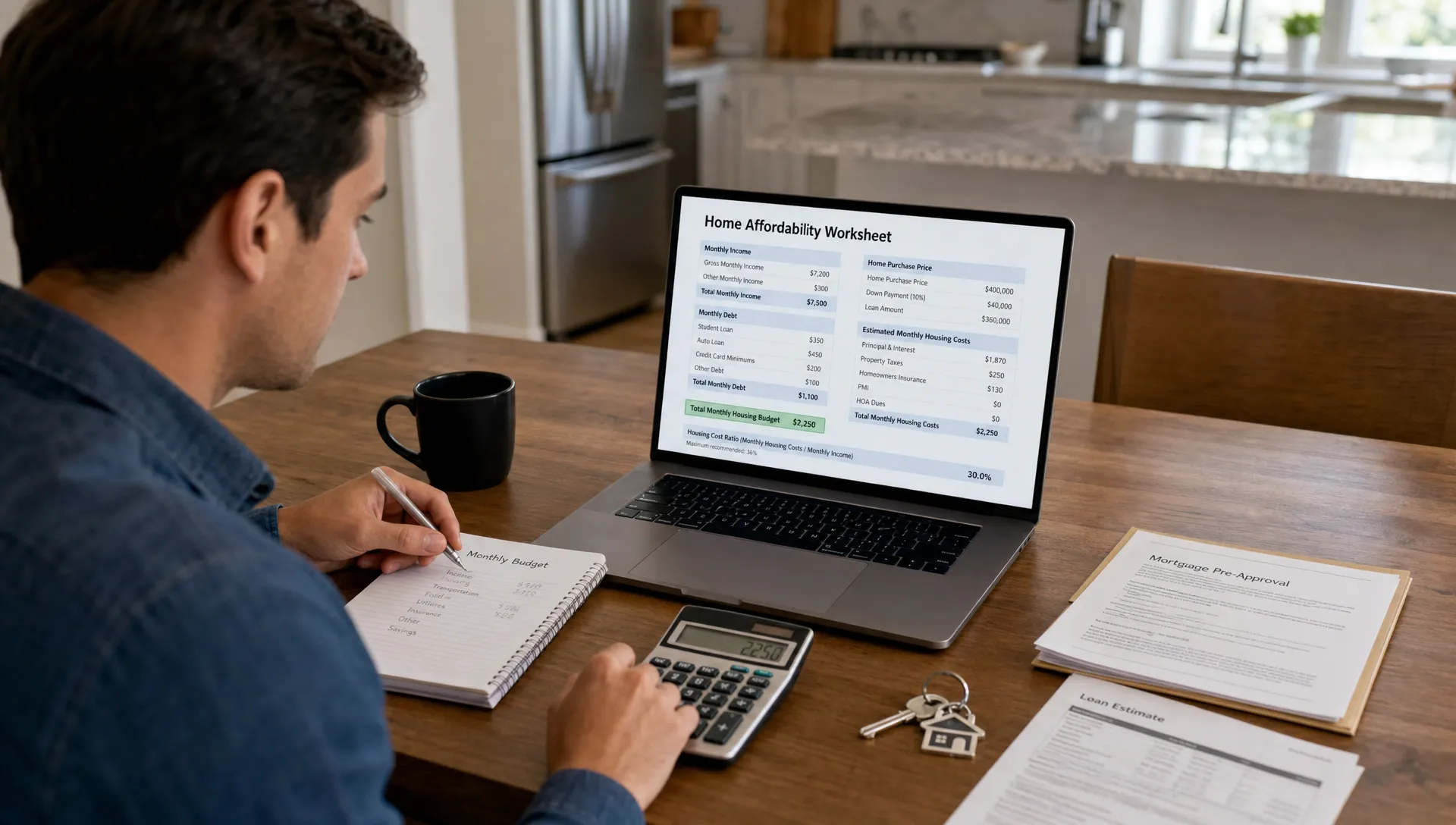
Step 6: Search for Down Payment Assistance Carefully
Down payment assistance can be valuable, but the fine print matters. Some programs are true grants. Others are second loans that are forgiven after you live in the home for a set period. Some are deferred until you sell, refinance or pay off the first mortgage.
Before using an assistance program, ask these questions:
- Is the assistance a grant, forgivable loan, deferred loan or repayable second mortgage?
- Does it require a first-time homebuyer education course?
- Are there income, purchase price or location limits?
- How long must you occupy the home to avoid repayment?
- Can it be combined with your preferred loan program?
Assistance is not automatically better than using your own funds. It depends on the program terms, your expected time in the home and whether the assistance affects your rate or total payment.
Step 7: Make a Strong Offer With Less Money Down
Some buyers worry that a low down payment will make their offer look weak. It can, if the offer is poorly prepared. It does not have to.
A strong preapproval letter, realistic price range and clean financing plan can reassure sellers. Your agent may also recommend an earnest money deposit that shows commitment, as long as you understand the contract terms and refund conditions. In competitive markets, sellers often care about certainty and timing as much as down payment size.
You can also discuss seller concessions, where allowed, to help with closing costs. Concession limits vary by loan type, occupancy, down payment and other factors. If you plan to request seller help, build that into the offer strategy instead of treating it as an afterthought.
Be careful with appraisal gaps. If the home appraises below the contract price, a low-down-payment buyer may have less flexibility to bring extra cash. Your agent and lender should help you understand that risk before you waive protections or stretch your offer.
Understand the Monthly Cost of Buying With Less Down
The main benefit of a low down payment is obvious: you need less cash upfront. The tradeoff is that you usually borrow more, which can increase your monthly cost.
| Cost factor | Why it matters | How to manage it |
|---|---|---|
| Mortgage insurance | Often required with low down payment loans | Compare conventional PMI, FHA mortgage insurance and VA or USDA program fees |
| Interest rate | Pricing may vary by credit score, down payment and loan type | Ask for side-by-side scenarios instead of one quote |
| Taxes and insurance | These can change the payment more than buyers expect | Use realistic local estimates, not national averages |
| HOA dues | Counts toward your monthly housing obligation | Include dues before deciding a condo or planned community is affordable |
| Maintenance | Low cash reserves can make repairs stressful | Keep a post-closing emergency fund |
| Assistance repayment | Some programs must be repaid later | Review forgiveness, deferral and sale or refinance triggers |
The right mortgage is not the one with the lowest cash to close in isolation. It is the one that balances upfront cash, monthly comfort, long-term cost and financial safety.
A Simple Low Down Payment Example
Assume a buyer is considering a $350,000 home. Before closing costs, prepaid items or assistance, the down payment alone would look like this:
| Down payment percentage | Down payment amount on $350,000 |
|---|---|
| 3% | $10,500 |
| 3.5% | $12,250 |
| 5% | $17,500 |
| 10% | $35,000 |
| 20% | $70,000 |
The gap between 3% and 20% is $59,500. For many buyers, waiting to save that much could take years. Buying earlier with a responsible low down payment may make sense if the monthly payment is affordable and the buyer has stable income.
That said, the example does not include closing costs, mortgage insurance, rate differences or reserves. Always compare complete loan estimates before deciding.
When It May Be Better to Wait
A low down payment is not automatically the right move. Waiting can be smarter if your job is unstable, your debt payments are already tight, your credit score is close to a threshold that could materially improve pricing or you would have no emergency savings after closing.
It may also be worth waiting if the homes in your price range need major repairs you cannot afford. A smaller down payment can help you enter the market, but it should not leave you unable to maintain the property.
A good rule of thumb is simple: if the only way to buy is to have no savings left, revisit the plan. You may still be close, but you need a safer structure.
Frequently Asked Questions
Can I buy a home with 3% down? Yes, some conventional loan programs allow qualified buyers to purchase with as little as 3% down. Eligibility depends on factors such as credit, income, property type, occupancy and the specific program.
Do I need 20% down to buy a house? No. Many buyers purchase with less than 20% down through conventional, FHA, VA, USDA or assistance programs. A 20% down payment can reduce certain costs, but it is not required for every mortgage.
Is an FHA loan only for first-time buyers? No. FHA loans are not limited to first-time buyers, though many first-time buyers use them because of their flexible guidelines. You still need to meet FHA and lender requirements.
Can I use gift money for a low down payment mortgage? Often, yes. Many loan programs allow gift funds from eligible donors, but lenders require documentation. Ask your lender for the gift letter and paper trail requirements before transferring money.
Will a low down payment make my offer less competitive? Not necessarily. A strong preapproval, realistic offer price, clear financing plan and experienced agent can help. Sellers usually want confidence that the buyer can close, not just a large down payment.
Is a mortgage with little down payment more expensive? It can be more expensive monthly because you borrow more and may pay mortgage insurance or program fees. The best way to know is to compare full loan scenarios, including cash to close and monthly payment.
Take the Next Step With a Clear Plan
Buying with a low down payment can be a smart path when the numbers work. The goal is to preserve cash without overextending your monthly budget or ignoring long-term costs.
If you want help comparing low down payment options, estimating cash to close and understanding what you may qualify for, New Era Lending can guide you through a modern mortgage process with personalized support from real lending professionals.