.jpg)
.jpg)





.jpg)

Can You Get a Mortgage Loan With No Down Payment?
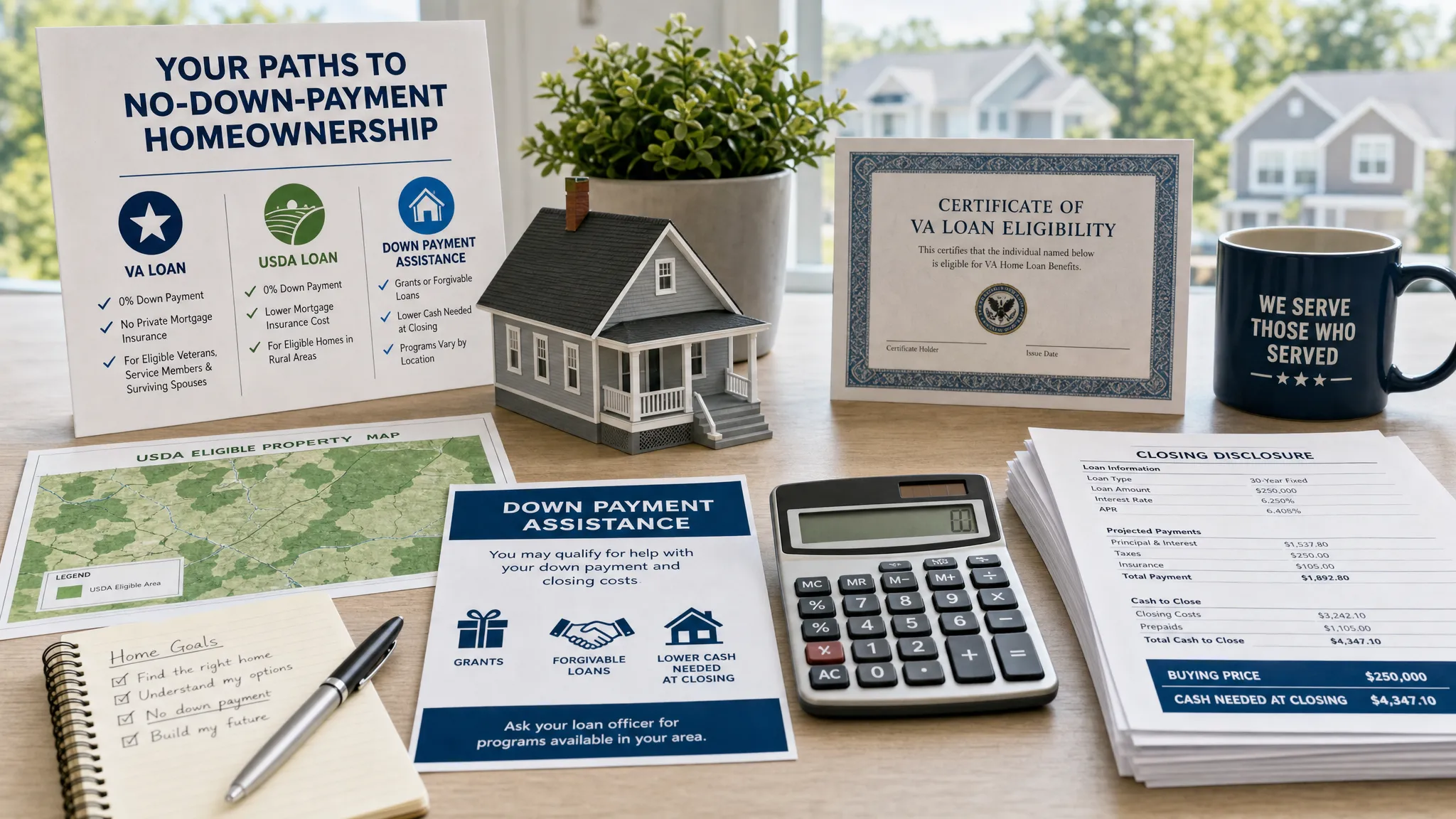
Yes, you can get a mortgage loan with no down payment, but only if you qualify for the right program or assistance structure. The most common paths are VA loans for eligible military borrowers, USDA loans for eligible rural and suburban buyers, certain down payment assistance programs, and a smaller number of lender or credit union 100% financing options.
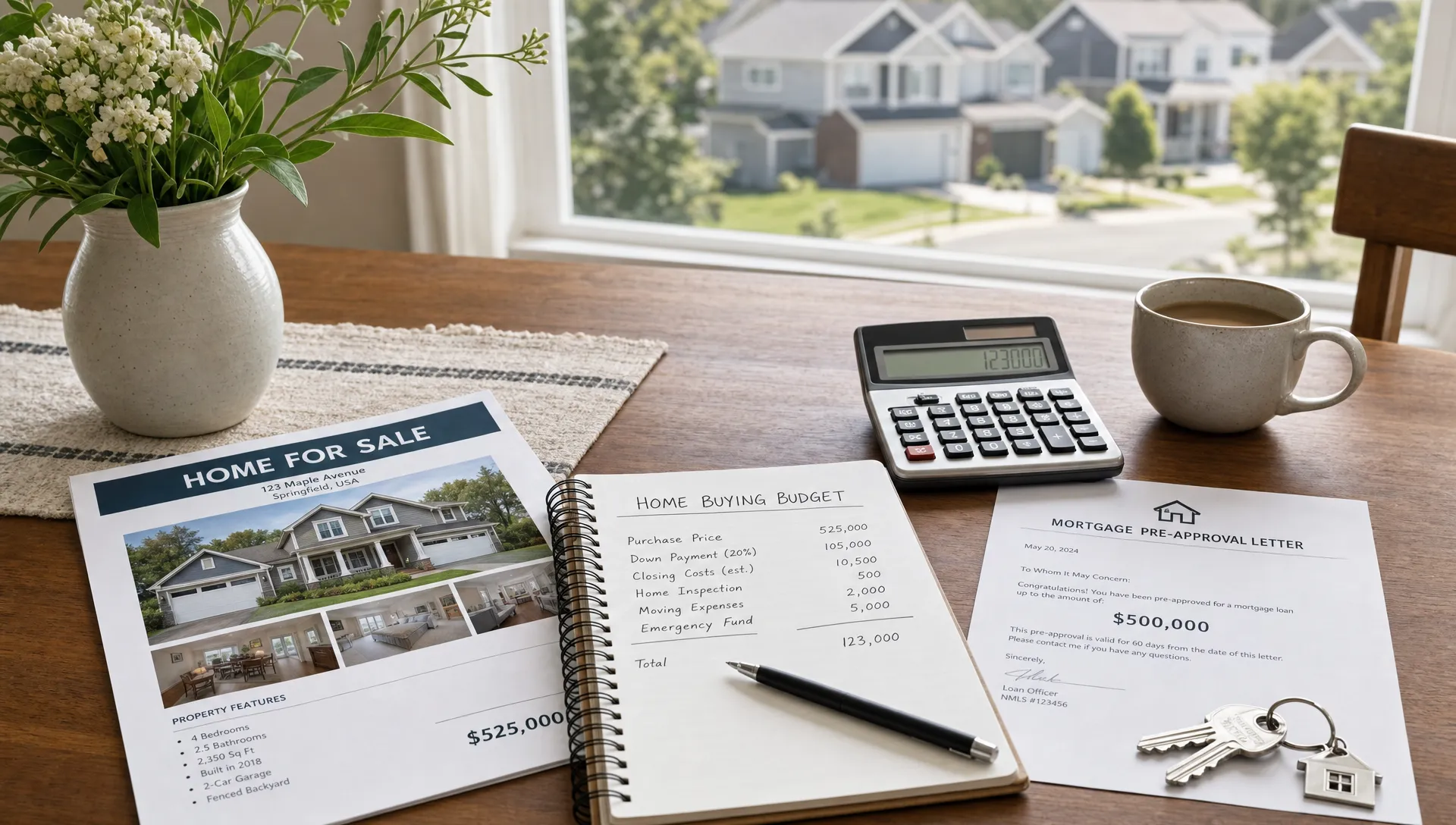
The important catch is that “no down payment” does not always mean “no money due at closing.” You may still need funds for closing costs, prepaid taxes and insurance, inspections, appraisal fees, earnest money, moving expenses, and basic repairs after you move in.
For many buyers, the smarter question is not just “Can I put zero down?” It is “Can I buy with little or no money down while keeping my monthly payment, cash reserves, and long-term finances healthy?”
What a no-down-payment mortgage really means
A down payment is the portion of the home’s purchase price you pay upfront from your own funds. If you buy a $300,000 home with 5% down, your down payment is $15,000. A mortgage loan with no down payment allows you to finance 100% of the purchase price, assuming the home appraises and the loan is approved.
That is different from closing with no cash at all. Closing costs are separate from the down payment and commonly include lender fees, title services, recording fees, prepaid property taxes, homeowners insurance, and escrow deposits. Depending on the loan type, location, and purchase price, these costs can add up quickly.
In some cases, a buyer can reduce or cover closing costs through seller concessions, lender credits, grants, or eligible assistance programs. However, each option has tradeoffs. A lender credit may come with a higher interest rate. Seller concessions depend on negotiation and program limits. Grants and assistance programs often have income, location, or occupancy rules.
This is why a zero-down mortgage should be evaluated as a full financing plan, not just a headline benefit.
The main ways to get a mortgage loan with no down payment
There is no single “no down payment mortgage” that fits everyone. Eligibility depends on your military status, income, property location, credit profile, debt-to-income ratio, and the type of home you are buying.
VA loans for eligible military borrowers
VA loans are one of the strongest no-down-payment options available. They are designed for eligible veterans, active-duty service members, certain National Guard and Reserve members, and some surviving spouses.
According to the U.S. Department of Veterans Affairs, qualified borrowers may be able to buy with no down payment if the sales price does not exceed the appraised value and they meet VA and lender requirements. VA loans also do not require monthly private mortgage insurance, which can make the payment more competitive than many low-down-payment alternatives.
That said, VA loans are not automatically cost-free. Many borrowers pay a VA funding fee, unless exempt, and the home must meet VA appraisal and property standards. If the appraisal comes in below the purchase price, you may need to renegotiate, bring cash for the gap, or walk away depending on your contract.
If you are eligible, it is worth reviewing the details around VA loan down payment rules before assuming every VA purchase will require zero out of pocket.
USDA loans for eligible rural and suburban homes
USDA loans are another major path to 100% financing. Despite the name, USDA loans are not only for farms. Many eligible areas are small towns, rural communities, and some suburban neighborhoods outside major metro centers.
The USDA Single Family Housing Guaranteed Loan Program is intended to help low- to moderate-income buyers purchase eligible homes in eligible areas. If you qualify, you may be able to finance the full purchase price.
USDA loans have two major eligibility filters: the property location and the household income. The home must be in an eligible area, and your income must be within program limits for your area and household size. USDA loans also include guarantee fees, which affect the total cost of borrowing.
For buyers who do not need to live in a dense urban area, USDA financing can be a practical way to buy with no down payment while keeping cash available for moving, maintenance, and emergency savings.
Down payment assistance programs
Down payment assistance, often called DPA, can sometimes help a buyer cover the required down payment on an FHA, conventional, or other eligible mortgage. These programs may come from state housing finance agencies, local governments, nonprofits, employers, or approved lenders.
Assistance can take several forms, including grants, forgivable second mortgages, deferred-payment loans, or low-interest second loans. Some programs can reduce the buyer’s required contribution to zero when paired with the right first mortgage.
The key is to read the fine print. Some assistance must be repaid when you sell, refinance, or move out. Some is forgiven only after you occupy the home for a certain number of years. Many programs have income limits, home price caps, credit requirements, homebuyer education requirements, or geographic restrictions.
If you are comparing assistance options, a HUD-approved housing counselor can also help you understand local programs. HUD provides a tool for finding housing counseling agencies by state.
Lender, credit union, and specialty 100% financing programs
Some banks, credit unions, and lenders offer portfolio or specialty programs that allow qualified borrowers to finance 100% of a home purchase. These may be designed for first-time buyers, medical professionals, community workers, moderate-income borrowers, or buyers in specific areas.
These programs can be useful, but they vary widely. A 100% financing product may have higher credit standards, stricter income rules, a higher interest rate, mortgage insurance, or limited availability. It may also be available only for primary residences.
Before choosing one, compare the full monthly payment and total loan cost against other options. Sometimes a low-down-payment loan with 3% or 3.5% down can be more flexible or less expensive than a zero-down program, especially if you have some savings available.
What you may still need cash for
Even with a mortgage loan with no down payment, cash reserves matter. Buying a home often creates several near-term expenses that do not show up in the down payment number.
Common cash needs include:
- Earnest money deposit: A good-faith deposit submitted with your offer, often credited back at closing if the deal goes through.
- Home inspection: Usually optional, but highly recommended so you understand the property’s condition.
- Appraisal or credit report fees: Some costs may be paid before closing depending on the lender and transaction.
- Prepaid taxes and insurance: Many buyers fund an escrow account at closing.
- Moving and setup costs: Utilities, furniture, locks, minor repairs, and maintenance items can add up fast.
Renovation costs are another reason cash matters. Pricing is highly local, but reviewing detailed service categories from a home renovation company in Dubai can be a useful reminder that kitchens, bathrooms, flooring, and layout changes are separate budget lines, not one vague “fix-up” number. Even if you are buying in the United States, the lesson is the same: do not use every available dollar to close if the home will need work soon after move-in.
Is buying with no down payment a good idea?
A no-down-payment mortgage can be a smart move when it helps you buy a stable, affordable home without draining your savings. It can be especially valuable for borrowers with strong income and credit who have not had time to build a large down payment.
The biggest advantage is cash preservation. Instead of putting thousands of dollars into the purchase price, you may be able to keep funds available for emergencies, repairs, moving, or future financial goals. This can reduce stress after closing and make homeownership feel more manageable.
The tradeoff is that you start with less equity. If home values dip or you need to sell sooner than expected, you may have less flexibility. A larger loan balance can also mean a higher monthly payment and more interest paid over time compared with putting money down.
A zero-down option may be a good fit if you have stable income, manageable debt, a realistic monthly budget, and enough savings for closing costs or reserves. It may be risky if the payment stretches your budget, the home needs major repairs, or you would have little cash left after closing.
How lenders decide whether you qualify
Lenders do not approve a no-down-payment loan based on down payment alone. They evaluate the full risk profile of the borrower, property, and loan program.
Expect lenders to review your credit history, income stability, employment, debt-to-income ratio, assets, and recent bank activity. They will also verify that the property meets the requirements for the loan program. For example, USDA loans require an eligible location, while VA loans require VA appraisal standards.
Your debt-to-income ratio, or DTI, is especially important. This compares your monthly debt payments to your gross monthly income. A zero-down loan can increase the loan amount, which may increase the monthly payment. If your DTI is already high because of auto loans, student loans, credit cards, or other obligations, qualifying may be harder.
Credit matters too. Some programs are flexible, but stronger credit can improve your chances of approval and may help you qualify for better terms. If your credit profile is not ready yet, it may be worth taking a few months to reduce balances, correct errors, and avoid new debt before applying.
When a low-down-payment mortgage may be better
Zero down is not always the best option, even when it is available. A small down payment can sometimes lower your monthly payment, improve your approval profile, reduce fees, or give you access to more loan choices.
For example, some conventional loan programs allow qualified first-time buyers to put as little as 3% down. FHA loans often require 3.5% down for borrowers who meet credit requirements. These are not zero-down loans, but they can open the door to homeownership with far less than the traditional 20% many buyers think they need.
If you have some savings, compare zero-down options with lower down payment mortgage options. The right answer depends on your payment comfort, available cash, credit profile, and how long you plan to keep the home.
A good loan comparison should include the interest rate, mortgage insurance or guarantee fees, estimated cash to close, monthly payment, and long-term cost. Looking only at the down payment can lead to an expensive decision.
How to prepare before applying
Before you apply for a no-down-payment mortgage, get organized. The stronger your file is upfront, the easier it is to compare programs and avoid surprises.
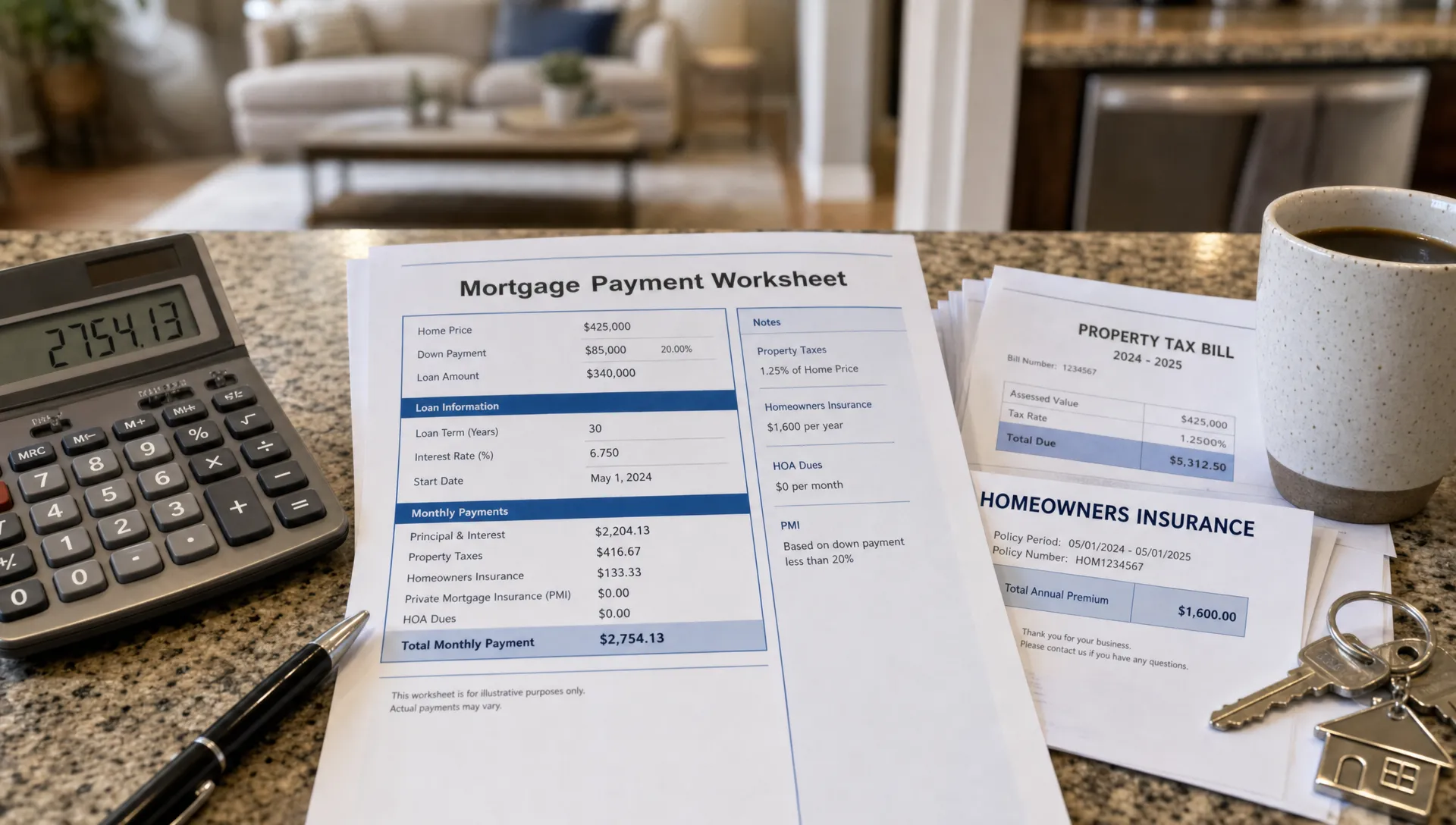
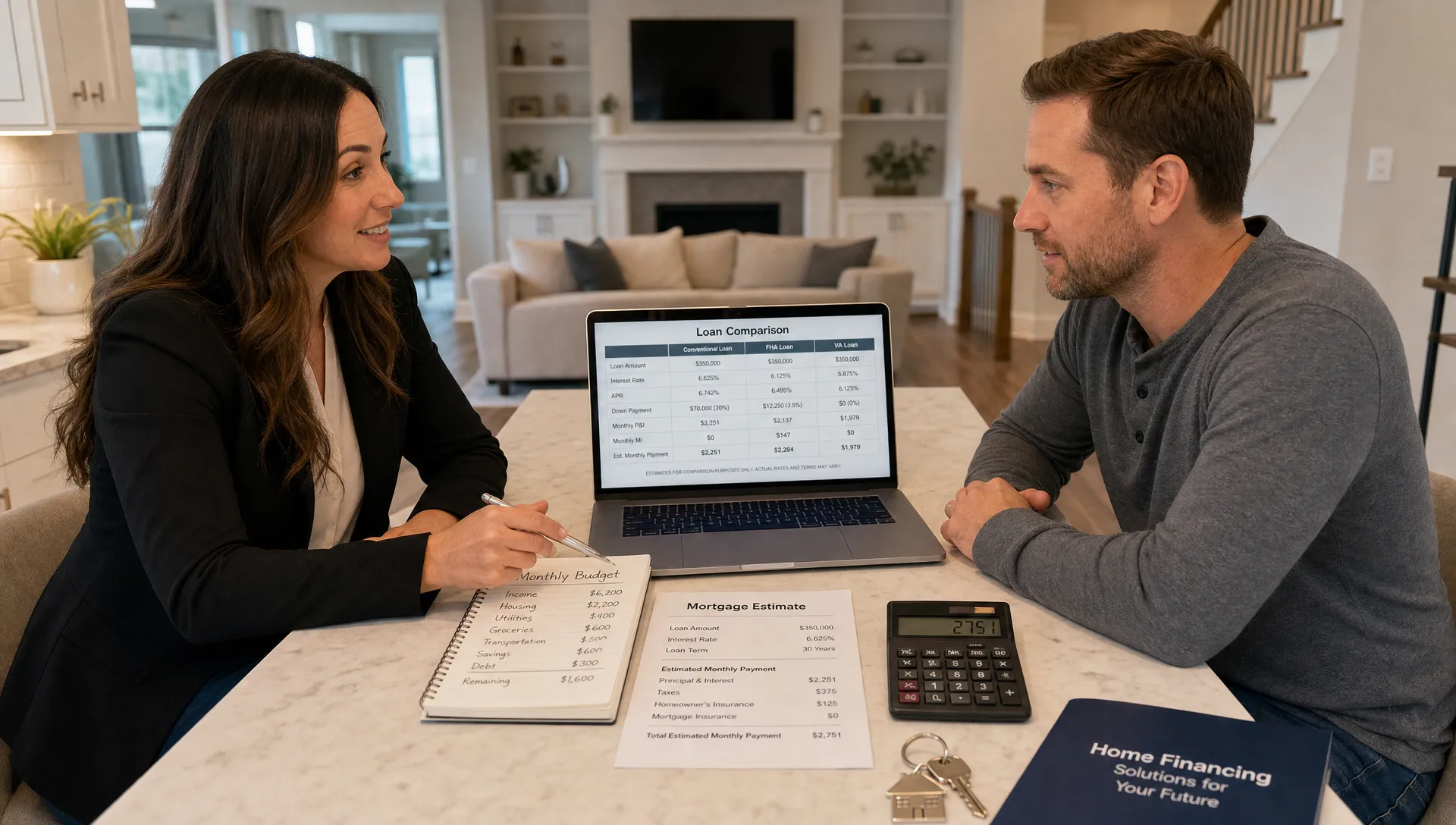
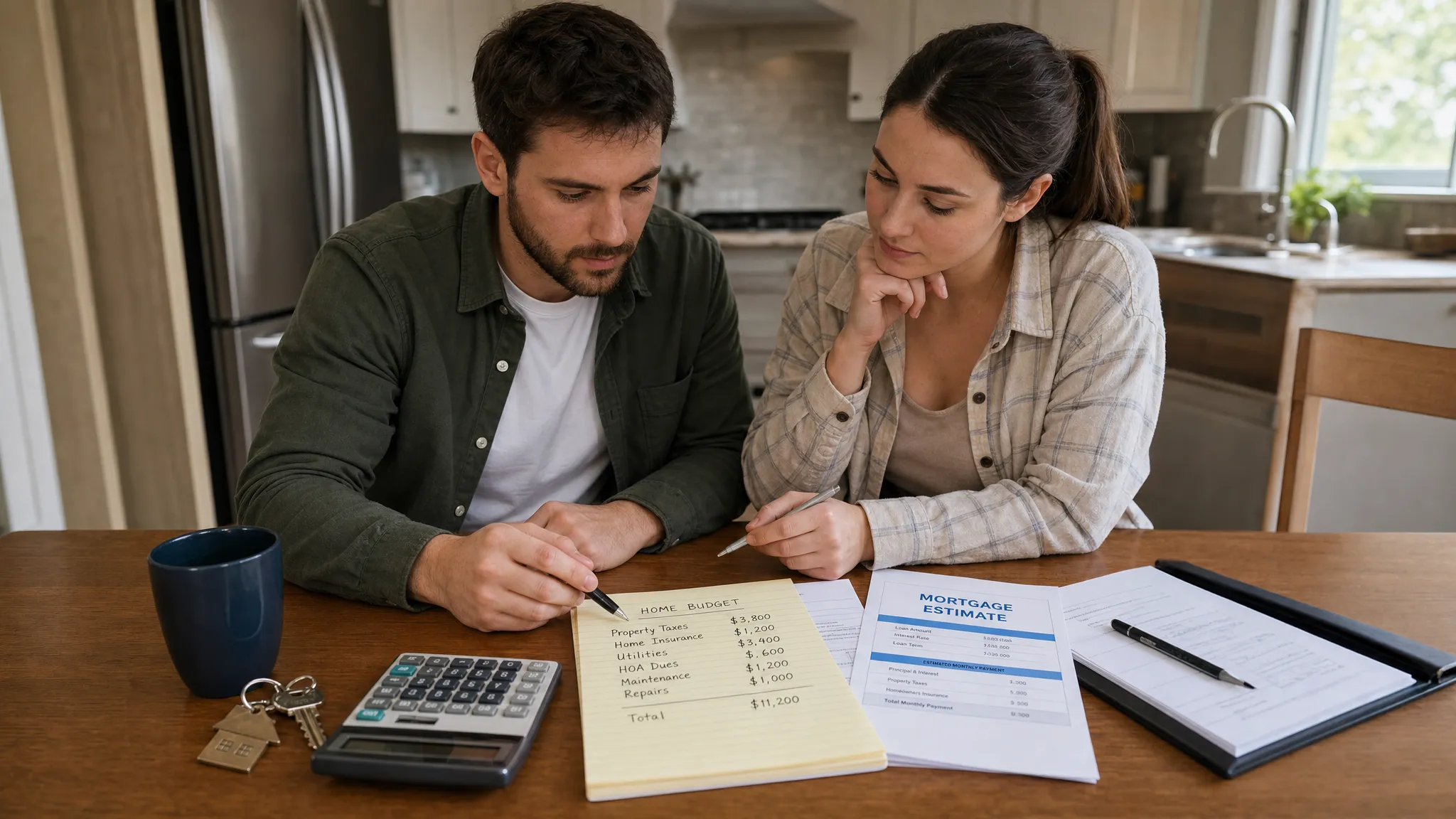
Start by estimating your true monthly budget, not just the maximum payment you might qualify for. Include principal and interest, property taxes, homeowners insurance, possible HOA dues, utilities, maintenance, and commuting costs. A home that looks affordable on paper can feel tight if you ignore the real cost of living in it.
Next, gather your documents. Lenders typically review pay stubs, W-2s or tax returns, bank statements, identification, and information about debts and assets. If you are applying for a VA loan, you may also need a Certificate of Eligibility. If you are exploring USDA or assistance programs, be ready to document household income and occupancy plans.
Then, get pre-approved before shopping seriously. A pre-approval helps you understand your price range, likely cash-to-close estimate, and loan options. It also makes your offer stronger because sellers can see that a lender has already reviewed your financial profile.
For a smoother experience, it helps to follow a structured process for getting a mortgage loan with less stress, especially when you are comparing multiple programs with different rules.
Questions to ask your lender
The best way to evaluate a no-down-payment mortgage is to ask direct questions before you commit. A trustworthy lender should be able to explain the benefits, costs, and risks in plain language.
Helpful questions include:
- Which no-down-payment programs do I qualify for based on my profile and location? This narrows the conversation to realistic options.
- How much cash should I expect to bring to closing? Ask for a full estimate, not just the down payment.
- Will I have mortgage insurance, a funding fee, or a guarantee fee? These costs can affect both upfront and monthly affordability.
- What happens if the appraisal comes in low? This is especially important if you have limited cash.
- How would my payment change if I put 3% or 5% down instead? A side-by-side comparison can reveal whether zero down is truly the best fit.
If the answers are unclear, slow down. A mortgage is too important to rush, and no-down-payment financing should still feel transparent and sustainable.
Frequently Asked Questions
Can first-time buyers get a mortgage loan with no down payment? Yes, some first-time buyers can qualify for no-down-payment options through VA loans, USDA loans, down payment assistance, or certain specialty lender programs. Eligibility depends on the loan program, income, credit, location, and property type.
Does no down payment mean I need no money at closing? Usually not. You may still need money for closing costs, prepaid taxes and insurance, inspections, appraisal fees, earnest money, and moving expenses. Some costs may be covered through seller concessions, lender credits, or assistance programs if allowed.
What credit score do I need for a zero-down mortgage? Credit requirements vary by loan program and lender. VA and USDA loans may offer flexibility, but lenders still review your full financial profile, including payment history, debt-to-income ratio, income stability, and reserves.
Are no-down-payment mortgages more expensive? They can be. Because you borrow more, your monthly payment and total interest may be higher. Some programs also include funding fees, guarantee fees, mortgage insurance, or higher rates. Always compare the full cost, not just the upfront savings.
Can I get a no-down-payment mortgage for an investment property? Most no-down-payment programs are designed for primary residences. Investment properties usually require a down payment and often have stricter approval standards.
Take the next step with confidence
A mortgage loan with no down payment is possible, but the right path depends on your eligibility, budget, location, and long-term goals. The best move is to compare your options before you fall in love with a home or assume you need years to save 20%.
New Era Lending combines smart mortgage technology with personalized human guidance to help buyers understand purchase, refinance, and equity options with more clarity. With secure document uploads, e-signature support, educational resources, and loan solutions available across 39 states, the process is designed to feel simpler and more transparent.
If you are ready to explore whether a no-down-payment or low-down-payment mortgage fits your situation, connect with New Era Lending and get guidance tailored to your next move.