.jpg)
.jpg)





.jpg)

Can an LLC Get a Mortgage? What Borrowers Should Know
Yes, an LLC can get a mortgage, but it usually will not look like the mortgage a person uses to buy a primary residence.
For most borrowers, the key question is not simply whether an LLC can borrow. It is whether the property, loan purpose, ownership structure, and income profile fit the type of financing available to an LLC. A loan made to a limited liability company is often treated as an investment or business-purpose loan, which can change the underwriting rules, documentation, down payment expectations, rates, and consumer protections involved.
If you are buying a rental property, refinancing an investment property, or moving real estate into a company structure, an LLC loan may be worth exploring. If you are trying to buy the home you will personally live in, financing in an LLC name is usually much more limited.
Below is what borrowers should understand before applying.
What does it mean for an LLC to get a mortgage?
When an LLC gets a mortgage, the limited liability company is typically the borrower, the property is usually titled in the LLC name, and the loan is underwritten with the entity structure in mind. In practice, that means the lender is not only looking at the property. The lender may also review the LLC documents, the ownership percentages, the people authorized to sign, the guarantors, the property cash flow, and the purpose of the loan.
This is different from a standard consumer mortgage, where an individual borrower applies to buy or refinance a home for personal use. With an LLC, the lender is often evaluating a real estate investment or business asset.
A common misconception is that borrowing through an LLC means the owners have no personal exposure. In many cases, lenders still require one or more members of the LLC to sign a personal guarantee. That guarantee can make the individual financially responsible if the LLC fails to repay the debt, even though the property is owned by the company.
For a broader program-level overview, New Era Lending also covers mortgage loans for LLC-owned properties in more detail.
When does an LLC mortgage make sense?
LLC mortgages are most common when the property is being used for investment or business purposes. That includes long-term rentals, some short-term rentals, multifamily investment properties, mixed-use buildings, and properties held by investors with multiple owners.
Borrowers often consider an LLC for reasons such as separating business and personal finances, organizing rental property ownership, bringing in partners, or limiting certain types of liability. An LLC can also make bookkeeping cleaner because rental income, property expenses, repairs, and reserves can flow through a dedicated business account.
That said, forming an LLC is not automatically the right answer. The entity may add state filing fees, annual reporting requirements, separate bank accounts, tax complexity, and stricter lender review. If the financing becomes more expensive, the benefit of the LLC structure needs to outweigh the additional cost.
This is why borrowers should evaluate the legal, tax, and financing pieces together before choosing the ownership structure.
Why a standard home loan may not work for an LLC
Most traditional residential mortgage programs are designed for individual borrowers, not business entities. Conventional, FHA, VA, and USDA home loans are generally built around people buying, owning, and often occupying homes. They typically require the borrower to meet personal credit, income, occupancy, and eligibility standards.
For example, Fannie Mae’s general borrower eligibility requirements generally focus standard conventional lending on eligible individual borrowers and do not treat most business entities as ordinary borrowers for standard delivery. That is one reason an LLC-owned property may need a different financing path.
Government-backed programs are also usually not a fit when the LLC is the borrower. FHA and VA loans are intended for eligible individual borrowers, with occupancy rules and other consumer requirements. A veteran, for instance, may be able to use a VA loan personally if all requirements are met, but that does not mean an LLC can simply step in as the borrower.
The distinction matters because consumer-purpose mortgages and business-purpose loans can have different rules. Consumer mortgages include specific disclosures and protections, including documents such as the Loan Estimate described by the Consumer Financial Protection Bureau. Business-purpose loans may be documented and reviewed differently.
Common types of loans used by LLC borrowers
An LLC mortgage can come in several forms. The right fit depends on the property, income, ownership structure, and borrower goals.
- DSCR loans: Debt service coverage ratio loans are often used for rental properties. The lender focuses heavily on whether the property income can support the mortgage payment, though guarantor credit and reserves may still matter.
- Portfolio loans: Some lenders keep loans in their own portfolio instead of selling them through standard agency channels. This can allow more flexibility for LLC-owned properties.
- Commercial real estate loans: If the property is larger, mixed-use, or primarily commercial, the loan may be underwritten as a commercial mortgage rather than a residential investment property loan.
- Non-QM investment loans: Non-qualified mortgage programs may allow alternative documentation or investor-focused underwriting that does not fit standard conventional guidelines.
- Blanket or investor loans: Experienced investors may finance multiple properties under one lending structure, although these loans can be more complex and are not ideal for every borrower.
If you are still comparing the broader landscape of financing choices, this guide to mortgage loan options can help you understand how standard loan types differ from more specialized investor financing.
What lenders review before approving an LLC loan
Underwriting an LLC loan is not just a matter of checking whether the company exists. Lenders want to understand the risk from several angles.
They may review the property first. A single-family rental in good condition with a signed lease is very different from a vacant mixed-use building or a short-term rental in a seasonal market. The lender may consider market rent, property condition, appraisal value, location, insurance, taxes, and whether the property is legally eligible for its intended use.
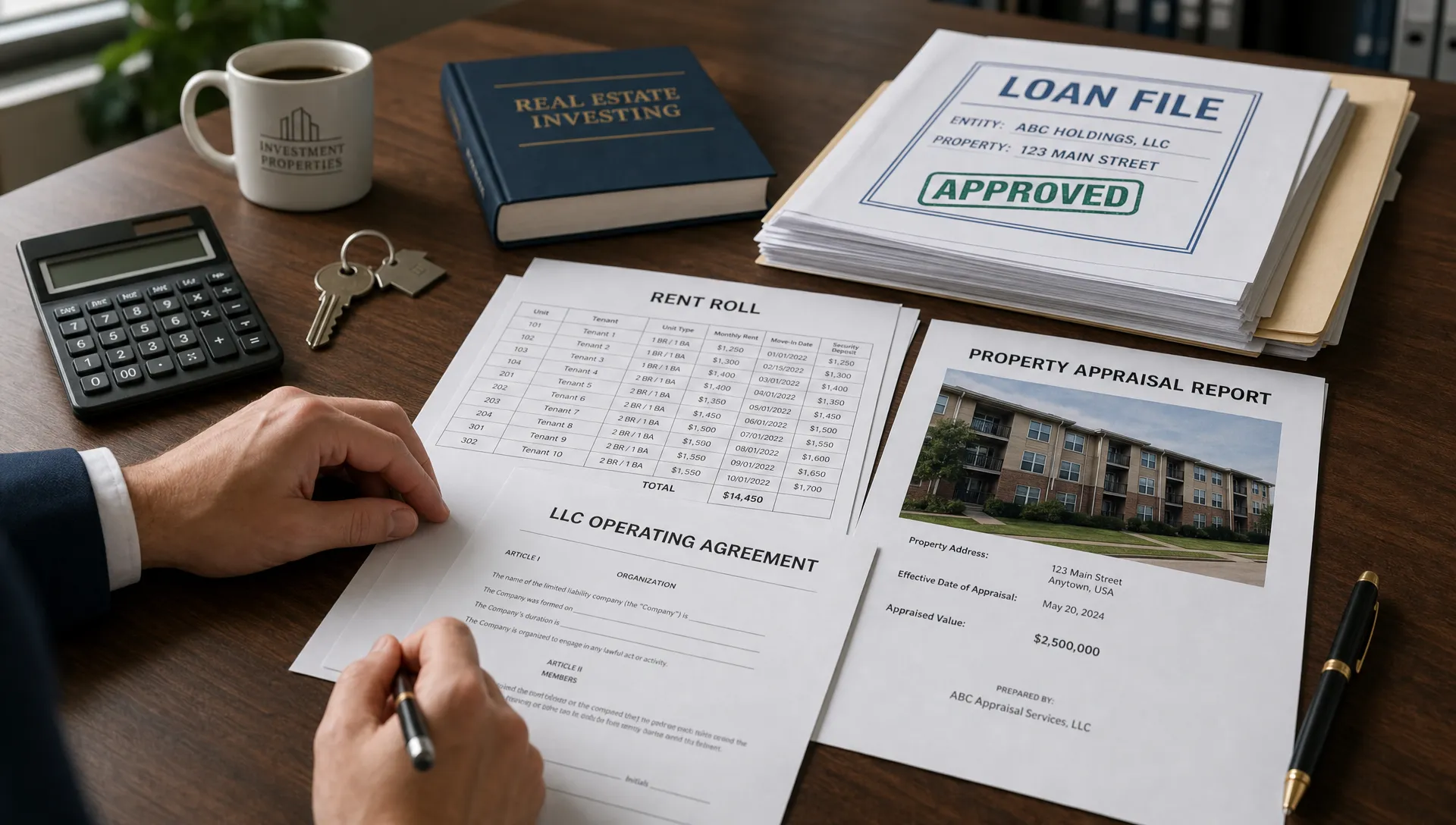
They will also look at the LLC itself. Expect to provide formation documents, an operating agreement, an employer identification number if applicable, ownership information, and proof of signing authority. If the LLC has multiple members, the lender may need to know who owns what percentage and who is allowed to obligate the company.
The people behind the LLC still matter. Even if the loan is made to the entity, lenders commonly review the credit, experience, liquidity, and background of the managing members or guarantors. For newer LLCs, this is especially important because the company may not have a long credit or operating history.
Finally, the lender will evaluate the numbers. This can include down payment, loan-to-value ratio, cash reserves, rent coverage, debt service coverage, and whether the borrower can handle vacancy, maintenance, insurance increases, or other investment-property risks.
Can you buy your primary residence through an LLC?
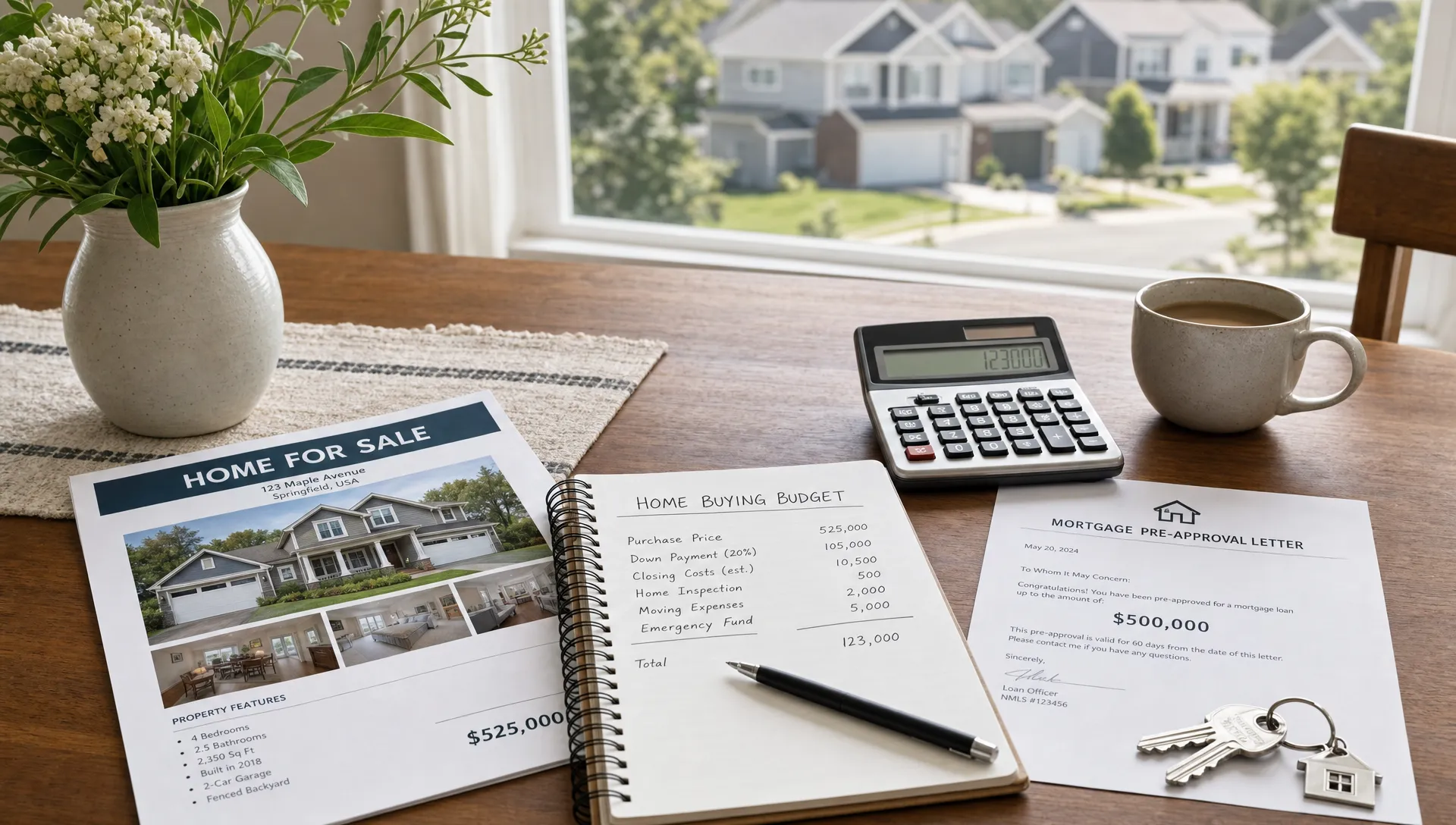
It is possible to own a primary residence through an LLC in some situations, but financing it that way is usually difficult. Most mainstream residential mortgage programs are not designed for an LLC to buy an owner-occupied home.
Borrowers sometimes ask about this because they want privacy, estate planning flexibility, or liability separation. Those goals may be valid, but the mortgage side can create obstacles. A lender may require the borrower to take title personally, may not allow the LLC as borrower, or may treat the request as ineligible for the program.
There can also be non-lending consequences. Homestead exemptions, property tax treatment, insurance coverage, title insurance, estate planning, and state-specific rules may change when a home is owned by an entity rather than an individual. In some areas, owner-occupied benefits may not apply in the same way if the property is titled to an LLC.
Before trying to buy a personal residence through an LLC, speak with a mortgage professional, real estate attorney, tax advisor, and insurance agent. The answer depends heavily on your state, lender, loan type, and reason for using the entity.
What if you already own the property and want to transfer it to an LLC?
Many borrowers buy a property personally, then later decide they want to transfer it into an LLC. This can happen after the property becomes a rental, after a borrower forms a real estate business, or after partners are added.
Do not transfer the title without reviewing your loan documents and speaking with the lender or a qualified attorney. Many mortgage notes include due-on-sale or transfer restrictions. If a transfer violates the loan terms, the lender may have the right to call the loan due, even if payments are current.
Some borrowers assume a quitclaim deed is a simple administrative change. From a financing perspective, it can be much more serious. The lender originally approved a specific borrower, ownership structure, occupancy representation, and collateral arrangement. Changing title to an LLC can alter that arrangement.
Insurance is another issue. If the deed is in the LLC name but the insurance policy is still written as if the individual owns and occupies the property, coverage problems may arise. Title insurance and local tax treatment should also be reviewed.
In some cases, refinancing into an LLC-eligible loan may be cleaner than transferring title under an existing personal mortgage. In other cases, keeping the property personally owned while using proper insurance and lease documentation may be more practical. The right answer depends on the full picture.
Pros and tradeoffs of getting a mortgage through an LLC
An LLC structure can be useful, but it is not a shortcut around normal lending standards. Borrowers should compare the benefits with the costs before applying.
Potential benefits include clearer separation between personal and rental activity, easier ownership sharing among partners, cleaner accounting, and a structure that may support long-term real estate investing. An LLC can also help organize multiple properties or simplify management when there are several members involved.
Potential tradeoffs include fewer lender options, higher interest rates, larger down payment requirements, more documentation, entity maintenance costs, and possible personal guarantees. Depending on the loan type, prepayment penalties or business-purpose loan terms may also apply.
The biggest mistake is focusing only on liability protection while ignoring financing. An LLC may help with certain legal risks, but lenders still care about repayment ability, property value, cash flow, and guarantor strength.
How to prepare before applying for an LLC mortgage
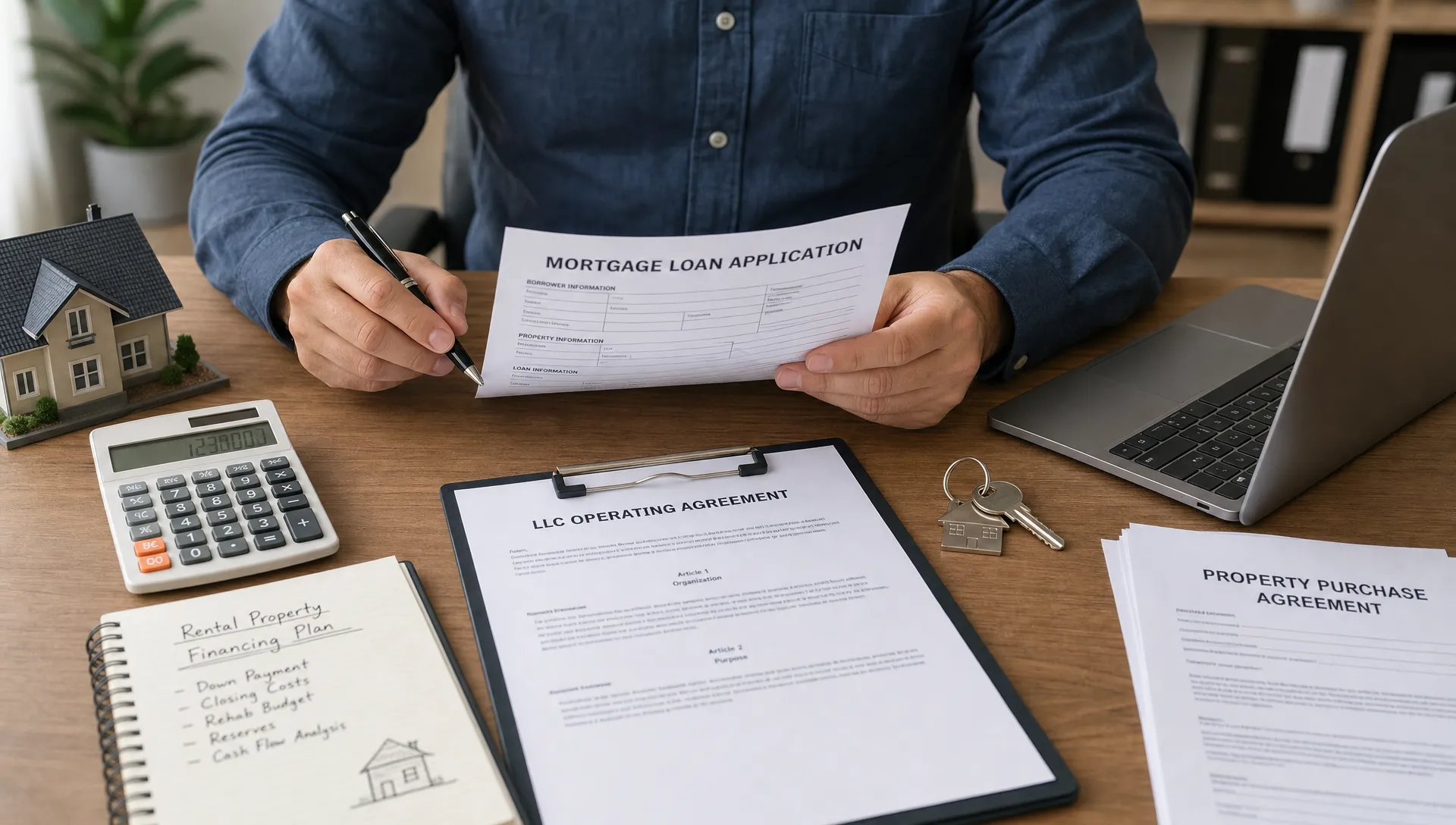
Preparation can make the process smoother and reduce surprises. Before you apply, clarify the purpose of the loan and gather the documents that show the lender exactly what is being financed.
- Confirm the property use: Be clear about whether the property will be a long-term rental, short-term rental, mixed-use property, commercial asset, or personal residence.
- Organize the LLC paperwork: Have the articles of organization, operating agreement, EIN documentation, ownership details, and signing authority ready.
- Separate business finances: Use a dedicated bank account for rental income and property expenses when possible.
- Prepare property income documentation: Gather leases, rent rolls, short-term rental history, market rent estimates, or property management statements.
- Review your personal financial profile: Even with an LLC borrower, guarantor credit, liquidity, and experience can affect approval.
- Check insurance and title early: Make sure the ownership structure, policy, and loan requirements can work together.
Self-employed borrowers should be especially careful because business income, entity ownership, and real estate investment income can overlap. If your personal income will also be reviewed, this article on mortgage loans for self-employed buyers explains why documentation often looks different from a W-2 borrower’s file.
Questions to ask a lender before choosing an LLC loan
Not all lenders handle LLC-owned properties the same way. Before moving forward, ask direct questions so you understand the structure and tradeoffs.
You may want to ask whether the loan will be made directly to the LLC, whether a personal guarantee is required, what down payment is expected, whether the rate differs from a personal investment property loan, and whether there are prepayment penalties. You should also ask what documents are required from each LLC member and whether rental income can be used to qualify.
If you are refinancing, ask whether the lender requires title to be in the LLC before closing or whether title can transfer at closing. If you are purchasing, ask how the contract should be written and who should be listed as buyer. These details can affect underwriting, title work, and closing timelines.
Also ask how the lender treats short-term rental income, vacant properties, recently formed LLCs, and properties owned by multiple members. A loan that works for a seasoned investor with stabilized rent may not work for a first-time investor buying a property that needs repairs.
Common mistakes borrowers should avoid
One common mistake is forming an LLC after signing a purchase contract without telling the lender. If the lender approved an individual borrower but the buyer wants the LLC to close, the file may need to be restructured. That can delay closing or make the loan ineligible.
Another mistake is assuming the LLC removes the need for strong credit or liquidity. Many lenders still review the guarantor’s financial profile. If the property cash flow is tight or the borrower lacks reserves, approval may be harder.
Borrowers also run into trouble when the operating agreement is outdated or unclear. If the person signing the loan documents is not clearly authorized to bind the LLC, title and closing issues can arise.
Finally, do not compare LLC loans by rate alone. Loan term, amortization, prepayment penalties, reserve requirements, closing costs, recourse provisions, and flexibility all matter. A slightly lower rate may not be better if the structure limits your investment plans.
Frequently Asked Questions
Can an LLC get a 30-year mortgage? Yes, some lenders offer long-term financing for LLC-owned investment properties, including loans with 30-year amortization. Availability depends on the lender, property type, loan purpose, and borrower qualifications.
Does an LLC need business credit to get a mortgage? Business credit can help, but many LLC mortgage lenders still focus heavily on the property, rental income, guarantor credit, liquidity, and ownership structure. A newer LLC may still qualify if the overall file is strong.
Will an LLC protect me from all personal liability? No. An LLC can help separate certain business and personal risks, but it does not eliminate all liability. Lenders may require a personal guarantee, and legal protection depends on proper entity management, insurance, state law, and the facts of any claim.
Can I use an FHA or VA loan to buy through an LLC? In most cases, FHA and VA loans are designed for eligible individual borrowers, not LLC borrowers. If you want to use one of these programs, ask a mortgage professional before creating an entity-based purchase plan.
Is an LLC mortgage the same as a commercial loan? Not always. Some LLC loans are residential investment property loans made to an entity, while others are true commercial mortgages. The difference depends on the property type, loan purpose, number of units, and lender program.
Can I transfer my house to an LLC after closing? Possibly, but you should not do it without reviewing your mortgage documents and getting professional guidance. A transfer may trigger loan restrictions, affect insurance, change tax treatment, or create title issues.
The bottom line
An LLC can get a mortgage, especially for investment or business-purpose real estate. But LLC financing is not the same as a standard home loan. The lender may review the entity, the property income, the guarantors, the ownership documents, and the business purpose behind the loan.
If you are buying or refinancing through an LLC, the smartest move is to plan the financing structure before you sign contracts, transfer title, or open escrow. That way, your entity, loan program, insurance, and closing documents can work together instead of creating last-minute problems.
New Era Lending helps borrowers explore mortgage solutions for purchases, refinances, and equity access with modern tools and personalized guidance. If you are weighing personal ownership against an LLC structure, start with a conversation through New Era Lending so you can compare your options with clarity before you move forward.