.jpg)
.jpg)





.jpg)

Can You Get Mortgage Loans for an LLC?

Yes, you can get mortgage loans for an LLC, but they are usually not the same as a standard consumer mortgage used to buy a primary residence. When a limited liability company borrows, lenders typically treat the loan as a business-purpose or investment-property loan, which changes how the application is reviewed, how the property is underwritten, and what terms may be available.
The most important question is not simply, “Can an LLC get a mortgage?” It is, “What is the property being used for?” A rental house, small multifamily property, mixed-use building, land-and-build project, or fix-and-hold investment may be a strong candidate for LLC financing. A personal home you plan to live in usually is not.
This guide breaks down how mortgage loans for LLC-owned property work, when they make sense, what lenders look for, and when it may be better to borrow as an individual.
What does it mean to get a mortgage loan for an LLC?
A mortgage loan for an LLC means the limited liability company is the borrower, the property is typically titled in the LLC’s name, and the lender records a lien against the real estate. The note and mortgage or deed of trust may be signed by an authorized member or manager of the LLC, depending on the company’s operating agreement and state requirements.
That structure is common in real estate investing because many investors use LLCs to separate business activities from personal assets, organize ownership among partners, or hold rental properties under a dedicated entity. However, an LLC does not automatically make it easier to qualify. In some cases, it makes the loan more specialized.
A lender still needs to answer practical questions: Does the property generate enough income? Does the LLC have a legitimate business purpose? Who owns and controls the entity? Are the members financially strong enough to support the loan if the property underperforms?
For newer LLCs, lenders often rely heavily on the personal credit, liquidity, and experience of the owners. Even though the LLC is the borrower, the people behind the company still matter.
LLC borrower vs. self-employed borrower: Do not confuse the two
Many business owners ask about mortgage loans for an LLC because they own an LLC, earn income through that company, and want to buy a home. But owning an LLC and borrowing through an LLC are two different things.
If you are buying a primary residence for yourself or your family, you will usually apply as an individual. Your LLC income may still be used to qualify, but the lender will evaluate it as self-employed income. That can involve tax returns, profit and loss statements, K-1s, 1099s, business bank statements, or other documents depending on the loan program.
In that situation, the property is generally not owned by the LLC. You are the borrower, and the lender reviews your personal ability to repay. If that sounds like your situation, New Era Lending’s guide to mortgage loans for self-employed buyers explains how lenders commonly document business-owner income.
If the LLC will own the property and the property is for rental, investment, or business use, then you are in a different category. The loan may be structured as a business-purpose real estate loan, portfolio loan, DSCR loan, commercial mortgage, or another non-consumer financing option.
Common types of mortgage loans available to LLCs
LLC financing is not one single loan type. The right structure depends on the property, the income strategy, and the lender’s guidelines.
DSCR loans for rental properties
A debt service coverage ratio loan, often called a DSCR loan, is commonly used by real estate investors. Instead of focusing primarily on the borrower’s personal debt-to-income ratio, the lender looks at whether the property’s rental income can support the mortgage payment.
This can be useful for LLC-owned rental properties because the property itself is treated as the main income source. The lender may review market rent, lease agreements, appraisals, and projected or current cash flow. Strong personal credit and reserves can still matter, but the property’s income is central.
Portfolio or non-QM loans
Some lenders hold certain loans in their own portfolios rather than selling them into standard agency channels. These loans may offer more flexibility for LLC ownership, unique property types, investors with complex income, or borrowers who do not fit traditional underwriting boxes.
Portfolio and non-QM loans can vary widely. Terms, down payment requirements, documentation standards, and pricing depend on the lender, property, and borrower profile.
Commercial real estate loans
If the property is used primarily for business, such as an office, warehouse, retail space, short-term rental operation with commercial characteristics, or mixed-use building, a commercial mortgage may be more appropriate.
Commercial lenders usually focus on property value, business purpose, cash flow, borrower experience, and the strength of any guarantors. Loan terms may be shorter than standard residential mortgages, and the amortization schedule may differ from the fixed 30-year home loans many consumers are familiar with.
Construction or renovation financing
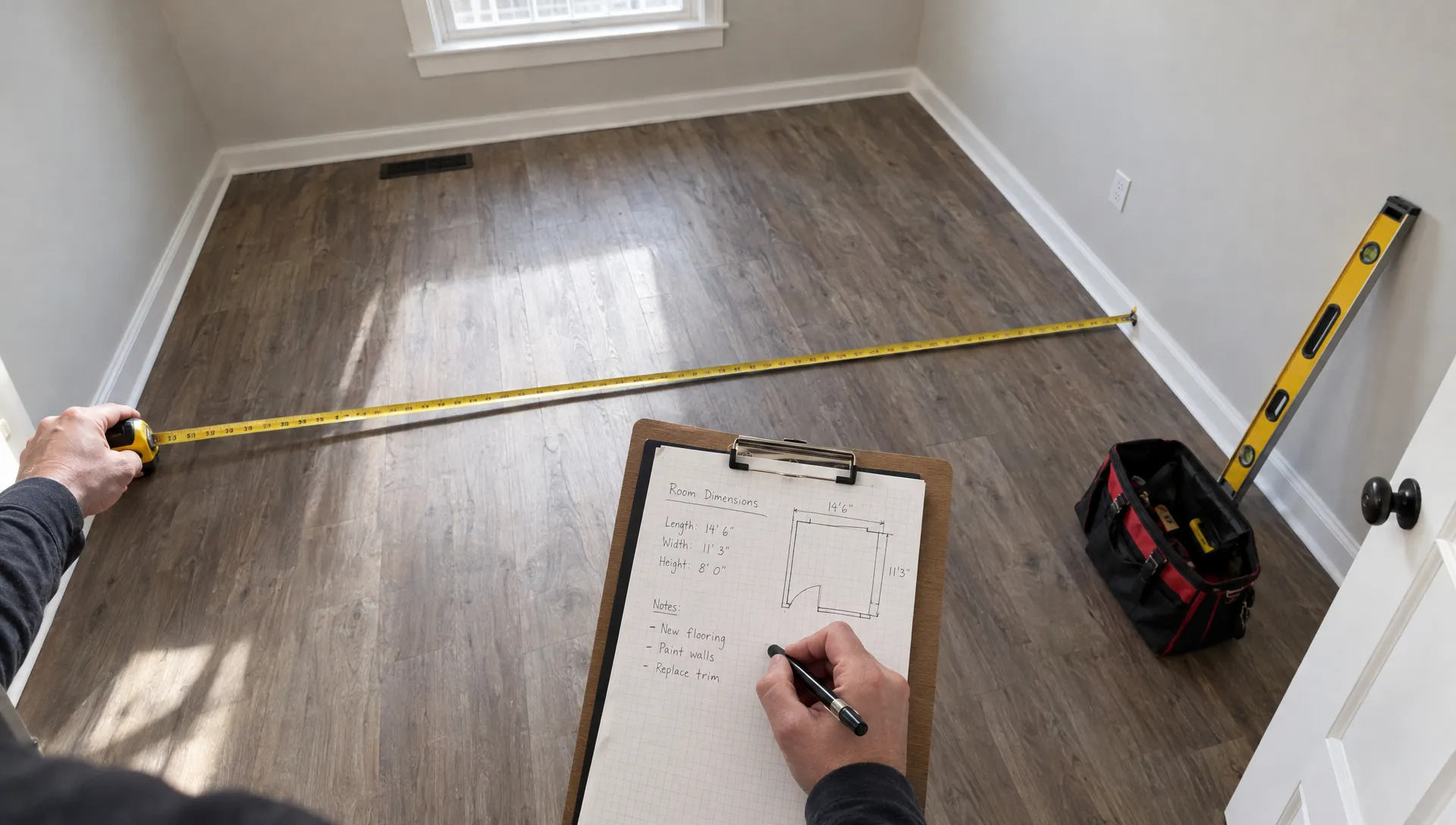
An LLC may seek financing to build, renovate, or improve a property it plans to rent, sell, or use for business. These loans often require more documentation than a simple purchase loan because the lender needs to understand the full project budget, construction timeline, contractor qualifications, permits, and exit strategy.
For example, an investor building a barndominium, garage apartment, workshop, or rental-friendly structure may need detailed estimates before approaching a lender. In Oklahoma, a turn-key builder such as Summit Barndominiums & Outdoor Living can help define project scope, construction costs, and build details that may be useful during early financing conversations.
Private money or bridge loans
Some LLCs use private money or bridge financing for short-term investment strategies, such as acquiring a property quickly, completing repairs, or repositioning a building before refinancing into longer-term debt. These loans can be faster and more flexible, but they often come with higher costs and shorter repayment timelines.
They are typically best suited for experienced investors who understand the numbers, timeline, and exit plan.
What lenders look for when an LLC applies
When an LLC applies for real estate financing, the lender is underwriting both the property and the people or entity behind it. The exact requirements vary, but several factors come up often.
- Loan purpose and occupancy: Lenders want to know whether the property is a rental, business-use property, construction project, mixed-use asset, or personal residence. LLC loans are generally strongest when there is a clear business or investment purpose.
- Property income and value: For rental and investment properties, lenders review rent, market demand, appraised value, lease terms, operating expenses, and whether the property can support the debt.
- Down payment or equity: LLC-owned properties often require more borrower equity than primary residence loans. The lender wants the LLC and guarantors to have meaningful financial commitment in the deal.
- Credit and financial strength of members: Many lenders review the personal credit, assets, reserves, and real estate experience of the LLC owners, especially if a personal guarantee is required.
- LLC documents and authority: The lender may request articles of organization, an operating agreement, EIN confirmation, certificate of good standing, ownership details, and a borrowing resolution.
- Experience and reserves: Investors with a history of managing similar properties may be viewed more favorably. Cash reserves can also help offset risk if repairs, vacancies, or market changes occur.

The broader principle is simple: the lender needs confidence that the property, the LLC, and any guarantors can support the loan. If you are buying a rental property through an entity, it may also help to understand how lenders evaluate investment mortgage loans more generally.
Why LLC mortgage loans may cost more than personal mortgages
A mortgage to an LLC often carries different pricing than a standard owner-occupied home loan. That does not mean it is a bad option, but borrowers should understand the tradeoff.
Lenders may view LLC loans as higher risk because the property is usually investment or business-purpose real estate, not a primary residence. Investment properties can have vacancy risk, higher maintenance costs, market rent fluctuations, and more complex ownership structures. If the borrower is an entity with limited operating history, the lender may also need additional safeguards.
As a result, LLC mortgage loans may involve higher interest rates, larger down payments, added reserves, shorter fixed-rate periods, prepayment penalties, or personal guarantees. Not every loan has all of these features, but they are common enough that investors should compare options carefully.
The lowest rate is not always the best loan if the structure does not fit your goals. An investor planning to hold a rental for 10 years may value long-term payment stability. A builder or renovator may care more about speed, draw structure, and refinance flexibility. A partner-owned LLC may prioritize clean ownership documentation and clear signing authority.
Can you buy your primary residence through an LLC?
In most cases, buying your primary residence through an LLC is difficult and often unnecessary. Standard consumer mortgage programs are designed for natural-person borrowers who will occupy the property, not business entities.
Government-backed and many conventional owner-occupied programs generally expect the eligible individual borrower to own and occupy the home. An LLC cannot personally live in a house, so lenders usually do not treat LLC ownership as a fit for primary residence financing.
There may also be non-lending considerations. Holding a personal residence in an LLC can affect homeowners insurance, property tax treatment, homestead exemptions, estate planning, and legal liability assumptions. Asset protection is a legal topic, not just a mortgage topic, and state laws vary. Before putting a home in an entity, it is wise to speak with a real estate attorney and tax professional.
For most homebuyers, the simpler route is to borrow personally and use documented income, including business income if self-employed, to qualify.
Can you transfer a mortgaged property into an LLC after closing?
This is a common investor question, and it is one you should approach carefully. Transferring title from your personal name to an LLC after closing can create issues if the existing mortgage does not allow it.
Many mortgage agreements include a due-on-sale or transfer clause. That clause may give the lender the right to call the loan due if ownership changes without approval. Some transfers are protected under specific laws, but transferring a property into an LLC is not the same as placing it into a qualifying trust or transferring it to a family member under certain circumstances.
There can also be insurance, title, tax, and local recording consequences. A landlord policy may need to change. A county may reassess taxes or charge transfer fees. A title company may need to review the deed. Your lender may require written approval, a refinance, or a new loan in the LLC’s name.
The safest approach is to ask before you transfer. If your long-term goal is LLC ownership, discuss that with your mortgage professional before closing so you can compare the right financing structures upfront.
Documents you may need for an LLC mortgage application
Documentation depends on the loan type, but entity-owned real estate financing often requires more than a standard personal mortgage file. Be prepared to provide both property documents and LLC documents.
- Entity documents: Articles of organization, operating agreement, EIN confirmation, certificate of good standing, ownership schedule, and authorization to borrow.
- Member or guarantor documents: Government ID, credit authorization, personal financial statement, bank statements, tax returns, or other documents requested by the lender.
- Property documents: Purchase contract, appraisal, leases, rent roll, insurance quote, property tax information, and HOA details if applicable.
- Cash flow support: Market rent analysis, operating expense estimates, property management agreement, or DSCR calculation support.
- Construction or renovation documents: Contractor bid, plans, permits, draw schedule, budget, and timeline if the loan involves building or improvements.
Having these items organized early can reduce delays. It also helps the lender identify whether the loan should be structured around personal income, property income, business income, or a combination of factors.
When does an LLC mortgage make sense?
An LLC mortgage may make sense when the property is truly being used for investment or business purposes and the ownership structure supports your long-term strategy. For example, an LLC could be useful for rental property ownership, partner-owned investments, multi-property portfolios, or projects where you want clearer separation between business activity and personal finances.
It may be less attractive if your main goal is simply to get a lower rate, avoid documentation, or buy a personal residence. In those cases, an LLC can create more complexity without delivering the benefit you expected.
The right decision depends on several questions. Are you buying a home to live in or an income-producing property? Do you need liability separation or partner ownership? Will the property’s cash flow support the loan? Are you comfortable with possible personal guarantees? Have you reviewed tax, insurance, and legal impacts?
A mortgage advisor can help you compare the financing side, but legal and tax professionals should weigh in on entity structure. The best outcome is usually a coordinated plan that matches your loan, title, insurance, and ownership goals.
How New Era Lending can help you compare options
LLC-owned property financing is not always straightforward, especially when a borrower is also self-employed, buying an investment property, or deciding between personal and entity ownership. The key is to start with the goal of the property, then work backward to the loan structure that fits.
New Era Lending helps borrowers explore personalized mortgage paths for purchases, refinancing, and equity access with modern tools and human guidance. That means you can review documentation needs, compare available options, and better understand the tradeoffs before making a commitment.
Frequently Asked Questions
Can an LLC get a 30-year mortgage? Sometimes, but it depends on the lender and loan program. Many standard 30-year consumer mortgages are designed for individual borrowers, while LLC loans are often business-purpose, portfolio, DSCR, or commercial loans. Some investor-focused programs may offer long amortization schedules, but terms vary.
Do LLC mortgage loans require a personal guarantee? Often, yes. Many lenders require one or more LLC members to personally guarantee the loan, especially if the LLC is new, lightly capitalized, or dependent on the owners’ financial strength. A guarantee means the individual may still be personally responsible if the LLC defaults.
Can I use an FHA, VA, or USDA loan to buy through an LLC? These programs are generally designed for eligible individual owner-occupants, not LLC-owned properties. If you want to use one of these programs to buy a home you will live in, you should expect to apply personally rather than through an LLC.
Is an LLC mortgage better for asset protection? An LLC may be part of an asset protection strategy, but it is not automatic protection and it is not a substitute for legal advice. Liability exposure depends on state law, how the LLC is managed, insurance coverage, personal guarantees, and the facts of a claim.
Should I form an LLC before applying for an investment property loan? It depends on the loan type and your ownership goals. Some lenders can lend directly to an LLC, while others may require personal ownership or a different structure. Before forming or transferring property into an LLC, confirm lender requirements and speak with legal and tax professionals.
Ready to explore the right mortgage path?
If you are deciding between buying personally, financing through an LLC, or refinancing an investment property into an entity structure, the best next step is a clear loan conversation before you commit. Connect with New Era Lending to review your goals, documentation, and available mortgage options with guidance designed to make the process simpler and more transparent.