









What Happens to Your Home Loan After a Natural Disaster?

A wildfire, hurricane, flood or tornado can make your home unsafe overnight, but your home loan generally remains due even if the property is badly damaged or destroyed. Insurance, disaster assistance and mortgage relief may help you recover, but they do not automatically cancel the debt or pause your payments.
The first financial priority is to contact your mortgage servicer, the company that collects your payments. Tell them what happened, ask about disaster assistance and get any payment arrangement in writing. Here is how the mortgage, insurance and recovery process usually works.
Does property damage cancel your mortgage?
Your mortgage obligation and the condition of your house are separate issues. The loan agreement requires repayment of the money you borrowed. Damage to the property securing that loan does not, by itself, erase the balance.
That remains true if you must evacuate, cannot live in the house or receive a notice that the building is unsafe. Property taxes, insurance premiums and homeowners association obligations may also continue, although local relief programs or reassessments could change what you owe.
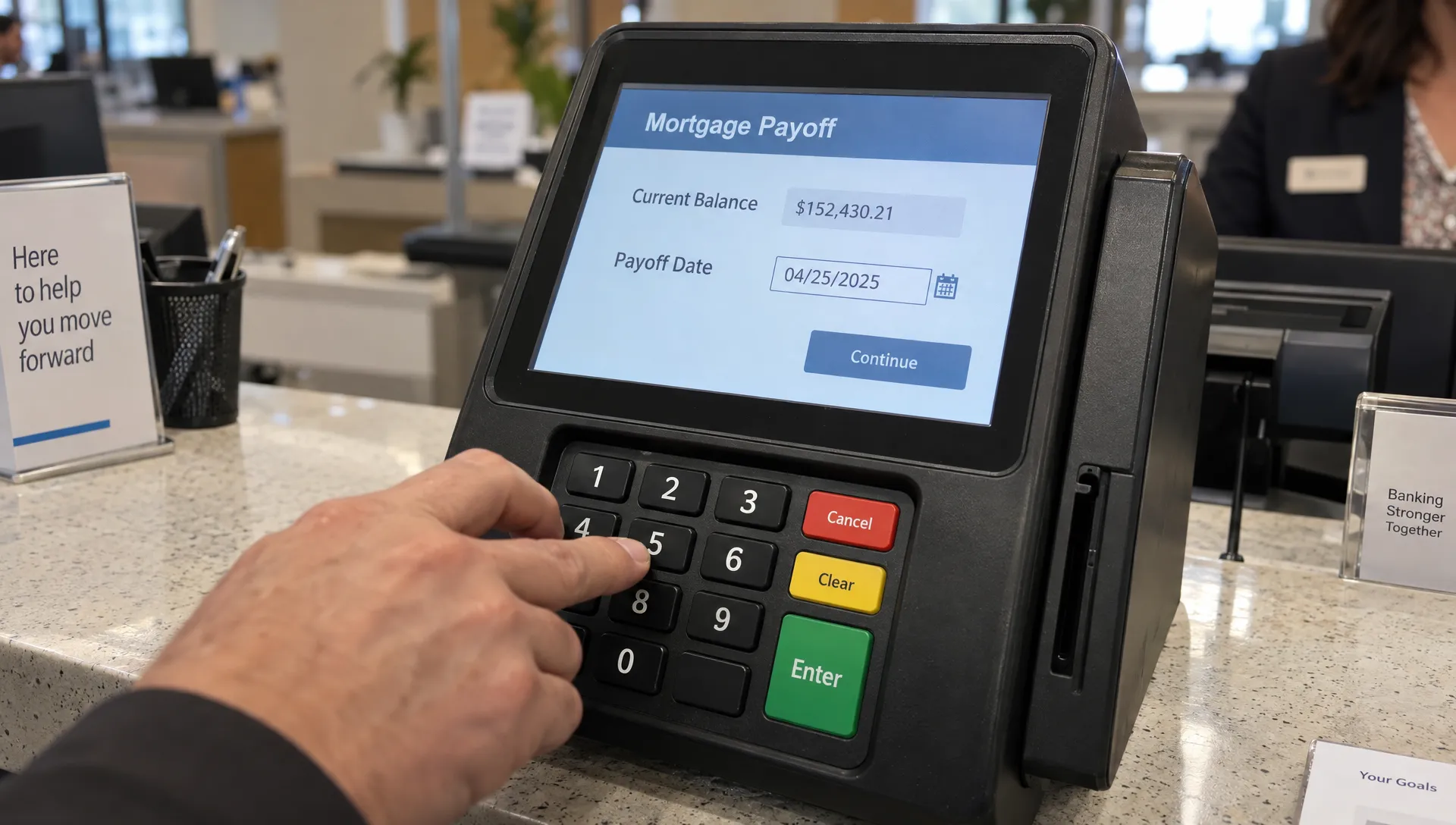
Even after a total loss, your home loan does not disappear unless it is paid off or otherwise resolved through an agreement or applicable legal process. An insurance settlement may help pay for repairs or reduce the debt, but it may not cover everything.
Do not stop paying solely because the house is uninhabitable. If you cannot make the next payment, request assistance before the due date when possible. If you have already missed payments, contact the servicer anyway.
What to do first after a disaster
Personal safety comes before paperwork. Follow evacuation orders and do not enter a damaged building until authorities say it is safe. Once you can address the financial side, focus on these steps:
- Contact your mortgage servicer. Use the number on a recent statement or its verified website. Explain whether the disaster affected your property, income or both.
- Open an insurance claim. Ask about coverage, deductibles, temporary housing benefits and deadlines for submitting documentation.
- Document the damage safely. Take photographs, keep receipts and save communications with insurers, contractors and the servicer. Ask the insurer before discarding damaged property when practical.
- Ask about federal assistance. Check whether your location qualifies for an active disaster assistance program and note the application deadline.
- Keep reliable contact information on file. Update your mailing address, phone number and email if you are displaced.
When discussing your home loan, explain what you can realistically afford rather than agreeing to a payment you cannot sustain. A useful opening is: “My property or income was affected by the disaster. What assistance applies to my loan, and what happens to the payments I postpone?”
Keep a call log with dates, representative names and confirmation numbers. Do not assume an assistance request has been approved just because you submitted it.
How disaster mortgage forbearance works
Forbearance is an agreement that temporarily reduces or pauses required mortgage payments. It can provide breathing room while you handle displacement, repairs or lost income. It is not debt forgiveness.
Availability and terms depend on the loan owner or guarantor, the servicer's rules and your circumstances. Fannie Mae, Freddie Mac, FHA, VA and USDA loans can have different assistance requirements. Privately held loans may follow different policies as well.
A federal disaster declaration may open access to certain protections or programs, but it does not automatically suspend every homeowner's payments. Ask whether assistance requires an application, how long it lasts and when you must request an extension.
Before accepting forbearance on your home loan, confirm how interest, escrow payments, fees and credit reporting will be handled. Interest may continue to accrue under the applicable terms. If you use autopay, ask whether you need to change it and verify that the change took effect.
What happens to the postponed payments?
The repayment arrangement matters as much as the initial payment pause. Depending on your eligibility and loan program, possible outcomes include:
| Possible arrangement | How it generally works | What to confirm |
|---|---|---|
| Repayment plan | Missed amounts are spread across higher payments for an agreed period | Whether the temporary payment fits your budget |
| Payment deferral or similar program | Eligible amounts become due later, such as at sale, refinance or loan maturity | Due date, interest treatment and any separate balance or lien |
| Loan modification | One or more loan terms change to address the hardship | New payment, loan length and total repayment cost |
| Reinstatement | You pay the amount needed to bring the account current | Whether this is required or simply one available option |
A lump-sum payment is not necessarily the only exit from forbearance. However, you should not assume missed payments will automatically move to the end of the loan.
Ask for the available options before the pause ends. New Era Lending's overview of mortgage debt help options explains how these arrangements differ. The Consumer Financial Protection Bureau's disaster recovery resources also provide guidance on handling financial obligations after an emergency.
How insurance claims and mortgage payments interact
Insurance is intended to cover eligible losses under your policy. It does not automatically pay the mortgage while you are displaced.
For significant structural damage, an insurance check may name both you and the mortgage company because the lender has a financial interest in the property. The servicer may hold the funds in a restricted account and release them as repairs progress, subject to the applicable requirements.
Ask for the insurance-loss process in writing before signing a construction contract. Find out what contractor documents are required, whether inspections are needed and how quickly funds can be released. A contractor's deposit schedule may not match the servicer's disbursement schedule.
An insurance payment can help restore the property securing your home loan, but do not assume the entire check will be immediately available for repairs or living expenses. Ask separately about any additional living expense coverage, which may reimburse eligible temporary housing and related costs, subject to policy limits.
Coverage gaps can leave you with a shortfall
Standard homeowners policies generally exclude flood and earthquake damage. Separate policies or endorsements may be necessary, and wind or hurricane losses can involve special deductibles. The National Flood Insurance Program's consumer information explains flood coverage and its limitations.
Mortgage insurance is different from property insurance. Private mortgage insurance generally protects the lender against certain borrower defaults; it does not pay to rebuild your house.
Ask the adjuster to explain replacement-cost coverage, depreciation, deadlines for recovering withheld amounts and any underinsurance. These details can determine whether you have enough money to finish repairs.

What happens to escrow, credit and foreclosure risk?
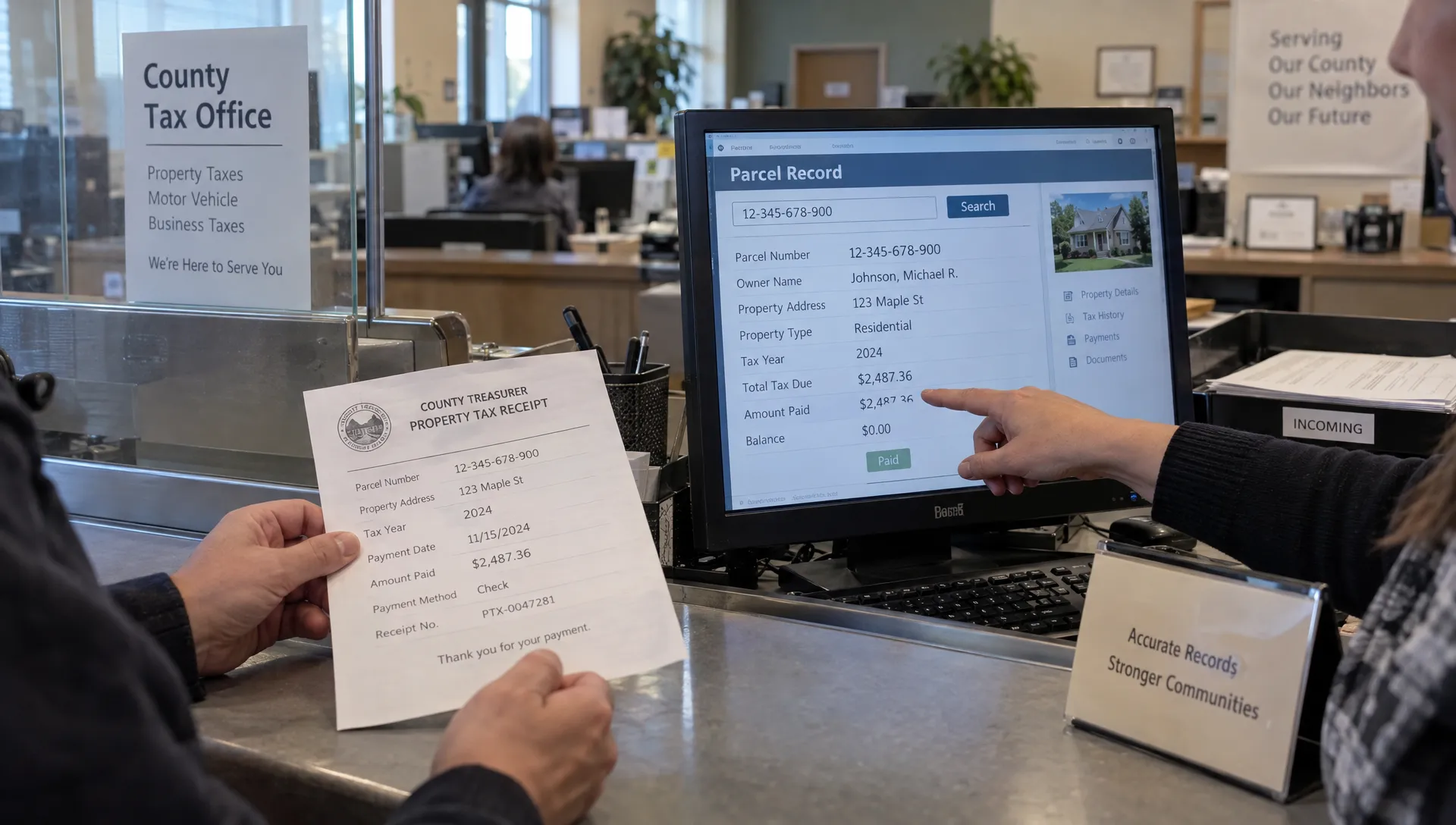
A payment pause does not necessarily pause the bills paid through your escrow account. Property taxes and insurance premiums may still come due, and the servicer may advance funds to pay them. A later escrow analysis could identify a shortage and affect future payments.
Insurance costs and tax assessments can also change after a disaster. Before assuming a higher bill means the interest rate changed, review the payment breakdown. This guide to what changes a home loan payment over time explains the separate components.
For your home loan, credit reporting during relief depends on the applicable rules, your account status and the agreement. Ask exactly how the account will be reported, keep the written terms and review your credit reports for errors. An approved arrangement does not necessarily remove delinquencies that occurred before it began.
Some disaster situations trigger temporary foreclosure protections, but those protections are not universal or permanent. Ask whether a pause applies to your specific loan and when it expires. If you receive foreclosure papers or another legal notice, do not ignore the deadline while waiting for an insurance claim or assistance decision.
What happens to your home loan after a total loss?
A total-loss insurance determination does not necessarily mean the settlement equals the mortgage balance or the cost of rebuilding. Coverage limits, deductibles and exclusions can create a shortfall.
Before deciding whether to rebuild, sell the damaged property or move elsewhere, ask the insurer and servicer how each choice affects the insurance proceeds and outstanding debt. Depending on the loan documents and applicable rules, proceeds may be used for restoration or applied toward the balance.
Do not assume you can redirect rebuilding funds toward another home. Likewise, handing over the keys or leaving the property does not by itself release you from the debt.
Refinancing may also be difficult while the property's condition or value is uncertain. A new lender may require repairs, an appraisal or other documentation. Understanding how a home's value affects refinance options can help you evaluate that possibility after the immediate crisis.
If the available funds will not cover the debt or recovery costs, discuss the shortfall with the servicer and consider a HUD-approved housing counselor. Legal advice may be appropriate when insurance disputes, foreclosure or a remaining debt balance are involved.
Where to look for recovery assistance
Federal assistance may help with eligible disaster-related needs, but it is not a substitute for insurance and does not guarantee that every loss will be covered.
FEMA assistance can be available to eligible households in designated areas. Covered needs, documentation requirements and deadlines vary. Start with DisasterAssistance.gov rather than relying on social media posts about grants or payment cancellations. Keep insurance decisions and settlement records because assistance generally cannot duplicate benefits covering the same loss.
The U.S. Small Business Administration also offers disaster loans for eligible homeowners and renters. Despite the agency's name, these programs are not limited to businesses. They are loans that generally require repayment, not grants.
Before adding recovery debt alongside your home loan, compare the new payment with your likely post-disaster budget. Include temporary housing, deductibles, repair overruns and any higher mortgage payment after forbearance.
State agencies, local governments and nonprofit organizations may offer additional help. A HUD-approved housing counselor can help you understand mortgage assistance options and prepare for a servicer conversation. Be wary of anyone demanding upfront payment to obtain mortgage relief or telling you to send mortgage payments somewhere other than your verified servicer.
Frequently asked questions
Do I have to pay the mortgage if I cannot live in the house? Generally, yes. Being displaced does not automatically suspend the loan obligation. Ask the servicer about disaster relief or forbearance if housing costs, damage or lost income make payments unaffordable.
Will FEMA pay off my mortgage? FEMA disaster assistance is not a general mortgage-payoff program. Eligibility and covered expenses depend on the program and disaster. Do not stop making payments based on an expected award.
Can I get help if the disaster affected my job but not my house? Possibly. A disaster-related income loss may qualify for mortgage assistance even without structural damage. Tell the servicer how your employment or earnings changed and ask what documentation is needed.
Will insurance automatically pay off your home loan if the house is destroyed? No. The settlement depends on your coverage and the covered loss. The use of proceeds also depends on the loan documents and applicable requirements, and the payout may be less than the outstanding balance.
Plan the next step after immediate relief
For help with missed payments or disaster forbearance, start with your current mortgage servicer. That is separate from applying for a new loan.
If recovery later involves buying a replacement home or considering refinancing, New Era Lending offers personalized mortgage guidance to help you evaluate available financing options. First, get clarity on your existing balance, insurance proceeds and recovery budget so the next decision rests on confirmed numbers.