







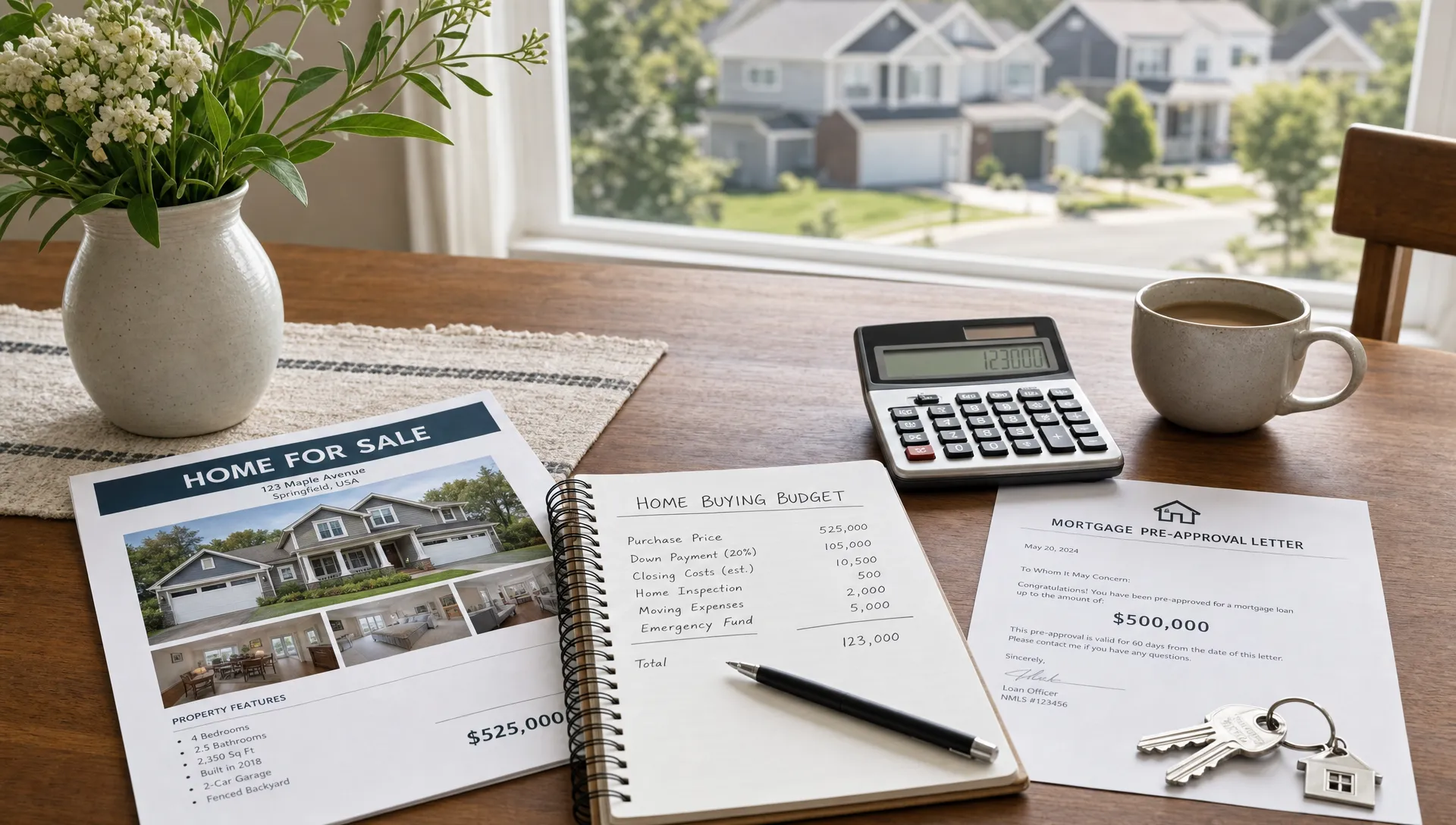

How to Choose a South Carolina Mortgage for a Manufactured Home
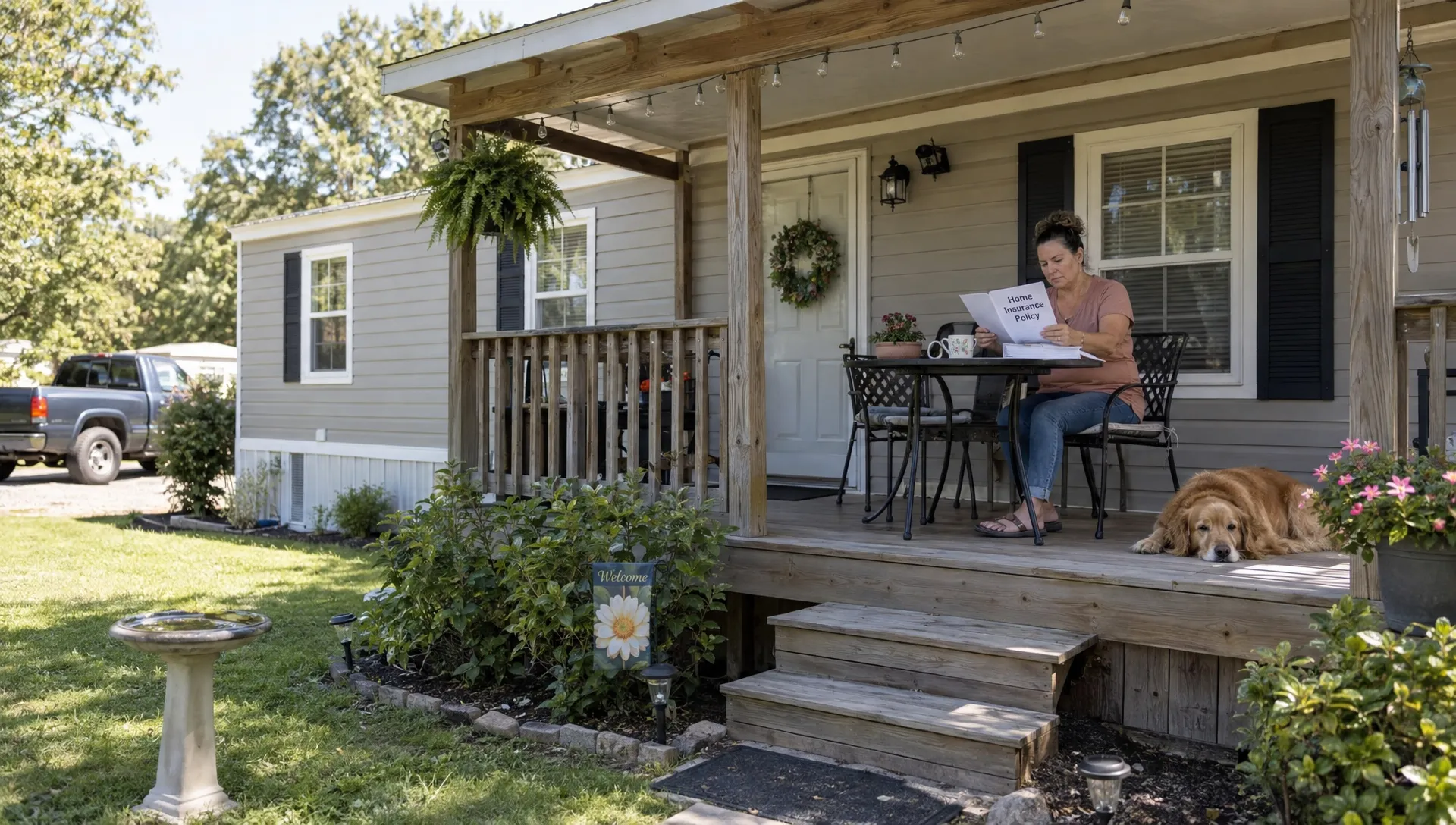
Choosing a South Carolina mortgage for a manufactured home starts with the property, not the advertised interest rate. The home’s construction date, foundation, title and land arrangement can determine which financing is available, even when your income and credit qualify.
Before paying a nonrefundable deposit, get answers to three questions: Does the lender finance this type of home? Can the home and land qualify together? What will the complete purchase cost, including setup, insurance and closing expenses? Those answers make loan comparisons far more useful.
Identify exactly what you are buying
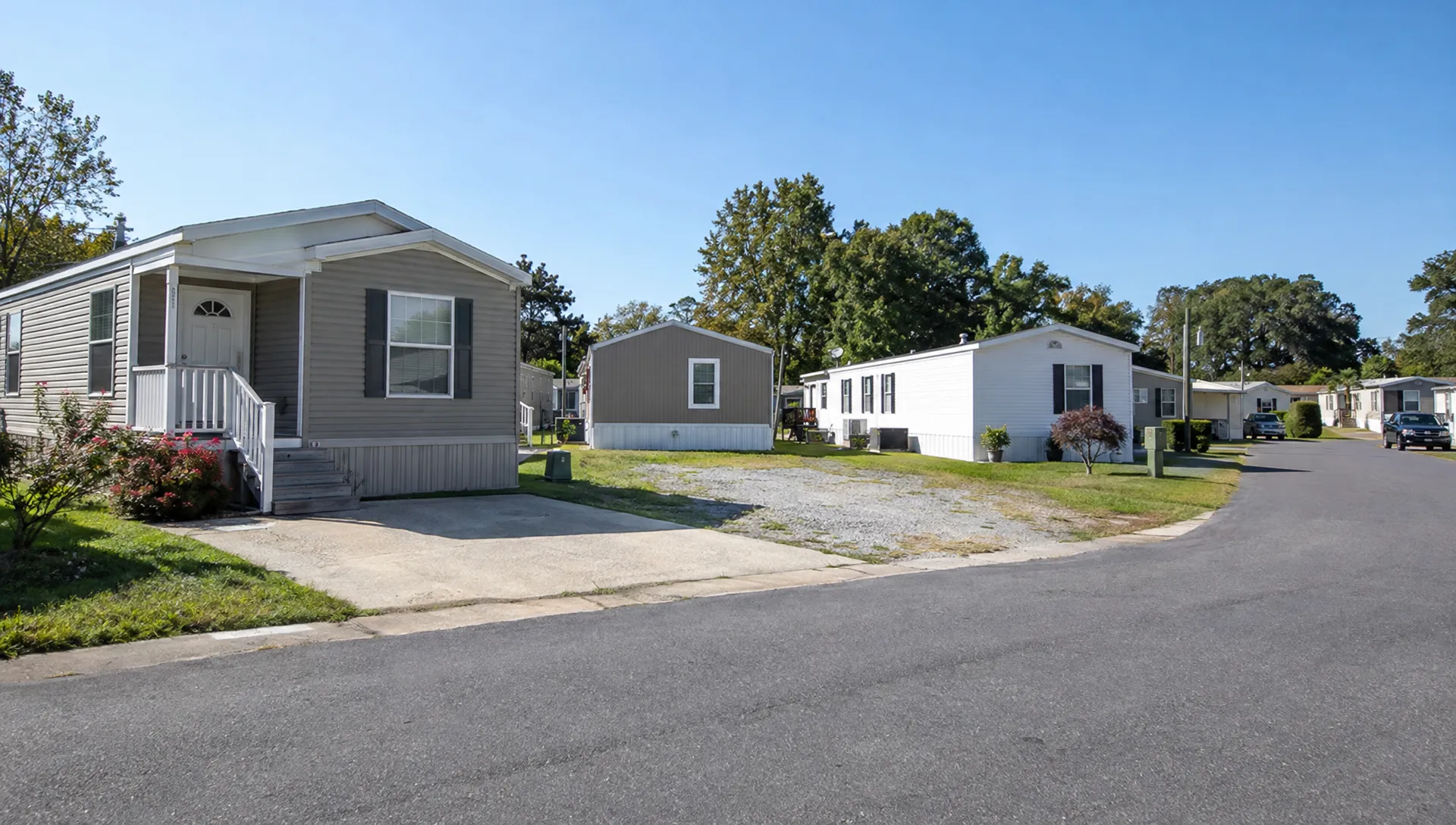
A manufactured home is built to the federal HUD construction standards that took effect June 15, 1976. A modular home is built to applicable state or local building codes and generally follows a different mortgage eligibility path. An older mobile home built before the federal standards may not qualify for standard manufactured-home mortgage programs.
For a manufactured home, collect the construction date, manufacturer, serial number and information about its HUD certification labels and data plate. HUD’s manufactured housing resources explain the federal construction framework. If identification documents are missing, ask the lender what verification it accepts before assuming the home is ineligible.
Next, establish whether you are buying the home and land together, placing a new home on land you own or purchasing a home in a leased-lot community. These are different financing situations, not interchangeable versions of the same purchase.
Which South Carolina mortgage options fit manufactured homes?
Start with the land arrangement. Owning the land usually creates the clearest path to a mortgage secured by both the home and the real estate. A leased lot may require a personal-property loan, often called a chattel loan, or a specialized leasehold program.
| Financing option | When it may fit | What to verify early |
|---|---|---|
| Conventional mortgage | An eligible manufactured home financed as real estate | Accepted home types, foundation standards, down payment and mortgage insurance |
| FHA Title II mortgage | An eligible home and real-estate transaction meeting FHA requirements | Foundation certification, property eligibility and lender credit requirements |
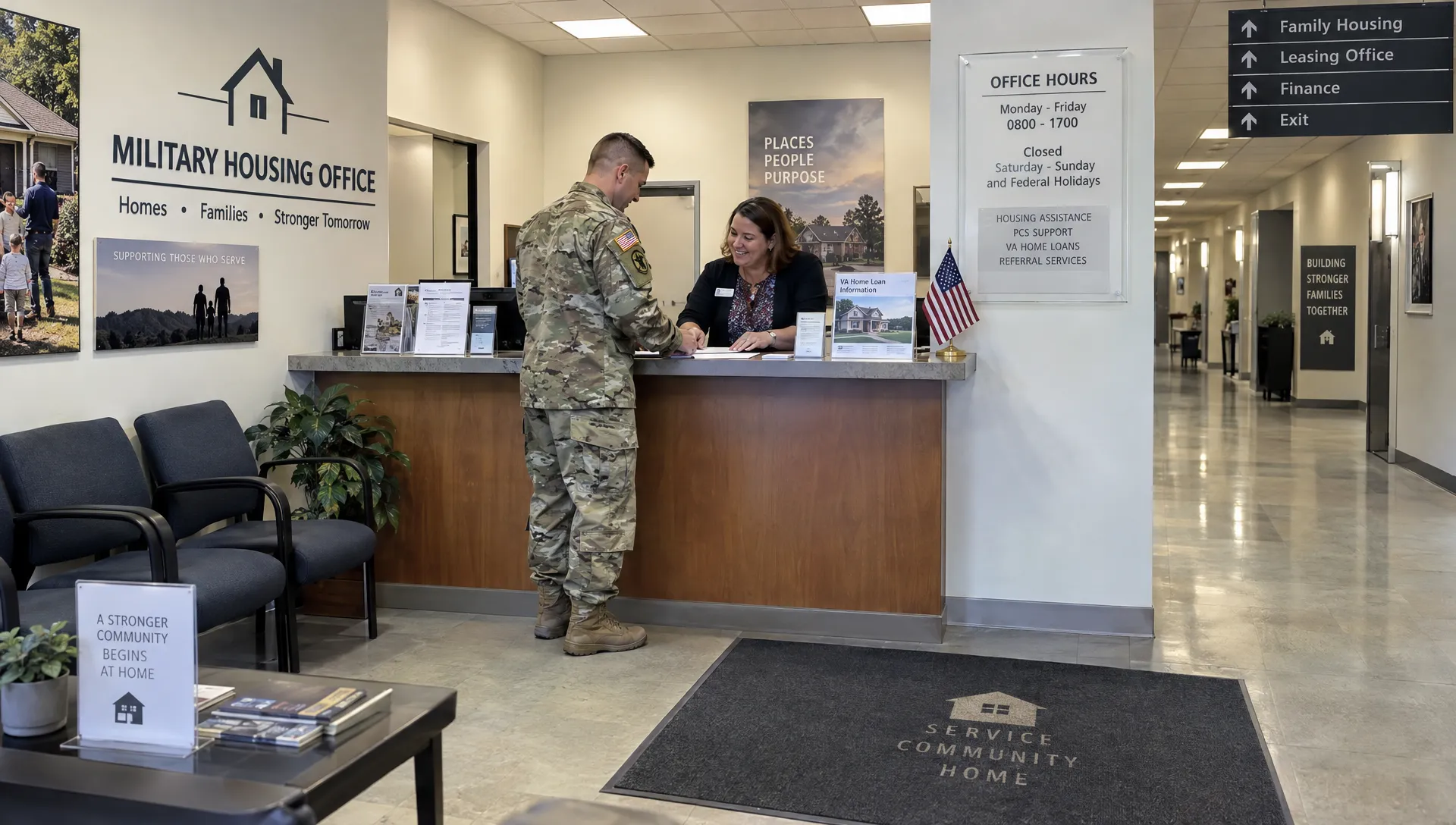
| VA-backed loan | An eligible veteran, service member or qualifying surviving spouse buying an eligible property | Entitlement, property requirements, funding fee and lender participation |
| USDA guaranteed loan | An eligible household buying an eligible primary residence in a qualifying area | Income limits, location and current rules for new or existing manufactured homes |
| Chattel loan | Financing primarily secured by the home rather than the land | APR, repayment term, fees, lot lease obligations and consumer disclosures |
FHA financing can allow a 3.5% down payment for borrowers with qualifying credit scores of at least 580, but lenders may impose higher standards. VA and USDA loans can permit no down payment when all requirements are met. None of these possibilities guarantees eligibility for a particular manufactured home.
Resolve title, foundation and site issues before shopping rates
Confirm that the ownership records support the loan
For a South Carolina mortgage secured by the home and land, the lender will need an acceptable real-property ownership structure. A home sitting on owned land does not automatically mean its title has been retired or its legal status is ready for closing.
Ask your South Carolina closing attorney to review the deed, manufactured-home title, liens and any title-retirement documents. Use the South Carolina Department of Motor Vehicles to check current manufactured-home title procedures, then confirm recording requirements with the appropriate county office.
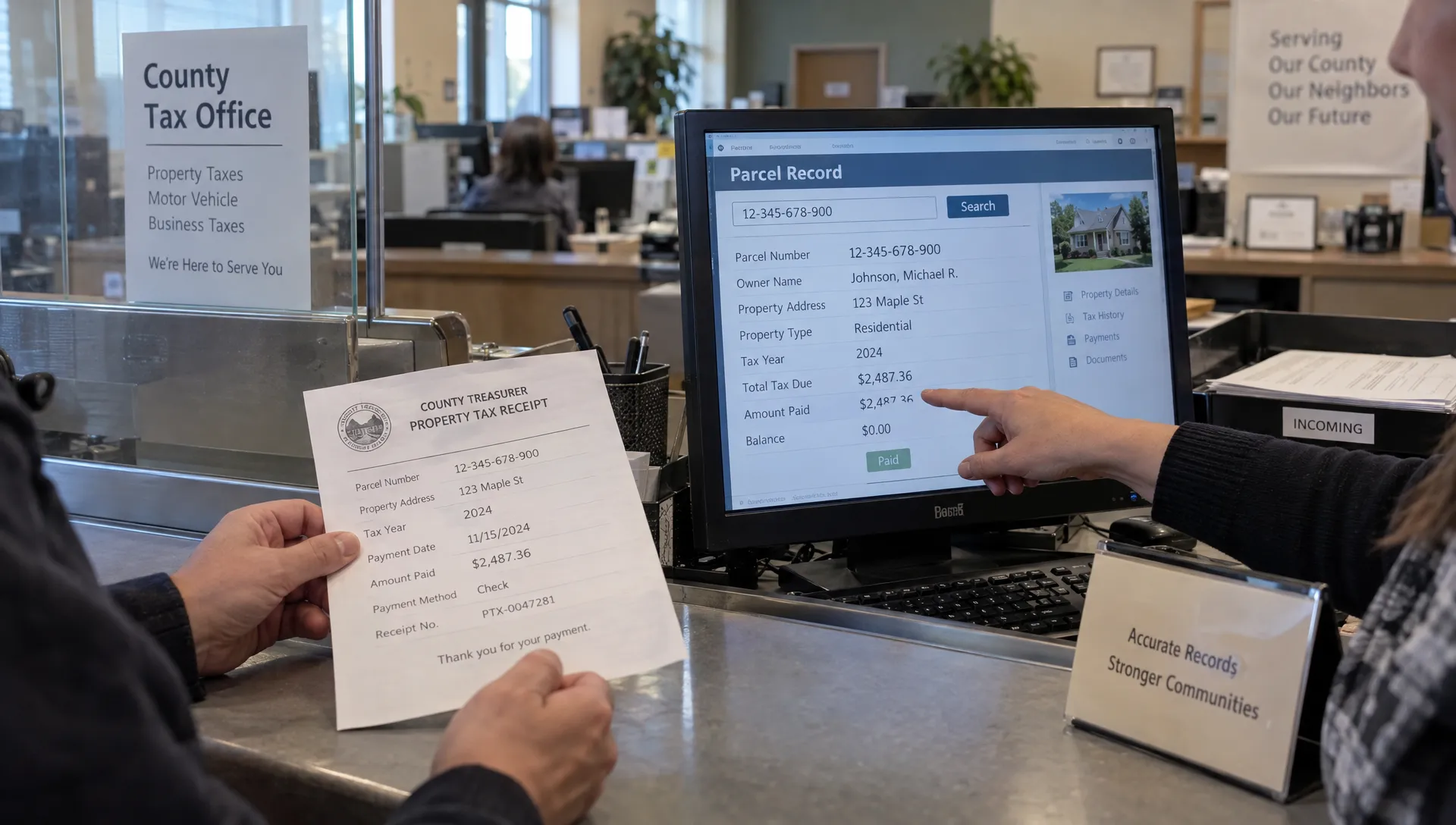
A property-tax bill is not a substitute for this review. Resolve ownership mismatches, outstanding liens and missing documents before spending heavily on inspections or appraisal.
Check the foundation and the home’s history
A home can look permanent without meeting the chosen loan program’s foundation requirements. Skirting, steps and landscaping do not establish compliance.
Ask whether the lender requires an engineer’s foundation certification and whether anchoring, drainage or other work must be completed before closing. For an existing home, disclose additions such as porches, garages and extra rooms so the lender can determine what inspection or documentation is needed.
Also disclose whether the home has been moved after its original installation. Previous relocation can affect eligibility under some programs. Single-section versus multi-section construction, age and alterations can also trigger lender restrictions beyond the underlying program rules.
Verify that the parcel works for the home
Your South Carolina mortgage review should include the site itself. Confirm with the local planning or building department that the parcel allows the proposed manufactured home, including its size and installation configuration. Private deed restrictions or community rules can be more restrictive than zoning.
For rural property, investigate legal access, recorded easements, septic approval, well requirements and utility connections. An inexpensive parcel can become costly if it needs extensive grading, a long driveway or a new septic system.
For a new installation, request an itemized scope covering delivery, setup, foundation work, permits, utility connections and required inspections. Ask which costs can be financed, which require cash and who pays if site work exceeds the estimate.
Obtain insurance quotes while you can still change course
Insurance availability and cost deserve attention before your financing contingency expires. Coastal exposure, wind risk, flood location, the home’s age and its installation can affect the coverage available.
Check the address using the FEMA Flood Map Service Center, then ask the lender whether flood insurance will be required. Being outside a high-risk mapped area does not eliminate flood risk, and standard homeowners policies generally exclude flood damage.
Ask the insurance agent about manufactured-home replacement coverage, wind and hail exclusions, named-storm deductibles and any separate policies needed. A percentage-based storm deductible can create a substantial cash expense after a loss, even when the monthly premium seems manageable.
Compare the full payment and the cash needed to close
A South Carolina mortgage quote is incomplete if it only shows principal and interest. Your working budget should also include property taxes, homeowners insurance, applicable flood or wind coverage, mortgage insurance and any community or association charges.
If you lease the lot, include lot rent and review the lease’s renewal, transfer and rent-increase provisions. Paying off the home does not eliminate the cost of renting its site.
For owned land, confirm the expected property-tax treatment with the county assessor. Do not assume the seller’s current tax bill reflects what you will pay after purchase or that owner-occupied treatment transfers automatically.
Our guide to South Carolina mortgage costs and local closing considerations provides broader context for these state-specific expenses.
Build a separate budget for setup and reserves
Consider this hypothetical purchase budget, not a lender quote: a home and land cost $190,000, while site work and utility connections add $18,000. Your planning starts with $208,000 before applicable closing expenses, prepaid insurance, escrow funding or reserves.
Whether every item can be financed depends on the program, transaction structure, appraisal and lender. Costs paid before closing may also require documentation if you expect them to count toward the transaction.
Keep an emergency reserve separate from your down payment. Moving expenses, repair needs and insurance deductibles do not disappear because the lender approves the loan. For a broader budgeting approach, see how to match a home loan to your full household budget.
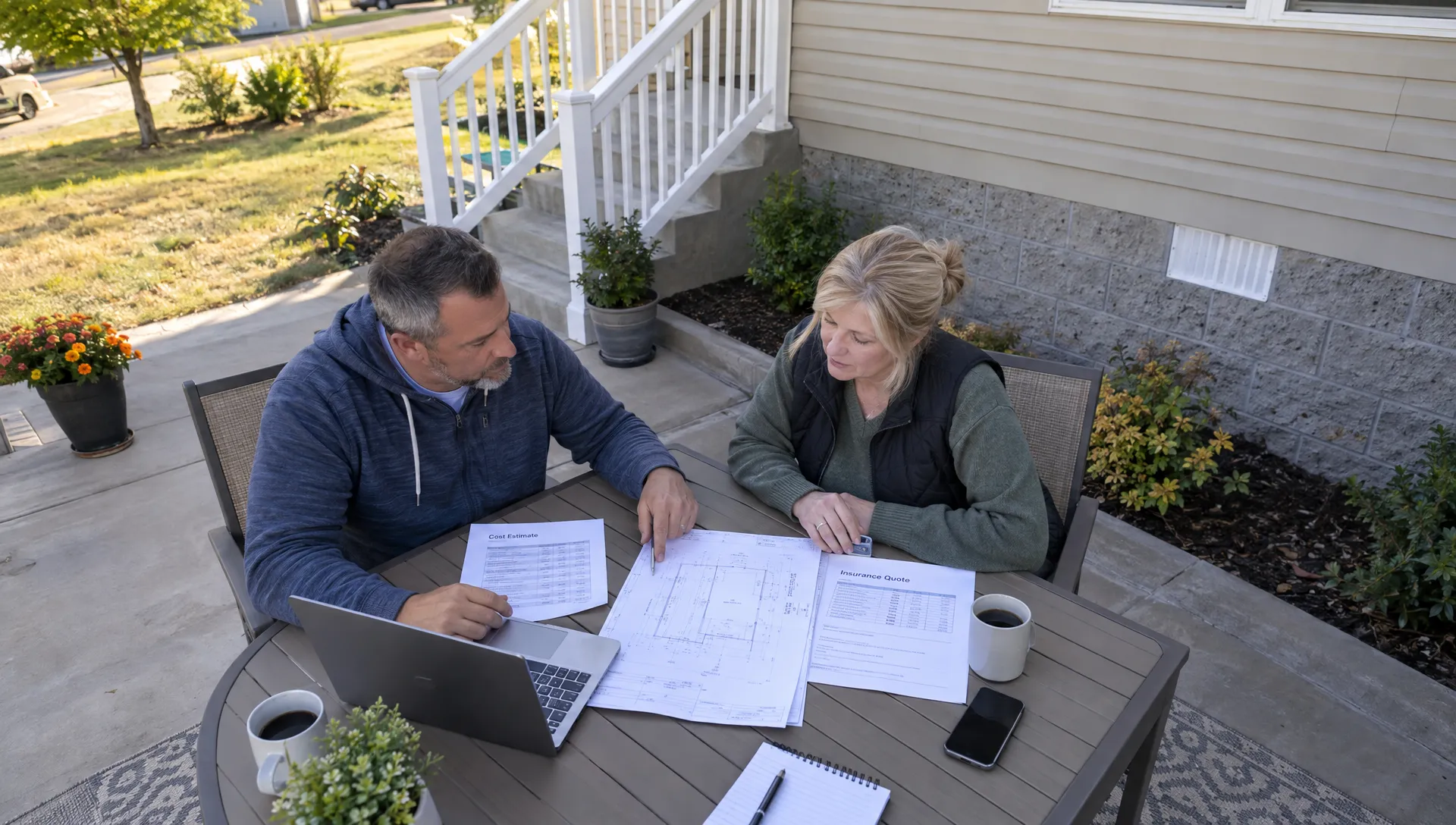
Compare written offers for the same property and loan structure
An interest rate measures borrowing cost without capturing every financing charge. APR includes the interest rate and certain loan costs, making it a useful comparison tool, but it still does not represent your complete housing budget. Property taxes, insurance and site expenses require separate attention.
For covered real-estate mortgages, request Loan Estimates from competing lenders using the same purchase price, down payment, loan term and property information. The CFPB’s Loan Estimate guide explains where to find the rate, projected payments, closing costs and cash to close.
Use this checklist when comparing a South Carolina mortgage offer:
- Rate and points: Compare the interest rate, discount points and lender credits together, not as separate bargains.
- Loan costs: Identify origination charges, appraisal expenses and manufactured-home-specific inspection or certification costs.
- Mortgage insurance or program fees: Check both upfront amounts and ongoing charges, including how long they may apply.
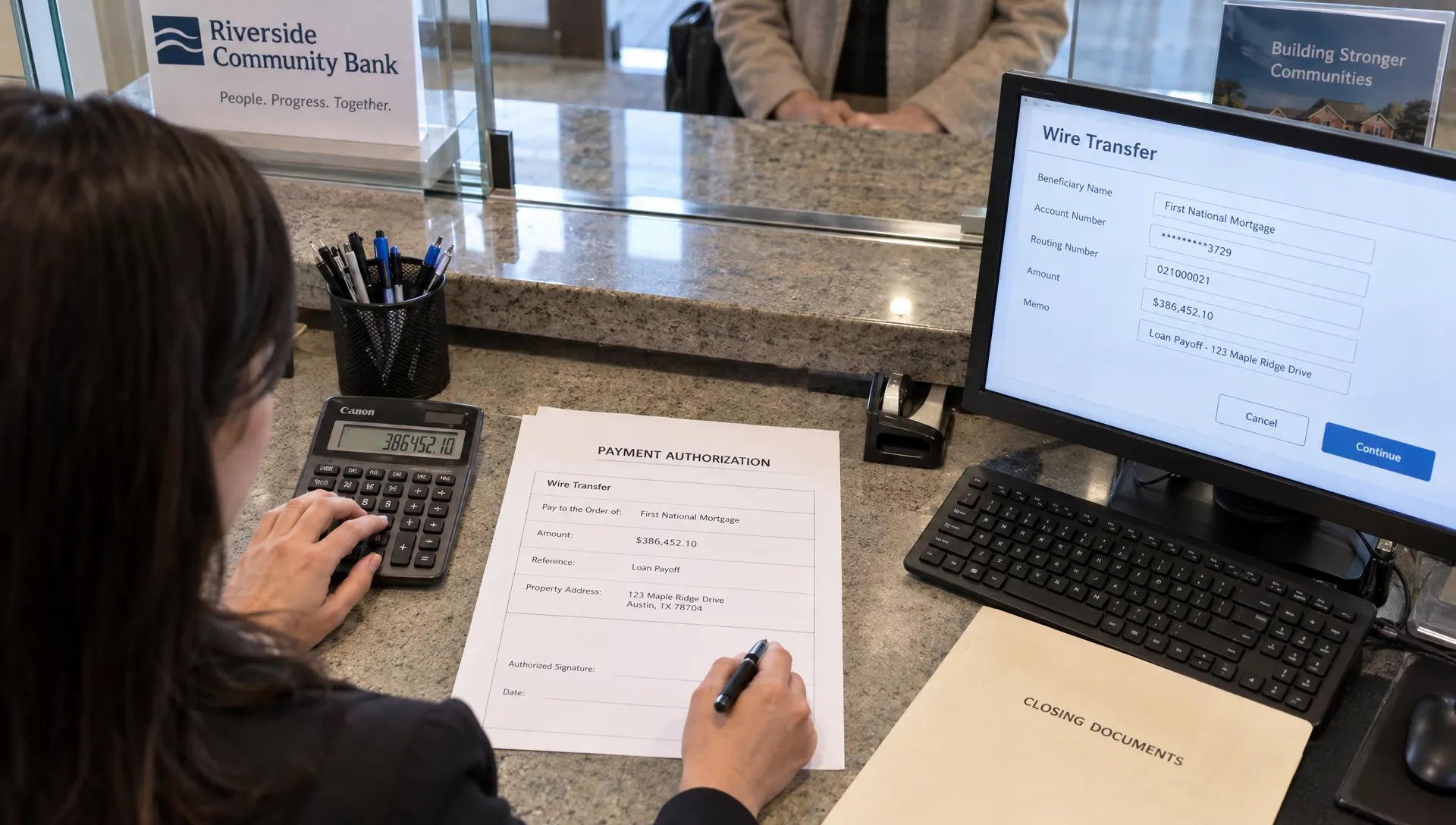
- Cash to close: Separate the down payment from closing costs, prepaid expenses and escrow deposits.
- Rate lock: Confirm the expiration date, extension charges and what happens if installation or title work delays closing.
- Remaining conditions: Ask which property, insurance and borrower requirements are still unresolved.
Personal-property financing may use different disclosures rather than the standard mortgage Loan Estimate. Compare its APR, total payments, fees and collateral terms directly instead of assuming the paperwork is equivalent.
Verify rates and assistance using current sources
Mortgage pricing changes, and an advertised rate may assume a particular credit profile, down payment, property type or number of discount points. Request a dated quote for the actual home, not just the lender’s lowest advertised rate for a different property category.
If you are considering assistance with a South Carolina mortgage, check SC Housing’s official website for current programs and participating-lender information. Ask specifically whether the program accepts manufactured homes and your intended first mortgage. Do not assume that assistance available for a site-built home applies to this purchase.
Confirm income and purchase-price limits, credit requirements, homebuyer education and whether assistance must be repaid after a sale, refinance or early move. Funding availability and program terms can change.
Treat search results and AI summaries as starting points. Resources such as Search Optimization’s guides to AI search visibility explain how publishers seek visibility and citations in those tools. That visibility is not proof that mortgage information is current. Verify eligibility claims against the relevant agency’s rules and the lender’s written requirements.
Choose the lender that can explain the remaining risks
A useful lender conversation goes beyond whether you are preapproved. Ask how the lender handles manufactured-home transactions like yours, including new installations, existing homes, leased land or prior title issues.
Request a written list of required property documents, inspections and certifications. Find out who coordinates with the dealer, installer, closing attorney and insurer, along with when each party must finish its work.
Before committing to a South Carolina mortgage, distinguish borrower preapproval from property approval. Strong credit and income do not resolve an unacceptable foundation, a title problem or an insurance gap.
Have your real estate professional and attorney explain the contract’s financing, inspection and appraisal protections. Confirm what happens to your deposit if the home cannot meet loan requirements. For a dealer purchase, understand cancellation and refund terms before authorizing construction, delivery or site work.
The strongest offer is not necessarily the one with the lowest quoted rate. It is the one with competitive costs, a workable closing plan and clear answers about unresolved conditions.
Frequently asked questions
Can I get a mortgage for a manufactured home on land I already own? Potentially. The home, foundation, title and land must meet the chosen program’s requirements. Ask how the lender treats existing land equity, any lien on the parcel and the cost of installing the home.
Can I finance a manufactured home in a leased-lot community? Yes, financing may be available, but a standard home-and-land mortgage may not fit. Ask about chattel financing or eligible leasehold programs. FHA Title I is distinct from FHA Title II and can cover certain manufactured-home transactions, subject to program rules and lender availability.
Does first-time buyer assistance cover manufactured homes? It depends on the assistance program, property and underlying mortgage. Confirm current eligibility with the program administrator and a participating lender before including assistance in your purchase budget.
What credit score do I need for a South Carolina mortgage on a manufactured home? There is no single score requirement. Loan-program minimums and lender requirements can differ, and approval also depends on income, debts, down payment and property eligibility. Ask for requirements specific to manufactured housing rather than general mortgage advertising.
Can an older manufactured home qualify? Sometimes. Construction date, condition, identification records, foundation and relocation history all matter. Homes built before June 15, 1976 generally fall outside standard HUD-code manufactured-home mortgage options.
Start with a property-specific financing review
Before choosing a rate, gather the property address, land ownership details, home specifications, title records and any installation estimates. Ask New Era Lending whether manufactured-home financing is currently available for your South Carolina transaction and which requirements would apply.
With those answers, you can compare realistic payments and closing costs instead of shopping for a loan the property cannot support.