.jpg)
.jpg)





.jpg)

Mortgage Loans in South Carolina: What Buyers Should Know
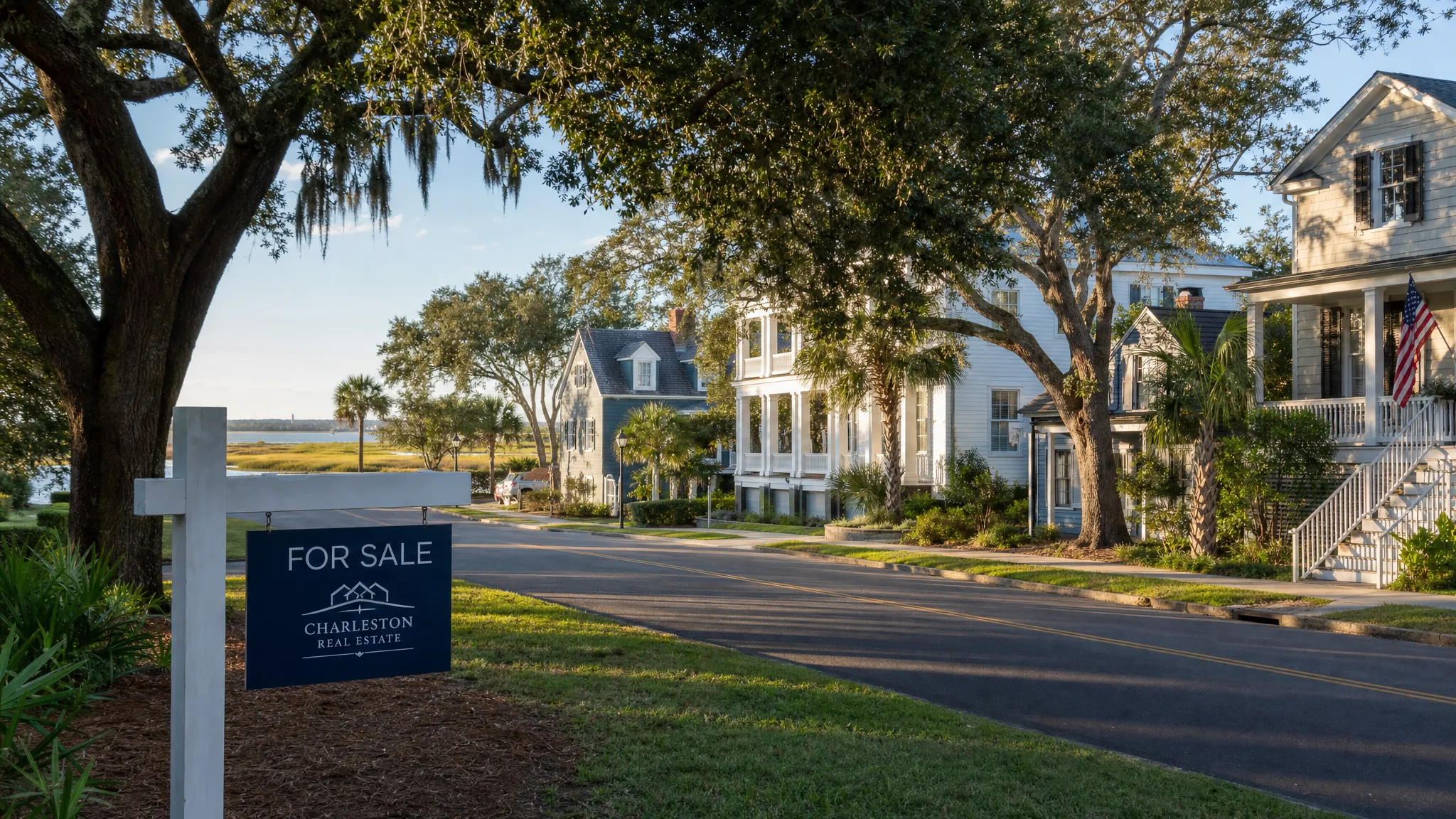
Buying a home in South Carolina can look very different depending on whether you are shopping for a coastal condo near Charleston, a new build in the Upstate, a suburban home outside Columbia, or acreage in a smaller rural county. The loan itself may follow national mortgage rules, but the local details can shape your approval, monthly payment, closing costs, and long-term comfort with the home.
That is why understanding mortgage loans in South Carolina is about more than finding a rate. Buyers also need to think about property taxes, insurance, flood zones, attorney closings, loan program eligibility, and how quickly they can move in a competitive market.
Below is a practical guide to help South Carolina homebuyers know what to expect before they apply, compare loan options, or make an offer.
What makes South Carolina different for homebuyers?
South Carolina has a wide range of housing markets. Some areas are driven by tourism and coastal demand, some by military communities, some by university and medical employment, and others by manufacturing, logistics, and retirement migration. That variety means the “right” mortgage strategy can change from one county to the next.
In 2026, the smartest buyers are not simply asking, “What is the lowest rate I can get?” They are asking, “What loan structure gives me the best overall payment, cash-to-close, and flexibility for the home I want?” That matters because your payment is affected by more than principal and interest. Taxes, homeowners insurance, mortgage insurance, HOA dues, and flood insurance can all change the affordability picture.
South Carolina also has some local closing customs buyers should understand. Real estate closings are typically handled under the supervision of a South Carolina attorney, and title work, recording, and settlement costs can vary by county and transaction. Your lender, real estate agent, and closing attorney should help you understand what applies to your specific purchase.
Start with pre-approval before you shop seriously
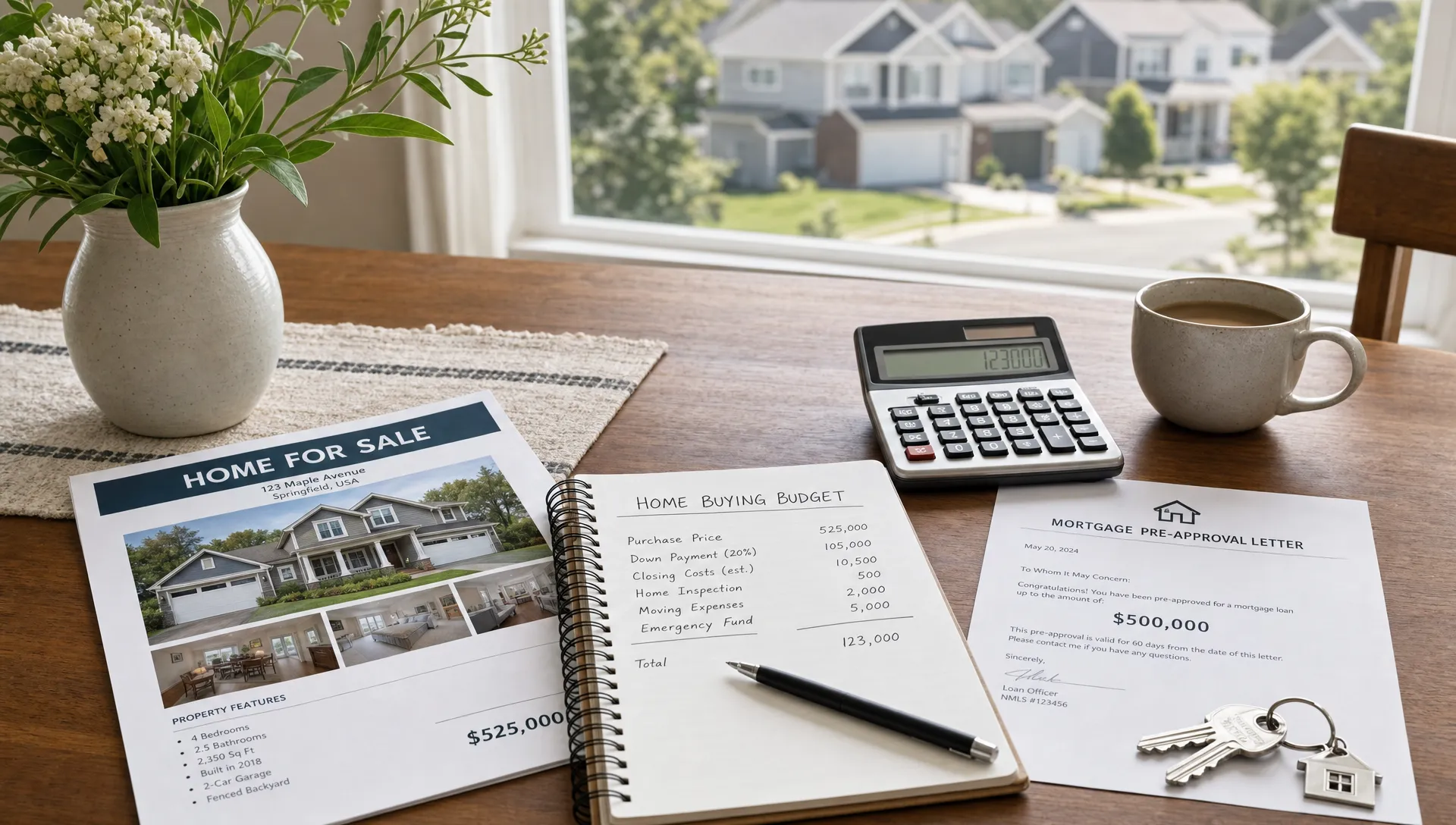
A pre-approval is one of the most useful tools a South Carolina buyer can have. It gives you a clearer idea of your price range, helps you understand your estimated monthly payment, and shows sellers that you are prepared to move forward.
During pre-approval, a lender generally reviews your credit, income, employment, debts, assets, and down payment funds. They may also discuss which loan programs are realistic for your goals. If you are still getting familiar with terms like DTI, LTV, cash to close, and escrow, this overview of home loan basics every buyer should know can help you understand the numbers lenders use.
A pre-approval does not guarantee final approval. The property still needs to meet lender and program requirements, and your financial situation needs to remain stable through closing. Still, it can help you avoid shopping above your comfort zone or finding out too late that a different loan program would have been a better fit.
Common mortgage loan options in South Carolina
Most South Carolina buyers use one of several major mortgage categories. Each has different eligibility rules, down payment requirements, credit guidelines, and mortgage insurance considerations.
- Conventional loans: These are common for buyers with solid credit, stable income, and enough savings for a down payment and closing costs. They can be used for primary homes, second homes, and investment properties, depending on the borrower and property.
- FHA loans: FHA loans are often considered by first-time buyers or borrowers who need more flexible credit and down payment guidelines. They include mortgage insurance, so buyers should compare both the upfront and monthly costs.
- VA loans: Eligible service members, veterans, and certain surviving spouses may qualify for VA financing. South Carolina has several military communities, including areas near Charleston, Columbia, Sumter, and Beaufort, making VA loans especially relevant for many local buyers.
- USDA loans: USDA loans may help eligible buyers purchase homes in qualifying rural or suburban areas with no down payment requirement. Property location and household income limits matter, so buyers should check eligibility carefully through the official USDA property and income eligibility tool.
- Jumbo loans: Buyers purchasing higher-priced homes may need jumbo financing if the loan amount exceeds conforming loan limits. These loans often have stricter credit, reserve, and documentation requirements.
- Renovation or construction-related financing: If you are considering a home that needs major repairs or a new construction property, ask early about loan options, draw schedules, builder requirements, and appraisal considerations.
If you want a broader explanation of how these programs differ, New Era Lending’s guide to mortgage loan options for every buyer is a helpful next step.
South Carolina costs buyers should plan for
Your down payment is only one part of the money needed to buy a home. South Carolina buyers should also plan for closing costs, prepaid expenses, insurance, taxes, and any property-specific costs that affect the monthly payment.
Property taxes and legal residence status
South Carolina property taxes are local, which means they vary by county, municipality, school district, and property classification. For a primary residence, buyers may be eligible for a lower legal residence assessment ratio, commonly referred to as the 4% assessment. However, buyers usually need to apply through the county after closing, and the current tax bill may not reflect what the next owner will owe.
This is important because the seller’s tax bill may include exemptions or classifications that will not automatically apply to you. If you are comparing homes across counties, ask your lender, real estate agent, or county assessor’s office how taxes may change after purchase.
Homeowners insurance, wind, and flood coverage
Insurance can be a major factor in South Carolina, especially near the coast. A standard homeowners policy may not cover flood damage, and some areas may have additional wind or hail considerations. Even if a home is not directly on the water, flood risk can still matter due to rivers, marshes, storm surge, drainage, and low-lying land.
If a property is in a lender-required flood zone, flood insurance may be mandatory. Even when it is not required, buyers may still want to evaluate the risk. The FEMA Flood Map Service Center can be a useful starting point, but an insurance professional can help you understand actual coverage options and premiums.
Attorney, title, and recording costs
South Carolina closings typically involve a licensed attorney who helps coordinate legal and settlement functions. Buyers should expect costs related to title search, lender’s title insurance, optional owner’s title insurance, recording, settlement services, and other transaction-specific items.
Your Loan Estimate should show projected closing costs, but these numbers can change before closing as taxes, insurance, escrows, and final fees are confirmed. Review updates carefully so there are no surprises when you receive your Closing Disclosure.
HOA and condo fees
Many South Carolina communities, especially newer subdivisions, townhome developments, and coastal condo buildings, have HOA or regime fees. These fees can affect your qualifying payment. Condo projects may also need to meet lender requirements, and special assessments can change the cost of ownership.
Do not evaluate a home only by purchase price. A slightly less expensive home with high HOA dues, flood insurance, and higher taxes may cost more per month than a higher-priced home with lower carrying costs.
Location-specific mortgage considerations in South Carolina
A strong loan strategy should match the property type and location.
In coastal markets, buyers should pay close attention to insurance quotes, flood zones, condo project eligibility, and appraisal support. Homes near beaches, marshes, rivers, and historic districts may involve additional due diligence. Some properties may also have short-term rental considerations, which can affect loan eligibility if you are not buying the home as a primary residence.
In the Upstate and Midlands, new construction is common in many growing communities. If you are buying from a builder, compare any builder incentive with outside financing options. A closing cost credit can be valuable, but you still want to understand the rate, points, fees, and long-term payment.
In rural areas, USDA financing may be worth exploring. However, not every rural-looking property qualifies, and not every buyer meets USDA income limits. Confirm eligibility before you write an offer based on a no-down-payment assumption.
Down payment assistance and first-time buyer programs
Some South Carolina buyers may qualify for homebuyer assistance through state, local, or nonprofit programs. These programs can help with down payment or closing costs, but eligibility often depends on income, credit, property location, purchase price, occupancy, and completion of homebuyer education.
A good place to start is SC Housing, the state housing finance agency. Program details, rates, assistance amounts, and availability can change, so buyers should confirm current guidelines before relying on assistance in their budget.
Down payment assistance can be helpful, but it is not always the fastest or simplest path. Some programs require specific loan types, approved lenders, extra documentation, or longer timelines. Before making an offer, ask your lender whether the assistance program works with your desired property, contract deadline, and closing date.
How to compare mortgage offers the smart way
Comparing mortgage loans is not just about comparing interest rates. A lower rate can come with higher points or fees, while a slightly higher rate may include lender credits that reduce cash needed at closing. The best choice depends on how long you expect to keep the home, your cash reserves, and your monthly payment goals.
When reviewing offers, focus on the full picture:
- Interest rate and APR: The rate affects your monthly principal and interest, while APR helps reflect certain loan costs over time.
- Discount points: Points can lower your rate, but you pay for them upfront. Make sure the break-even period makes sense.
- Lender credits: Credits can reduce closing costs, but may come with a higher interest rate.
- Mortgage insurance: FHA, conventional, USDA, and other programs handle mortgage insurance differently.
- Rate lock terms: Ask how long the rate is locked, what happens if closing is delayed, and whether a float-down option exists.
- Cash to close: This includes your down payment, closing costs, prepaid taxes and insurance, escrows, and any credits.
The Consumer Financial Protection Bureau’s Loan Estimate explainer is a useful resource for understanding how lenders present rates, fees, and projected payments.
If you are interviewing lenders, it also helps to ask direct questions about communication, timelines, documentation, and how they handle problems before closing. This list of questions to ask a home loan mortgage lender can help you compare more confidently.
Mistakes South Carolina buyers should avoid
One common mistake is shopping by purchase price instead of monthly payment. In South Carolina, two homes at the same price can have very different payments because of taxes, insurance, HOA dues, mortgage insurance, or flood coverage.
Another mistake is assuming flood insurance is only a coastal issue. Flood risk can exist inland, especially near rivers, lakes, and low-lying areas. Always check the property’s flood status and ask for insurance quotes early in the process.
Buyers should also avoid making major financial changes after pre-approval. Opening new credit, financing furniture, changing jobs, moving money without documentation, or increasing credit card balances can affect final approval.
Finally, do not assume every attractive program fits your purchase. VA, USDA, FHA, conventional, and assistance programs each have rules. The property, buyer, and timeline all need to line up.
Frequently Asked Questions
What credit score do I need for mortgage loans in South Carolina? Credit score requirements depend on the loan program, lender guidelines, and your full financial profile. FHA, VA, USDA, conventional, and jumbo loans can all have different standards. A lender can review your credit, income, debts, and assets to identify realistic options.
How much down payment do I need to buy a home in South Carolina? It depends on the loan type. Some eligible VA and USDA buyers may qualify for no down payment, while FHA and conventional loans may allow lower down payment options. You still need to plan for closing costs, prepaid expenses, and reserves.
Are there first-time homebuyer programs in South Carolina? Yes, some buyers may qualify for state, local, or nonprofit assistance programs. Availability and guidelines change, so confirm current requirements for income, credit, location, purchase price, and homebuyer education before making an offer.
Is flood insurance required in South Carolina? Flood insurance is required by lenders when the property is in a designated high-risk flood zone and the loan is secured by that property. Even if it is not required, buyers may still choose coverage based on the property’s risk.
Does South Carolina require an attorney for closing? South Carolina real estate closings are typically handled with attorney involvement. Your lender, agent, and closing attorney can explain the process, timeline, title work, and final settlement documents.
How long does mortgage approval take in South Carolina? Timelines vary based on the lender, loan program, appraisal, title work, documentation, and contract deadlines. Getting pre-approved, responding quickly to document requests, and avoiding financial changes can help keep the process moving.
Ready to explore mortgage loans in South Carolina?
The right mortgage should fit your budget, property, timeline, and long-term goals. For South Carolina buyers, that means looking beyond the rate and understanding taxes, insurance, closing costs, program rules, and local market factors.
New Era Lending helps buyers navigate home financing with modern tools, secure digital processes, and personalized human guidance. Whether you are purchasing your first home, moving within South Carolina, refinancing, or exploring equity access, a clearer lending process can help you make decisions with confidence.
To start comparing options, visit New Era Lending and connect with a mortgage professional who can help you understand what may work for your situation.